



Showing 1 - 10 of 35
Digesting Trump's trip through Asia
Oped, Thitinan Pongsudhirak, Published on 07/11/2025
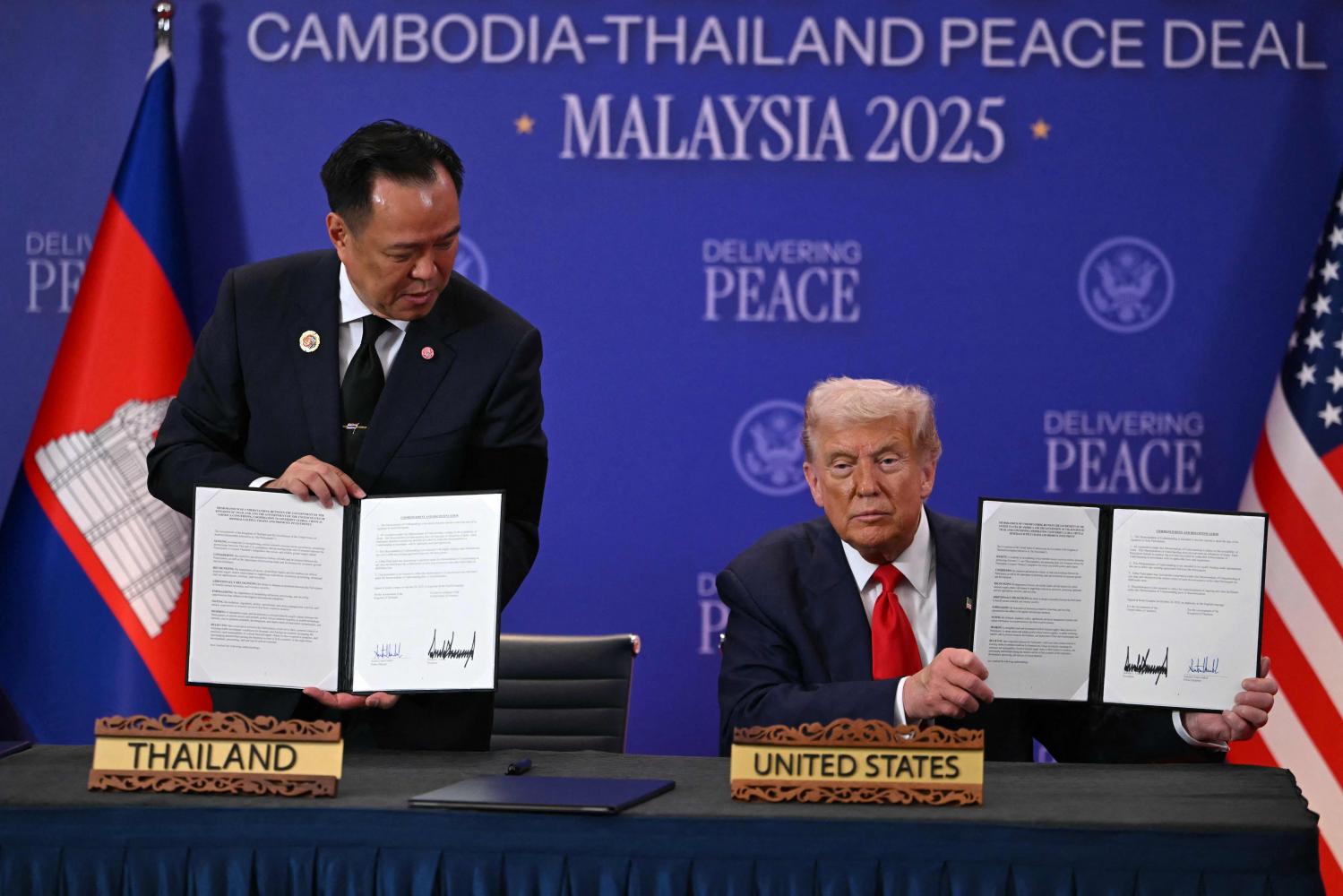
» Storming through Asia last week, US President Donald Trump's first stop in Kuala Lumpur on Oct 26, before moving on to Japan and South Korea over the next four days, capped by his meeting with Chinese President Xi Jinping before returning to Washington, was the most consequential for Southeast Asian economies.
Asean's regroup requires deep reforms
Oped, Thitinan Pongsudhirak, Published on 17/10/2025
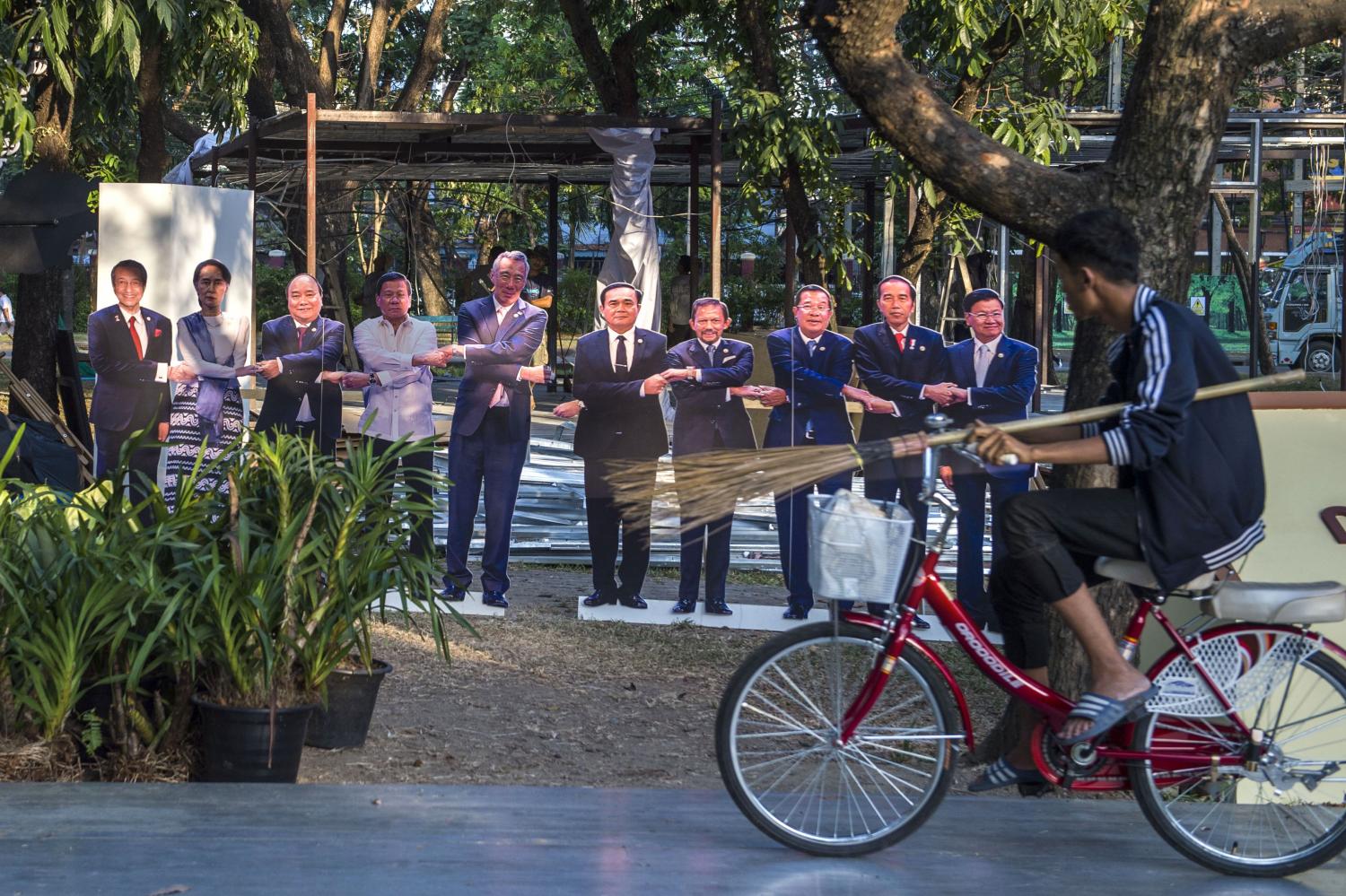
» If Asean's 58 years thus far have been about resilience and playing a central organising role in promoting regional security and stability, its next decade will determine whether the Southeast Asian bloc can adapt and remain relevant. After the crises in Myanmar and along the Thai-Cambodian border, Asean's credibility has never been more in doubt. To regain its effectiveness as Southeast Asia's one and only agency, Asean needs to move away from the ritualistic diplomacy of mundane meetings to far-reaching reforms that chart new ways of making things work.
Flawed Asean needs to regain footing
Oped, Thitinan Pongsudhirak, Published on 10/10/2025
» Nearly six decades after its founding, the Association of Southeast Asian Nations (Asean) finds itself back where it began -- divided, uncertain, and vulnerable to the influence of major powers. Once hailed as a model for regional cooperation in the developing world, Asean now faces a crisis of purpose. Unless it can rediscover the unity and collective way forward that defined its early decades, Southeast Asia's flagship institution risks slipping into irrelevance.

Thai political crisis from border dispute
News, Thitinan Pongsudhirak, Published on 20/06/2025
» The Thai-Cambodian border dispute has turned into a full-blown political crisis in Thailand. Cambodia's former prime minister and Senate President Hun Sen dropped a bombshell in Thai politics by revealing a taped private conversation that is irrevocably compromising to Thai Prime Minister Paetongtarn Shinawatra and her Pheu Thai party-led coalition government and deeply damaging to Thailand's national interest.

Thailand needs a geostrategic rebalance
Oped, Thitinan Pongsudhirak, Published on 06/06/2025
» With two military coups and multiple judicial interventions that combined to subvert election results and weaken democratic institutions over the past two decades, it is unsurprising that Thailand's geostrategic position has leaned increasingly towards China. Naturally, the more Thailand becomes autocratic, the more it will be estranged from established democracies in Europe and North America, as well as Japan and South Korea, with nowhere to turn but to Beijing. But this China orientation is a geostrategic mistake at this time. Thailand should correct its course until clearer signs emerge as to which side of the superpower struggle will come out on top.

Thailand needs middle power ambition
Oped, Thitinan Pongsudhirak, Published on 18/10/2024
» Having participated in the recent Asean-related summit meetings in Vientiane, Prime Minister Paetongtarn Shinawatra and her team must now work out Thailand's foreign policy priorities and posture. Foreign policy projection peaked around 20 years ago when Thailand was recognised as an emerging regional leader with the potential of a middle power. Since then, foreign policy has been patchy and hostage to polarisation and domestic political volatility. It is time to chart a way forward for Thailand's international standing and role despite ongoing political conflict at home.

Foreign policy needs to be democratic
Oped, Thitinan Pongsudhirak, Published on 11/10/2024
» To the extent that foreign policy starts at home, Prime Minister Paetongtarn Shinawatra's latest diplomatic forays should be supported because Thailand has become a regional laggard with its international standing at an all-time low. Elected civilian leaders by the people, as opposed to unelected appointees from military-conservative elites, are the way ahead to regain Thailand's international profile and forward movements. Ms Paetongtarn is evidently not the first-best elected outcome, but she is all Thailand has to work with for now.

Asean role stuck on Myanmar coup
Oped, Thitinan Pongsudhirak, Published on 25/08/2023
» President Joe Biden's decision to skip Asean-related summits in the Indonesian capital Jakarta on Sept 5-7 in favour of the G-20 leaders' meeting in India just two days later has been greeted with howls of disappointment and criticism around Southeast Asian capitals and elsewhere that are concerned about America's role in the region.

Thailand's policy on Myanmar stinks
Oped, Thitinan Pongsudhirak, Published on 23/06/2023
» The latest move to coddle and recognise Myanmar's junta government by caretaker Prime Minister Prayut Chan-o-cha's outgoing regime does not add up. Sanctioned and supported by Gen Prayut, Foreign Minister Don Pramudwinai arranged an Asean-wide ministerial meeting in Pattaya on June 18 with Myanmar's junta-appointed Foreign Minister Than Swe with unusual haste. Shrouded in controversy and desperation, both the PM's and the FM's clichéd explanations just do not wash. It begs the question of whether there are vested interests involved, above and beyond Thailand's national interest, in the outgoing government's seeming acceptance of Myanmar's military regime that took power by force on Feb 1, 2021.
Geopolitical takeaways from SEA meets
Oped, Thitinan Pongsudhirak, Published on 25/11/2022
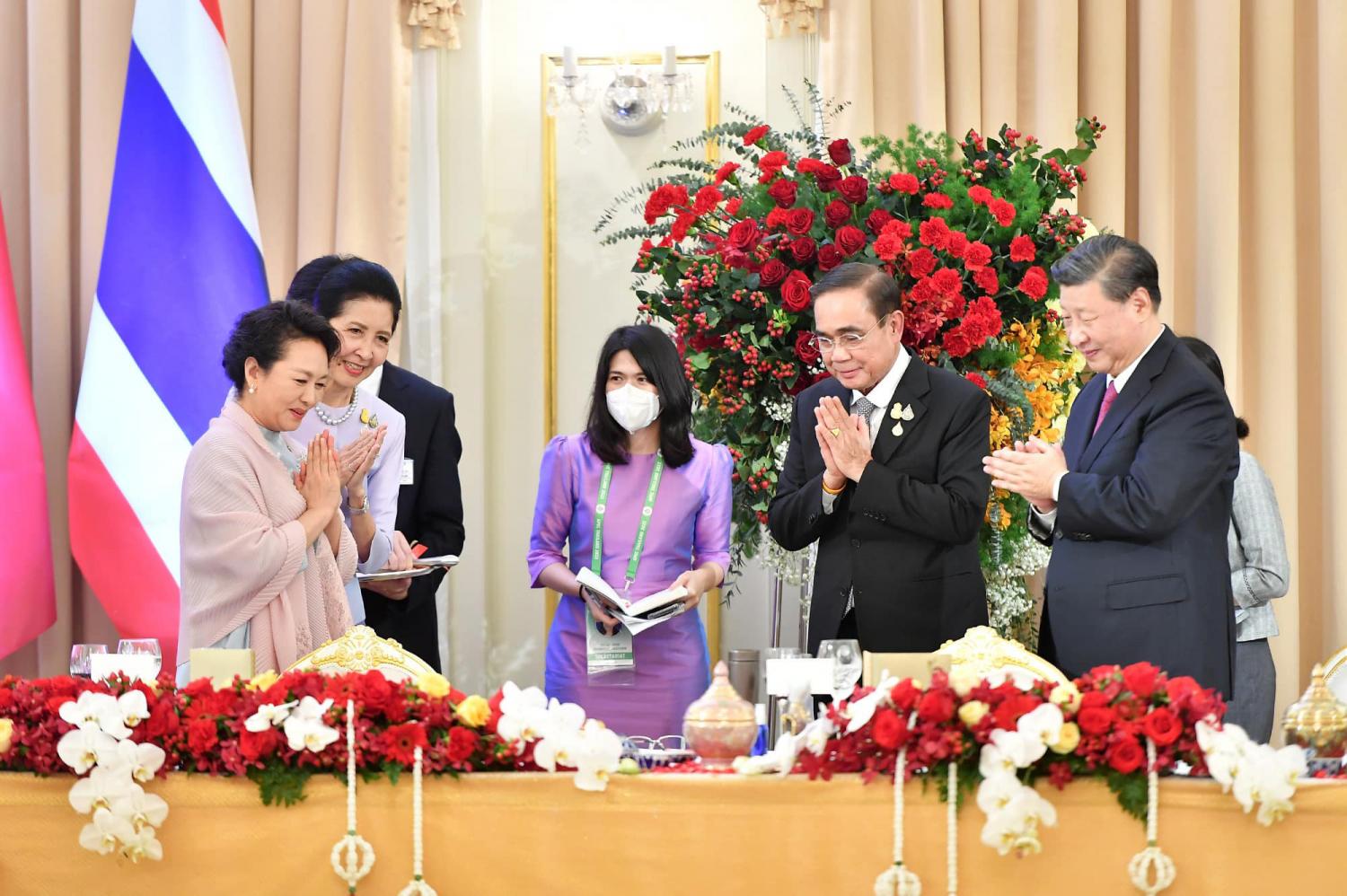
» Southeast Asia's summit season has come and gone with takeaways that concurrently eased geopolitical tensions and underlined risks that could lead to future global conflict. The three major summits -- the East Asia Summit (EAS) in Phnom Penh, the G20 in Bali, and the Asia-Pacific Economic Cooperation (Apec) in Bangkok -- also demonstrated that the Covid-19 pandemic over 2020-21 has been practically overcome as in-person meetings are back in full force. Overall, the three hosts came away with mixed highlights.