



Showing 1 - 10 of 10
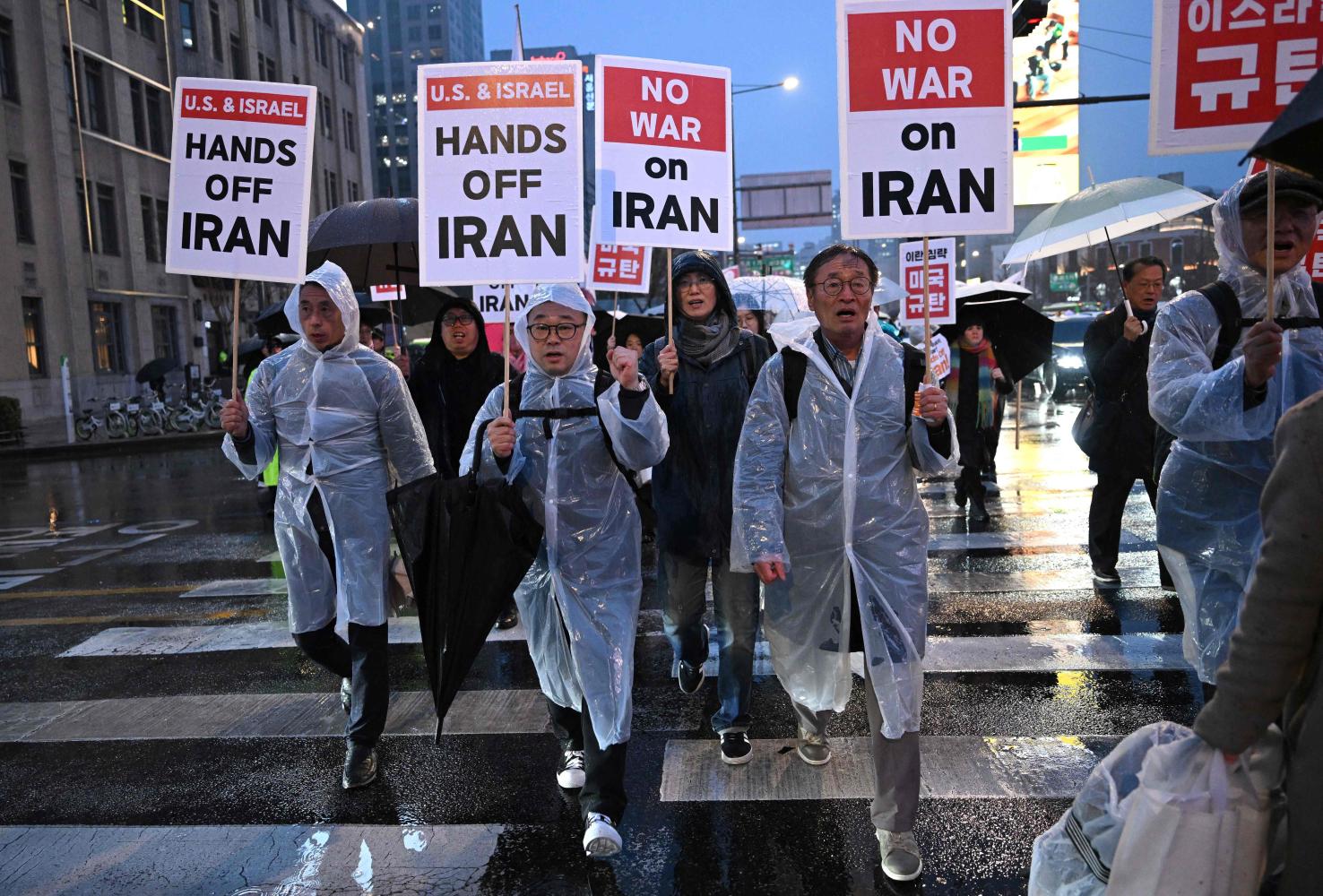
America risks grand folly in Iran war
Oped, Thitinan Pongsudhirak, Published on 06/03/2026
» It is just the first week of the joint attack between the United States and Israel on the Islamic Republic of Iran, but the repercussions from the Middle East for the Indo-Pacific are already discernible.
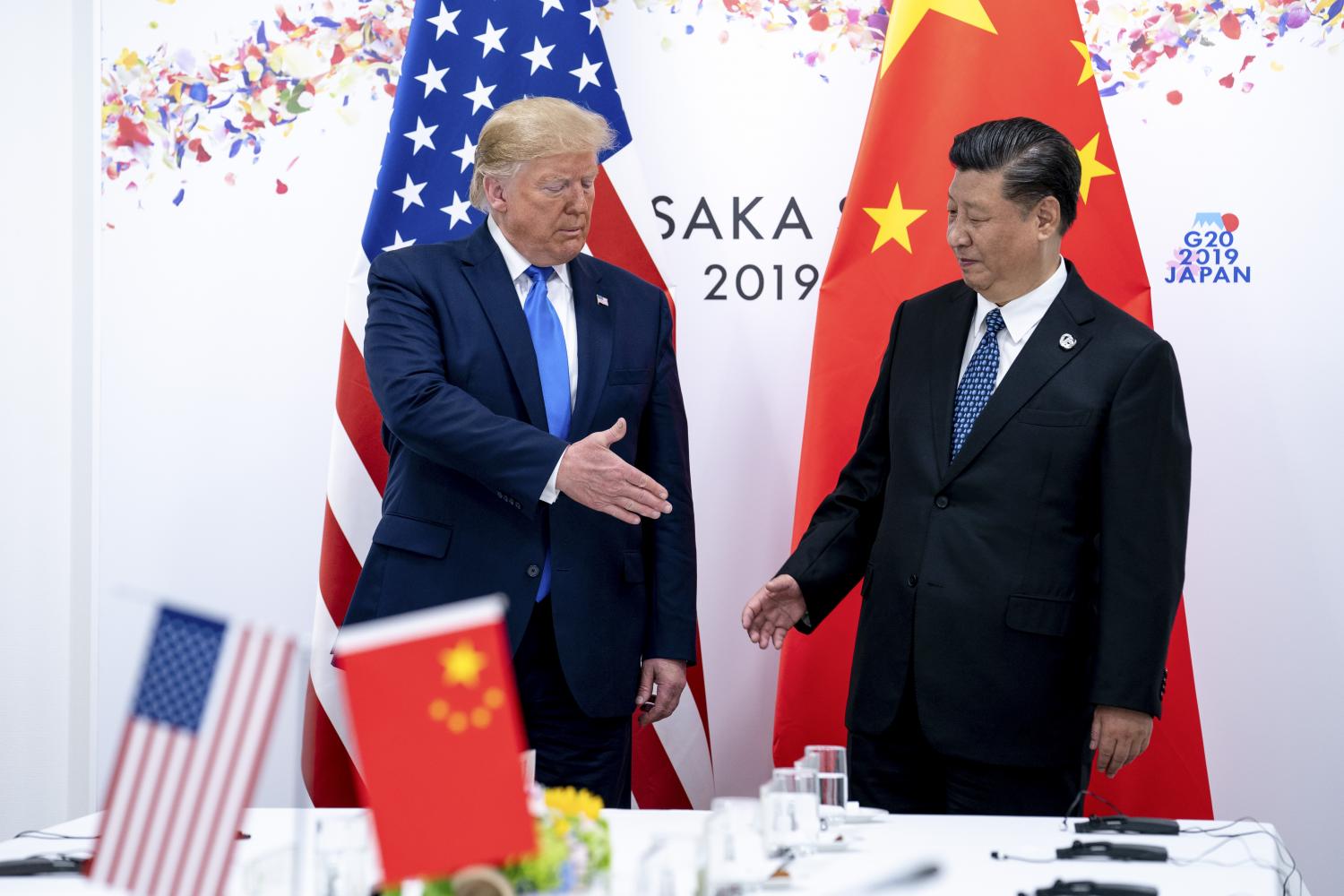
Southeast Asia amid the US-China rift
Oped, Thitinan Pongsudhirak, Published on 03/10/2025
» The rivalry between the United States and China has become the defining contest of the 21st century. Barely two decades ago, Washington and Beijing were partners in prosperity. America's support for China's entry into the World Trade Organization in 2001 epitomised the high-water mark of engagement, reflecting the belief that economic integration would lead to greater political cooperation. Today, that partnership has morphed into suspicion and confrontation. Relations between the United States and China have deteriorated so swiftly that many observers now describe them as locked in a "new Cold War". The more pressing question, however, is not whether this analogy holds, but whether confrontation can be managed short of outright conflict.

Thailand between the US and China
Oped, Thitinan Pongsudhirak, Published on 29/03/2024
» Amid what now has to be acknowledged as a direct non-military conflict and a geoeconomic war of sorts between the United States and China, Thailand is in a quandary. While characterising Thailand's geostrategic dilemma as a US-China binary can be exaggerated and misleading, it does have a point. As with many other developing countries in the region, Thailand will come under increasing pressure to choose between the two competing superpowers. The ability not to choose thus becomes an overarching geostrategic objective.

Thai charter court deserves scrutiny
Oped, Thitinan Pongsudhirak, Published on 04/08/2023
» Amid the volatility and confusion during the interim since the May 14 election, Thailand's Constitutional Court has further thickened the plot by accepting a petition to rule on whether a parliamentary vote using the meeting rules to deny the renomination of Move Forward Party leader Pita Limjaroenrat's premiership was unconstitutional.

Myanmar: From diplomacy to force
Oped, Thitinan Pongsudhirak, Published on 30/04/2021
» At its recent "special" summit in Jakarta on Myanmar's crisis, Asean reached its diplomatic maximum by coming up with a "five-point consensus" that will likely prove too little and too slow. Constrained by consensus and its non-interference principle where any of its 10 members has a virtual veto, Asean's overdue response to Myanmar's fast-escalating violence on the ground is likely to prove ineffective. As Asean's diplomacy faces limitations, more of Myanmar's outcomes are likely to be decided by the use of force in an intensifying civil war.

Myanmar coup: Asean's new fault line
Oped, Thitinan Pongsudhirak, Published on 26/02/2021
» Already geopolitically divided by China's regional assertiveness, Asean is now facing a new fault line from Myanmar's recent military coup. Just like its divergent views toward China, Asean's mixed preferences toward the Myanmar armed forces' abrupt seizure of power on Feb 1 threaten to further weaken Southeast Asia's 10-member grouping and marginalise its role as the central organising vehicle for regional peace and stability.

Who's culpable for Myanmar's coup?
Oped, Thitinan Pongsudhirak, Published on 12/02/2021
» When Myanmar's armed forces, known as the Tatmadaw, staged a military coup on Feb 1, reactions inside the country and outside were noticeably different. As the coup effectively disenfranchised millions of voters who chose hitherto State Counsellor Aung San Suu Kyi and her National League for Democracy (NLD) party in a landslide victory on Nov 8, public anger inside the country was immediate and conspicuous just as Myanmar's newly elected parliament was about to convene. Many outside observers, however, were more guarded and hedged, portraying the cause of the coup as more qualified and nuanced. How the coup came about has become a bone of contention that will have much to say about the post-coup dynamics and outcomes.

Geoeconomic implications of Covid-19
Oped, Thitinan Pongsudhirak, Published on 26/06/2020
» The longer the coronavirus pandemic wends its way around the world, the more it takes on permanent features. As case infections still persist virulently, especially in the US, Brazil, Russia and India, states, societies and individuals are being forced to make adjustments. There will be winners and losers in the geoeconomic competition for market shares and supply chains. Those with more effective public health systems will stand in good stead with opportunities to re-emerge less scathed and better positioned to carry on, whereas others with less adequate health infrastructure will face more risks and disadvantages. For the first time in generations, health security has become the main determinant in the fate of nations and peoples.
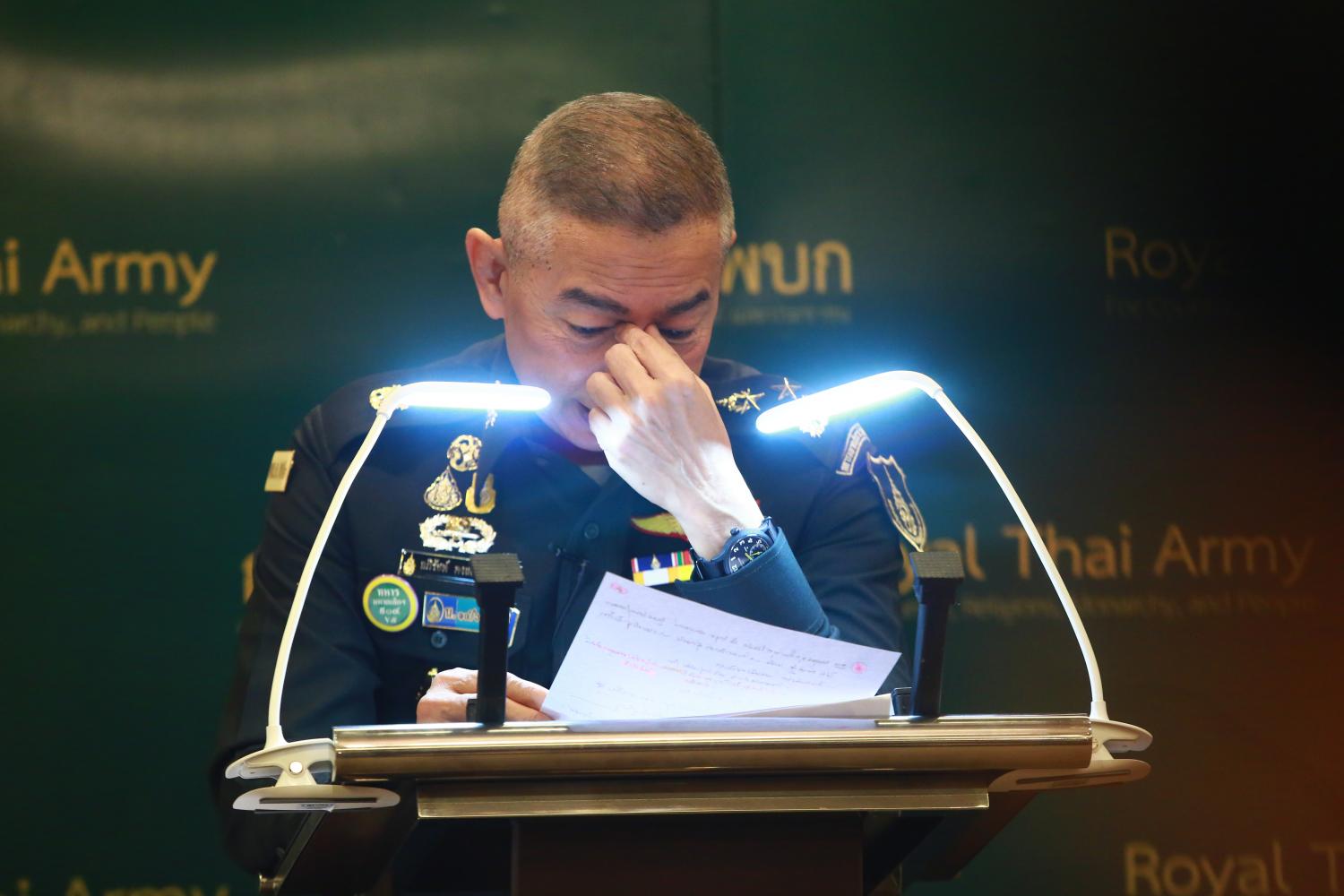
Underpinnings of a Thai mass shooting
News, Thitinan Pongsudhirak, Published on 14/02/2020
» Thailand's worst apolitical mass shooting on a Buddhist holiday last weekend left a trail of deaths and injuries with one lasting question that will be hard to answer. As the country reels from the shocking tragedy and loss, the Thai government needed to respond by pulling the country together in a healing process, coming to terms with the situation and drawing the right conclusions to prevent this sort of mindless killing from ever taking place again. Instead, the authorities from the prime minister to the army commander-in-chief focused too much on themselves and failed to show sufficient empathy with the people and provide a way forward for Thai society.

Where Northeast, Southeast Asia meet
News, Thitinan Pongsudhirak, Published on 13/12/2019
» That the post-Second World War liberal international order is unravelling is no longer in dispute. While there are ongoing issues and challenges about how and to what extent the incumbent rules-based international order that has been so beneficial to so many nations and peoples in their course of economic development can still be maintained, there is broad agreement that the international system as we know it has run its course.