



Showing 1 - 9 of 9

Thai foreign policy needs new rudder
Oped, Thitinan Pongsudhirak, Published on 27/09/2024
» Thailand's foreign policy posture and projection under Foreign Minister Maris Sangiampongsa and the new government of Prime Minister Paetongtarn Shinawatra is off to a good start under severe structural constraints. Given the widespread consensus both at home and abroad that Thailand has fallen behind its peers over the past two decades, the imperative of regaining its international standing is undisputed. But doing so under what the foreign minister has outlined as a "neutral stance" under "non-alignment" among the great powers is moot and misguided. What Thai foreign policy needs is multi-alignments and omni-directionality under a new rudder.

Thailand's judiciary faces challenges
Oped, Thitinan Pongsudhirak, Published on 24/05/2024
» Thailand appears to be a country of 70 million, ultimately ruled by an unelected few. This sobering reality was on display when two connected groups of top generals seized power from democratically elected governments in September 2006 and May 2014. Unlike these blatant military coups over the past two decades, at issue now is the power and role of the judiciary. While Thailand has another democratically elected civilian government under Prime Minister Srettha Thavisin, the question that needs to be asked is whether the country is effectively under judicial rule.
Give parliamentary politics a chance
News, Thitinan Pongsudhirak, Published on 26/07/2019
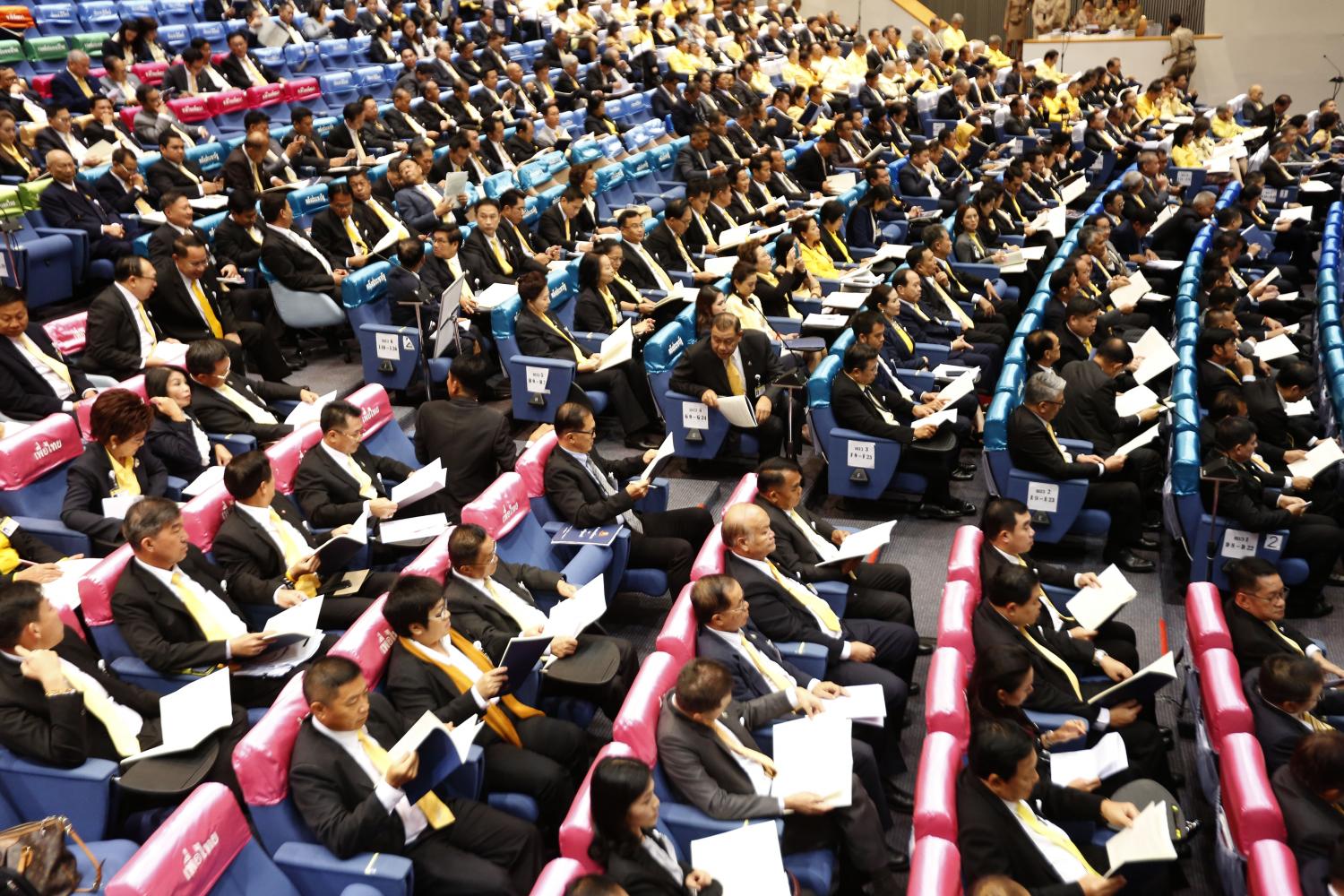
» After a five-year hiatus, parliamentary politics returns this week with a constitutionally mandated policy statement by the coalition government of Prime Minister Prayut Chan-o-cha. With government and opposition back at work again, in contrast to the previous military-appointed rubber-stamp legislature under junta rule, Thailand has yet another small window of opportunity to regain and rebuild popular rule.
Anti-regime? Join the opposition ranks
News, Thitinan Pongsudhirak, Published on 17/05/2019
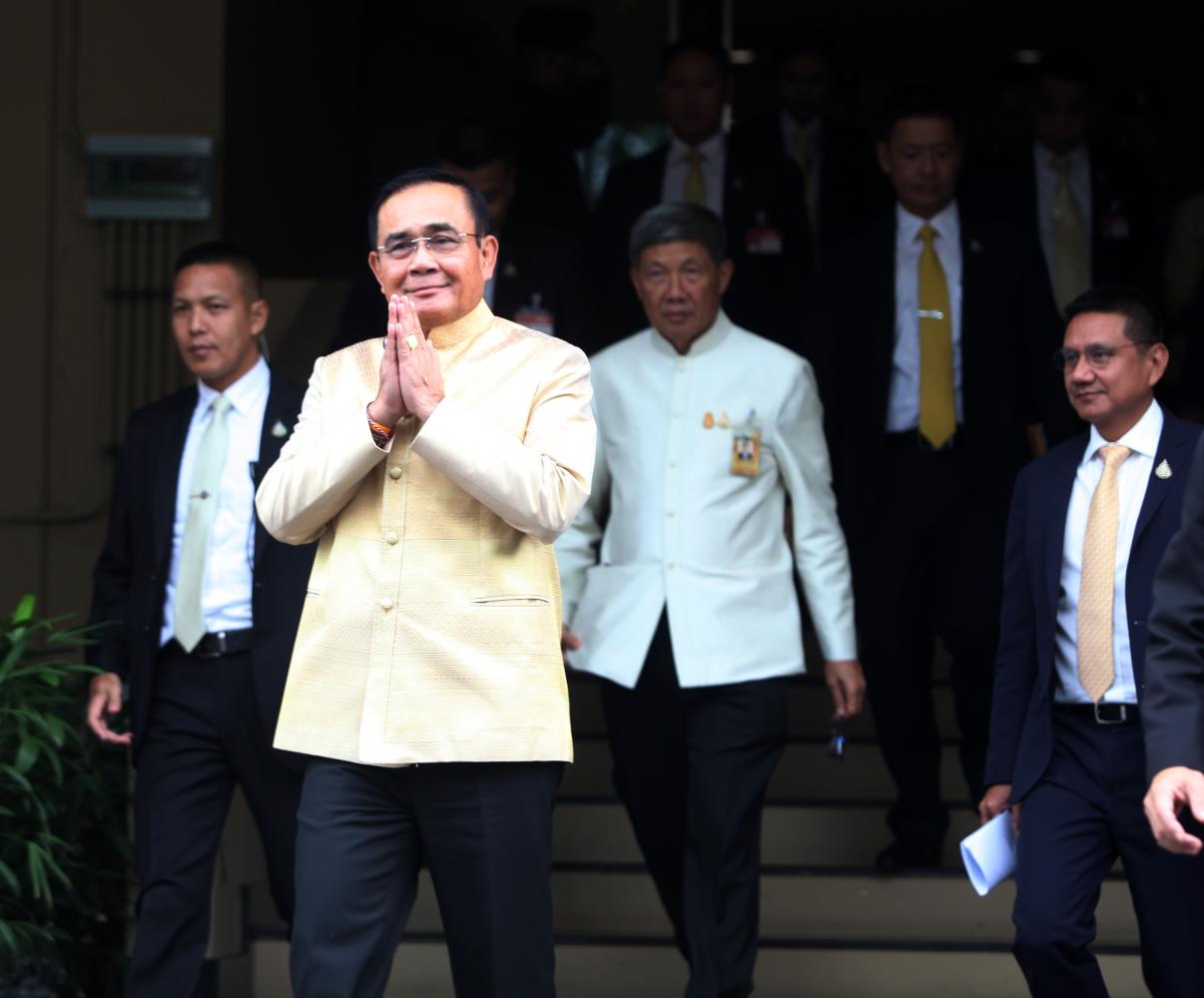
» Five years after it seized power in May 2014, Thailand's military junta, known as the National Council for Peace and Order (NCPO), has achieved what it envisaged.

Woeful Senate will worsen political woes
News, Thitinan Pongsudhirak, Published on 10/05/2019
» Since it first took office in 1947, Thailand's Senate has mostly comprised appointees as mandated by more than a dozen constitutions over the past seven decades. Only in the 1997 and 2007 charters was the Senate elected and half elected, respectively. The 2017 constitution has reverted to a wholly appointed upper chamber but this time the 250-member Senate has been given wider authority, particularly the selection of the prime minister.

What to look for in Thai election results
News, Thitinan Pongsudhirak, Published on 22/03/2019
» Elections are often a referendum on incumbencies. Voters are asked whether they like what they have seen from government and whether they want continuity or change in view of competing alternatives. In the same vein, Thailand's momentous election on March 24, after a nearly eight-year hiatus that includes almost five years under military-authoritarian rule, is an opportunity to see what the governed prefer to have as their government. Here are some of early telltale signs that portend the political directions ahead.
Policy ideas absent from poll campaign
News, Thitinan Pongsudhirak, Published on 01/03/2019
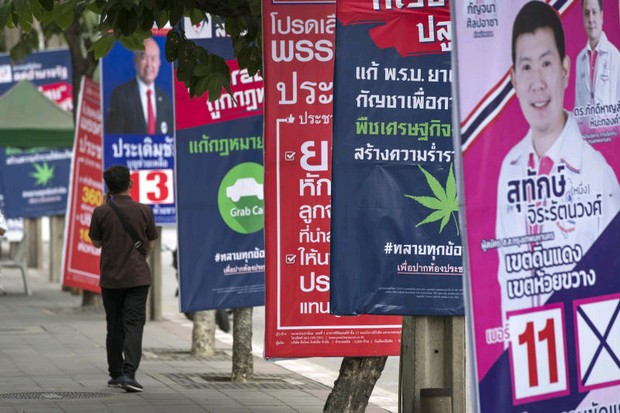
» As the election campaign season moves into full swing after a nearly eight-year hiatus, many will see it as the same old tired routine of politicians smearing each other, slinging mud and squabbling all the way to the poll and beyond.

Prime Minister Prayut is no President Xi
News, Thitinan Pongsudhirak, Published on 16/03/2018
» That the Chinese Communist Party-controlled legislature has removed the term limits of the country's president and vice president has already sent shockwaves worldwide. It means that President Xi Jinping can continue to be China's head of state into a third term beyond 2023. Even though China's presidency is less powerful than the Chinese Communist Party's General Secretary and head of the Central Military Commission, the abolition of presidential term limits sends unmistakable signals that President Xi intends to hold complete and absolute power. He is now seen as more powerful than any contemporary Chinese leader, unrivalled since the time of founding father Mao Zedong.

A year of living dangerously in Thailand
News, Thitinan Pongsudhirak, Published on 05/01/2018
» They were supposed to be in power for the royal transition but they have stayed too long and now want to win an unavoidable election.