



Showing 1 - 10 of 13
Impacts of Iran war on Southeast Asia
Oped, Thitinan Pongsudhirak, Published on 20/03/2026
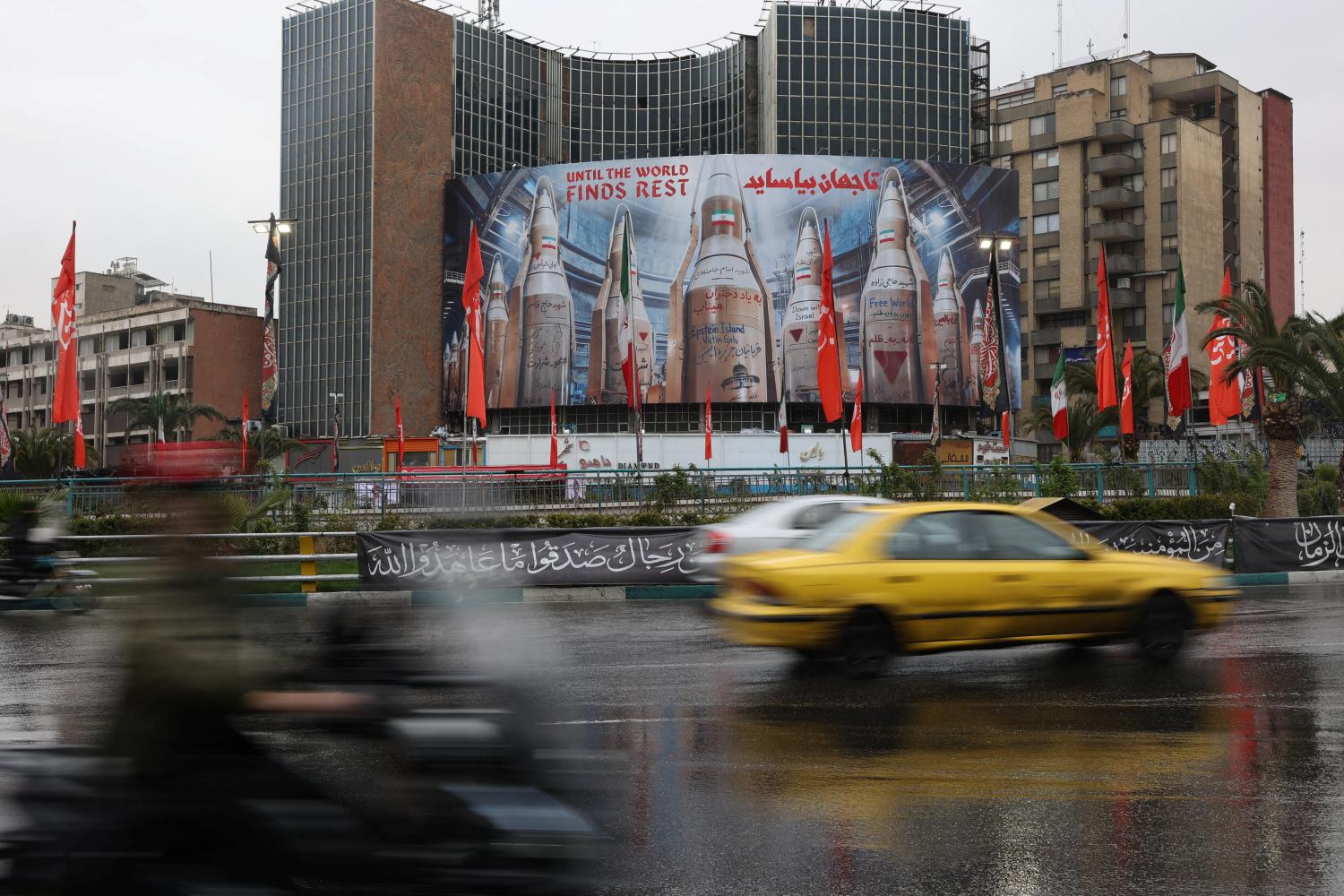
» For the most part, Southeast Asia as a region has taken a neutral stance toward the joint attack between the United States and Israel against the Islamic Republic of Iran. Even the Philippines and Thailand, two formal US treaty allies, have distanced themselves, calling for restraint and de-escalation.

Singapore turns 60 with much to show
Oped, Thitinan Pongsudhirak, Published on 08/08/2025
» No country turns 60 like Singapore. In a neighbourhood of political dynasties and varying shades of autocracies and flawed democracies, the little island state of six million got lucky with its strongman rule. When he died in 2015, Singapore's patriarchal founder Lee Kuan Yew left a great country behind. This weekend, Singaporeans can take stock of what's gone by and rightly celebrate its milestone with much to show for.

No losers, two winners in Taiwan poll
Oped, Thitinan Pongsudhirak, Published on 26/01/2024
» Among elections in Asia this year, Taiwan's is no less consequential, not just for the island country's political future but also for the United States-China rivalry and broader geopolitics. In the event, the results from the Jan 13 general election in Taiwan ended up with no major losers among the main contenders and two big wins for democracy in Asia and the geopolitical status quo.

Apec's geopolitics and geoeconomics
Oped, Thitinan Pongsudhirak, Published on 11/11/2022
» The upcoming leaders' meeting in Bangkok among the 21 member economies of the Asia-Pacific Economic Cooperation (Apec) should be seen in conjunction with its preceding Asean-related summits in the Cambodian capital of Phnom Penh and the G20 summit in Bali, the Indonesian island resort. This one-two-three combination in three Southeast Asian countries over a ten-day period is supposed to showcase Asean's central role in the promotion of peace, security and prosperity in the region and the wider world. But as Asean's summit season gets underway in Cambodia, excitement and promise have given way to anxieties and apprehensions. While these summit talks are an extraordinary opportunity to tone down geopolitical temperatures and geoeconomic competition, they are likely to yield mixed results.

US shoots itself in foot over Taiwan
Oped, Thitinan Pongsudhirak, Published on 05/08/2022
» Even pro-democracy critics of China’s authoritarian ways would have to call United States House Speaker Nancy Pelosi’s visit to Taiwan an undue provocation that ended up as a lose-lose outcome for all concerned, including the 82-year-old congresswoman. Everything about it was misguided and self-indulgent, designed for domestic consumption in the US rather than regional peace and security in Asia. The US, by way of Mrs Pelosi, has unnecessarily shot itself in the foot big time, leaving regional states and societies to deal with the consequences.

Japan's post-Covid regional dilemma
Oped, Thitinan Pongsudhirak, Published on 21/01/2022
» Among the major powers that are moving forward with an eye on the post-pandemic era, when Covid-19 will eventually become an endemic with flu-like manageability, Japan is second to none. The visit last week by its minister of economy, trade, and industry (METI), Koichi Hagiuda, made front-page news in Bangkok, following similarly notable media coverage in Jakarta and Singapore. But while it has played a critical role in Asean's economic development and regional security, Japan's Indo-Pacific geostrategic environment has become adverse with more downside risks.
The geopolitics of China's CPTPP move
Oped, Thitinan Pongsudhirak, Published on 03/12/2021
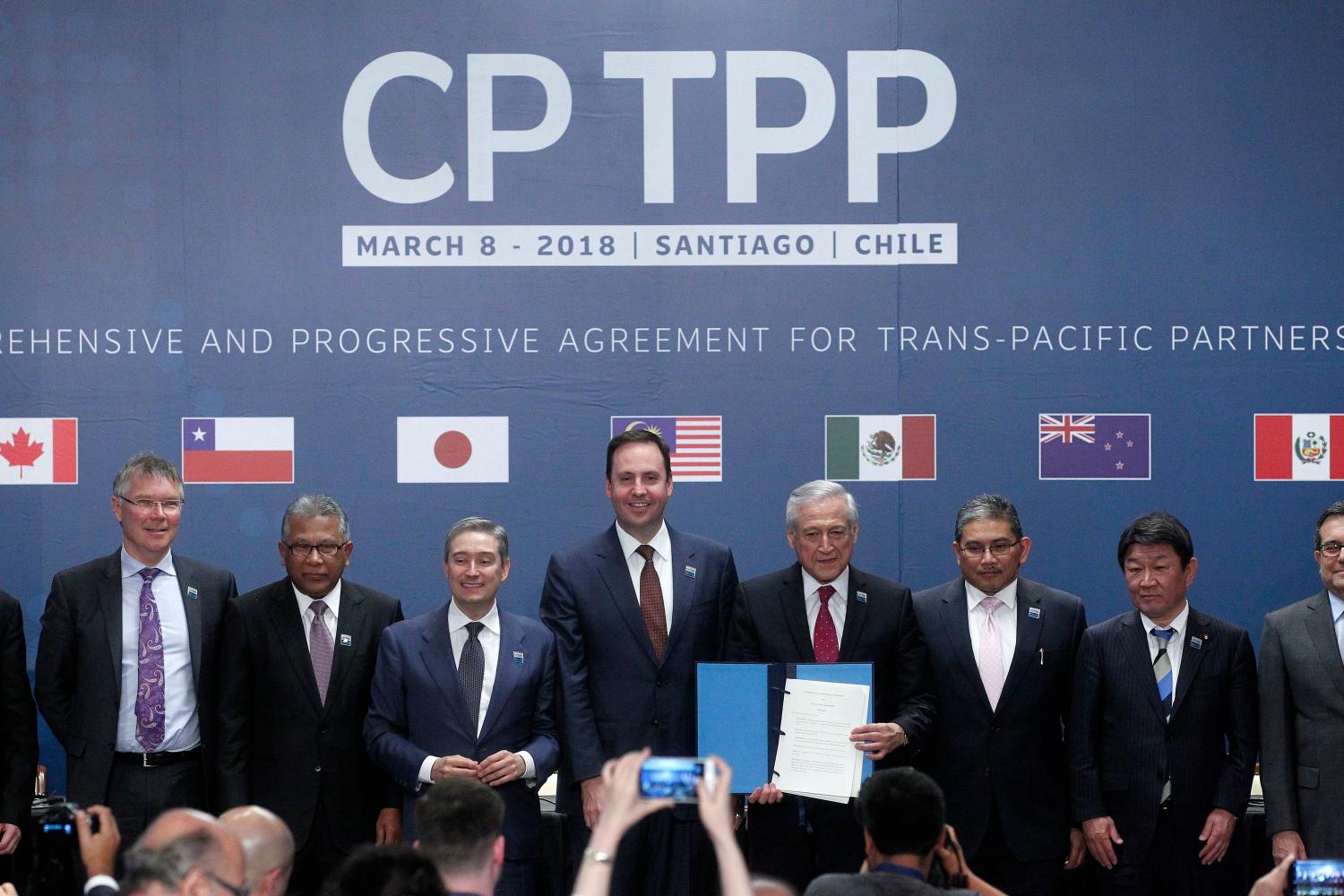
» Nowhere is the intersection between geopolitics and geoeconomics more evident than the accession negotiations under the 11-member Comprehensive and Progressive Agreement for Trans-Pacific Partnership (CPTPP). At issue are three new applications for accession by the United Kingdom, China, and Taiwan. While the UK's candidacy alters the geographic crux of what has been Asia-Pacific trade liberalisation, China's and Taiwan's entry efforts represent a proxy showdown between the United States-led global order and 75-year-old alliance system versus Beijing's geostrategic ambitions and objectives.

Aukus poses challenges to other powers
Oped, Thitinan Pongsudhirak, Published on 15/10/2021
» The Australia-United Kingdom-United States (Aukus) security pact has caused ripple effects across oceans and continents. Not only will the trilateral security partnership provoke China, but it will likely further divide Southeast Asia and overshadow Asean-centred cooperative vehicles, such as the East Asia Summit. Beyond these concerns, the Aukus deal to share Anglo-American nuclear technology to enable Australia's acquisition of eight nuclear-powered submarines over two decades poses challenges to other major powers, particularly the European Union and its key members as well as Japan.

The UK moves into a tougher new world
Oped, Thitinan Pongsudhirak, Published on 24/09/2021
» The United Kingdom is on the move. From the "Brexit" referendum result more than five years ago to the recent launch of the Australia-United Kingdom-United States (Aukus) trilateral security partnership, it is unmistakeable that the post-World War II rules-based liberal international order is coming under increasing strain. As the global order unravels, the UK is facing a brave new world that requires calling up its inner strength in ways not seen since its finest battle against tyranny and aggression some 80 years ago. And there are reasons to think the UK will do better than its critics and detractors suggest.

The global politics of virus vaccines
Oped, Thitinan Pongsudhirak, Published on 11/09/2020
» It is clear now that Thailand's de facto strategy for handling the coronavirus pandemic is to minimise local infections and wait for a safe and effective vaccine. The recent discovery of just one Thai in a Bangkok suburb who tested positive sent the country into near-panic mode after 100 days of zero local transmissions, similar to the case of an Egyptian military official who visited Rayong province in July and tested positive thereafter.