



Showing 1 - 10 of 25
Impacts of Iran war on Southeast Asia
Oped, Thitinan Pongsudhirak, Published on 20/03/2026
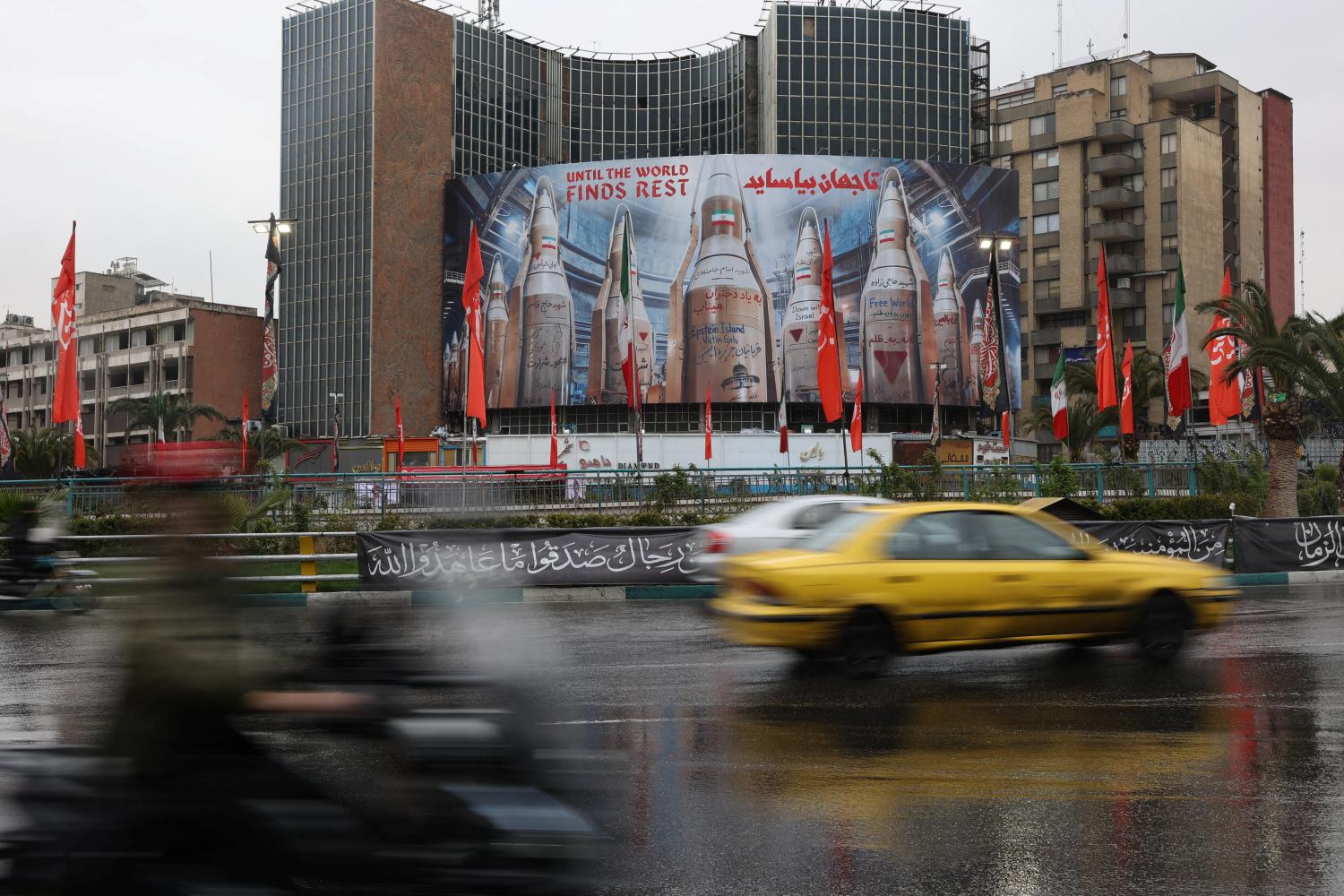
» For the most part, Southeast Asia as a region has taken a neutral stance toward the joint attack between the United States and Israel against the Islamic Republic of Iran. Even the Philippines and Thailand, two formal US treaty allies, have distanced themselves, calling for restraint and de-escalation.
Digesting Trump's trip through Asia
Oped, Thitinan Pongsudhirak, Published on 07/11/2025
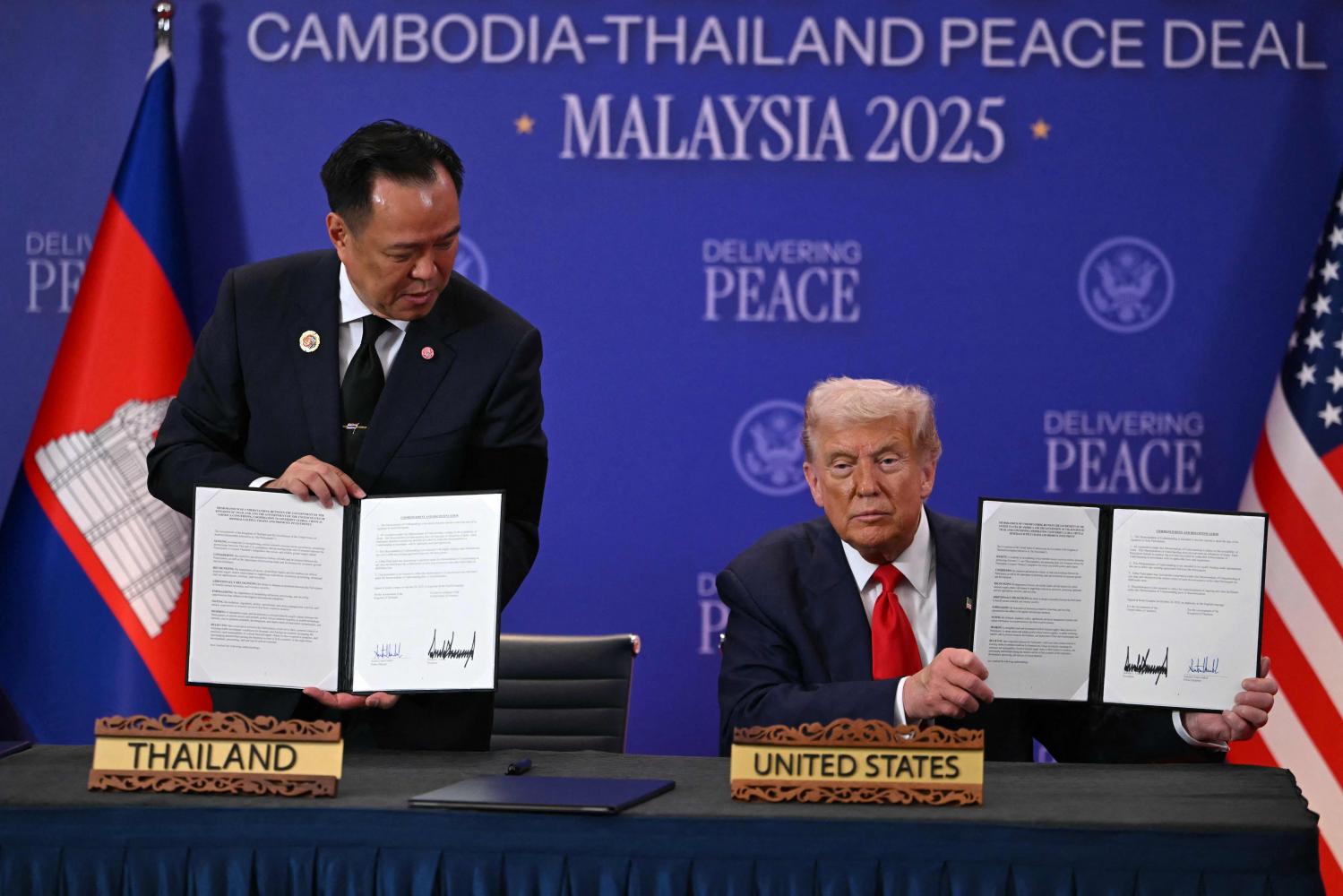
» Storming through Asia last week, US President Donald Trump's first stop in Kuala Lumpur on Oct 26, before moving on to Japan and South Korea over the next four days, capped by his meeting with Chinese President Xi Jinping before returning to Washington, was the most consequential for Southeast Asian economies.

A perilous era of absolute advantage
News, Thitinan Pongsudhirak, Published on 25/04/2025
» If a date had to be pinpointed, the post-Second World War international system came to an unmistakable end on April 2 -- the so-called "Liberation Day" -- when US President Donald Trump announced comprehensive "reciprocal" tariffs to a bewildered global audience. The blatantly protectionist move was equivalent to the United States' abrogation and abandonment of the rules-based international order that it ironically and instrumentally constructed and upheld over nearly eight decades. What comes now is a dangerous era of absolute advantage in global trade, investment, and finance, bent on unilateralism over multilateralism, competition over cooperation, nationalism over interdependence, and the singular quest to dominate and reshape the global pecking order under the rubric of making America "great again".

Smart geopolitics starts on home front
Oped, Thitinan Pongsudhirak, Published on 21/02/2025
» According to a longstanding axiom, all politics is local. If so, then smart and crafty geopolitics must start at home with sufficient domestic political stability and consensus about how the country should navigate what is increasingly a turbulent geostrategic chessboard. Put this way, few countries can appreciate the intersection of geopolitics and domestic politics more than Thailand. Its rocky and volatile home front over the past two decades continues to impede and constrain its geostrategic projection.

Thaksin's return and 2025 prospects
Oped, Thitinan Pongsudhirak, Published on 03/01/2025
» Thailand's political environment last year was marked by machinations to keep the biggest election winner, the Move Forward Party, from power and to ensure the runner-up, the Pheu Thai Party, leads a coalition government the old guard can put up with. These manoeuvres after the May 2023 poll, initially forced Move Forward into the opposition and ultimately dissolved the party while bringing Thaksin Shinawatra back from self-exile in August 2023 for a perfunctory jail sentence and installing Srettha Thavisin as prime minister over the same period.

The Thaksin factor in Thai politics
Oped, Thitinan Pongsudhirak, Published on 15/03/2024
» Thai politics in the near term will likely be dominated by the fate of the two largest vote winners from the general election in May 2023, the Move Forward (MFP) and Pheu Thai parties. While the MFP is at risk of another dissolution, the same as its predecessor Future Forward Party suffered in 2020, Pheu Thai's political future appears to hinge on Thaksin Shinawatra and his return from exile in what is believed to be a deal that follows the assumption of the premiership under Srettha Thavisin, and for Thaksin, a royal pardon and early release on parole.

Srettha confronts myriad of challenges
News, Thitinan Pongsudhirak, Published on 22/09/2023
» As the coalition government of Prime Minister Srettha Thavisin gets going, it faces multiple daunting challenges, from public expectations and policy deliverables to the maintenance of political stability.

Thailand's policy on Myanmar stinks
Oped, Thitinan Pongsudhirak, Published on 23/06/2023
» The latest move to coddle and recognise Myanmar's junta government by caretaker Prime Minister Prayut Chan-o-cha's outgoing regime does not add up. Sanctioned and supported by Gen Prayut, Foreign Minister Don Pramudwinai arranged an Asean-wide ministerial meeting in Pattaya on June 18 with Myanmar's junta-appointed Foreign Minister Than Swe with unusual haste. Shrouded in controversy and desperation, both the PM's and the FM's clichéd explanations just do not wash. It begs the question of whether there are vested interests involved, above and beyond Thailand's national interest, in the outgoing government's seeming acceptance of Myanmar's military regime that took power by force on Feb 1, 2021.

Only the young can change Thailand
Oped, Thitinan Pongsudhirak, Published on 09/06/2023
» If the past two decades of Thai politics has been about populism and colour-coded conflicts between the yellow-shirted pro-establishment forces against the red shirts aligned with ousted former prime minister Thaksin Shinawatra, the foreseeable future will likely be about structural reforms and a generational clash between the age-old established centres of power against young Thais who are rising up to determine their country's future directions. It is unsurprising that only younger Thais can change Thailand because their old compatriots have too much at stake and too many vested interests in the entrenched and deeply embedded status quo.

Stakes and meanings of the 2023 poll
Oped, Thitinan Pongsudhirak, Published on 17/03/2023
» For all intents and purposes, Prime Minister Prayut Chan-o-cha will not call an early election and will practically use up the full four-year term before dissolving the Lower House. Calling an early poll is often a sign of confidence and stability while putting it off to the last minute can be seen as timid and desperate. Nevertheless, the good news is that Thailand will have an election soon. The broader stakes and meanings of the upcoming poll are as follows.