



Showing 1 - 5 of 5
Impacts of Iran war on Southeast Asia
Oped, Thitinan Pongsudhirak, Published on 20/03/2026
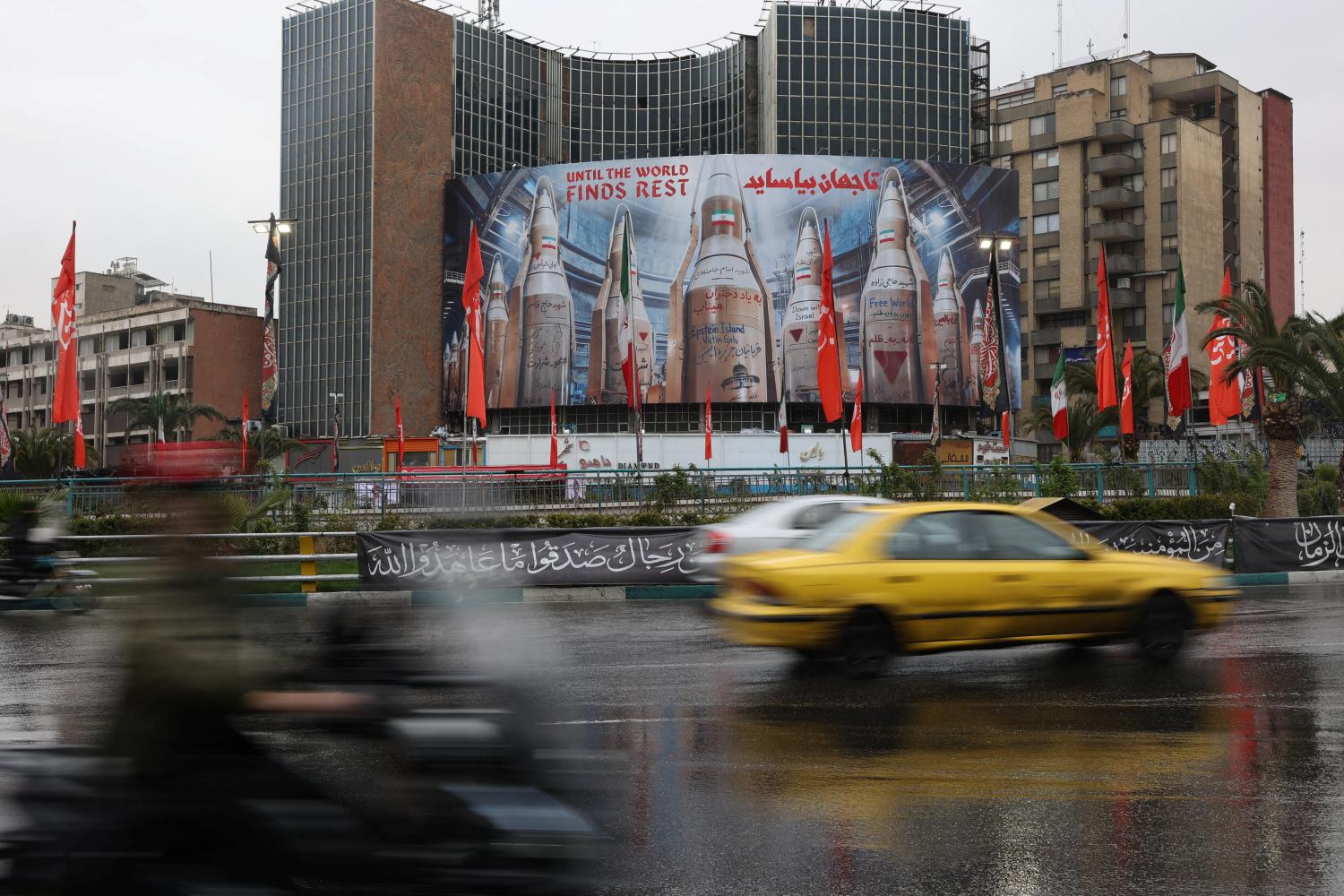
» For the most part, Southeast Asia as a region has taken a neutral stance toward the joint attack between the United States and Israel against the Islamic Republic of Iran. Even the Philippines and Thailand, two formal US treaty allies, have distanced themselves, calling for restraint and de-escalation.

Japan's post-Covid regional dilemma
Oped, Thitinan Pongsudhirak, Published on 21/01/2022
» Among the major powers that are moving forward with an eye on the post-pandemic era, when Covid-19 will eventually become an endemic with flu-like manageability, Japan is second to none. The visit last week by its minister of economy, trade, and industry (METI), Koichi Hagiuda, made front-page news in Bangkok, following similarly notable media coverage in Jakarta and Singapore. But while it has played a critical role in Asean's economic development and regional security, Japan's Indo-Pacific geostrategic environment has become adverse with more downside risks.

Biden's pivot to free, open Indo-Pacific
Oped, Thitinan Pongsudhirak, Published on 03/09/2021
» If former United States President Barack Obama is known for his "pivot to Asia" geostrategy and President Donald Trump for the Free and Open Indo-Pacific, there is now a geostrategic synthesis under President Joe Biden. It can be aptly called the US "pivot to the Free and Open Indo-Pacific".

Concentric Mideast wars and prospects
News, Thitinan Pongsudhirak, Published on 10/01/2020
» Nothing captures attention in an age of media saturation like the talk of war. The recent decision by US President Donald Trump to assassinate a top Iranian official, Quds Force Commander Major General Qassem Soleimani, has conjured up the spectre of a wider conflict encompassing not just the Middle East but the broader world, as Iran's top leaders deemed it "an act of war" and vowed "severe revenge". Although Iran's military and its proxy militias and client states in the Middle East and elsewhere are poised to exact retribution for their loss, we are unlikely to see a world war in the immediate aftermath of this killing.

Lasting lessons from Malaysia for SE Asia
News, Thitinan Pongsudhirak, Published on 25/05/2018
» Some have likened it to an "earthquake," while others have called it a "tsunami." However it is billed, Malaysia's election outcome still reverberates far and wide. Its political aftershocks yield lessons and considerations for politics in Southeast Asia, particularly Thailand, which holds the dubious distinction as the only parliamentary system in this region that does not know when it will next stage a poll.