



Showing 1 - 10 of 33
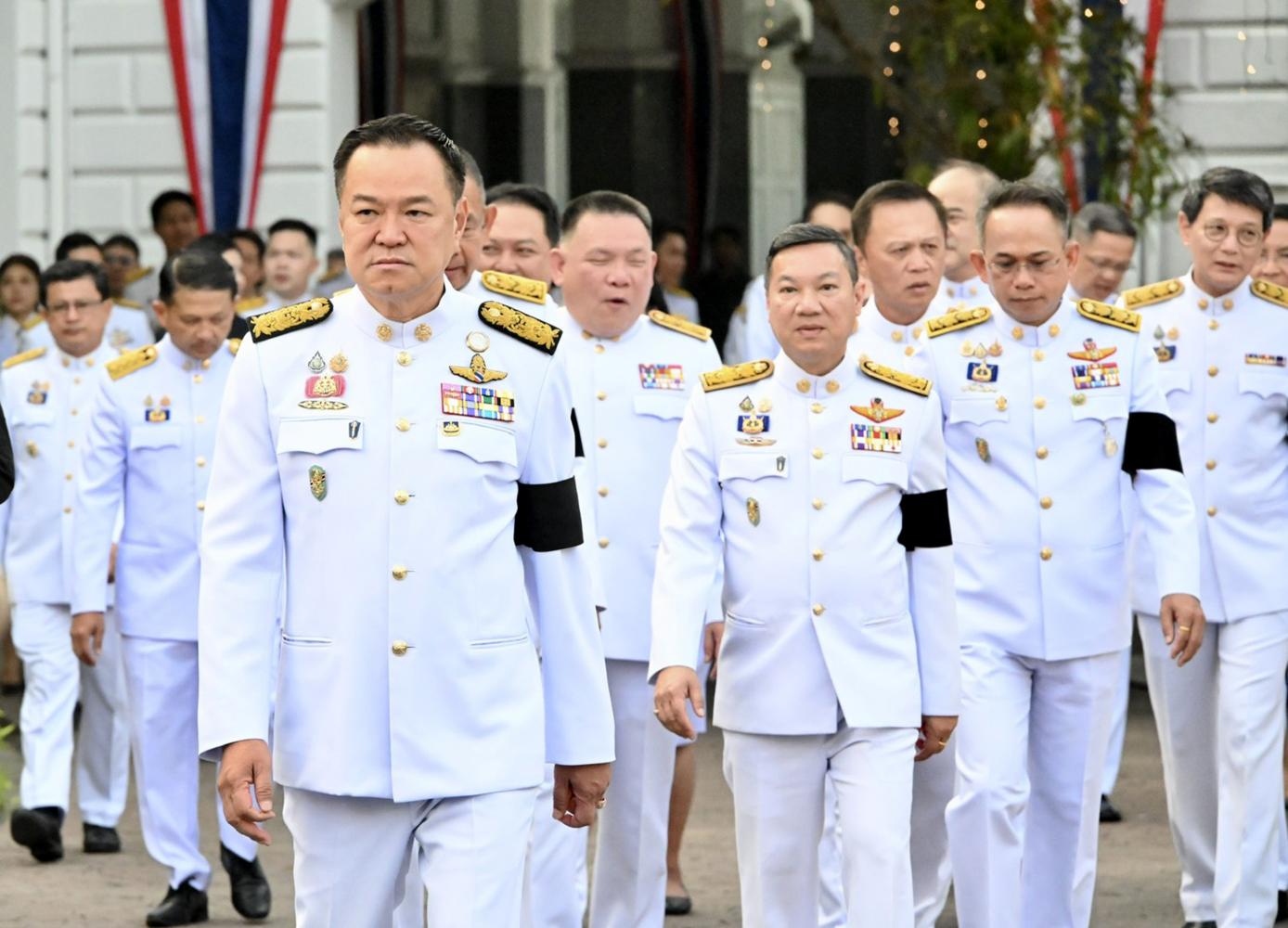
Government stability tests performance
Oped, Thitinan Pongsudhirak, Published on 03/04/2026
» Prime Minister Anutin Charnvirakul has gone from strength to strength, leveraging a stopgap minority government late last year into solid majority rule after the Feb 8 election.
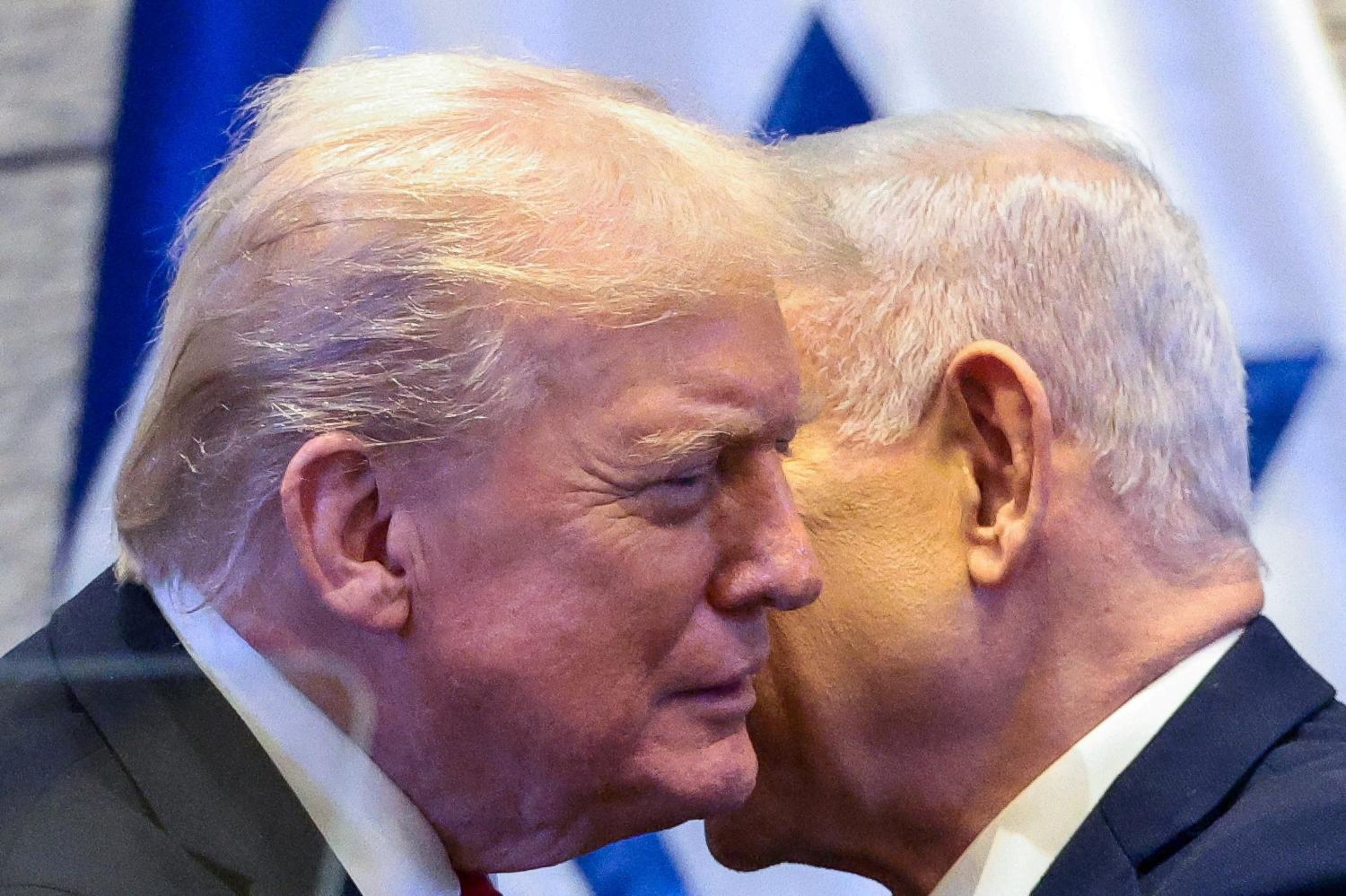
Trump goes off-script, US gone rogue
Oped, Thitinan Pongsudhirak, Published on 27/03/2026
» It was not supposed to work like this. "America First" and "Make America Great Again" (MAGA) were supposed to be about an inward turn to repair, replenish and rebuild an externally overstretched and internally weakened country, weighed down by unnecessary global entanglements, unsustainable national debt, and unimpeded mass migration. It seemed for a time that the MAGA movement to prioritise America above and beyond the international system and its constituent parts had found its final prophet in President Donald J Trump. But now, somehow, President Trump has betrayed the movement that has carried him to office by waging a disastrous war on Iran in cooperation with Israel.
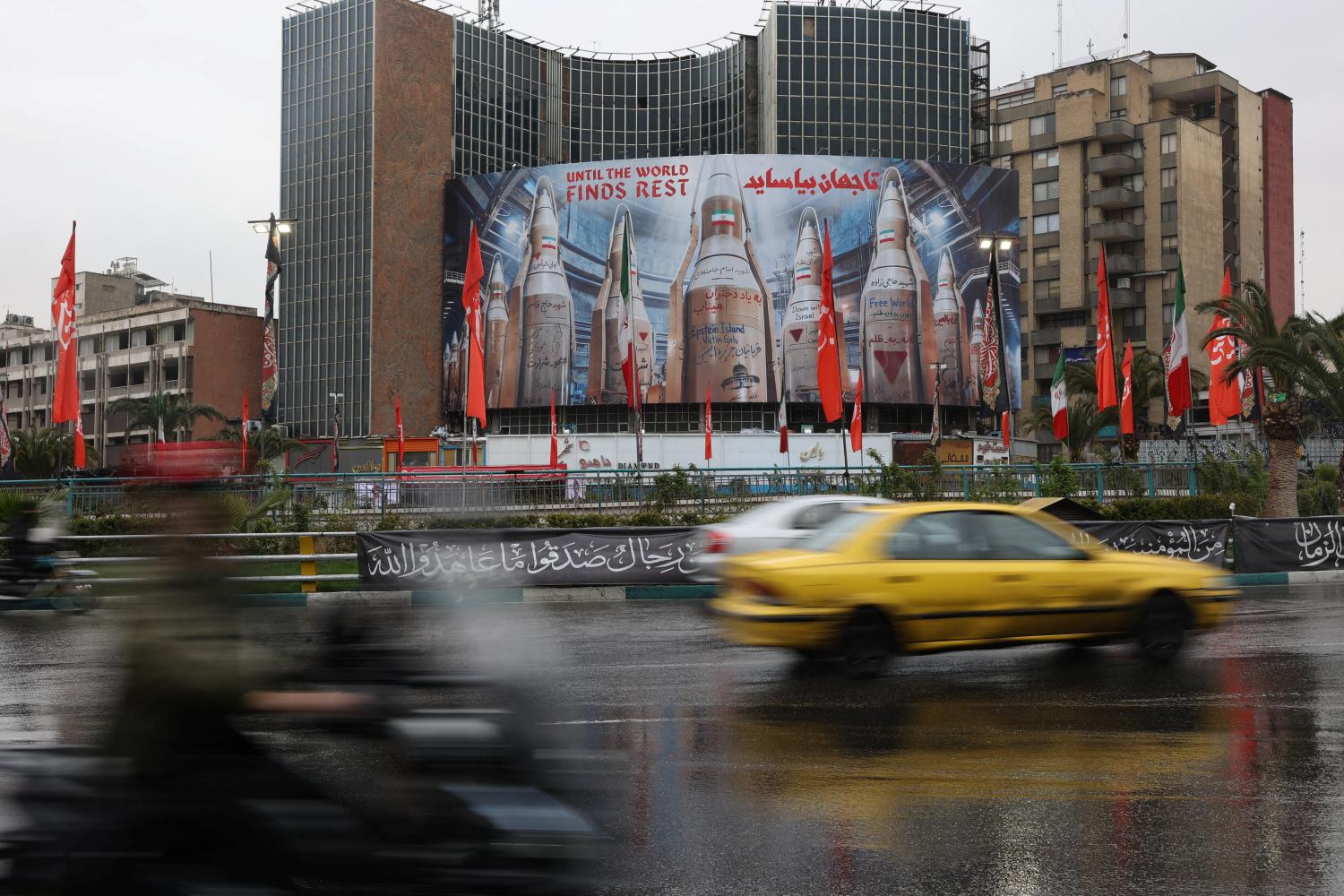
Impacts of Iran war on Southeast Asia
Oped, Thitinan Pongsudhirak, Published on 20/03/2026
» For the most part, Southeast Asia as a region has taken a neutral stance toward the joint attack between the United States and Israel against the Islamic Republic of Iran. Even the Philippines and Thailand, two formal US treaty allies, have distanced themselves, calling for restraint and de-escalation.
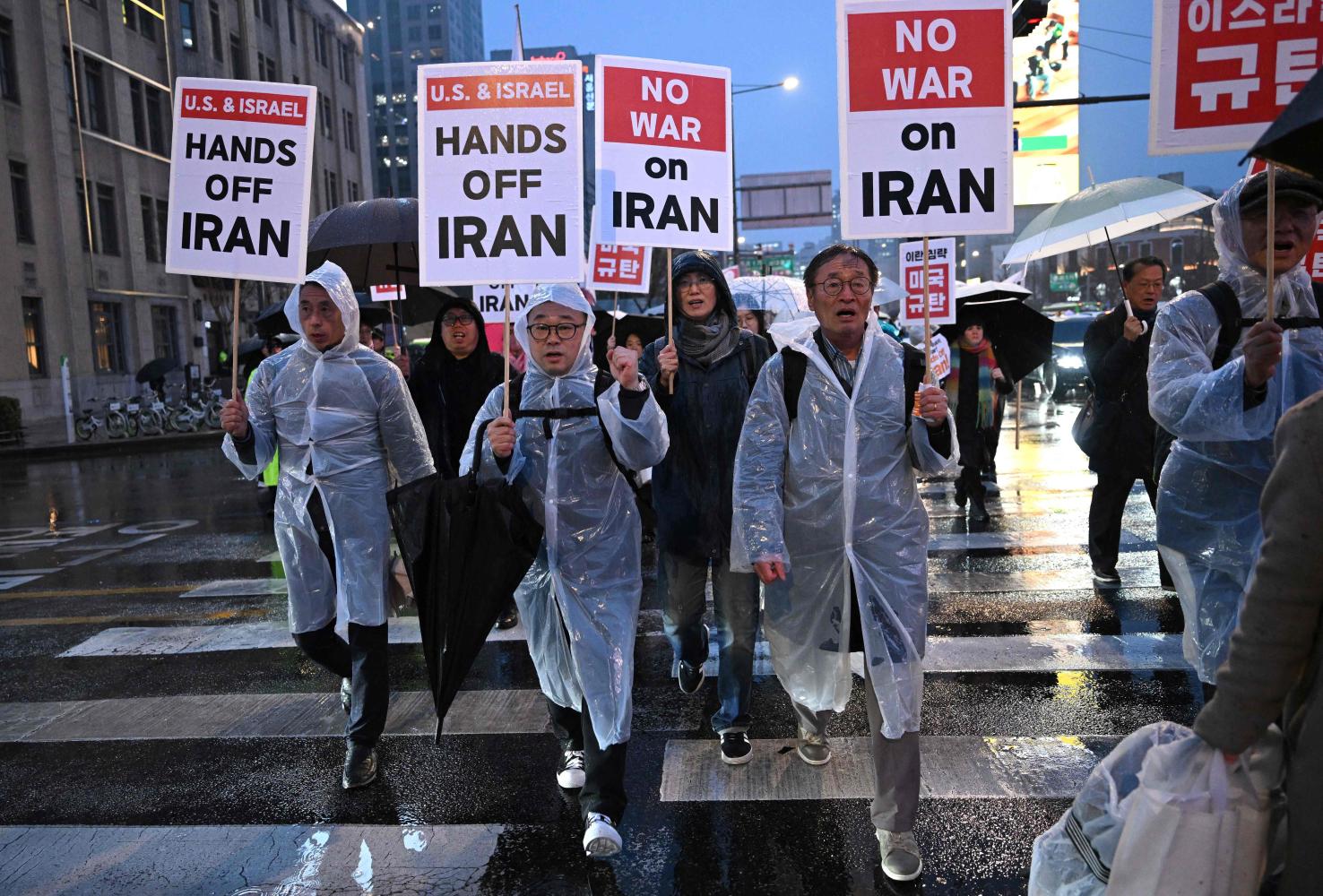
America risks grand folly in Iran war
Oped, Thitinan Pongsudhirak, Published on 06/03/2026
» It is just the first week of the joint attack between the United States and Israel on the Islamic Republic of Iran, but the repercussions from the Middle East for the Indo-Pacific are already discernible.
Southeast Asia amid the US-China rift
Oped, Thitinan Pongsudhirak, Published on 03/10/2025
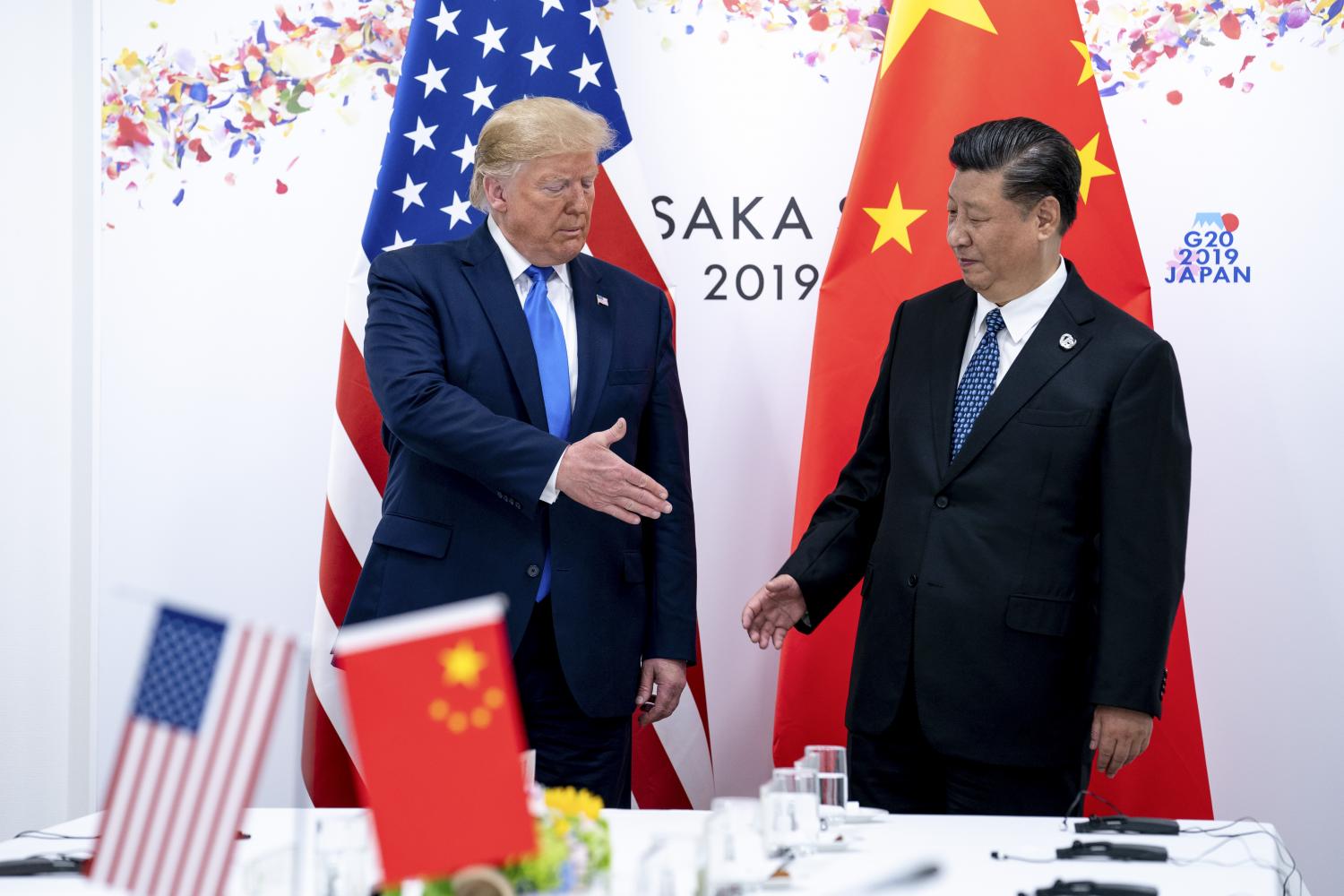
» The rivalry between the United States and China has become the defining contest of the 21st century. Barely two decades ago, Washington and Beijing were partners in prosperity. America's support for China's entry into the World Trade Organization in 2001 epitomised the high-water mark of engagement, reflecting the belief that economic integration would lead to greater political cooperation. Today, that partnership has morphed into suspicion and confrontation. Relations between the United States and China have deteriorated so swiftly that many observers now describe them as locked in a "new Cold War". The more pressing question, however, is not whether this analogy holds, but whether confrontation can be managed short of outright conflict.

The tyranny of anarchy and what to do
Oped, Thitinan Pongsudhirak, Published on 21/03/2025
» It is both exciting and alarming to be a student of international affairs as the world is being turned upside down. In just two months, the second administration of President Donald J Trump has sent shockwaves rippling through the international system as the United States pulls back from its role as leader, underwriter, and guardian of the nearly 80-year-old international order that it instrumentally constructed after WWII. In view of the US's portentous withdrawal, relative anarchy in the international system is back with a vengeance, leaving Asean members and smaller states elsewhere to fend for themselves in a self-help geostrategic environment.

What's happened to the Asian Century?
Oped, Thitinan Pongsudhirak, Published on 14/02/2025
» Until recently, the "Asian Century" seemed a compelling narrative but now it is not what it used to be. It was supposed to herald a shift in global economic power from the West to the East, driven by China's rapid rise, India's economic dynamism, and the broader development of Asia. But a quarter of the way into the 21st century, the promise of Asian dominance appears less certain. The enduring technological and economic might of the United States, coupled with its geopolitical backlash against China, has lowered expectations. While Asia remains formidable, the trajectory of global power is open and fluid, with potential dominance shifting not necessarily to any nation or region but perhaps to a non-state entity.

Myanmar's civil war after four years
Oped, Thitinan Pongsudhirak, Published on 31/01/2025
» Four years after its military coup and consequent civil war, Myanmar's spotlight in global headlines continues to dim as geostrategic reorientations and realignments among the major powers take centre stage. Dramatic and drastic foreign policy changes are afoot in the United States under the second administration of President Donald J Trump, while the European Union faces an existential threat from Russia's aggression in Ukraine, and Japan is mired in political sclerosis at home. Myanmar's fate and future will thus likely be determined by the course and outcome of its civil war, China's expanding influence in the country and Asean member states' manoeuvres to a lesser extent.

Indonesia leads Asean into Brics+
Oped, Thitinan Pongsudhirak, Published on 17/01/2025
» As the new year gets underway with the looming re-inauguration of United States President Donald J Trump, countries and entire regions are having to manoeuvre and realign in view of an accelerated breakdown of the post-Second World War rules-based liberal international order.

Trump's tariff blackmail boosts Brics
Oped, Thitinan Pongsudhirak, Published on 06/12/2024
» Even before officially taking office, United States President-elect Donald J Trump is shaking up the international system with drama and fanfare unlike any other major leader in recent memory. His most recent outburst to slap 100% tariffs on the "Brics" countries -- Brazil, Russia, India, China, and South Africa, as well as Egypt, Ethiopia, Iran and the United Arab Emirates -- is a case in point. While it will coerce developing economies to think twice about the cost of going their own way, this tariff blackmail and others like it also risk pushing smaller countries away from the US to other rival big powers, particularly China.