



Showing 1 - 10 of 12
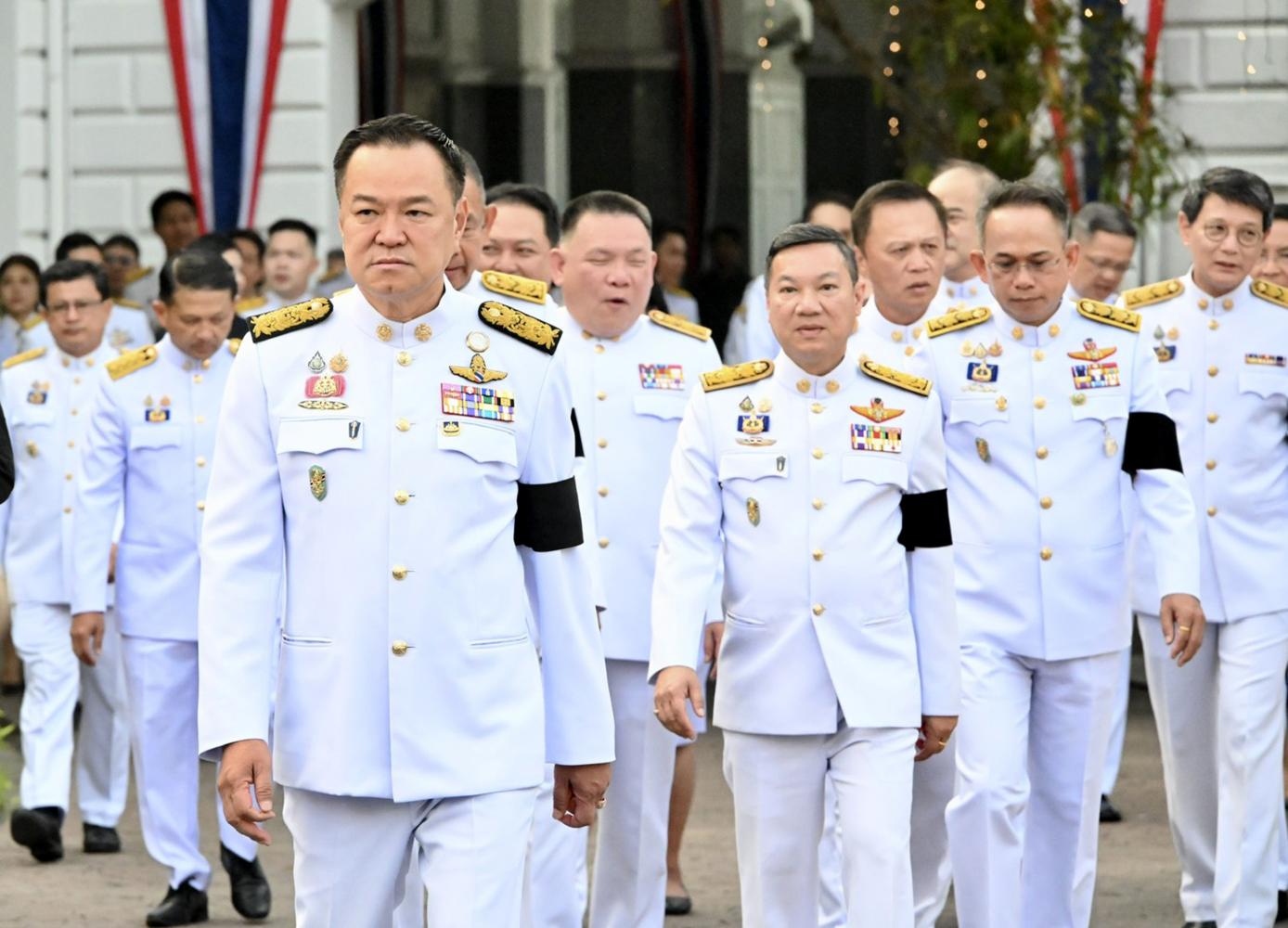
Government stability tests performance
Oped, Thitinan Pongsudhirak, Published on 03/04/2026
» Prime Minister Anutin Charnvirakul has gone from strength to strength, leveraging a stopgap minority government late last year into solid majority rule after the Feb 8 election.
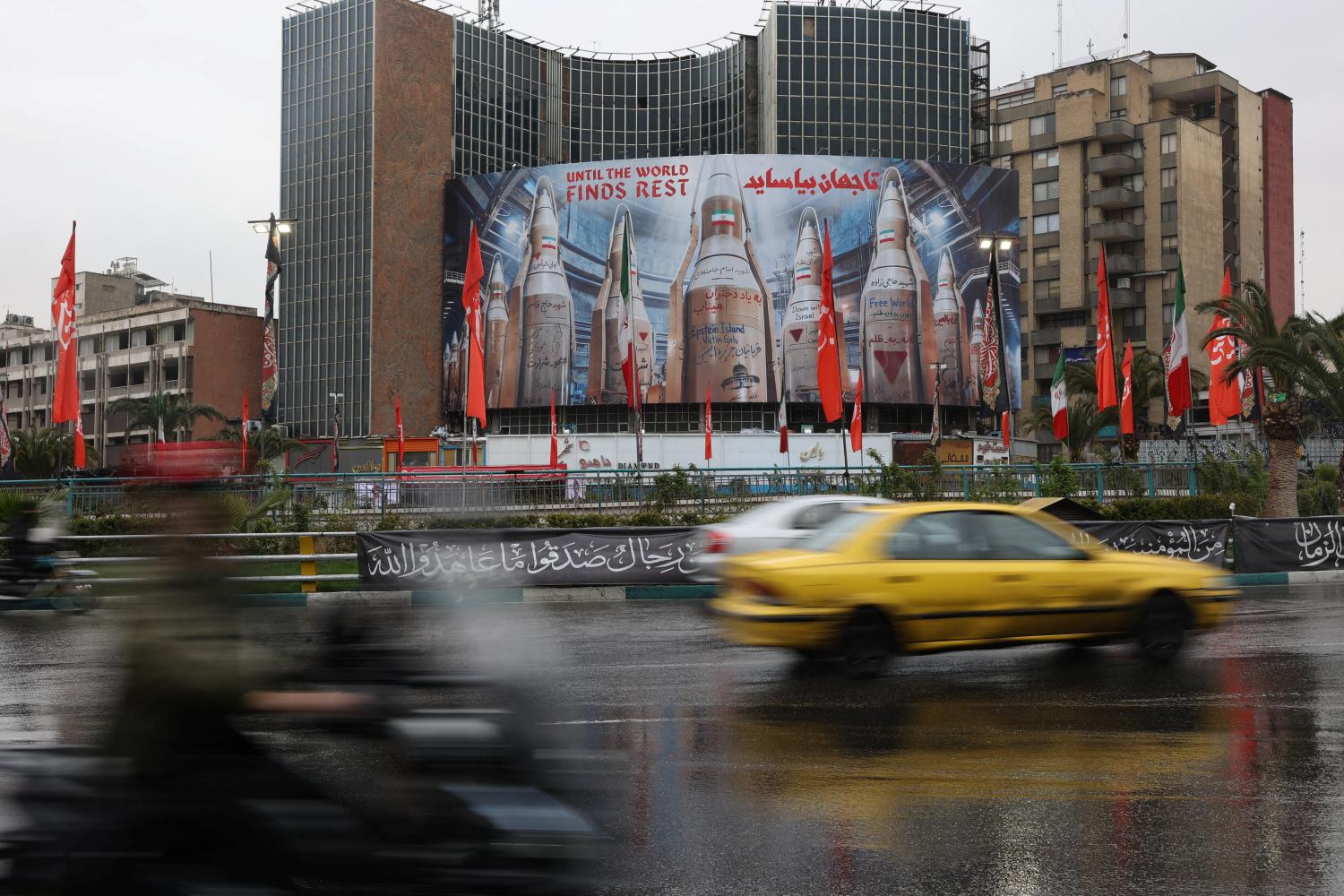
Impacts of Iran war on Southeast Asia
Oped, Thitinan Pongsudhirak, Published on 20/03/2026
» For the most part, Southeast Asia as a region has taken a neutral stance toward the joint attack between the United States and Israel against the Islamic Republic of Iran. Even the Philippines and Thailand, two formal US treaty allies, have distanced themselves, calling for restraint and de-escalation.

Trump's tariff blackmail boosts Brics
Oped, Thitinan Pongsudhirak, Published on 06/12/2024
» Even before officially taking office, United States President-elect Donald J Trump is shaking up the international system with drama and fanfare unlike any other major leader in recent memory. His most recent outburst to slap 100% tariffs on the "Brics" countries -- Brazil, Russia, India, China, and South Africa, as well as Egypt, Ethiopia, Iran and the United Arab Emirates -- is a case in point. While it will coerce developing economies to think twice about the cost of going their own way, this tariff blackmail and others like it also risk pushing smaller countries away from the US to other rival big powers, particularly China.

Thailand's central bank dependence
Oped, Thitinan Pongsudhirak, Published on 23/02/2024
» To proponents of central bank independence, the ongoing friction between Prime Minister and Finance Minister Srettha Thavisin and Bank of Thailand Governor Sethaput Suthiwartnarueput appears straightforward. The prime minister is putting unwarranted and unfair pressure on the central bank governor to spur the economy by loosening monetary policy and cutting interest rates. Yet, on closer scrutiny, the entrenched politicisation of central banking in Thailand may suggest otherwise. There is more than meets the eye in the politics of interest rate cuts.

Japan's dilemmas need bold answers
Oped, Thitinan Pongsudhirak, Published on 03/11/2023
» Among the big countries vying for power and influence in the fluid and contentious geostrategic arena, Japan faces the most daunting challenges. Most of the recognised major powers in Asia, from China and India to Indonesia and South Korea, are rising and aspiring for bigger roles and grander objectives, while Japan's place in the global pecking order has been in decline. The last time Japan had to confront such an existential threat to its place in the world may have been in the 1860s when the Western powers shook up and threatened to take over the isolated and inward-looking martial society.

Post-Covid headwinds hit the region
Oped, Thitinan Pongsudhirak, Published on 14/10/2022
» As the five economies in mainland Southeast Asia re-emerge from the Covid-19 pandemic, their prospects for recovery and return to growth and development appear challenged, characterised by deteriorating balance of payments, fiscal weaknesses, currency depreciations, and rising inflation amidst global monetary tightening and recession risks.

Cambodia and Laos in the regional mix
Oped, Thitinan Pongsudhirak, Published on 30/09/2022
» As geopolitical tensions from Russian aggression in Ukraine and the ongoing United States-China rivalry intensify, Southeast Asia will be hard-pressed to maintain peace and security. Despite their relatively small size, Cambodia and Laos are two countries whose political trajectories will shape regional outcomes. While Cambodia has consolidated domestic political power with dynamic economic expansion, Laos is looking like a regional laggard facing a deep debt crisis. As Cambodia moves forward, Laos is at risk of being left behind.

RCEP without India poses new hurdles
News, Thitinan Pongsudhirak, Published on 08/11/2019
» On the face of it, the Regional Comprehensive Economic Partnership is an Indo-Pacific trade pact that would shore up the stalled world trade liberalisation and stem the rising tide of protectionism in the global economy. India's withdrawal from the RCEP -- whose other 15 members comprise the 10 Asean economies along with China, Japan, South Korea, Australia and New Zealand -- is a major setback, posing new challenges for the Asean-centred trade bloc. Asean should persuade India to return to the RCEP fold, while preparing for a much less promising RCEP15 as second-best outcome.

Thai chairmanship ends on upbeat note
News, Thitinan Pongsudhirak, Published on 01/11/2019
» Just as Thailand's chairmanship of Asean is about to end and a flurry of Asean-related summits are about to transpire, this year has been more eventful for Southeast Asia's 10-member grouping than anticipated. Despite its domestic constraints, Thailand has managed to steer the sometimes unwieldy ship of Asean with limited propulsion and direction. If Vietnam as the next chair can build on momentum from this year, Asean might just be able to regain and reboot its role in the near term as the de facto bridge, broker and buffer for the wider Indo-Pacific region, notwithstanding its usual warts and flaws.

A trade war that is about more than trade
News, Thitinan Pongsudhirak, Published on 24/08/2018
» The most dangerous risk from the ongoing "trade war" between the United States and China is that it is not fundamentally about trade. With each tit-for-tat escalation and retaliation from both sides, what the world is witnessing is a larger struggle between two grand competitors of the 21st century, underpinned by opposing systems of socioeconomic organisation, values and ideas about global order.