



Showing 1 - 10 of 15
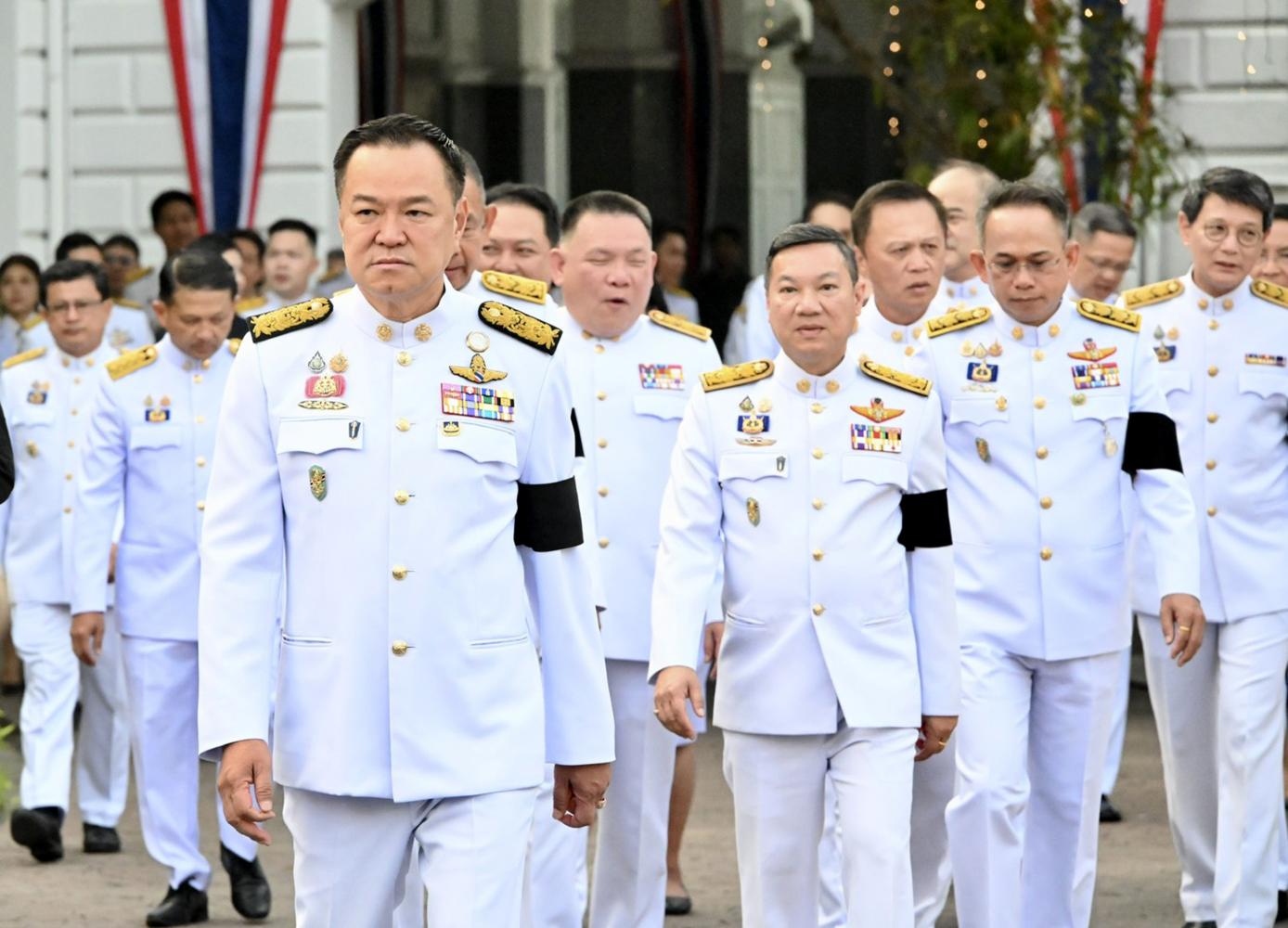
Government stability tests performance
Oped, Thitinan Pongsudhirak, Published on 03/04/2026
» Prime Minister Anutin Charnvirakul has gone from strength to strength, leveraging a stopgap minority government late last year into solid majority rule after the Feb 8 election.
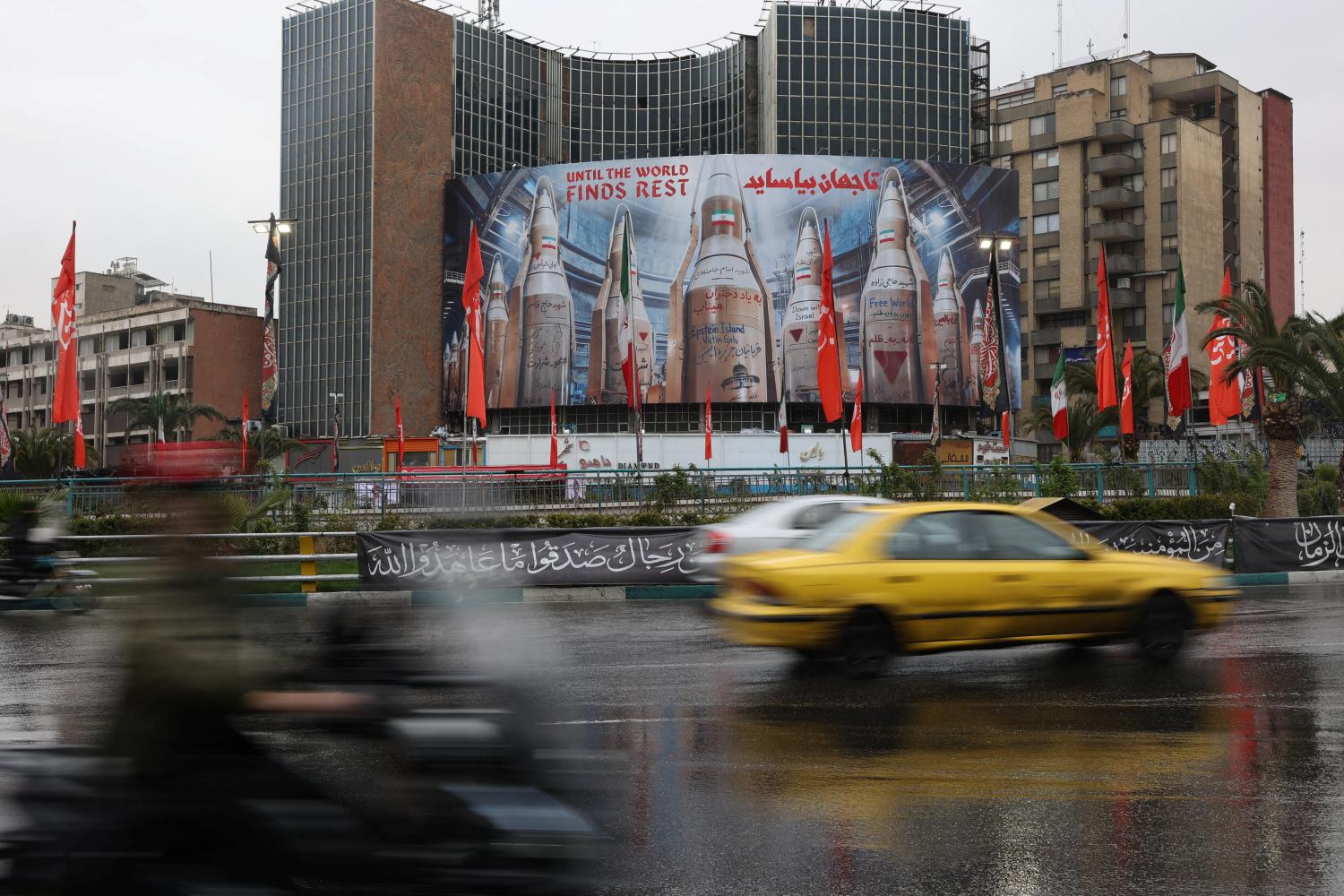
Impacts of Iran war on Southeast Asia
Oped, Thitinan Pongsudhirak, Published on 20/03/2026
» For the most part, Southeast Asia as a region has taken a neutral stance toward the joint attack between the United States and Israel against the Islamic Republic of Iran. Even the Philippines and Thailand, two formal US treaty allies, have distanced themselves, calling for restraint and de-escalation.

Thailand's central bank dependence
Oped, Thitinan Pongsudhirak, Published on 23/02/2024
» To proponents of central bank independence, the ongoing friction between Prime Minister and Finance Minister Srettha Thavisin and Bank of Thailand Governor Sethaput Suthiwartnarueput appears straightforward. The prime minister is putting unwarranted and unfair pressure on the central bank governor to spur the economy by loosening monetary policy and cutting interest rates. Yet, on closer scrutiny, the entrenched politicisation of central banking in Thailand may suggest otherwise. There is more than meets the eye in the politics of interest rate cuts.

Post-Covid headwinds hit the region
Oped, Thitinan Pongsudhirak, Published on 14/10/2022
» As the five economies in mainland Southeast Asia re-emerge from the Covid-19 pandemic, their prospects for recovery and return to growth and development appear challenged, characterised by deteriorating balance of payments, fiscal weaknesses, currency depreciations, and rising inflation amidst global monetary tightening and recession risks.

Cambodia and Laos in the regional mix
Oped, Thitinan Pongsudhirak, Published on 30/09/2022
» As geopolitical tensions from Russian aggression in Ukraine and the ongoing United States-China rivalry intensify, Southeast Asia will be hard-pressed to maintain peace and security. Despite their relatively small size, Cambodia and Laos are two countries whose political trajectories will shape regional outcomes. While Cambodia has consolidated domestic political power with dynamic economic expansion, Laos is looking like a regional laggard facing a deep debt crisis. As Cambodia moves forward, Laos is at risk of being left behind.

US shoots itself in foot over Taiwan
Oped, Thitinan Pongsudhirak, Published on 05/08/2022
» Even pro-democracy critics of China’s authoritarian ways would have to call United States House Speaker Nancy Pelosi’s visit to Taiwan an undue provocation that ended up as a lose-lose outcome for all concerned, including the 82-year-old congresswoman. Everything about it was misguided and self-indulgent, designed for domestic consumption in the US rather than regional peace and security in Asia. The US, by way of Mrs Pelosi, has unnecessarily shot itself in the foot big time, leaving regional states and societies to deal with the consequences.

Covid success coming at a heavy price
Oped, Thitinan Pongsudhirak, Published on 17/07/2020
» It was a matter of time before the government of Prime Minister Prayut Chan-o-cha became a victim of its own misguided success in handling the coronavirus pandemic. By presiding over a public mindset of "zero" local virus infections, the government raised unrealistic expectations at a high price. The fiasco that transpired in Rayong last week, when an infected Egyptian air force official was allowed to roam in a shopping mall and thereby fuelled fears of "second wave" infections, should serve as a wake-up call for an overdue change in virus-fighting strategy.

Moral dilemmas of handling the virus
Oped, Thitinan Pongsudhirak, Published on 03/04/2020
» It is hard to calibrate a commensurate response to the coronavirus (Covid-19) pandemic. Owing to the lack of accurate and reliable information, a media feeding frenzy and the mass psychology of fear, the choice has become all or nothing, not much in between. Individuals, societies and states worldwide are now incentivised to overdo it and err on the side of caution, being safe rather than sorry. This means that the likelihood of "overshooting" with Covid responses is likely to heighten in the foreseeable future in view of morally unacceptable alternatives.

RCEP without India poses new hurdles
News, Thitinan Pongsudhirak, Published on 08/11/2019
» On the face of it, the Regional Comprehensive Economic Partnership is an Indo-Pacific trade pact that would shore up the stalled world trade liberalisation and stem the rising tide of protectionism in the global economy. India's withdrawal from the RCEP -- whose other 15 members comprise the 10 Asean economies along with China, Japan, South Korea, Australia and New Zealand -- is a major setback, posing new challenges for the Asean-centred trade bloc. Asean should persuade India to return to the RCEP fold, while preparing for a much less promising RCEP15 as second-best outcome.

Developing by managing demographics
News, Thitinan Pongsudhirak, Published on 27/09/2019
» Once upon a time, it was feared that the earth would become overcrowded and its inhabitants unable to find enough to eat. This fear has not only proved unfounded but it has gone in the opposite direction. What almost every nation fears now is a decline in inhabitants as the birth rate cannot keep up with the longevity of the aged and elderly, imposing unsustainable burdens on working-age segments of the population. Every region is afflicted with this demographic predicament, especially in affluent societies where the birth rate decline is acute, such as Japan.