



Showing 1 - 10 of 90
The gist of Thai politics over 20 years
Oped, Thitinan Pongsudhirak, Published on 20/02/2026
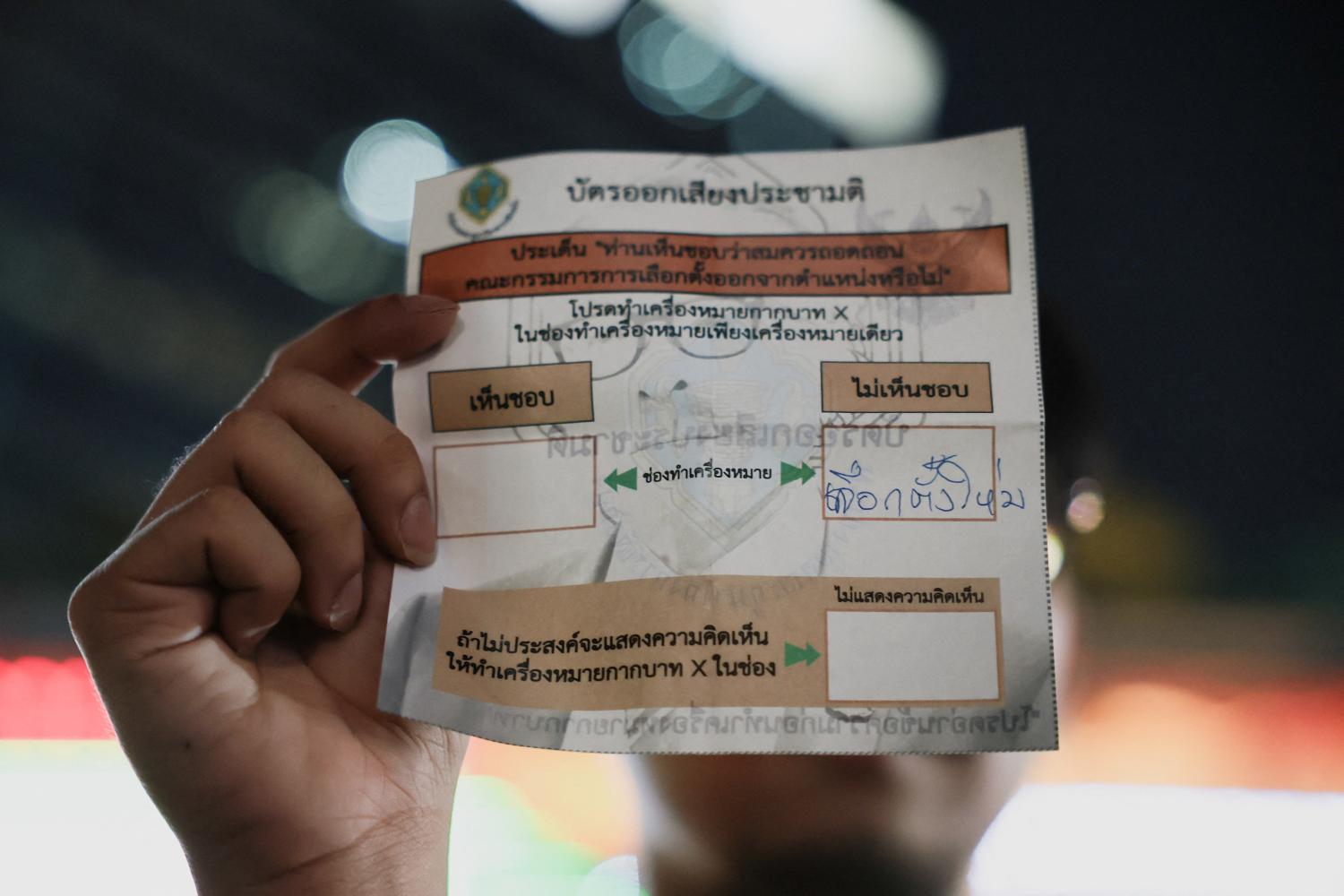
» Thailand's democratic institutions have been repressed and kept weak to the point that confusion still prevails almost two weeks after the Feb 8 election, which purportedly showed a clear victory for the ruling Bhumjaithai (BJT) Party under Prime Minister Anutin Charnvirakul. On the one hand, Mr Anutin and BJT stalwarts are busy forming a coalition government with other parties. On the other hand, fraud allegations from civil society groups and the opposition People's Party have reached a critical mass with the plausibility that the recent vote might be nullified to pave the way for a new poll.
Implications of conservative triumph
Oped, Thitinan Pongsudhirak, Published on 13/02/2026
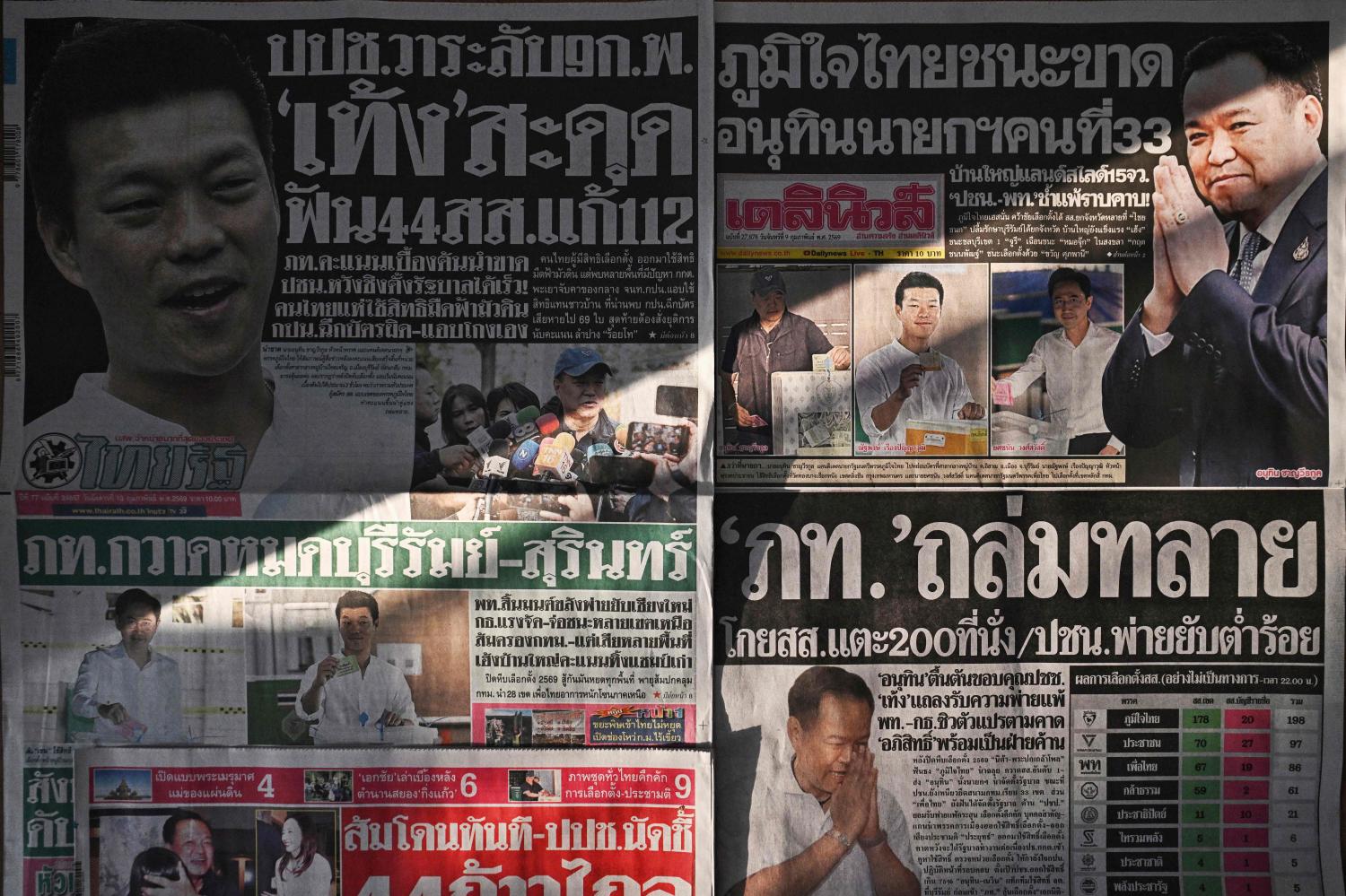
» The incumbent and conservative Bhumjaithai (BJT) Party has surprisingly swept Thailand's Feb 8 election with a commanding win. With the previously poll-leading and progressive People's Party (PP) coming in a distant second, Thailand appears headed for a conservative coalition government revolving around BJT and like-minded junior partners. Known for its conservative stance and being pro-status quo, it would not be surprising if the BJT-led coalition government, led by Prime Minister-elect Anutin Charnvirakul, were not challenged by the Constitutional Court, the Election Commission, and other supervisory agencies, which have derailed and dissolved reform-minded winning parties in the past.
Trump's 'America First' in overdrive
News, Thitinan Pongsudhirak, Published on 23/01/2026
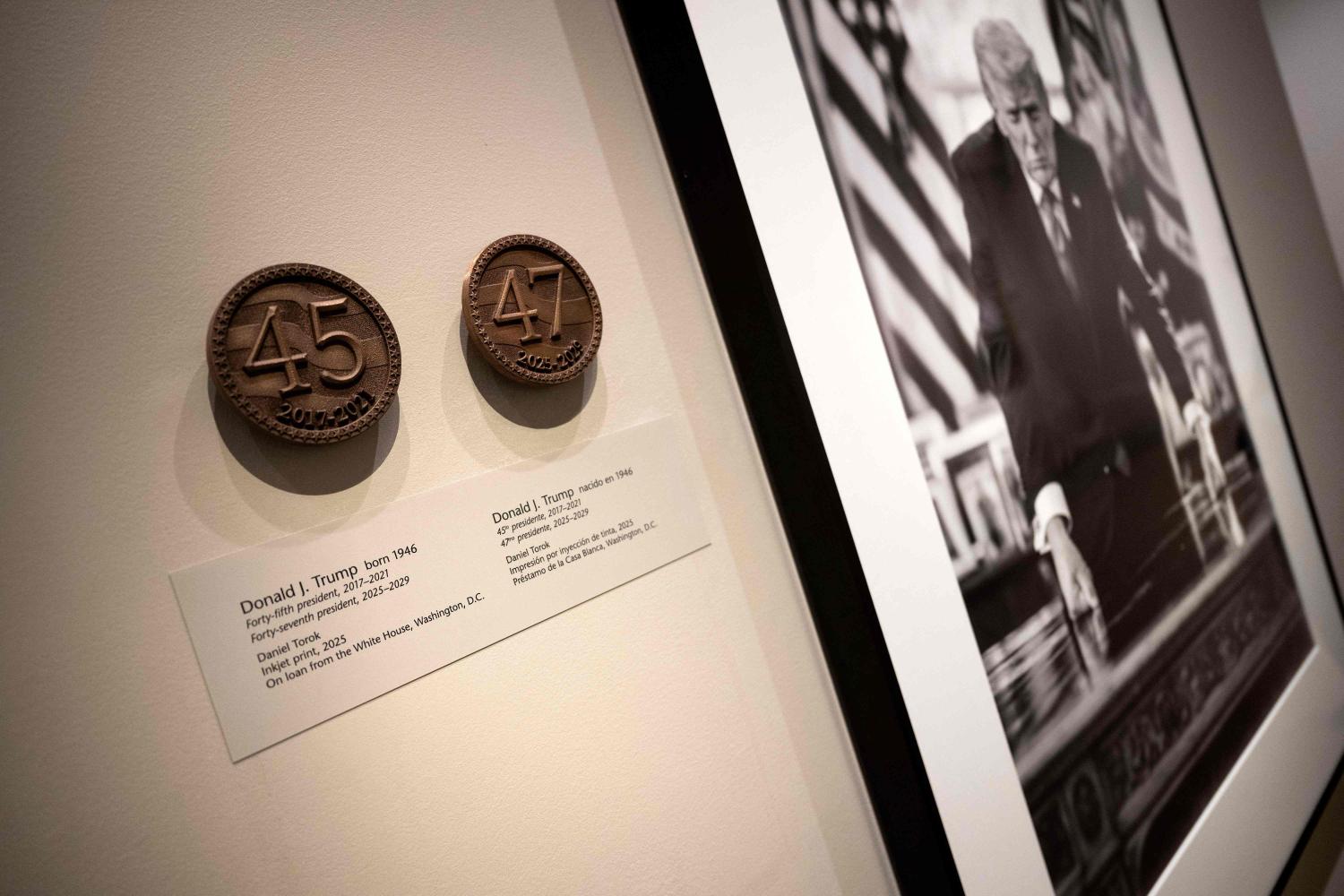
» President Donald Trump's extraterritorial capture of Venezuelan President Nicolas Maduro and his wife on cocaine-trafficking and terrorism-related charges earlier this month and repeated demand to take over Greenland at the World Economic Forum this week are part and parcel of a belligerent and transformative "America First" paradigm that dates back at least four decades.
Thailand's political trajectory in 2026
Oped, Thitinan Pongsudhirak, Published on 09/01/2026
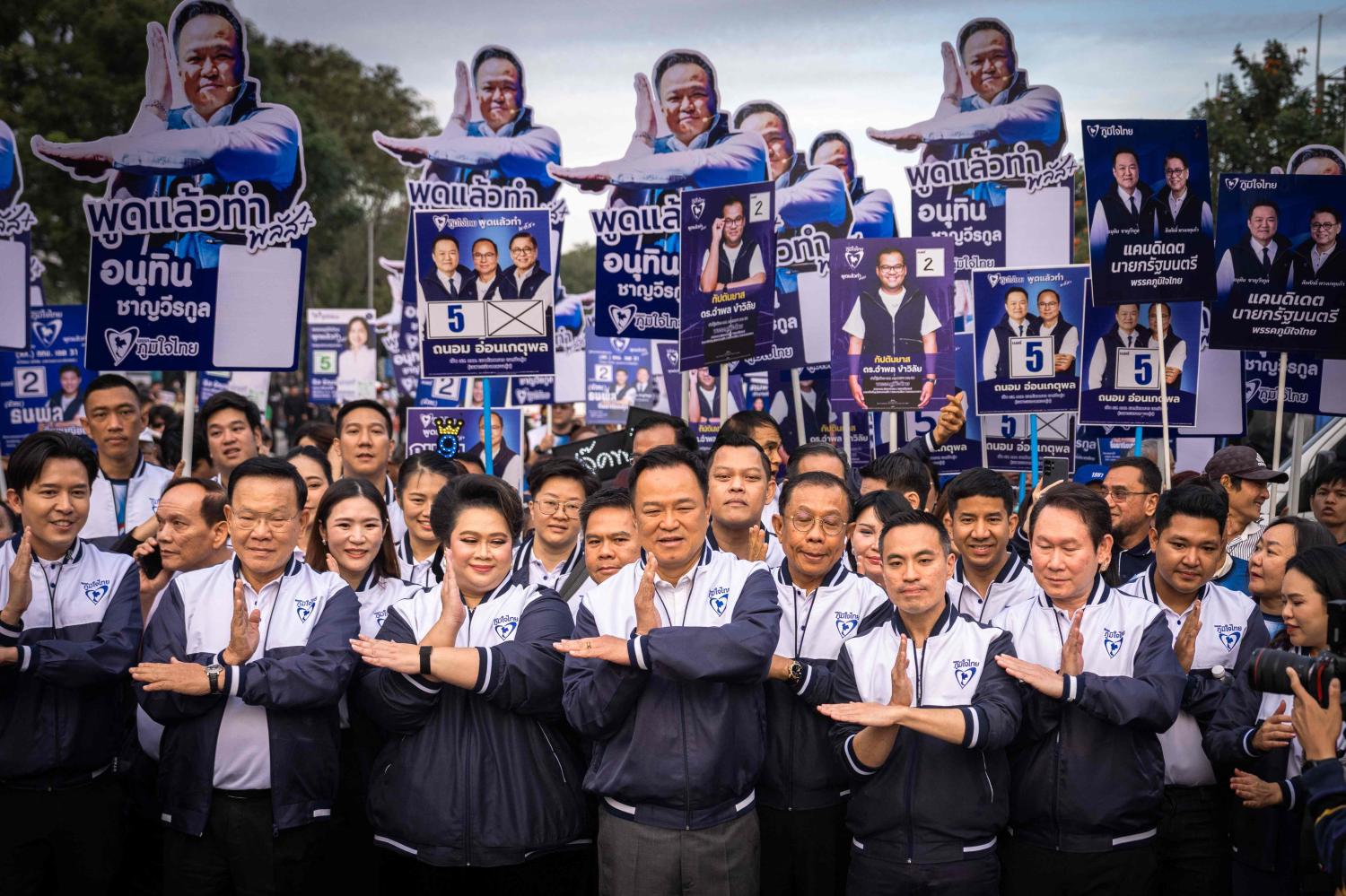
» What happens in Thai politics this year and the immediate horizon will be determined by the upcoming election on Feb 8. While contesting political parties are in full campaign mode, the contemporary history of Thai polls so far in the 21st century is not encouraging. Only once in the past 25 years have voting results went the way they were meant to, in accordance with the popular will. Whether the vote in four weeks will follow the same pattern will depend on whether the conservative establishment gets its preferred outcome.
'Scam-gate' deserves full accounting
Oped, Thitinan Pongsudhirak, Published on 24/10/2025
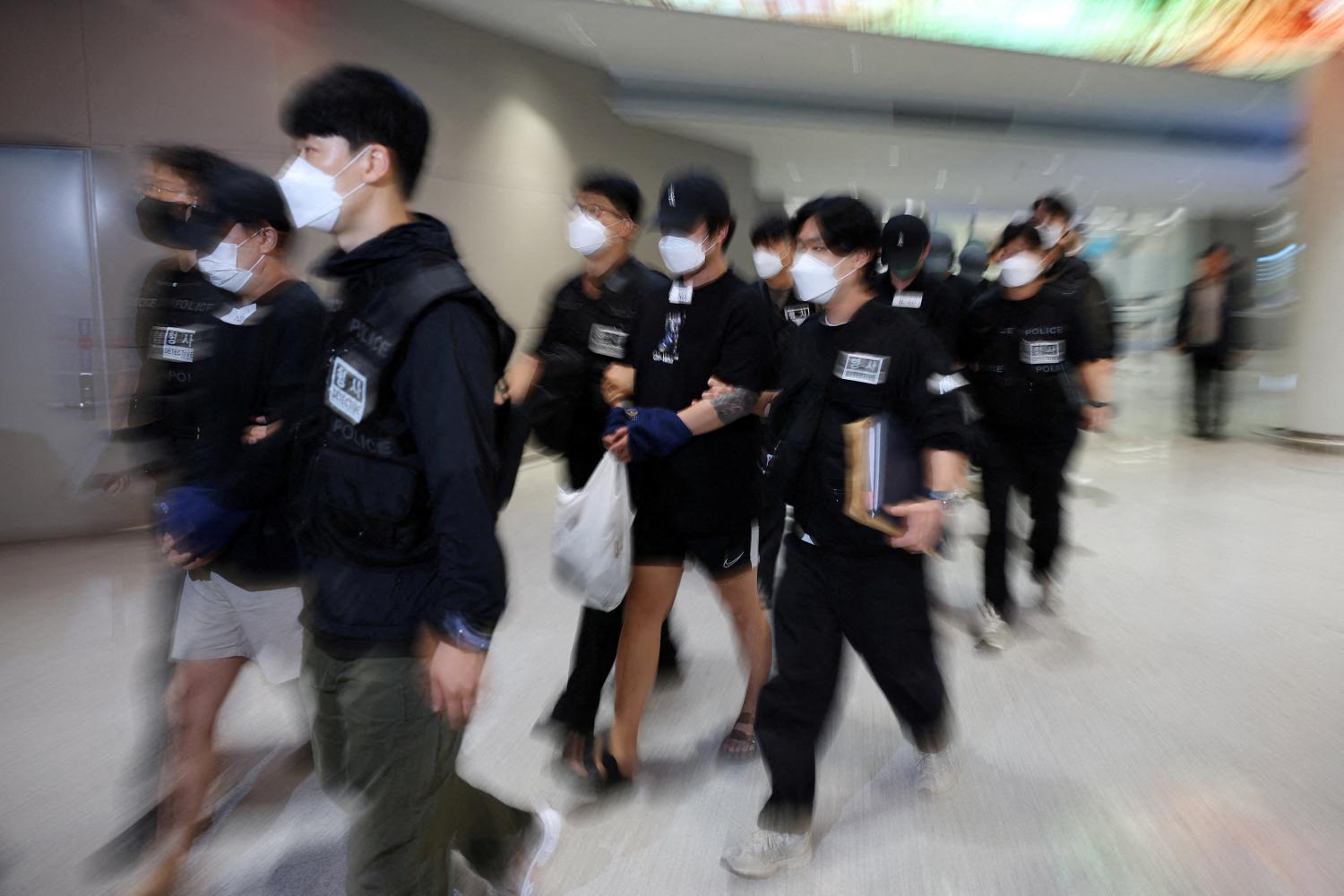
» The explosive revelations and allegations of regional cybercrimes and scam networks have hit Thailand head-on and placed the government of Prime Minister Anutin Charnvirakul in an awkward and defensive position. As more facts surrounding what looks like a labyrinthine cross-border multibillion-dollar transnational criminal ring come to light, more questions have surfaced with no clear answers. The Anutin government needs to come clean and avoid a "scam-gate" of cover-ups and lies at the expense of countless scammed victims across many countries.
Southeast Asia amid the US-China rift
Oped, Thitinan Pongsudhirak, Published on 03/10/2025
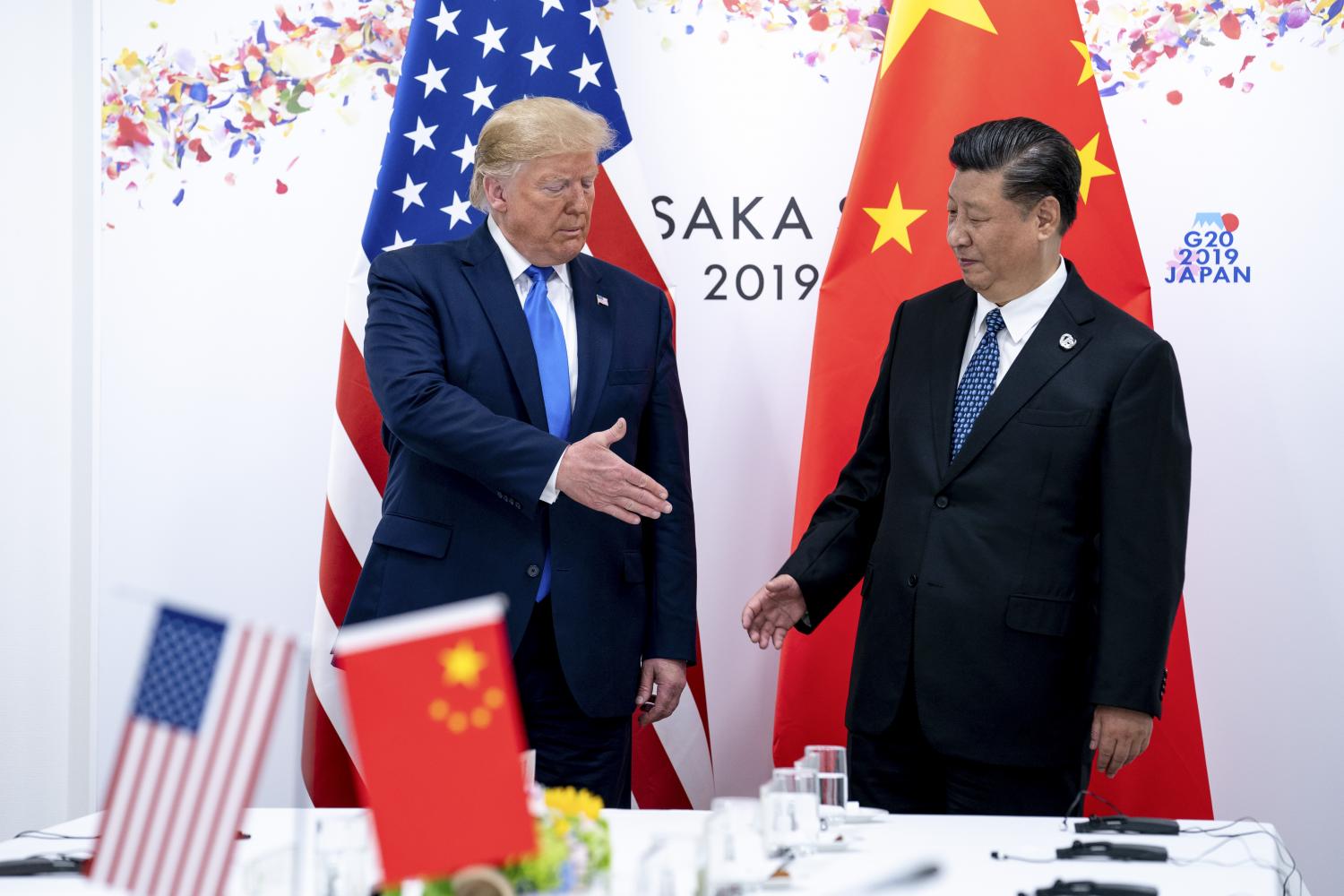
» The rivalry between the United States and China has become the defining contest of the 21st century. Barely two decades ago, Washington and Beijing were partners in prosperity. America's support for China's entry into the World Trade Organization in 2001 epitomised the high-water mark of engagement, reflecting the belief that economic integration would lead to greater political cooperation. Today, that partnership has morphed into suspicion and confrontation. Relations between the United States and China have deteriorated so swiftly that many observers now describe them as locked in a "new Cold War". The more pressing question, however, is not whether this analogy holds, but whether confrontation can be managed short of outright conflict.

Singapore turns 60 with much to show
Oped, Thitinan Pongsudhirak, Published on 08/08/2025
» No country turns 60 like Singapore. In a neighbourhood of political dynasties and varying shades of autocracies and flawed democracies, the little island state of six million got lucky with its strongman rule. When he died in 2015, Singapore's patriarchal founder Lee Kuan Yew left a great country behind. This weekend, Singaporeans can take stock of what's gone by and rightly celebrate its milestone with much to show for.

Signs and symptoms of Thai stagnation
Oped, Thitinan Pongsudhirak, Published on 18/07/2025
» That Thailand is faring poorly in the world is no longer in dispute. Not so long ago, many were in denial and adamant that Thailand could still bring a good game to engage abroad, that "Teflon" Thailand could bounce back. Now, just about all indicators are pointing south. The causes of this country's decline and stagnation are not singular but multifaceted over a two-decade period. As Thailand's situation is likely to worsen before hopes for a better future can arise, it is instructive to start counting the costs.

A perilous era of absolute advantage
News, Thitinan Pongsudhirak, Published on 25/04/2025
» If a date had to be pinpointed, the post-Second World War international system came to an unmistakable end on April 2 -- the so-called "Liberation Day" -- when US President Donald Trump announced comprehensive "reciprocal" tariffs to a bewildered global audience. The blatantly protectionist move was equivalent to the United States' abrogation and abandonment of the rules-based international order that it ironically and instrumentally constructed and upheld over nearly eight decades. What comes now is a dangerous era of absolute advantage in global trade, investment, and finance, bent on unilateralism over multilateralism, competition over cooperation, nationalism over interdependence, and the singular quest to dominate and reshape the global pecking order under the rubric of making America "great again".

The tyranny of anarchy and what to do
Oped, Thitinan Pongsudhirak, Published on 21/03/2025
» It is both exciting and alarming to be a student of international affairs as the world is being turned upside down. In just two months, the second administration of President Donald J Trump has sent shockwaves rippling through the international system as the United States pulls back from its role as leader, underwriter, and guardian of the nearly 80-year-old international order that it instrumentally constructed after WWII. In view of the US's portentous withdrawal, relative anarchy in the international system is back with a vengeance, leaving Asean members and smaller states elsewhere to fend for themselves in a self-help geostrategic environment.