



Showing 1 - 10 of 17

Domestic drivers of bilateral conflict
News, Thitinan Pongsudhirak, Published on 19/12/2025
» The latest flare-up and intensification of the armed conflict between Thailand and Cambodia should be understood less as a new crisis and more as a resumption of a bilateral clash that erupted in late July.

Singapore turns 60 with much to show
Oped, Thitinan Pongsudhirak, Published on 08/08/2025
» No country turns 60 like Singapore. In a neighbourhood of political dynasties and varying shades of autocracies and flawed democracies, the little island state of six million got lucky with its strongman rule. When he died in 2015, Singapore's patriarchal founder Lee Kuan Yew left a great country behind. This weekend, Singaporeans can take stock of what's gone by and rightly celebrate its milestone with much to show for.
Two wasted decades in Thai politics
Oped, Thitinan Pongsudhirak, Published on 20/12/2024
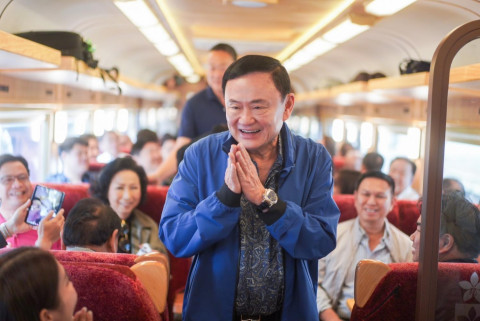
» Now that Thaksin Shinawatra appears actively back in Thai politics, it is demoralising to look back at Thailand's wasted time and opportunities. Once a promising country on the way from democratic transition to consolidation in the late 1990s, Thailand has become semi-autocratic, and its rocky political trajectory over the past two decades is now structural. The traditional institutions of power that grew out of the Cold War have been calling the shots in earlier decades and are just unwilling to let the country move forward in the immediate years ahead.
The fault line that polarises Thai politics
Oped, Thitinan Pongsudhirak, Published on 07/04/2023
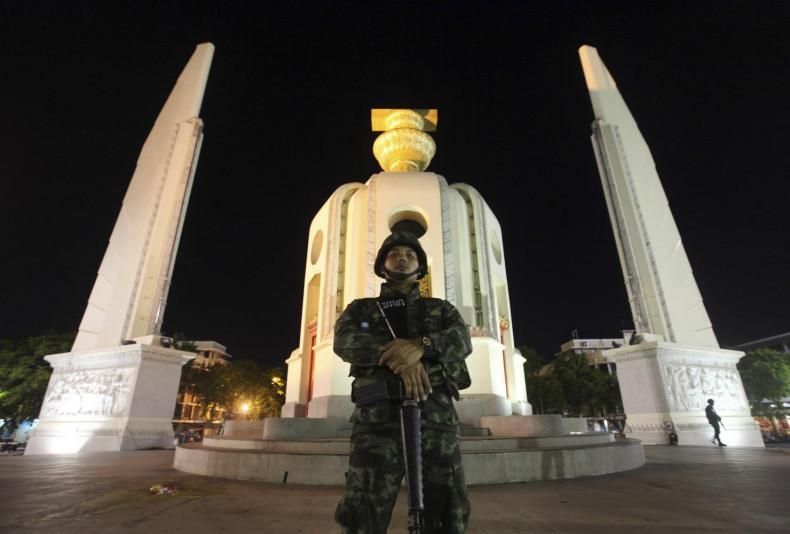
» With all of Thailand's contesting political parties lined up behind populist policy platforms ahead of the general election on May 14, it is not readily obvious what sets them apart.
The local politics of Thai soft power
Oped, Thitinan Pongsudhirak, Published on 29/04/2022
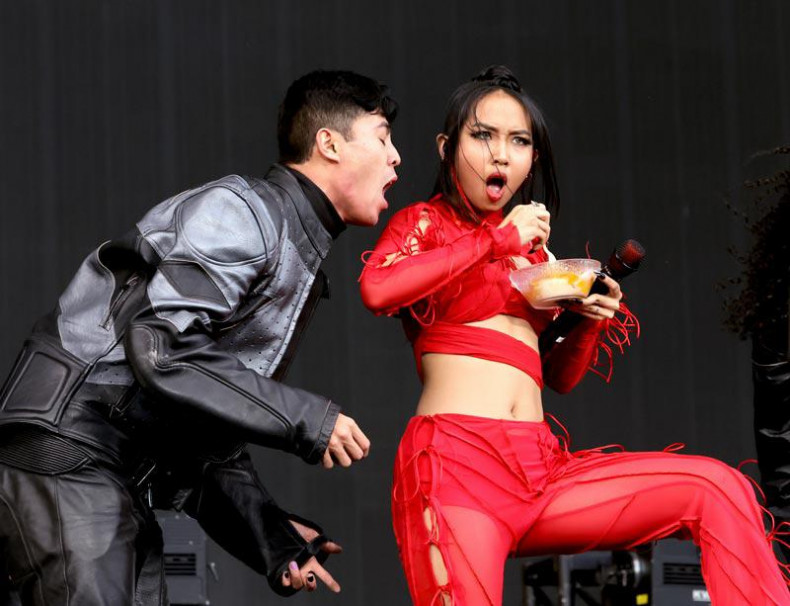
» It was yet another passing storm in Thailand's overflowing teacup. The overnight sensation of 19-year-old rapper Danupha "Milli" Khanatheerakul at the recent Coachella Music Festival in the United States has shaken Thailand to its core foundations and revealed much that is still right and all that is wrong with this country. At issue are the ramifications from her global showcase of Thailand's sticky rice and ripe mango on the Coachella stage in view of her talent and political standing against the local conservative establishment.
Where have the media reformers gone?
Oped, Thitinan Pongsudhirak, Published on 18/02/2022
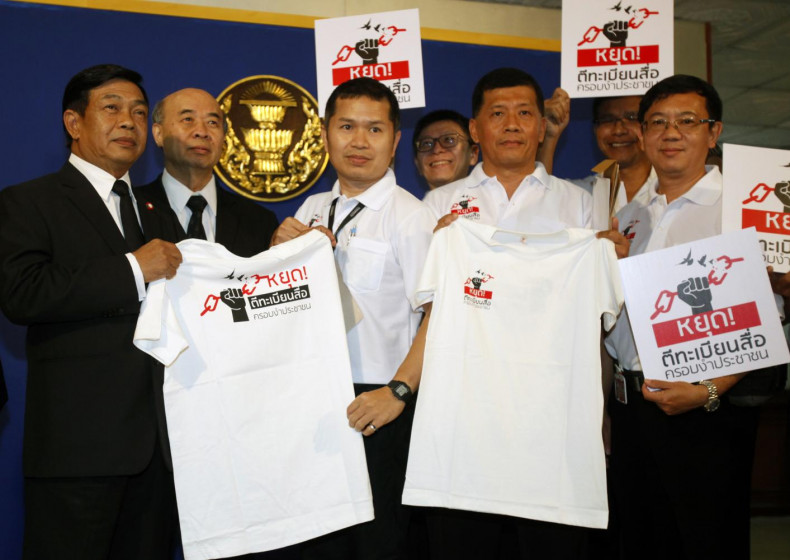
» After two decades marked by two military coups in 2006 and 2014, Thailand is supposed to be a "reformed" country by now. While all kinds of reforms were promised with each military takeover -- from political parties, parliament and constitution to the bureaucracy, military and police -- none has taken place. In fact, pledged reforms have gone in the opposite direction in the past. Nowhere is this reaction and restoration of old power and interests more evident than in Thailand's media industry.
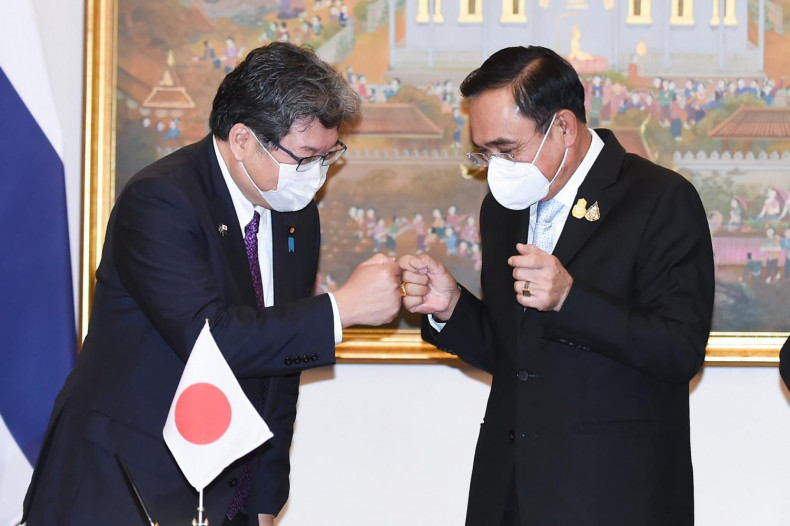
Japan's post-Covid regional dilemma
Oped, Thitinan Pongsudhirak, Published on 21/01/2022
» Among the major powers that are moving forward with an eye on the post-pandemic era, when Covid-19 will eventually become an endemic with flu-like manageability, Japan is second to none. The visit last week by its minister of economy, trade, and industry (METI), Koichi Hagiuda, made front-page news in Bangkok, following similarly notable media coverage in Jakarta and Singapore. But while it has played a critical role in Asean's economic development and regional security, Japan's Indo-Pacific geostrategic environment has become adverse with more downside risks.

The trade-off: Freedom and authority
Oped, Thitinan Pongsudhirak, Published on 17/09/2021
» Freedom is a funny thing. In excess, it leads to complacency and devaluation. In scarcity, it brings about urgency and desperation. Put this way, nowhere is freedom more taxed and toyed with than in the United States of America, a country that has so much going for it and yet is so conflicted within.
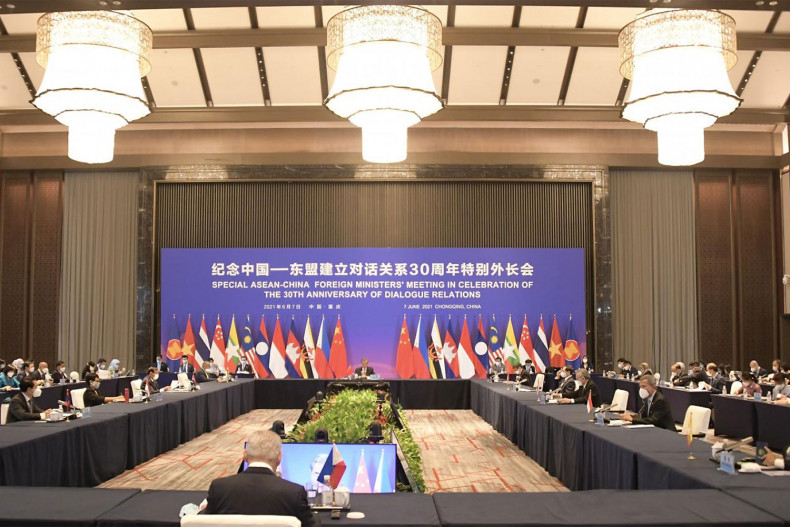
China's way with a divided, inert Asean
Oped, Thitinan Pongsudhirak, Published on 18/06/2021
» The recent Asean-China foreign ministers' meeting early this month in Chongqing was crucial for its timing and circumstances. Co-chaired by Chinese Foreign Minister Wang Yi and Philippine Foreign Secretary Teodoro Locsin, it was the first "in-person" meeting among foreign ministers of both sides since the Covid-19 period began early last year.

Regional vaccine approach is imperative
Oped, Thitinan Pongsudhirak, Published on 14/05/2021
» As vaccine diplomacy thrives and vaccine nationalism rears its head, it has become clear that the ideal global solution to the collective action problem of the coronavirus pandemic is for all countries to put their eggs in the same basket. If all countries are forced to rely on the global vaccine alliances' and the World Health Organization's Covid-19 Global Vaccines Access (Covax) plan, whereby any vaccine for one means an available antidote for all, the post-pandemic recovery would arrive faster and smoother with more promising prospects. But short of the ideal solution, the global health system is largely based on self-help, each country mapping its own plan for recovery with a mix of procurement strategies.