



Showing 1 - 6 of 6
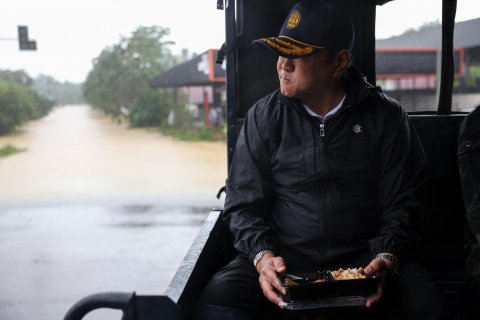
Thailand hit by a confluence of crises
Oped, Thitinan Pongsudhirak, Published on 05/12/2025
» Thailand is currently facing multiple crises of unprecedented proportions in the highest corridors of power that will pose adversity for the economy and political stability next year and beyond.

Indonesia leads Asean into Brics+
Oped, Thitinan Pongsudhirak, Published on 17/01/2025
» As the new year gets underway with the looming re-inauguration of United States President Donald J Trump, countries and entire regions are having to manoeuvre and realign in view of an accelerated breakdown of the post-Second World War rules-based liberal international order.

The tide of history shifts in Thai politics
Oped, Thitinan Pongsudhirak, Published on 02/06/2023
» Notwithstanding the ongoing political shenanigans by appointed agencies to shape final outcomes after the May 14 poll, Thailand already will never be the same again. The Move Forward Party's (MFP) victory as the largest winning side, with 151 out of 500 parliamentary seats, is profound but not unprecedented. Together with the Pheu Thai Party's 141 MPs, these two opposition parties are unwittingly sending a message to each other and to the broader political establishment that the curve of Thai history is shifting tectonically. Failing to grasp and adjust to this evolving tide of history could marginalise Pheu Thai and challenge the establishment to its core foundations.
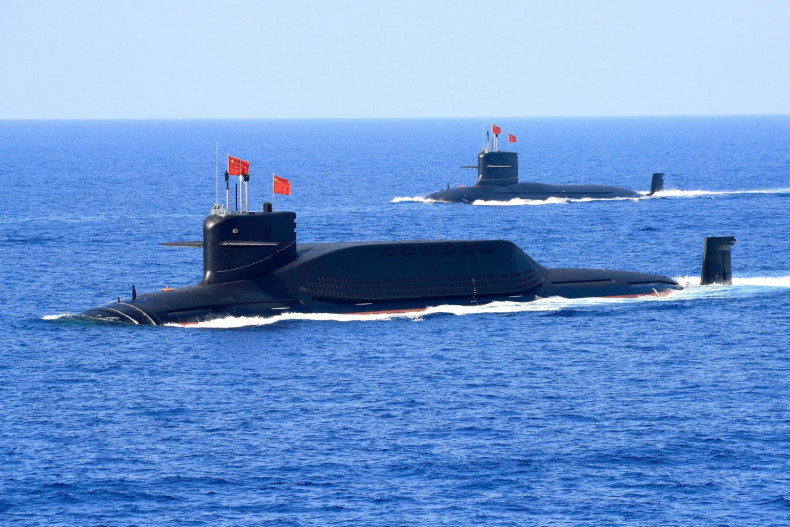
Aukus poses challenges to other powers
Oped, Thitinan Pongsudhirak, Published on 15/10/2021
» The Australia-United Kingdom-United States (Aukus) security pact has caused ripple effects across oceans and continents. Not only will the trilateral security partnership provoke China, but it will likely further divide Southeast Asia and overshadow Asean-centred cooperative vehicles, such as the East Asia Summit. Beyond these concerns, the Aukus deal to share Anglo-American nuclear technology to enable Australia's acquisition of eight nuclear-powered submarines over two decades poses challenges to other major powers, particularly the European Union and its key members as well as Japan.
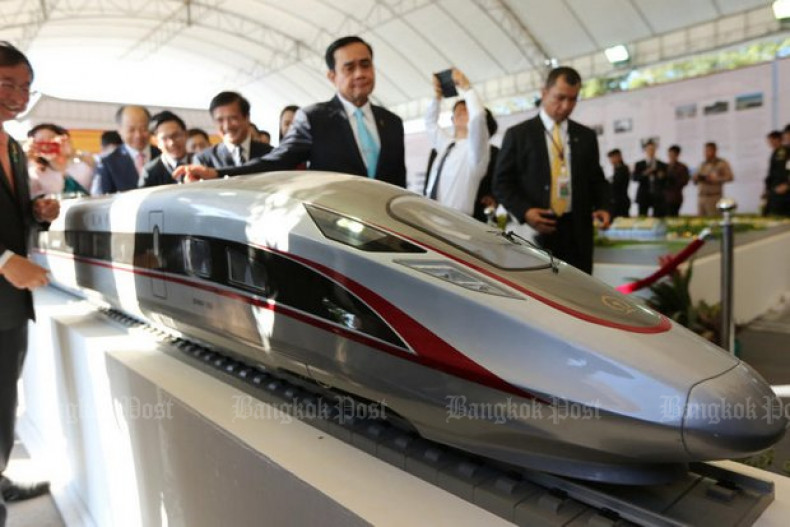
China's Belt & Road needs to listen more
News, Thitinan Pongsudhirak, Published on 30/11/2018
» In the aftermath of a tense Asean-led summit season, it is clear now that the United States and China are engaged in a great-power competition not seen since the Cold War. The US-China trade war, irrespective of negotiated talks in Buenos Aires between President Donald Trump and President Xi Jinping, is set to deteriorate over the next two years and probably longer. The two superpowers may have fundamental and structural differences that cannot be resolved without a sweeping deal that realigns their geopolitical status and geoeconomic interests in a way that is acceptable to both, an unlikely prospect. So the confrontation will likely intensify.
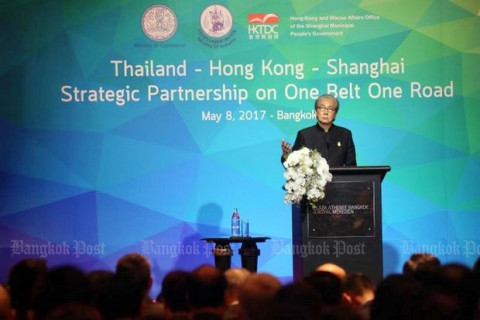
China's Belt & Road impact on Thailand
News, Thitinan Pongsudhirak, Published on 28/09/2018
» As China's ambitious Silk Road Economic Belt (SREB) and Maritime Silk Road (MSR) -- popularly known as the Belt and Road Initiative, or BRI -- continues to make ripples and waves in international affairs, its likely impact on mainland Southeast Asia warrants attention. Unlike many of the countries on the Eurasian landmass and along waterways from the South China Sea through the Indian Ocean to eastern Africa, Thailand and its immediate neighbours are not directly on the BRI path.