



Showing 1 - 8 of 8
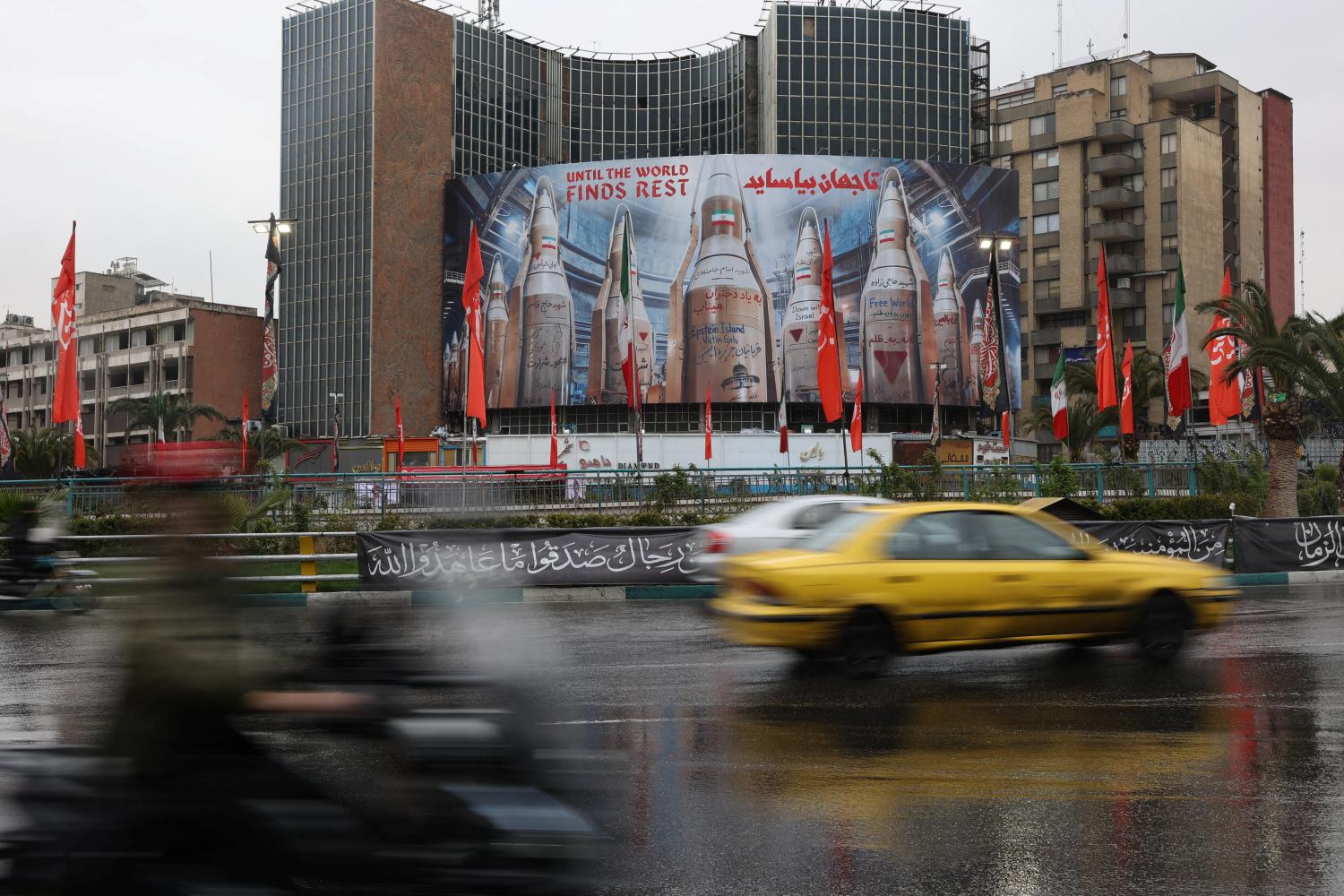
Impacts of Iran war on Southeast Asia
Oped, Thitinan Pongsudhirak, Published on 20/03/2026
» For the most part, Southeast Asia as a region has taken a neutral stance toward the joint attack between the United States and Israel against the Islamic Republic of Iran. Even the Philippines and Thailand, two formal US treaty allies, have distanced themselves, calling for restraint and de-escalation.

Thai sovereignty is not for abuse
Oped, Thitinan Pongsudhirak, Published on 28/10/2022
» Thailand's dramatic and damaging shift in position towards Russia's aggression in Ukraine raises myriad questions with few answers -- none holding any water.

Domestic drivers of superpower rivalry
Oped, Thitinan Pongsudhirak, Published on 10/07/2020
» The coronavirus pandemic is fundamentally global but its impact is mainly local because of the international system of state sovereignty, borders and divergent national interests. What is needed to cope with, contain and overcome the pandemic is more international cooperation and coordination. But we are seeing less international efforts to fight the virus together and more self-help where every nation fends for itself. The upshot from this fractured and fragmented international system during Covid-19 is the primacy of domestic determinants of international outcomes. Nowhere is this reality clearer than the competition and confrontation between the United States and China.

Undue politicisation at finance and BoT
Oped, Thitinan Pongsudhirak, Published on 03/07/2020
» Thailand's economic growth projections continue to head south as the coronavirus crisis unfolds in the second half of the year. In its most recent forecast, the Bank of Thailand anticipates a sharp contraction of 8.1% this year, worse than the 5.3% it predicted in March. Downside macroeconomic risks are substantial as the Covid-19 pandemic could still degenerate and cause further global health and economic havoc. In this dire environment, Thailand will need steady and seasoned hands to oversee macroeconomic levers. Yet both the finance ministry portfolio and the BoT governorship now face uncertainty and potential politicisation that bode ill for effective and autonomous fiscal and monetary policies.

Thailand's strategic path is rudderless
News, Thitinan Pongsudhirak, Published on 19/06/2020
» As the coronavirus pandemic continues to wreak havoc worldwide, domestic tension and pressure will compel three broad responses from the various afflicted countries. First, these countries may react to virus-induced domestic challenges by blaming and taking it out on outsiders. Alternatively, they may be so preoccupied at home that they become marginalised abroad. In other instances, countries that have coped effectively with Covid-19 will be able to regain their footing faster and move on sooner as the rest of the pack remains bogged down in acrimony and discord.

Virus risks versus economic imperatives
Oped, Thitinan Pongsudhirak, Published on 08/05/2020
» The coronavirus pandemic requires responding governments to be agile and quick on their feet, learning by doing and constantly reevaluating their policy mix. What was needed a month or two ago may need to be recalibrated this week for the immediate future in a moving balance of risks and objectives. For Thailand, the balance between public health safety and economic reality has been lost. The Centre for Covid-19 Situation Administration (CCSA) risks becoming a victim of its own success. This means the government of Prime Minister Prayut Chan-o-cha should now be listening to economists and social workers a little more than epidemiologists and medical doctors as Thailand's virus-fighting priorities shift with twists and turns.

Misguided myopia of asking the rich
Oped, Thitinan Pongsudhirak, Published on 24/04/2020
» Prime Minister Prayut Chan-o-cha's initiative to seek more cooperation and assistance from Thailand's 20 wealthiest billionaires is understandable. Thailand needs all the help it can get to handle and manage the social and economic ravages of the coronavirus (Covid-19) crisis. But making an appeal in writing from the top to the country's richest is short-sighted and misguided on many levels. It displays a government at the end of its tether and a leader who is being forced to own up to mismanaging the country for the past six years.

Asean must unite to resolve Covid-19
News, Thitinan Pongsudhirak, Published on 27/03/2020
» As the Covid-19 pandemic runs its course and wreaks havoc worldwide, the numbers look bleak. Nearly 500,000 people have been infected, and more than 21,000 had died as of Thursday. The international system has reverted to every country for itself, as borders have gone up and globalisation has come down. The world as we knew it is unlikely to be the same, but regions as they were remain relevant. Here, Asean, as Southeast Asia's regional bloc, must face up to the crisis together or risk being torn apart by it.