



Showing 1 - 10 of 92
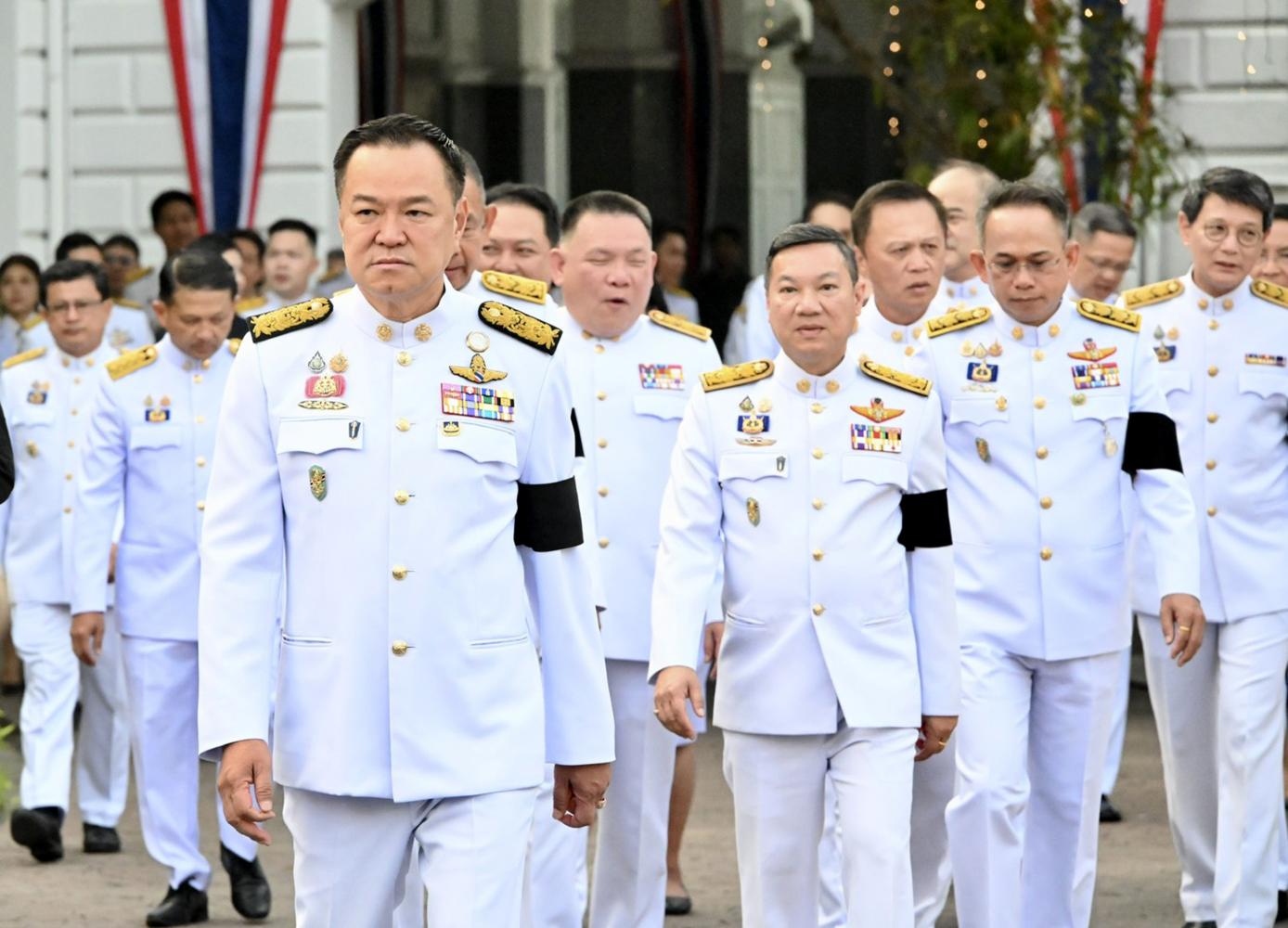
Government stability tests performance
Oped, Thitinan Pongsudhirak, Published on 03/04/2026
» Prime Minister Anutin Charnvirakul has gone from strength to strength, leveraging a stopgap minority government late last year into solid majority rule after the Feb 8 election.
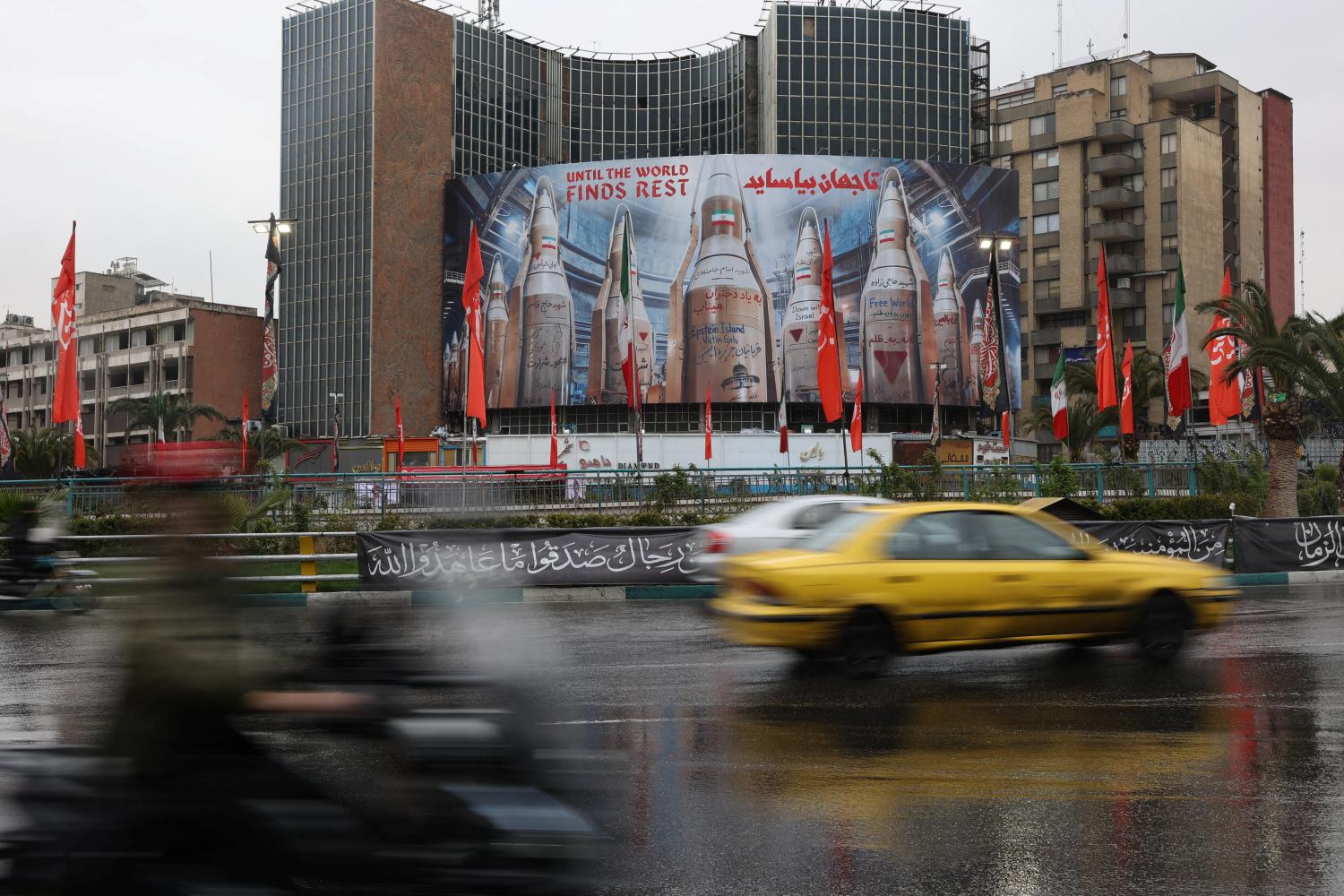
Impacts of Iran war on Southeast Asia
Oped, Thitinan Pongsudhirak, Published on 20/03/2026
» For the most part, Southeast Asia as a region has taken a neutral stance toward the joint attack between the United States and Israel against the Islamic Republic of Iran. Even the Philippines and Thailand, two formal US treaty allies, have distanced themselves, calling for restraint and de-escalation.
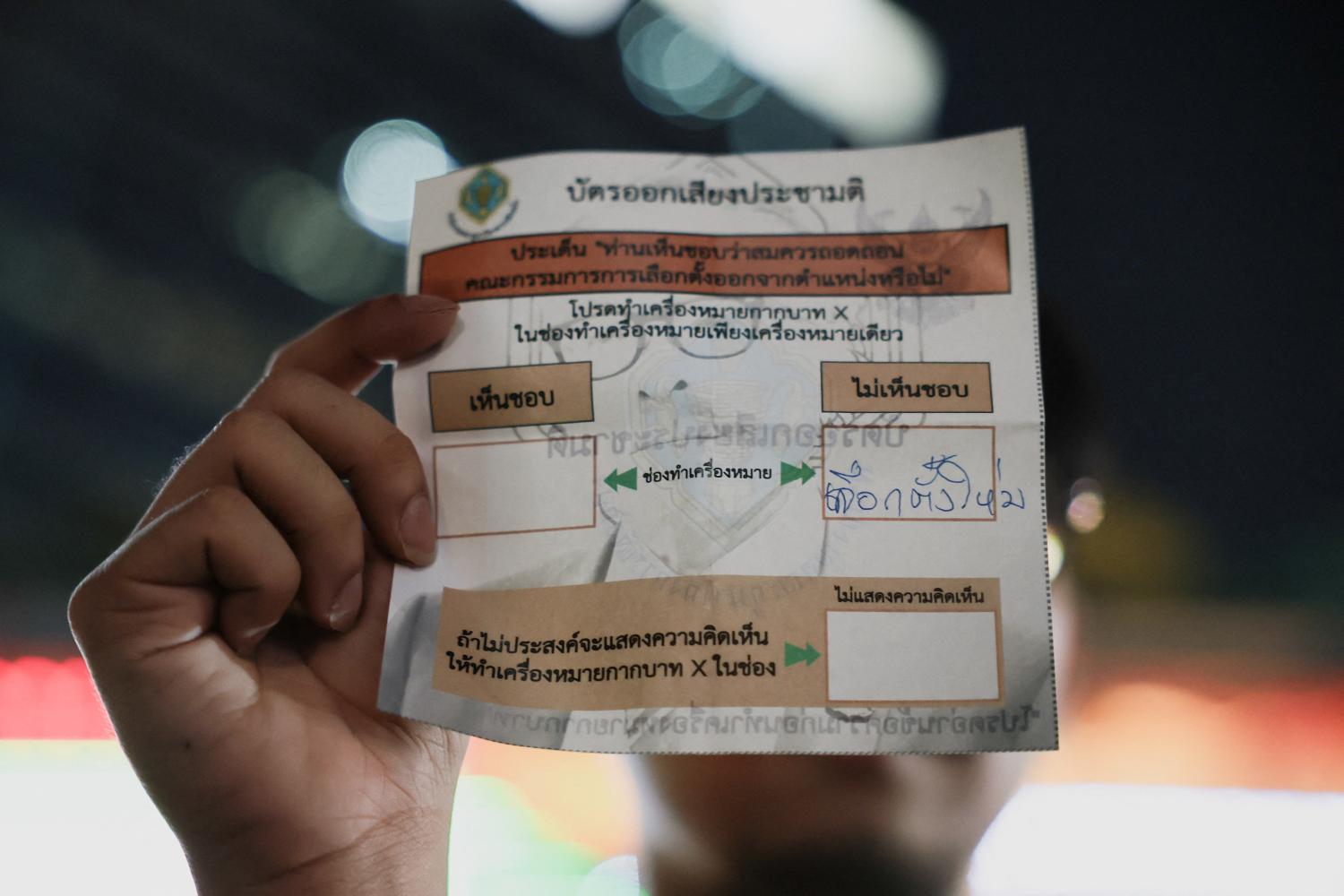
The gist of Thai politics over 20 years
Oped, Thitinan Pongsudhirak, Published on 20/02/2026
» Thailand's democratic institutions have been repressed and kept weak to the point that confusion still prevails almost two weeks after the Feb 8 election, which purportedly showed a clear victory for the ruling Bhumjaithai (BJT) Party under Prime Minister Anutin Charnvirakul. On the one hand, Mr Anutin and BJT stalwarts are busy forming a coalition government with other parties. On the other hand, fraud allegations from civil society groups and the opposition People's Party have reached a critical mass with the plausibility that the recent vote might be nullified to pave the way for a new poll.
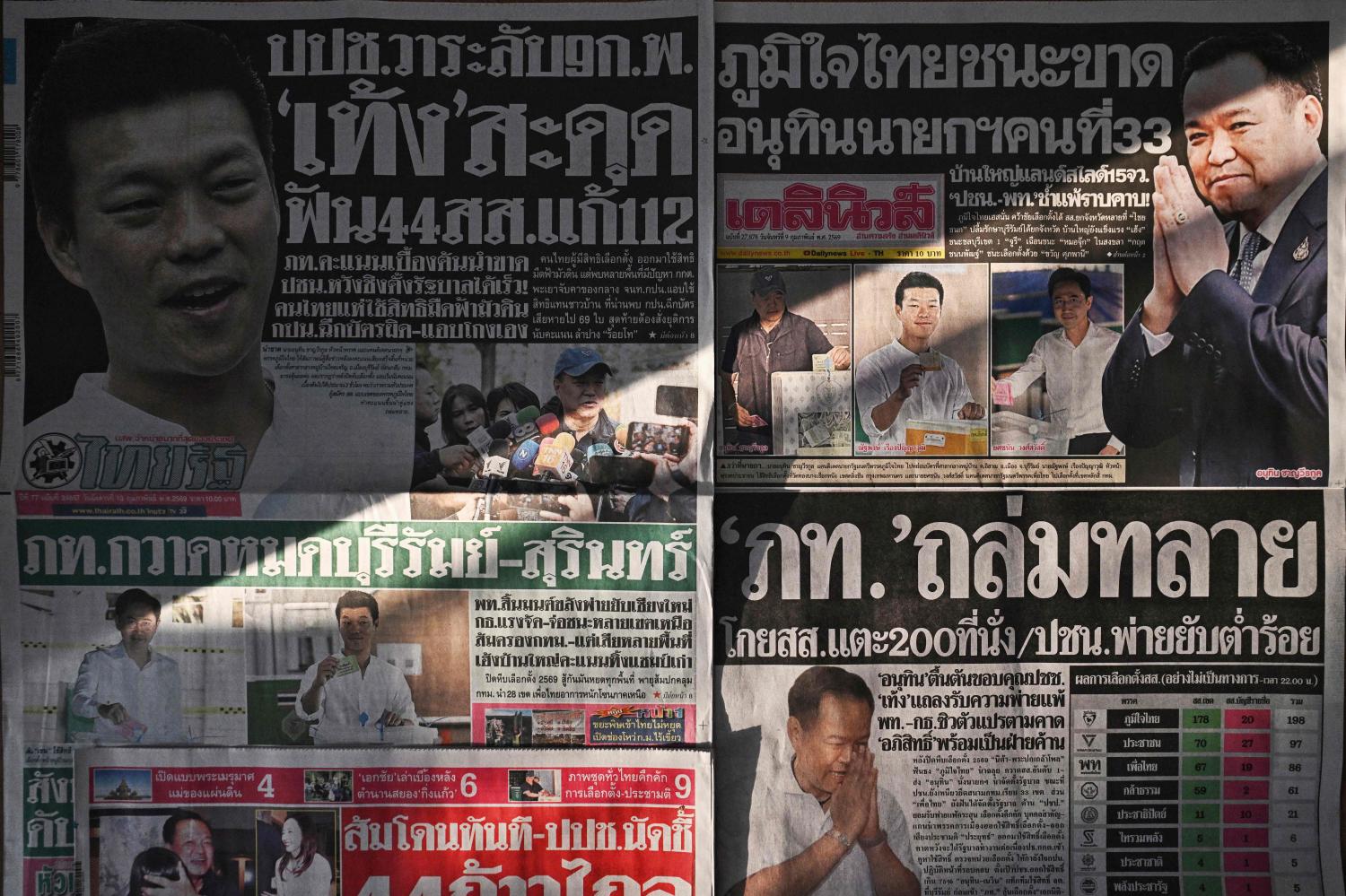
Implications of conservative triumph
Oped, Thitinan Pongsudhirak, Published on 13/02/2026
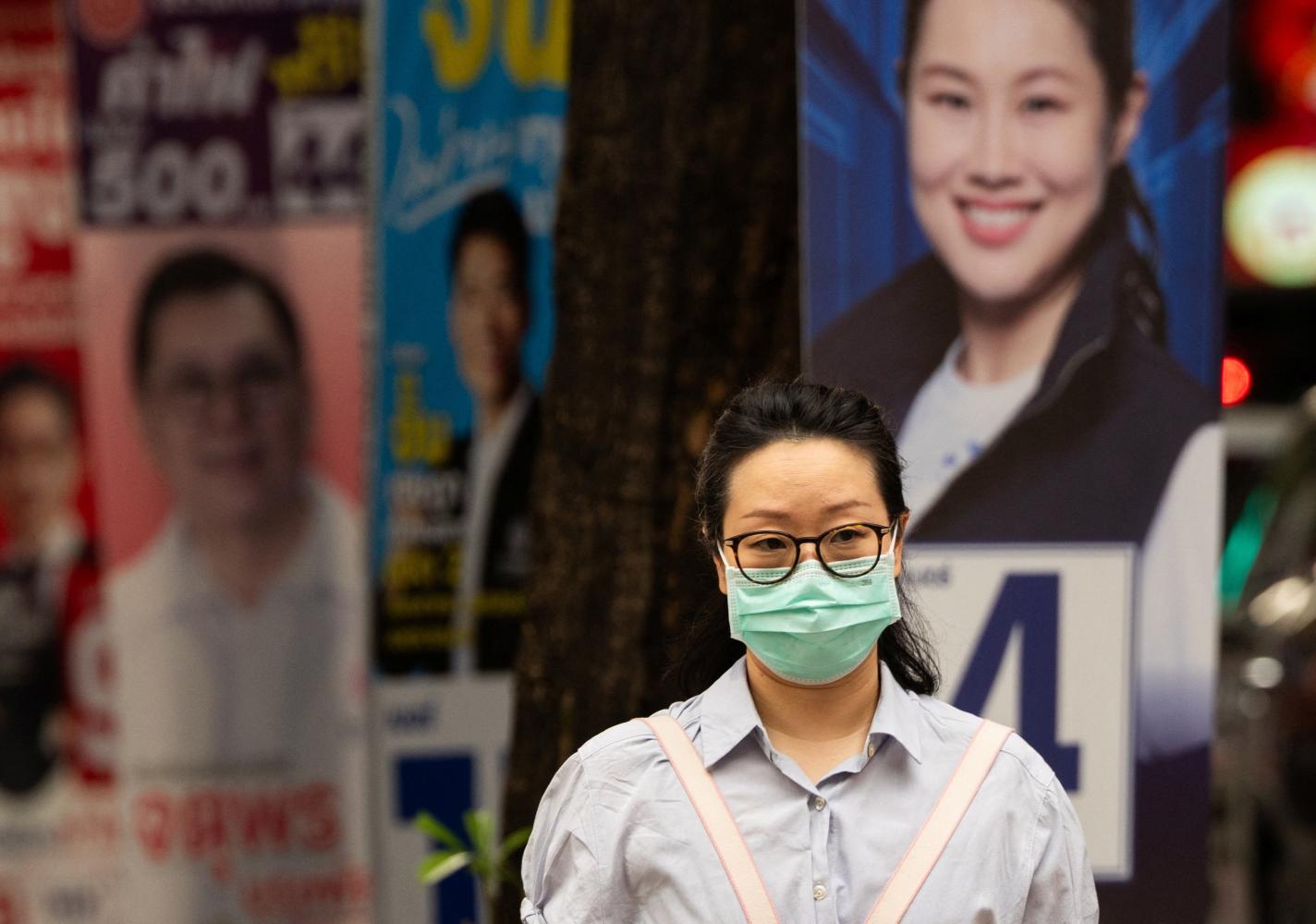
» The incumbent and conservative Bhumjaithai (BJT) Party has surprisingly swept Thailand's Feb 8 election with a commanding win. With the previously poll-leading and progressive People's Party (PP) coming in a distant second, Thailand appears headed for a conservative coalition government revolving around BJT and like-minded junior partners. Known for its conservative stance and being pro-status quo, it would not be surprising if the BJT-led coalition government, led by Prime Minister-elect Anutin Charnvirakul, were not challenged by the Constitutional Court, the Election Commission, and other supervisory agencies, which have derailed and dissolved reform-minded winning parties in the past.
Will poll be breakout or more of same?
Oped, Thitinan Pongsudhirak, Published on 06/02/2026
» As Thais go to the polls this Sunday, the most consequential question is whether Thailand will finally break out of its debilitating cycle of political instability and economic underperformance that has marked the past two decades. The signs and signals suggest otherwise -- at least not yet.

Another wasted year in Thai politics
Oped, Thitinan Pongsudhirak, Published on 26/12/2025
» As Thailand winds down 2025 with an early election looming on Feb 8, the most consequential issue to watch in the coming year will be whether recent topsy-turvy political patterns of polls, protests, and military and judicial interventions give way to a compromise between the old guard clinging on to vested interests and the new generation clamouring for reform and change.
Domestic drivers of bilateral conflict
News, Thitinan Pongsudhirak, Published on 19/12/2025
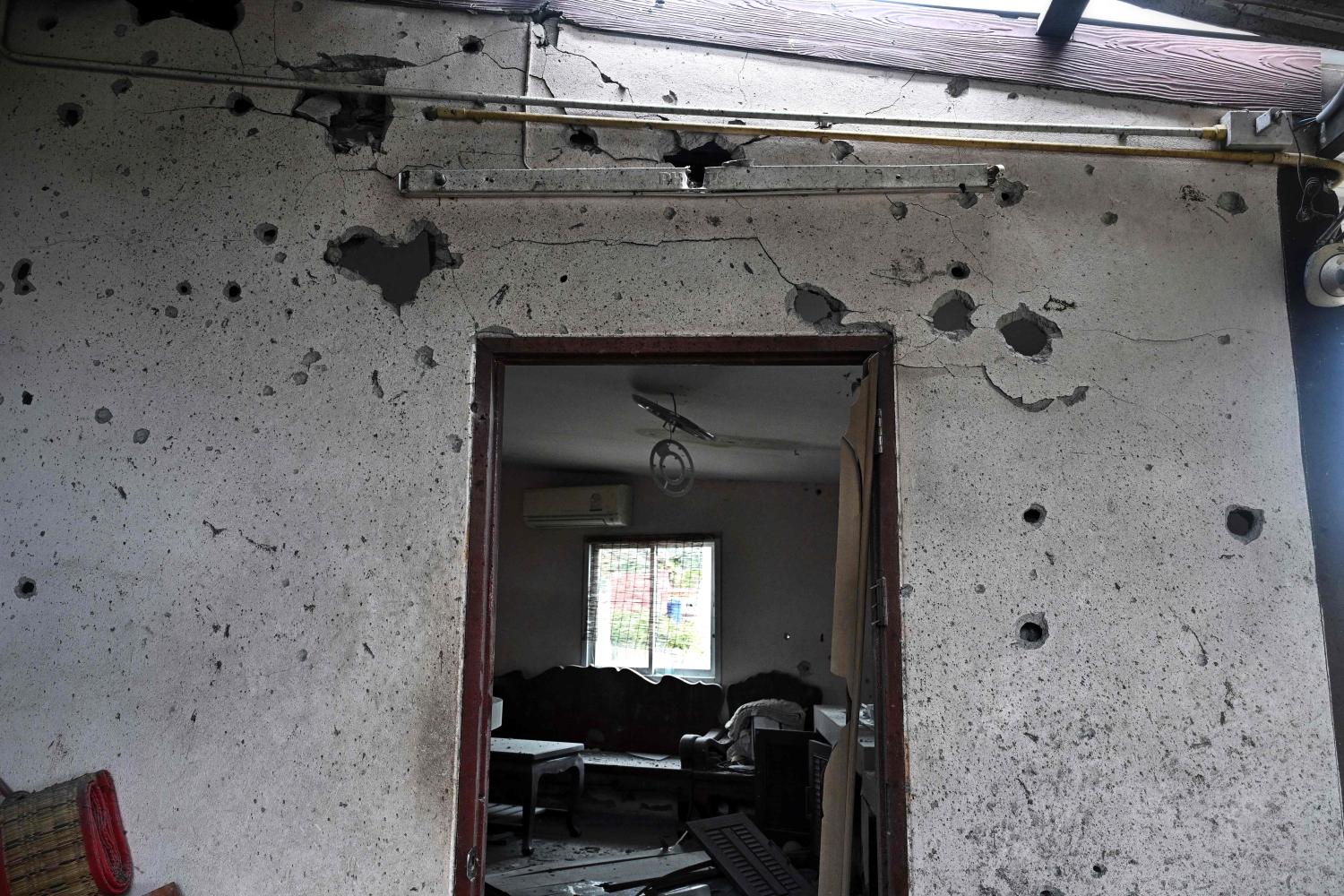
» The latest flare-up and intensification of the armed conflict between Thailand and Cambodia should be understood less as a new crisis and more as a resumption of a bilateral clash that erupted in late July.
Southeast Asia amid the US-China rift
Oped, Thitinan Pongsudhirak, Published on 03/10/2025
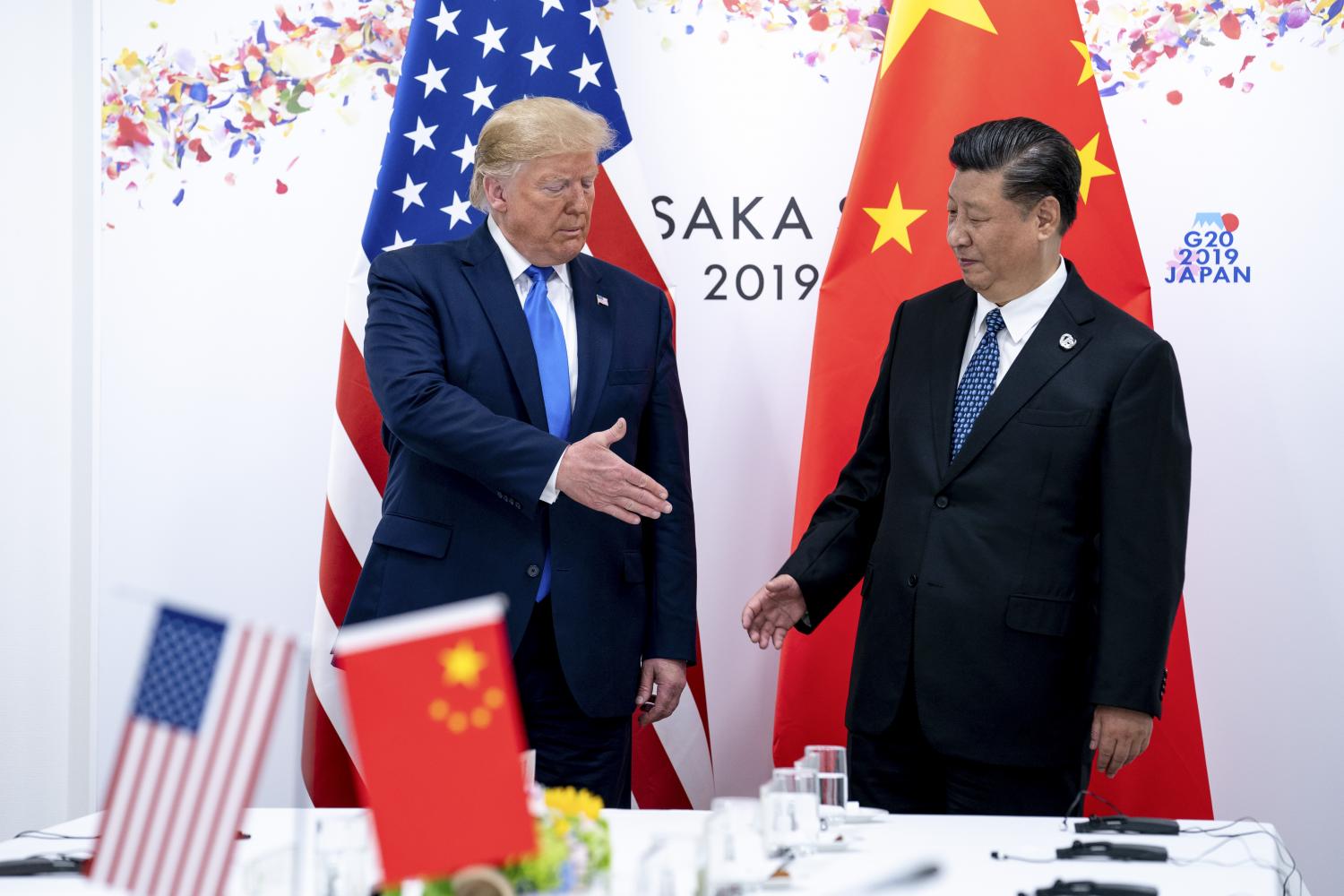
» The rivalry between the United States and China has become the defining contest of the 21st century. Barely two decades ago, Washington and Beijing were partners in prosperity. America's support for China's entry into the World Trade Organization in 2001 epitomised the high-water mark of engagement, reflecting the belief that economic integration would lead to greater political cooperation. Today, that partnership has morphed into suspicion and confrontation. Relations between the United States and China have deteriorated so swiftly that many observers now describe them as locked in a "new Cold War". The more pressing question, however, is not whether this analogy holds, but whether confrontation can be managed short of outright conflict.

Signs and symptoms of Thai stagnation
Oped, Thitinan Pongsudhirak, Published on 18/07/2025
» That Thailand is faring poorly in the world is no longer in dispute. Not so long ago, many were in denial and adamant that Thailand could still bring a good game to engage abroad, that "Teflon" Thailand could bounce back. Now, just about all indicators are pointing south. The causes of this country's decline and stagnation are not singular but multifaceted over a two-decade period. As Thailand's situation is likely to worsen before hopes for a better future can arise, it is instructive to start counting the costs.

Thailand needs a geostrategic rebalance
Oped, Thitinan Pongsudhirak, Published on 06/06/2025
» With two military coups and multiple judicial interventions that combined to subvert election results and weaken democratic institutions over the past two decades, it is unsurprising that Thailand's geostrategic position has leaned increasingly towards China. Naturally, the more Thailand becomes autocratic, the more it will be estranged from established democracies in Europe and North America, as well as Japan and South Korea, with nowhere to turn but to Beijing. But this China orientation is a geostrategic mistake at this time. Thailand should correct its course until clearer signs emerge as to which side of the superpower struggle will come out on top.