



Showing 1 - 10 of 11

Trump goes off-script, US gone rogue
Oped, Thitinan Pongsudhirak, Published on 27/03/2026
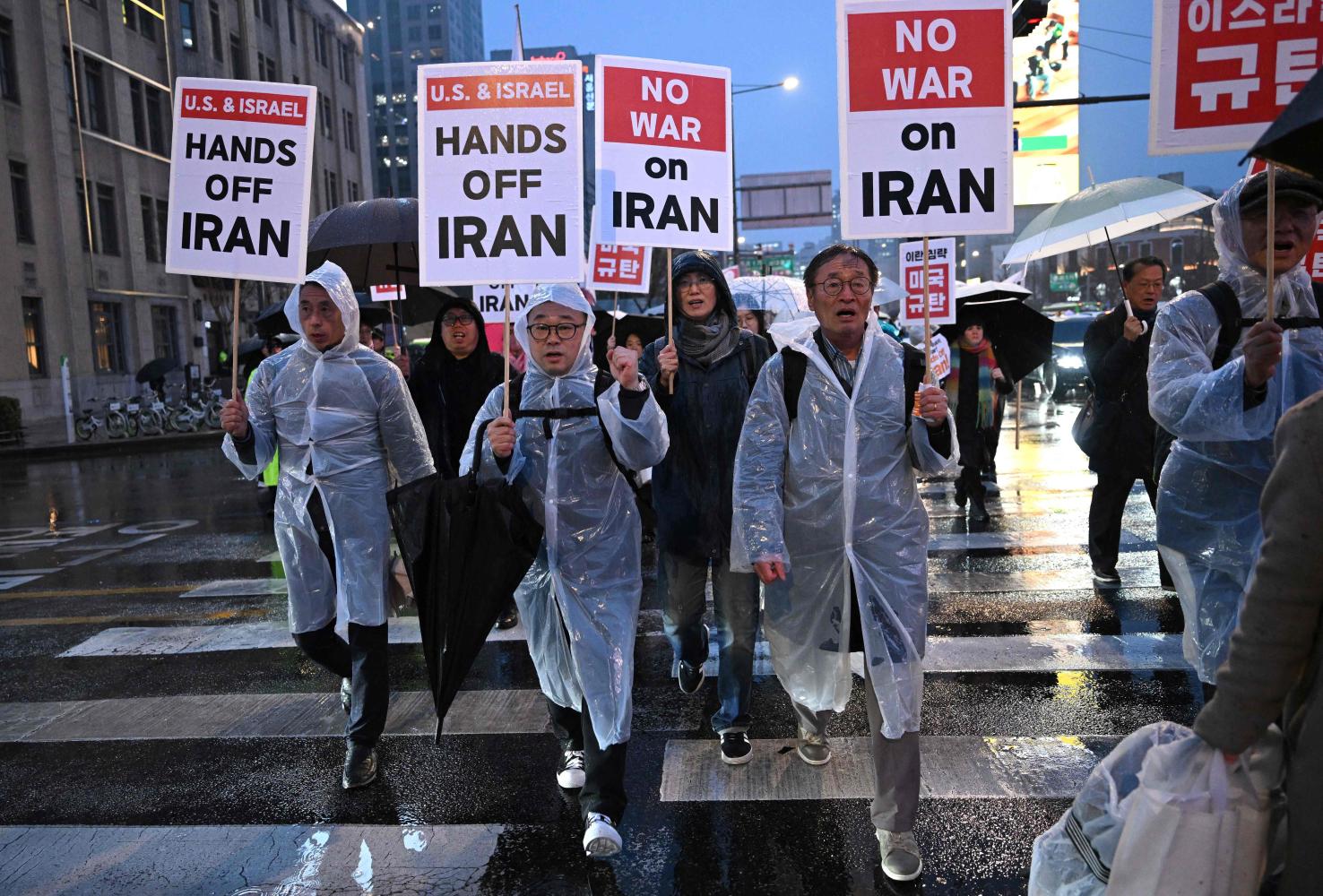
» It was not supposed to work like this. "America First" and "Make America Great Again" (MAGA) were supposed to be about an inward turn to repair, replenish and rebuild an externally overstretched and internally weakened country, weighed down by unnecessary global entanglements, unsustainable national debt, and unimpeded mass migration. It seemed for a time that the MAGA movement to prioritise America above and beyond the international system and its constituent parts had found its final prophet in President Donald J Trump. But now, somehow, President Trump has betrayed the movement that has carried him to office by waging a disastrous war on Iran in cooperation with Israel.
America risks grand folly in Iran war
Oped, Thitinan Pongsudhirak, Published on 06/03/2026
» It is just the first week of the joint attack between the United States and Israel on the Islamic Republic of Iran, but the repercussions from the Middle East for the Indo-Pacific are already discernible.
Trump's 'America First' in overdrive
News, Thitinan Pongsudhirak, Published on 23/01/2026
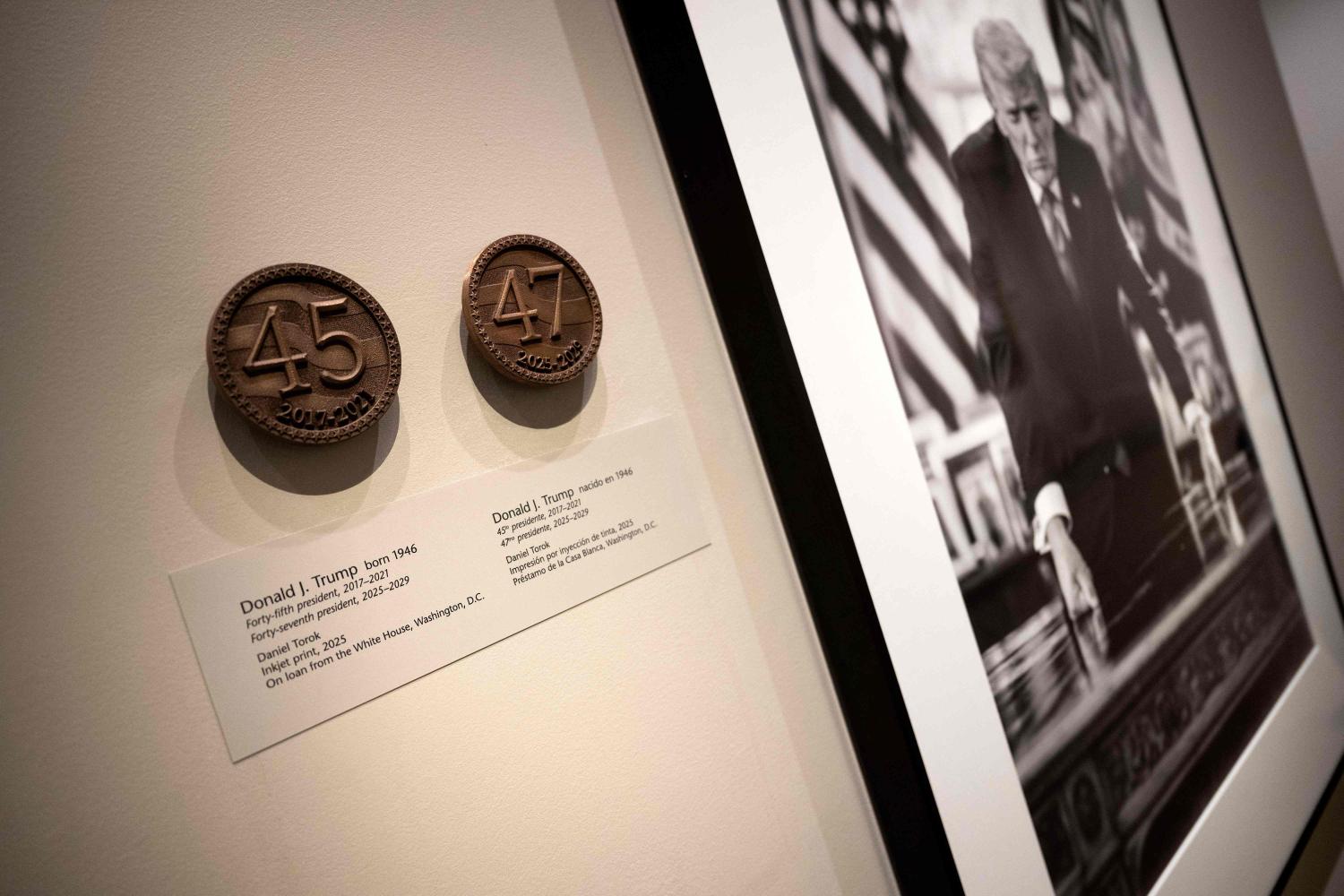
» President Donald Trump's extraterritorial capture of Venezuelan President Nicolas Maduro and his wife on cocaine-trafficking and terrorism-related charges earlier this month and repeated demand to take over Greenland at the World Economic Forum this week are part and parcel of a belligerent and transformative "America First" paradigm that dates back at least four decades.

Remembering a Southeast Asianist
Oped, Thitinan Pongsudhirak, Published on 26/07/2024
» It is not often these days to find scholars of Southeast Asia with exceptional breadth and depth, prescience, and commitment who stick to their creed until the end. In the pantheon of such rare scholars, Benedict O'Gorman Anderson, who died in 2015, would have led the way. James C Scott would be right beside him in a distinctly different fashion.

Japan's post-Covid regional dilemma
Oped, Thitinan Pongsudhirak, Published on 21/01/2022
» Among the major powers that are moving forward with an eye on the post-pandemic era, when Covid-19 will eventually become an endemic with flu-like manageability, Japan is second to none. The visit last week by its minister of economy, trade, and industry (METI), Koichi Hagiuda, made front-page news in Bangkok, following similarly notable media coverage in Jakarta and Singapore. But while it has played a critical role in Asean's economic development and regional security, Japan's Indo-Pacific geostrategic environment has become adverse with more downside risks.

Thailand can't have it both ways abroad
Oped, Thitinan Pongsudhirak, Published on 05/11/2021
» Images of Prime Minister Prayut Chan-o-cha hobnobbing with world leaders like United States President Joe Biden, German Chancellor Angela Merkel and UN Secretary-General Antonio Guterres at the COP26 Climate Summit in Glasgow sparked mixed feelings at home.
China's way with a divided, inert Asean
Oped, Thitinan Pongsudhirak, Published on 18/06/2021
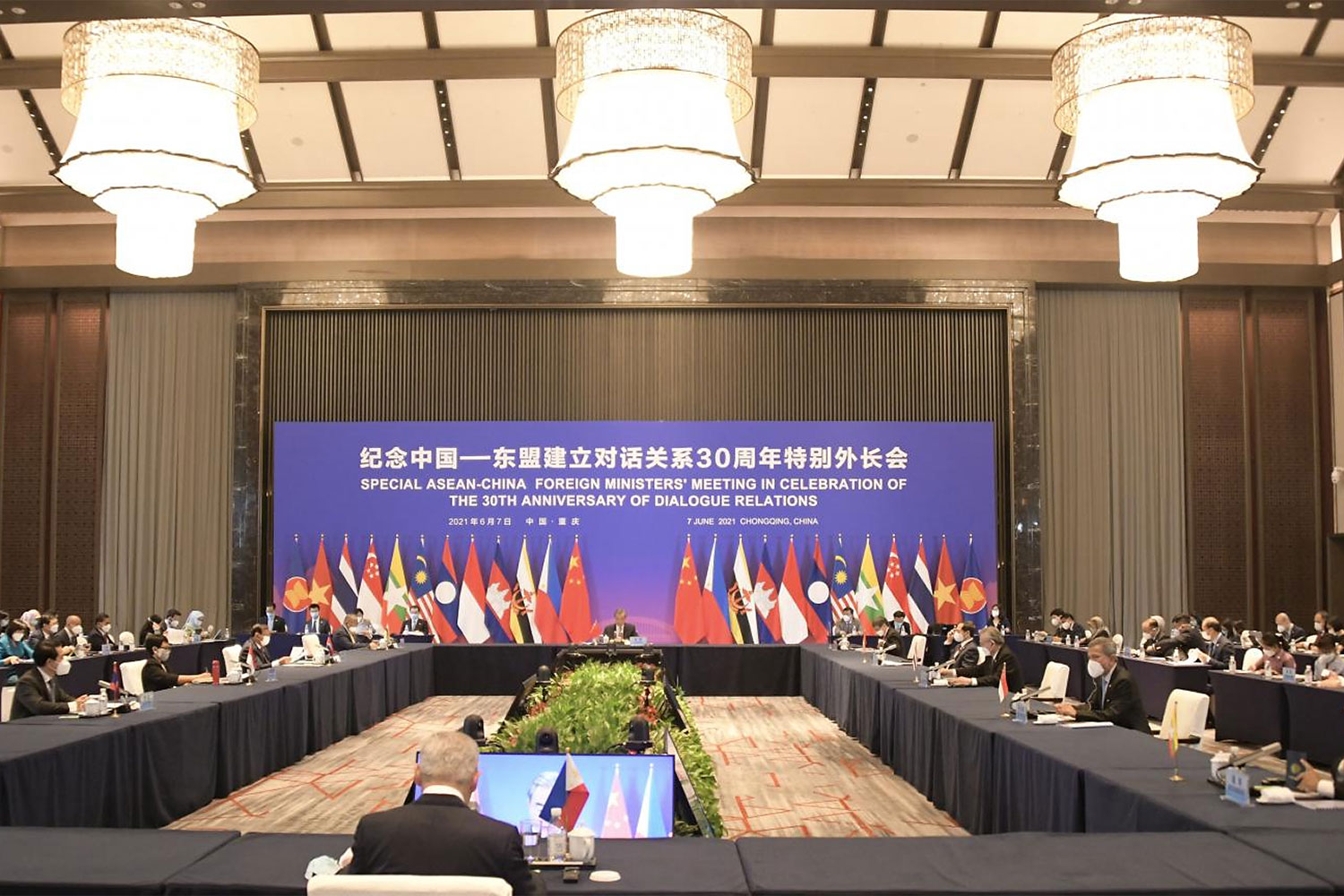
» The recent Asean-China foreign ministers' meeting early this month in Chongqing was crucial for its timing and circumstances. Co-chaired by Chinese Foreign Minister Wang Yi and Philippine Foreign Secretary Teodoro Locsin, it was the first "in-person" meeting among foreign ministers of both sides since the Covid-19 period began early last year.

Thailand's strategic path is rudderless
News, Thitinan Pongsudhirak, Published on 19/06/2020
» As the coronavirus pandemic continues to wreak havoc worldwide, domestic tension and pressure will compel three broad responses from the various afflicted countries. First, these countries may react to virus-induced domestic challenges by blaming and taking it out on outsiders. Alternatively, they may be so preoccupied at home that they become marginalised abroad. In other instances, countries that have coped effectively with Covid-19 will be able to regain their footing faster and move on sooner as the rest of the pack remains bogged down in acrimony and discord.
Thailand's prospects and risks in 2020s
News, Thitinan Pongsudhirak, Published on 31/01/2020
» Notwithstanding recent worldwide celebrations to mark the arrival of 2020, Thailand should be seen as having entered not just a new year but a new decade. Since World War II, Thailand's journey over the ensuing decades meandered through ebbs and flows, overcoming critical bumps and barriers along the way. When 2030 arrives, this country of 70 million predominantly happy-go-lucky people will have faced a prolonged reckoning. While its near-term prospects are likely to worsen, Thailand's long-term future will be either better compared to the past two decades or bad for the long term.

Global turmoil and Thailand's political reset
News, Thitinan Pongsudhirak, Published on 21/12/2018
» As the world moves into 2019, there is a consensus that the roughly seven-decade-old rules-based liberal international order no longer works. Either it has to be fundamentally revamped to suit new realities and the international distribution of power and wealth, or it will be increasingly violated and marginalised. In a remarkable parallel, Thailand's hitherto political order that lasted about seven decades also requires adjustment and recalibration.