



Showing 1 - 10 of 14
Impacts of Iran war on Southeast Asia
Oped, Thitinan Pongsudhirak, Published on 20/03/2026
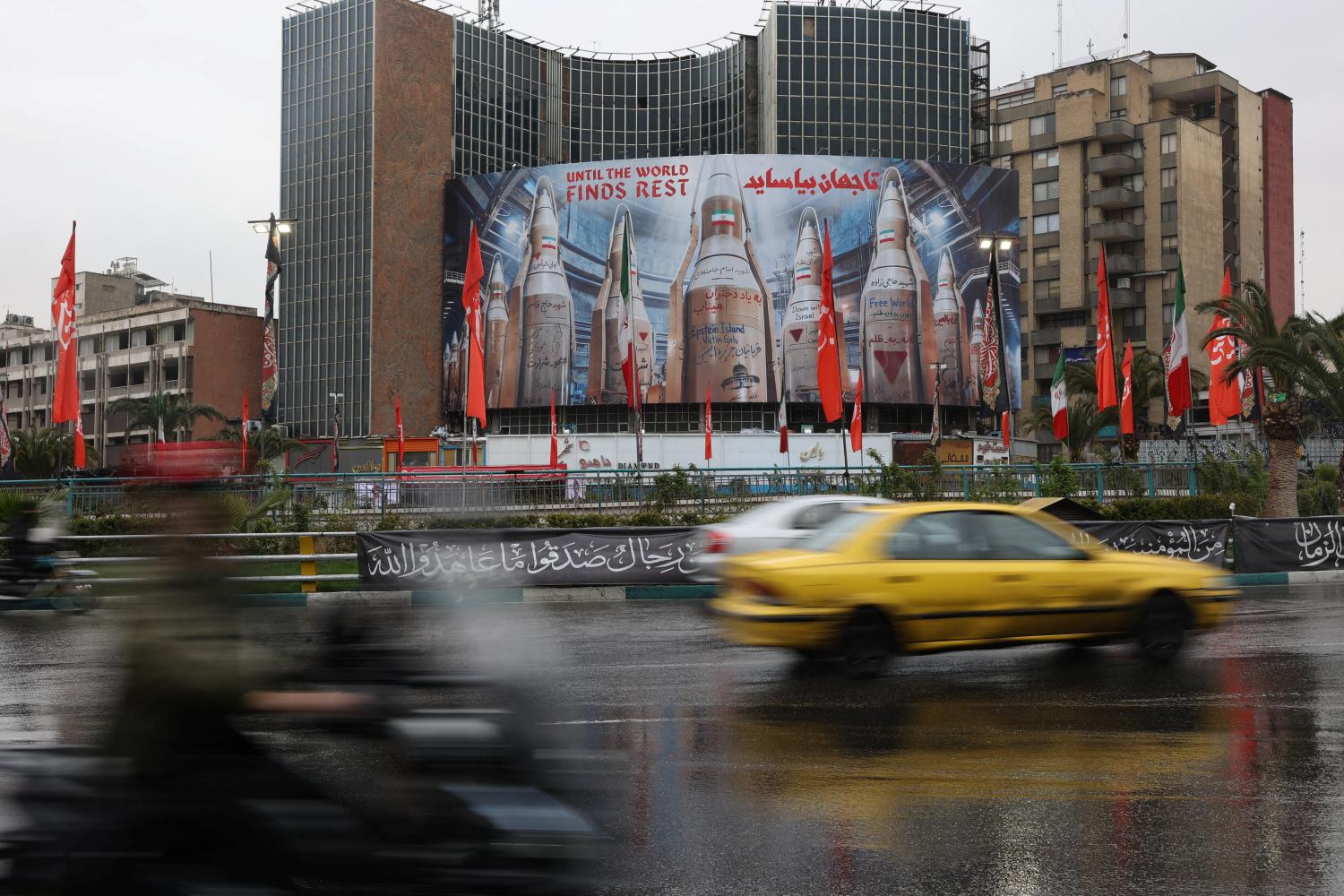
» For the most part, Southeast Asia as a region has taken a neutral stance toward the joint attack between the United States and Israel against the Islamic Republic of Iran. Even the Philippines and Thailand, two formal US treaty allies, have distanced themselves, calling for restraint and de-escalation.

Singapore turns 60 with much to show
Oped, Thitinan Pongsudhirak, Published on 08/08/2025
» No country turns 60 like Singapore. In a neighbourhood of political dynasties and varying shades of autocracies and flawed democracies, the little island state of six million got lucky with its strongman rule. When he died in 2015, Singapore's patriarchal founder Lee Kuan Yew left a great country behind. This weekend, Singaporeans can take stock of what's gone by and rightly celebrate its milestone with much to show for.

What's happened to the Asian Century?
Oped, Thitinan Pongsudhirak, Published on 14/02/2025
» Until recently, the "Asian Century" seemed a compelling narrative but now it is not what it used to be. It was supposed to herald a shift in global economic power from the West to the East, driven by China's rapid rise, India's economic dynamism, and the broader development of Asia. But a quarter of the way into the 21st century, the promise of Asian dominance appears less certain. The enduring technological and economic might of the United States, coupled with its geopolitical backlash against China, has lowered expectations. While Asia remains formidable, the trajectory of global power is open and fluid, with potential dominance shifting not necessarily to any nation or region but perhaps to a non-state entity.

Remembering a Southeast Asianist
Oped, Thitinan Pongsudhirak, Published on 26/07/2024
» It is not often these days to find scholars of Southeast Asia with exceptional breadth and depth, prescience, and commitment who stick to their creed until the end. In the pantheon of such rare scholars, Benedict O'Gorman Anderson, who died in 2015, would have led the way. James C Scott would be right beside him in a distinctly different fashion.

Prospects at home and abroad in 2024
Oped, Thitinan Pongsudhirak, Published on 05/01/2024
» Overlooked but deeply consequential, 2024 will be the first time in a decade that Thailand is ruled by a civilian-led government. Whatever frustration and disenchantment that arise this year, memories must not run short. Thailand suffered deeply under the coup-backed regime of Gen Prayut Chan-o-cha. Seeing his back is politically good riddance, and having Srettha Thavisin as a thoroughly civilian and pro-business prime minister bodes well for the country. Yet Mr Srettha has his work cut out to boost the economy, address constitutional reform, restore Thailand's international standing, and stay in office into next year amid the global economic slowdown.

The tide of history shifts in Thai politics
Oped, Thitinan Pongsudhirak, Published on 02/06/2023
» Notwithstanding the ongoing political shenanigans by appointed agencies to shape final outcomes after the May 14 poll, Thailand already will never be the same again. The Move Forward Party's (MFP) victory as the largest winning side, with 151 out of 500 parliamentary seats, is profound but not unprecedented. Together with the Pheu Thai Party's 141 MPs, these two opposition parties are unwittingly sending a message to each other and to the broader political establishment that the curve of Thai history is shifting tectonically. Failing to grasp and adjust to this evolving tide of history could marginalise Pheu Thai and challenge the establishment to its core foundations.

Where have the media reformers gone?
Oped, Thitinan Pongsudhirak, Published on 18/02/2022
» After two decades marked by two military coups in 2006 and 2014, Thailand is supposed to be a "reformed" country by now. While all kinds of reforms were promised with each military takeover -- from political parties, parliament and constitution to the bureaucracy, military and police -- none has taken place. In fact, pledged reforms have gone in the opposite direction in the past. Nowhere is this reaction and restoration of old power and interests more evident than in Thailand's media industry.
Prayut govt stuck in self-made trap
Oped, Thitinan Pongsudhirak, Published on 02/07/2021
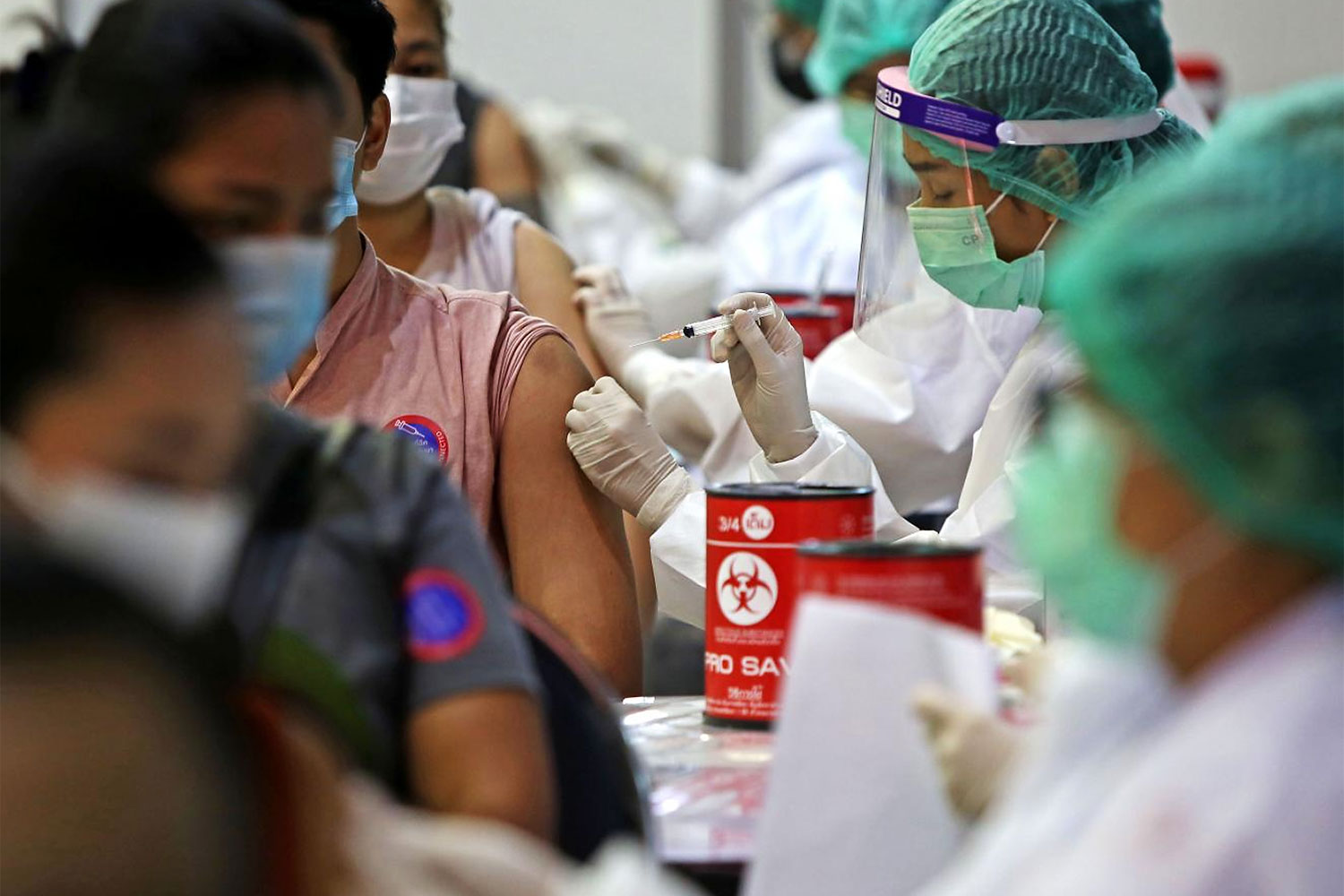
» Thailand's multi-layered crises from persistent virus infections and vaccine shortages to economic damage are building up into a potential political upheaval. The ravaging Covid-19 crisis is worse than the infamous Tom Yum Kung economic crisis in 1997-98. This time, the military-predominant government of Prime Minister Prayut Chan-o-cha is stuck in multiple traps of its own making. Getting out of this predicament means the pandemic situation is likely to get a lot worse before any hope of recovery and way forward can be found.

Virus risks versus economic imperatives
Oped, Thitinan Pongsudhirak, Published on 08/05/2020
» The coronavirus pandemic requires responding governments to be agile and quick on their feet, learning by doing and constantly reevaluating their policy mix. What was needed a month or two ago may need to be recalibrated this week for the immediate future in a moving balance of risks and objectives. For Thailand, the balance between public health safety and economic reality has been lost. The Centre for Covid-19 Situation Administration (CCSA) risks becoming a victim of its own success. This means the government of Prime Minister Prayut Chan-o-cha should now be listening to economists and social workers a little more than epidemiologists and medical doctors as Thailand's virus-fighting priorities shift with twists and turns.

Asean must unite to resolve Covid-19
News, Thitinan Pongsudhirak, Published on 27/03/2020
» As the Covid-19 pandemic runs its course and wreaks havoc worldwide, the numbers look bleak. Nearly 500,000 people have been infected, and more than 21,000 had died as of Thursday. The international system has reverted to every country for itself, as borders have gone up and globalisation has come down. The world as we knew it is unlikely to be the same, but regions as they were remain relevant. Here, Asean, as Southeast Asia's regional bloc, must face up to the crisis together or risk being torn apart by it.