



Showing 1 - 10 of 24
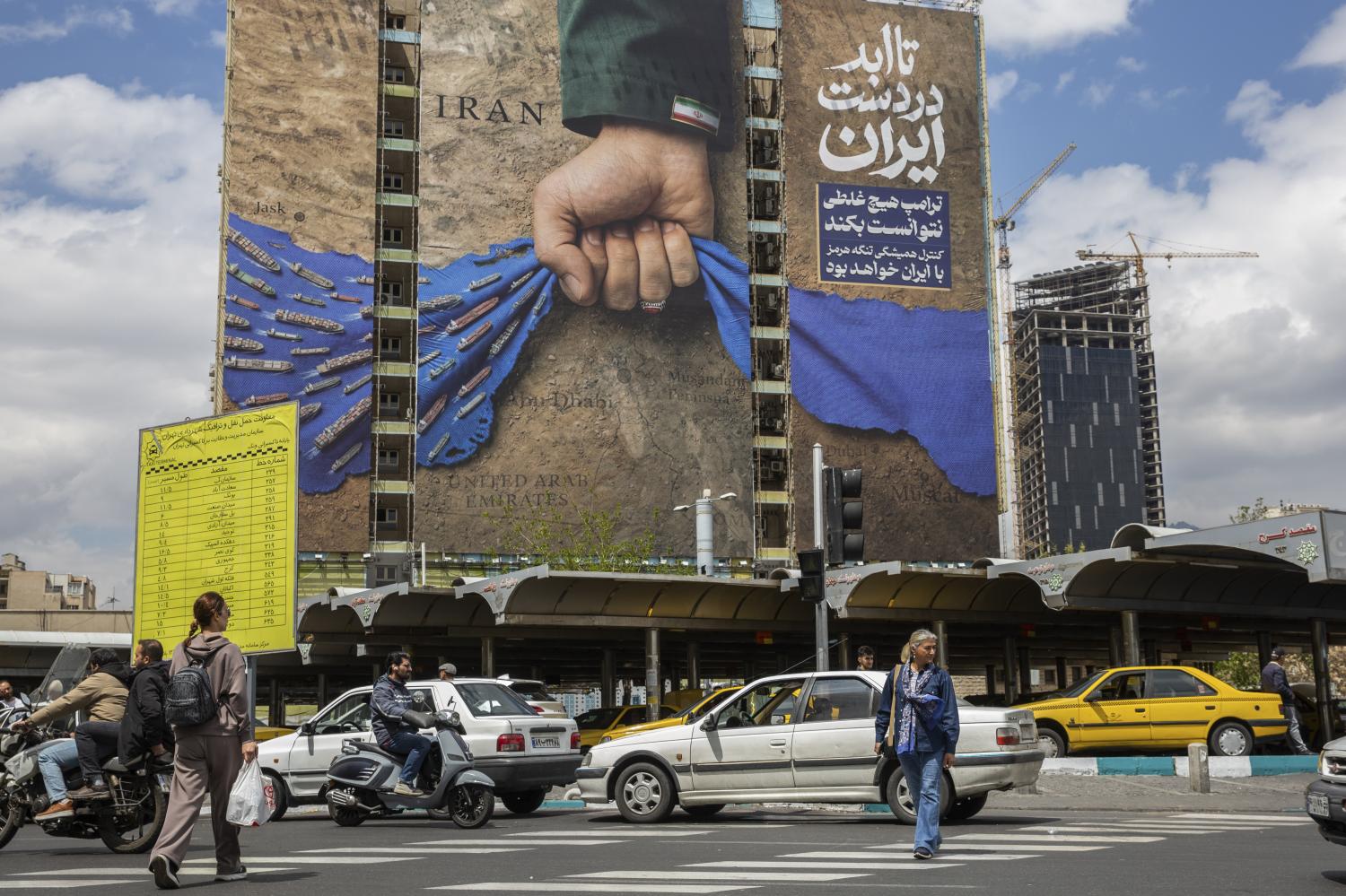
The war and its likely consequences
Oped, Thitinan Pongsudhirak, Published on 17/04/2026
» As the joint attack between the United States and Israel against Iran that resulted in a wider regional conflict in the Middle East approaches its two-month mark, the directions of the war remain precarious while some of the longer-lasting consequences appear evident. Unsurprisingly, the war has been detrimental and damaging for all states and societies concerned, not just within the affected region but the wider world. Already we can start counting some of the long-term costs.

Trump's 'America First' in overdrive
News, Thitinan Pongsudhirak, Published on 23/01/2026
» President Donald Trump's extraterritorial capture of Venezuelan President Nicolas Maduro and his wife on cocaine-trafficking and terrorism-related charges earlier this month and repeated demand to take over Greenland at the World Economic Forum this week are part and parcel of a belligerent and transformative "America First" paradigm that dates back at least four decades.

Thailand lags in the global trade war
Oped, Thitinan Pongsudhirak, Published on 11/04/2025
» Thailand is fast isolating itself from the international community and falling behind in the emerging geoeconomic warfare to the detriment of its economy and people. The elected government of Prime Minister Paetongtarn Shinawatra is ironically coming up with outcomes that resemble those of the military administration a decade ago. Thailand must now move quickly to contain policy damage and restore its international standing to navigate and come out of the intensifying geoeconomic war in as decent a shape as possible.

Trump's tariff blackmail boosts Brics
Oped, Thitinan Pongsudhirak, Published on 06/12/2024
» Even before officially taking office, United States President-elect Donald J Trump is shaking up the international system with drama and fanfare unlike any other major leader in recent memory. His most recent outburst to slap 100% tariffs on the "Brics" countries -- Brazil, Russia, India, China, and South Africa, as well as Egypt, Ethiopia, Iran and the United Arab Emirates -- is a case in point. While it will coerce developing economies to think twice about the cost of going their own way, this tariff blackmail and others like it also risk pushing smaller countries away from the US to other rival big powers, particularly China.

Two issues at stake in US president race
Oped, Thitinan Pongsudhirak, Published on 01/11/2024
» As the quadrennial presidential contest in the United States reaches its conclusion next week, the two fundamental and entwined issues at stake are how America sees itself at home and how its consequent role abroad ought to be. This is not the first time these soul-searching questions are determining who gets to rule the country, but they are a recent phenomenon. Beyond them, the rest are merely theatre, money, and manoeuvres that underpin any major election spectacle.

Thailand's bankrupt Myanmar policy
Oped, Thitinan Pongsudhirak, Published on 17/06/2022
» Few signboards foretell the global issues of our time better than what is addressed at the annual meetings of the Shangri-La Dialogue (SLD) in Singapore. After a pandemic-induced two-year hiatus, the most recent SLD covered the gamut on the main stage, from the United States-China geostrategic competition and military modernisation to security cooperation and climate change. The only anomalous single- and small-country focus in a special session was Myanmar.

Chadchart's effect on Thai politics
Oped, Thitinan Pongsudhirak, Published on 27/05/2022
» Among the myriad of implications over Chadchart Sittipunt's thumping triumph in Bangkok's gubernatorial election last Sunday is the restoration of Thailand's self-confidence and Thais' sense of belief that tomorrow will be better than today. After years of political decay and entrenching economic stagnation stemming from societal divisions, Mr Chadchart brings into office what has been described as a "rainbow" coalition made up of people from different walks of life and political party lines, transcending the progressive and conservative sides of the political divide.

Japan's post-Covid regional dilemma
Oped, Thitinan Pongsudhirak, Published on 21/01/2022
» Among the major powers that are moving forward with an eye on the post-pandemic era, when Covid-19 will eventually become an endemic with flu-like manageability, Japan is second to none. The visit last week by its minister of economy, trade, and industry (METI), Koichi Hagiuda, made front-page news in Bangkok, following similarly notable media coverage in Jakarta and Singapore. But while it has played a critical role in Asean's economic development and regional security, Japan's Indo-Pacific geostrategic environment has become adverse with more downside risks.

Implications of Blinken's aborted visit
Oped, Thitinan Pongsudhirak, Published on 17/12/2021
» Having skipped Thailand due to a Covid-19 case among his travel delegation, the United States Secretary of State Antony Blinken's aborted three-country tour of Southeast Asia has hindered the full projection of President Joe Biden's Indo-Pacific geostrategy. Not wrapping up the trip with a visit to Thailand, a mainland Southeast Asia pivot and longstanding US treaty ally, also misses an opportunity to shore up what has been a relative bilateral estrangement. In short, Secretary Blinken's diplomatic foray in Southeast Asia has fallen short for the time being.
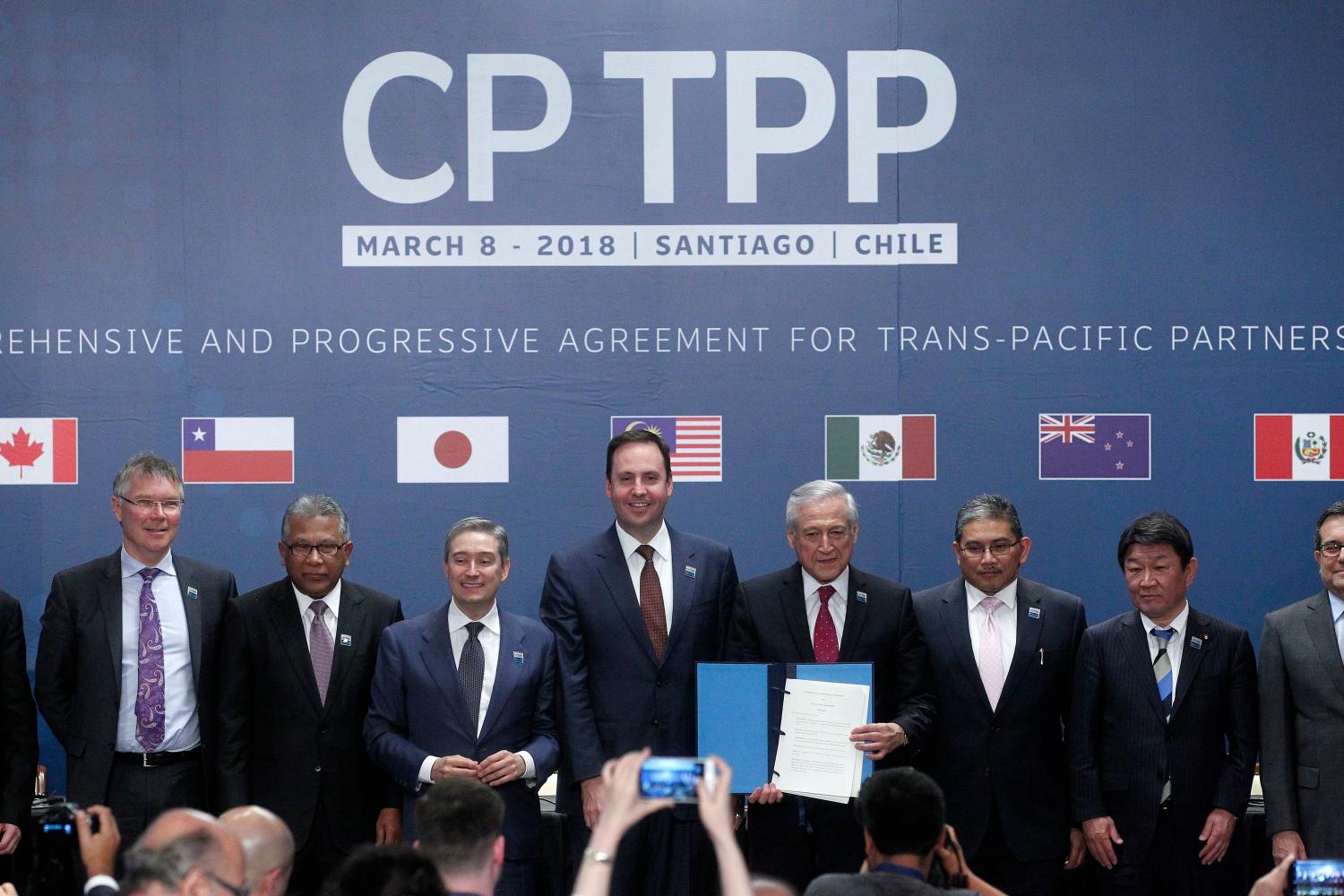
The geopolitics of China's CPTPP move
Oped, Thitinan Pongsudhirak, Published on 03/12/2021
» Nowhere is the intersection between geopolitics and geoeconomics more evident than the accession negotiations under the 11-member Comprehensive and Progressive Agreement for Trans-Pacific Partnership (CPTPP). At issue are three new applications for accession by the United Kingdom, China, and Taiwan. While the UK's candidacy alters the geographic crux of what has been Asia-Pacific trade liberalisation, China's and Taiwan's entry efforts represent a proxy showdown between the United States-led global order and 75-year-old alliance system versus Beijing's geostrategic ambitions and objectives.