



Showing 1 - 10 of 17
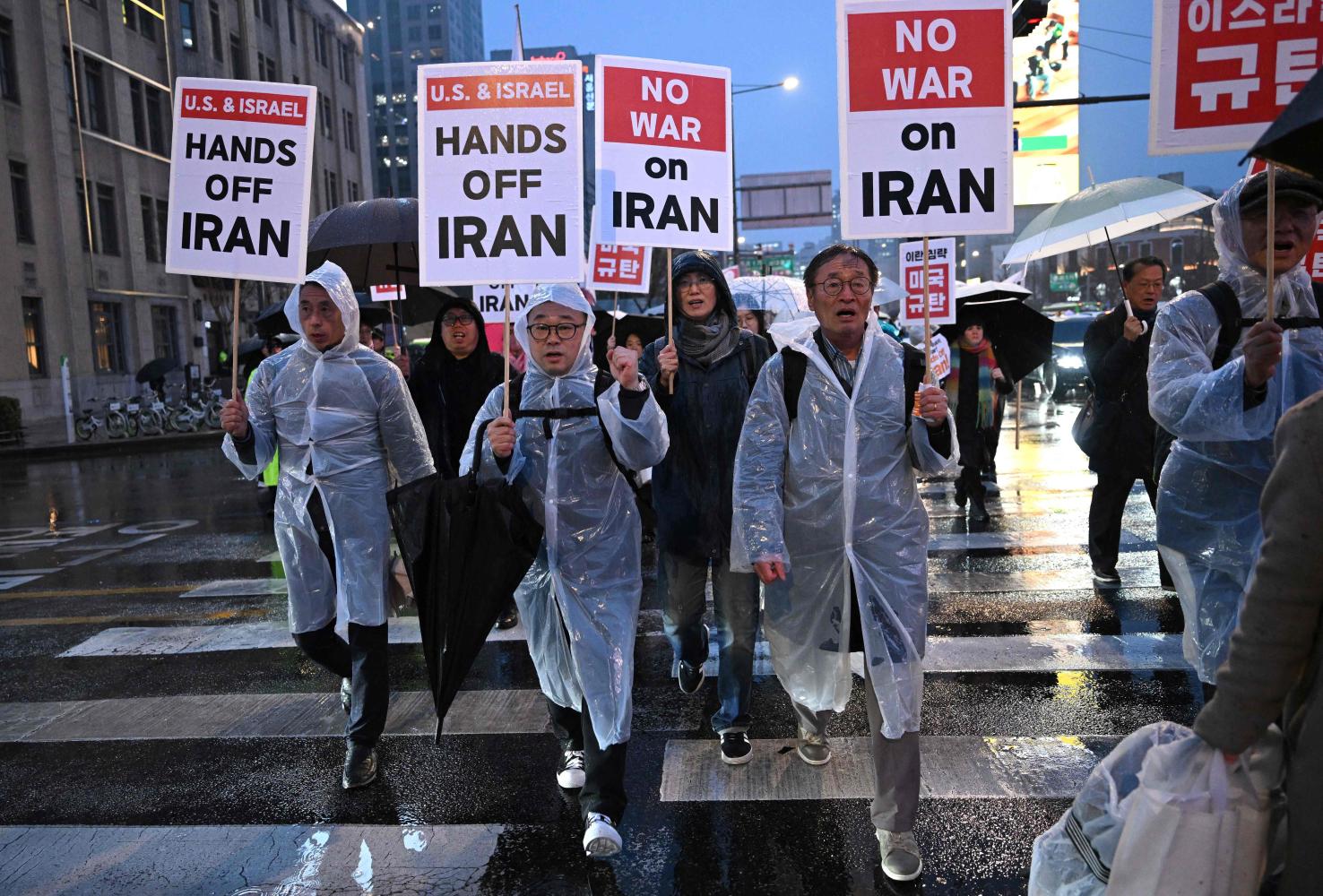
America risks grand folly in Iran war
Oped, Thitinan Pongsudhirak, Published on 06/03/2026
» It is just the first week of the joint attack between the United States and Israel on the Islamic Republic of Iran, but the repercussions from the Middle East for the Indo-Pacific are already discernible.
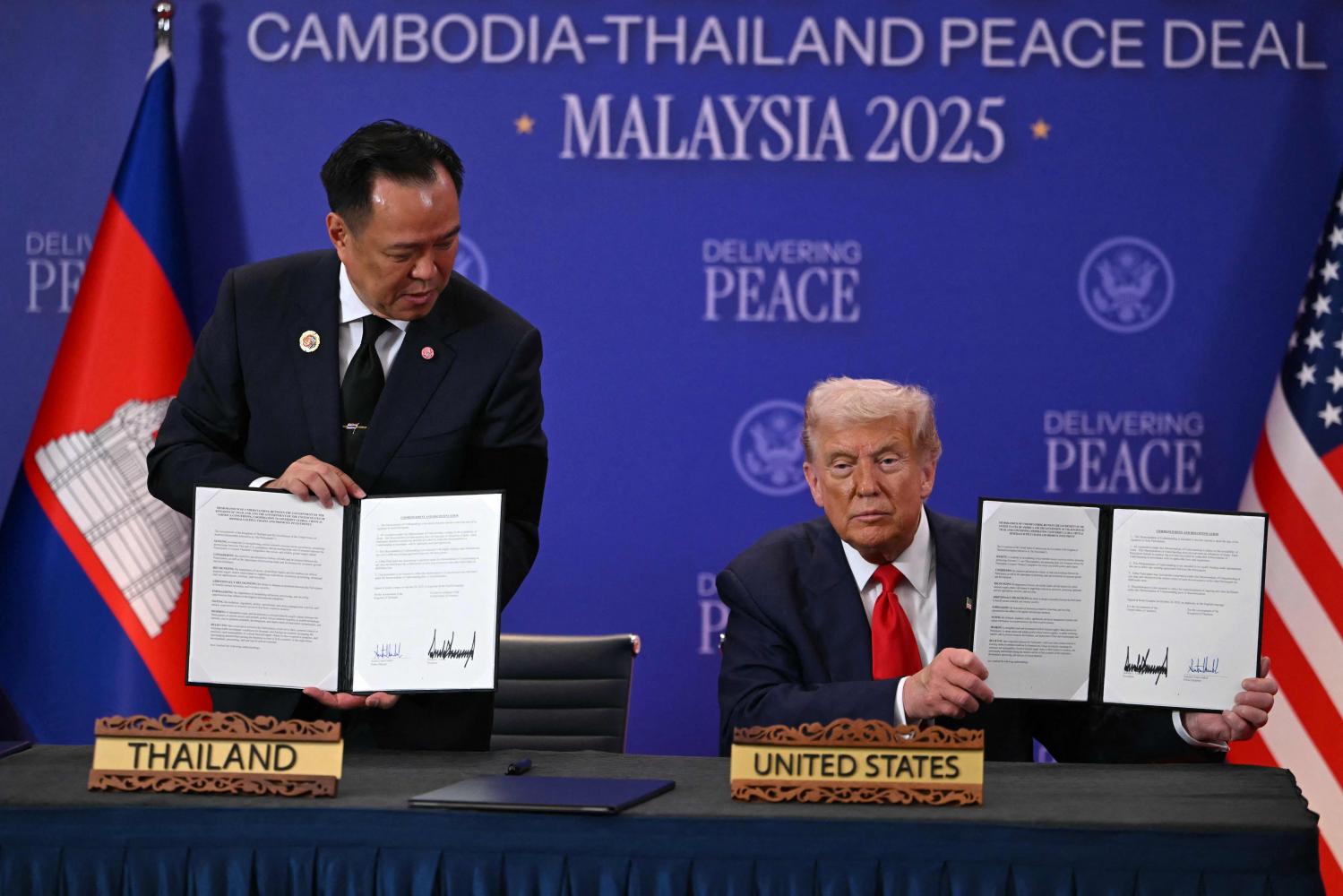
Digesting Trump's trip through Asia
Oped, Thitinan Pongsudhirak, Published on 07/11/2025
» Storming through Asia last week, US President Donald Trump's first stop in Kuala Lumpur on Oct 26, before moving on to Japan and South Korea over the next four days, capped by his meeting with Chinese President Xi Jinping before returning to Washington, was the most consequential for Southeast Asian economies.
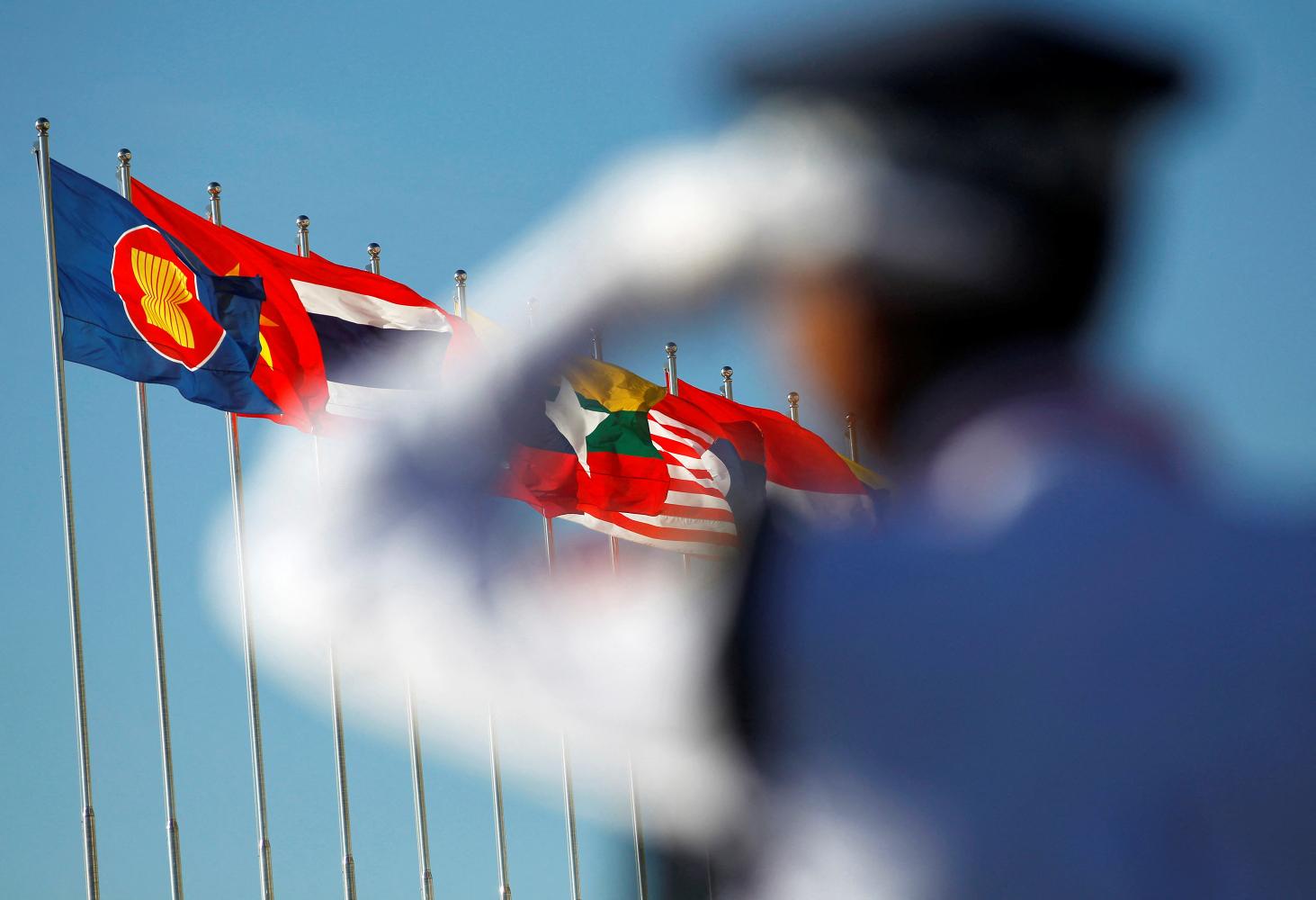
Flawed Asean needs to regain footing
Oped, Thitinan Pongsudhirak, Published on 10/10/2025
» Nearly six decades after its founding, the Association of Southeast Asian Nations (Asean) finds itself back where it began -- divided, uncertain, and vulnerable to the influence of major powers. Once hailed as a model for regional cooperation in the developing world, Asean now faces a crisis of purpose. Unless it can rediscover the unity and collective way forward that defined its early decades, Southeast Asia's flagship institution risks slipping into irrelevance.

Thaksin's return and 2025 prospects
Oped, Thitinan Pongsudhirak, Published on 03/01/2025
» Thailand's political environment last year was marked by machinations to keep the biggest election winner, the Move Forward Party, from power and to ensure the runner-up, the Pheu Thai Party, leads a coalition government the old guard can put up with. These manoeuvres after the May 2023 poll, initially forced Move Forward into the opposition and ultimately dissolved the party while bringing Thaksin Shinawatra back from self-exile in August 2023 for a perfunctory jail sentence and installing Srettha Thavisin as prime minister over the same period.

Thai foreign policy needs new rudder
Oped, Thitinan Pongsudhirak, Published on 27/09/2024
» Thailand's foreign policy posture and projection under Foreign Minister Maris Sangiampongsa and the new government of Prime Minister Paetongtarn Shinawatra is off to a good start under severe structural constraints. Given the widespread consensus both at home and abroad that Thailand has fallen behind its peers over the past two decades, the imperative of regaining its international standing is undisputed. But doing so under what the foreign minister has outlined as a "neutral stance" under "non-alignment" among the great powers is moot and misguided. What Thai foreign policy needs is multi-alignments and omni-directionality under a new rudder.

Srettha Thavisin fell to hidden forces
News, Thitinan Pongsudhirak, Published on 30/08/2024
» Hindsight is likely to place Srettha Thavisin in Thai political annals as a prime minister who tried his best but ultimately succumbed to forces way beyond his control. While his nearly 12-month tenure in office came up short on policy deliverables, it nevertheless reset Thailand's foreign policy projection on Myanmar amid more omnidirectional relations with the major powers.

Tolerating populism for democracy
Oped, Thitinan Pongsudhirak, Published on 13/10/2023
» The so-called “super deal” in August that resulted in the return of Thaksin Shinawatra and the formation of the Pheu Thai Party-led coalition government under Srettha Thavisin evidently has its limitations. It appears to be rejected by sections of the conservative old guard who still wants to resort to extra-parliamentary ways and means to undermine Thailand’s delicate parliamentary democracy. Reminiscent of past protests against Mr Thaksin’s brand of populism, a new round of extra-parliamentary political movement has begun in earnest with the petition launched by 99 prominent economists, including former central bank governors, against the Srettha government’s 10,000-baht digital wallet policy.

Srettha confronts myriad of challenges
News, Thitinan Pongsudhirak, Published on 22/09/2023
» As the coalition government of Prime Minister Srettha Thavisin gets going, it faces multiple daunting challenges, from public expectations and policy deliverables to the maintenance of political stability.

Thai global standing at all-time low
Oped, Thitinan Pongsudhirak, Published on 17/02/2023
» Although it will not lead to a no-confidence vote, the general debate in Thailand's parliament this week has further weakened the coalition government of Prime Minister Prayut Chan-o-cha, undermining its chances of re-election as the next general election looms. Among the many bombshell allegations of corruption, cronyism and sheer incompetence tabled by opposition parties, Thailand's international credibility and reputation have come into focus. Compared to its past role and performance, it appears that Thailand's global standing is at an all-time low.
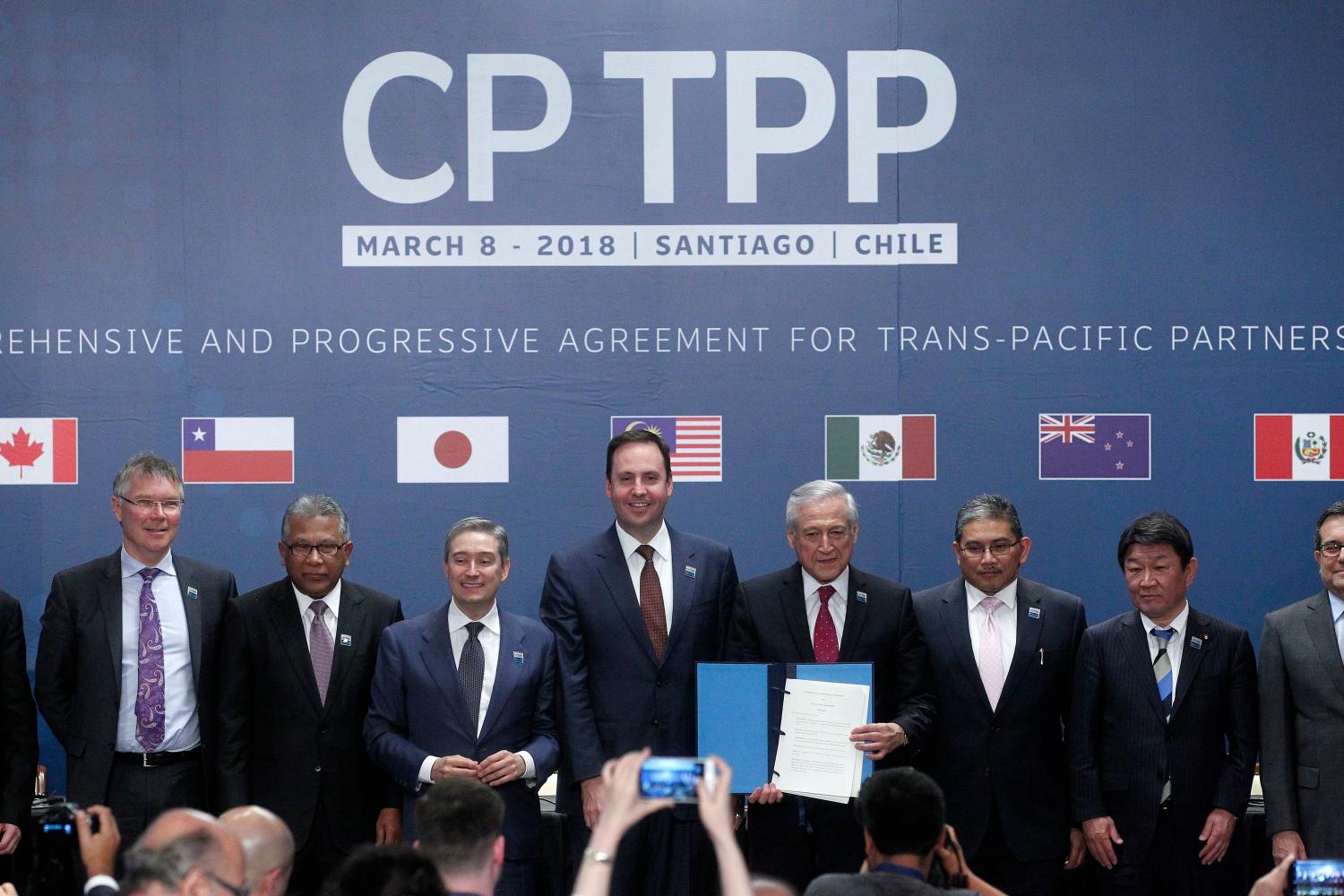
The geopolitics of China's CPTPP move
Oped, Thitinan Pongsudhirak, Published on 03/12/2021
» Nowhere is the intersection between geopolitics and geoeconomics more evident than the accession negotiations under the 11-member Comprehensive and Progressive Agreement for Trans-Pacific Partnership (CPTPP). At issue are three new applications for accession by the United Kingdom, China, and Taiwan. While the UK's candidacy alters the geographic crux of what has been Asia-Pacific trade liberalisation, China's and Taiwan's entry efforts represent a proxy showdown between the United States-led global order and 75-year-old alliance system versus Beijing's geostrategic ambitions and objectives.