



Showing 1 - 10 of 68
The gist of Thai politics over 20 years
Oped, Thitinan Pongsudhirak, Published on 20/02/2026
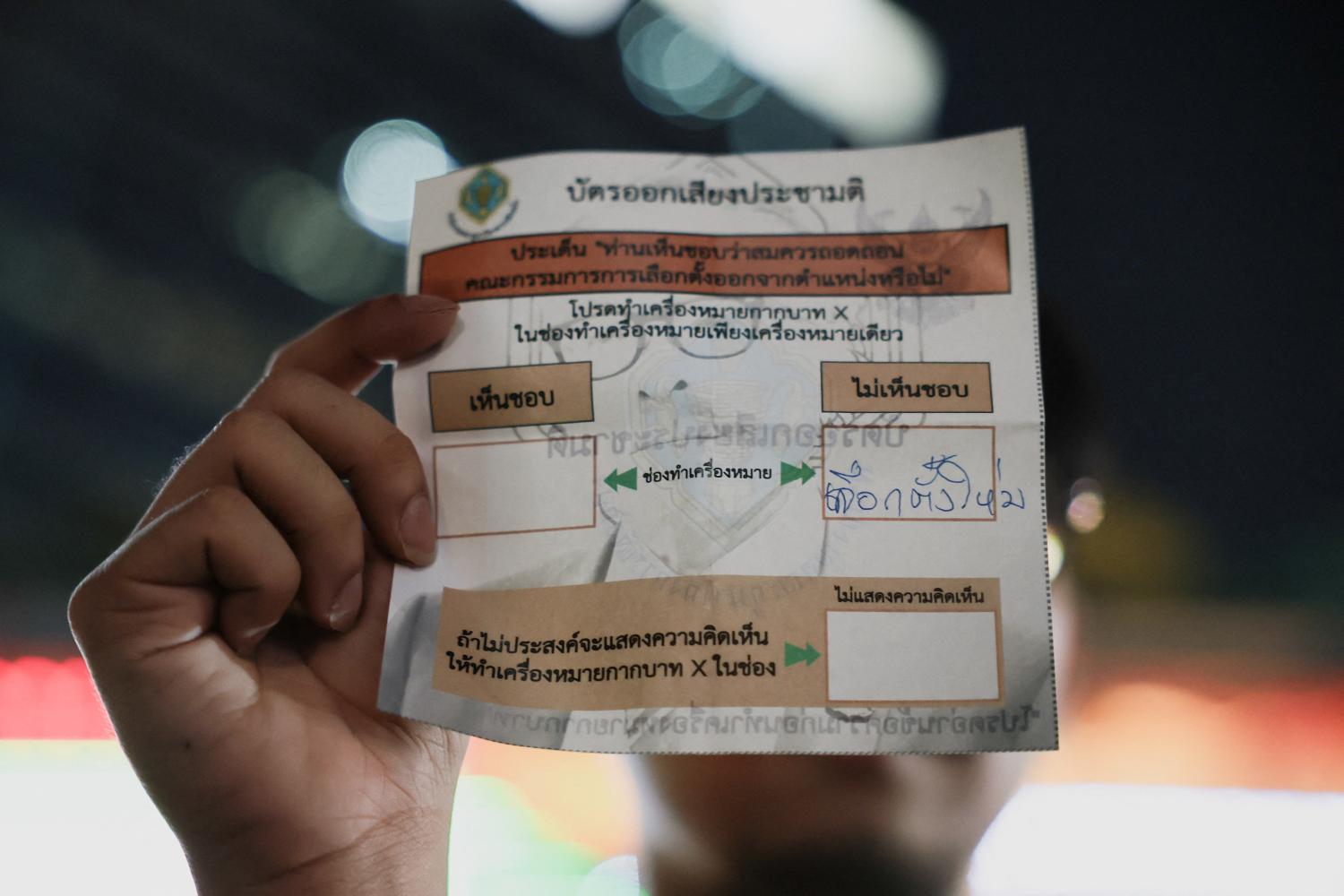
» Thailand's democratic institutions have been repressed and kept weak to the point that confusion still prevails almost two weeks after the Feb 8 election, which purportedly showed a clear victory for the ruling Bhumjaithai (BJT) Party under Prime Minister Anutin Charnvirakul. On the one hand, Mr Anutin and BJT stalwarts are busy forming a coalition government with other parties. On the other hand, fraud allegations from civil society groups and the opposition People's Party have reached a critical mass with the plausibility that the recent vote might be nullified to pave the way for a new poll.
Will poll be breakout or more of same?
Oped, Thitinan Pongsudhirak, Published on 06/02/2026
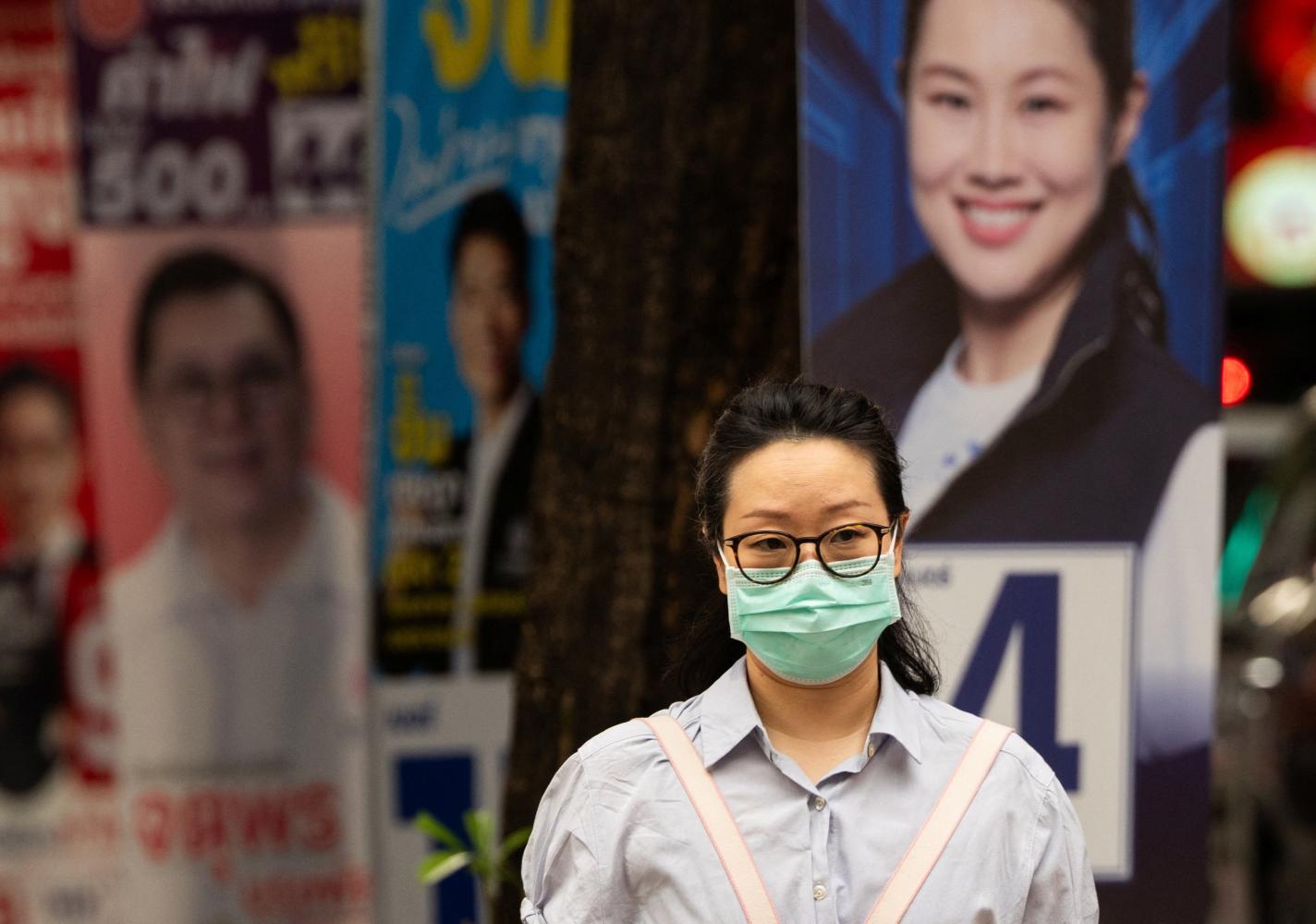
» As Thais go to the polls this Sunday, the most consequential question is whether Thailand will finally break out of its debilitating cycle of political instability and economic underperformance that has marked the past two decades. The signs and signals suggest otherwise -- at least not yet.
Three main parties and two directions
Oped, Thitinan Pongsudhirak, Published on 16/01/2026
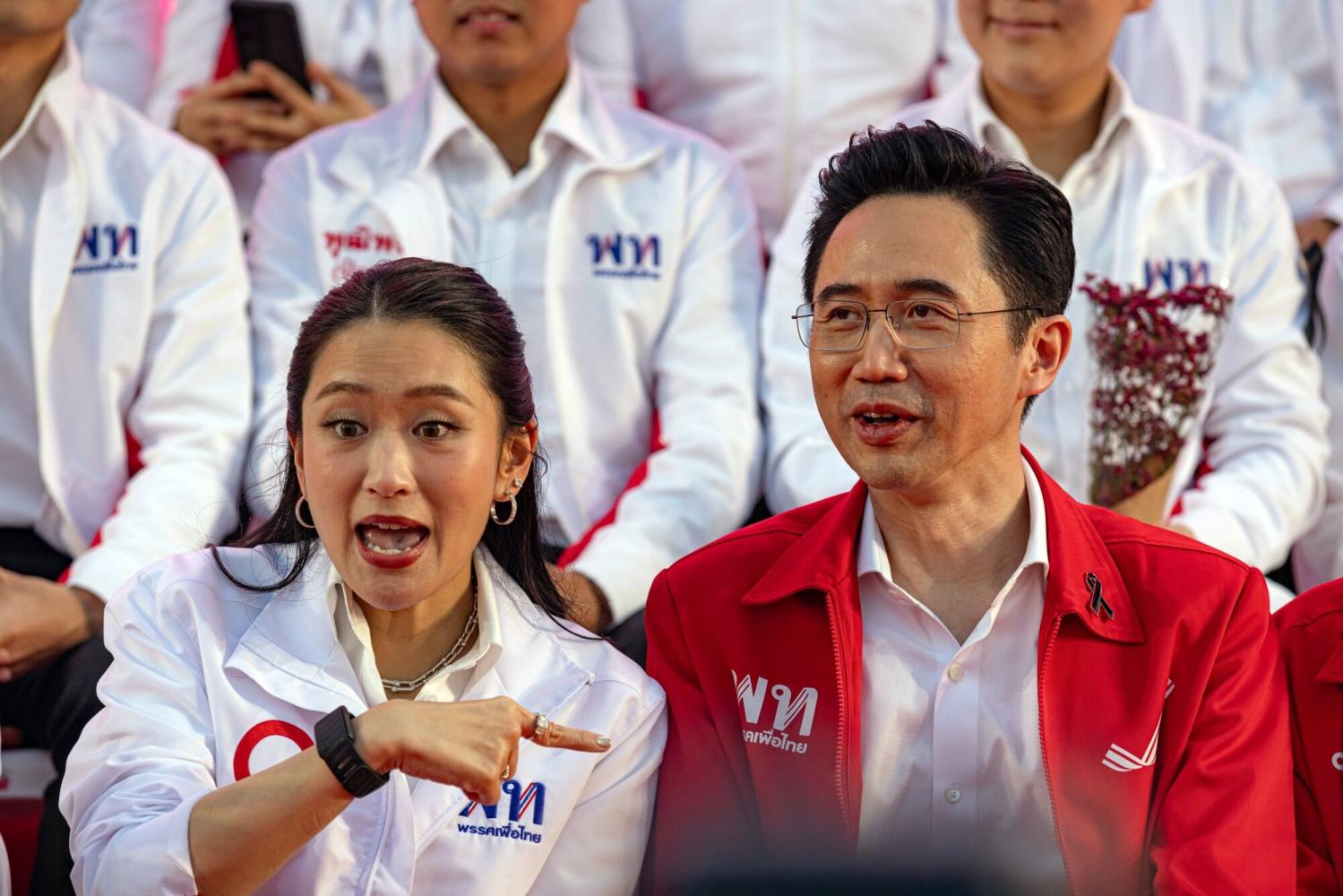
» Although Thailand's election campaign is reaching fever pitch ahead of voting day on Feb 8, the dynamics and contours of its final outcome can be gleaned from past polls over the last 25 years. Only once in January 2001, as was indicated in this space last week, were voter results fully honoured and carried out. Other elections were either upended by military coups or manipulated by judicial interventions.
No-confidence and poll date in flux
Oped, Thitinan Pongsudhirak, Published on 14/11/2025
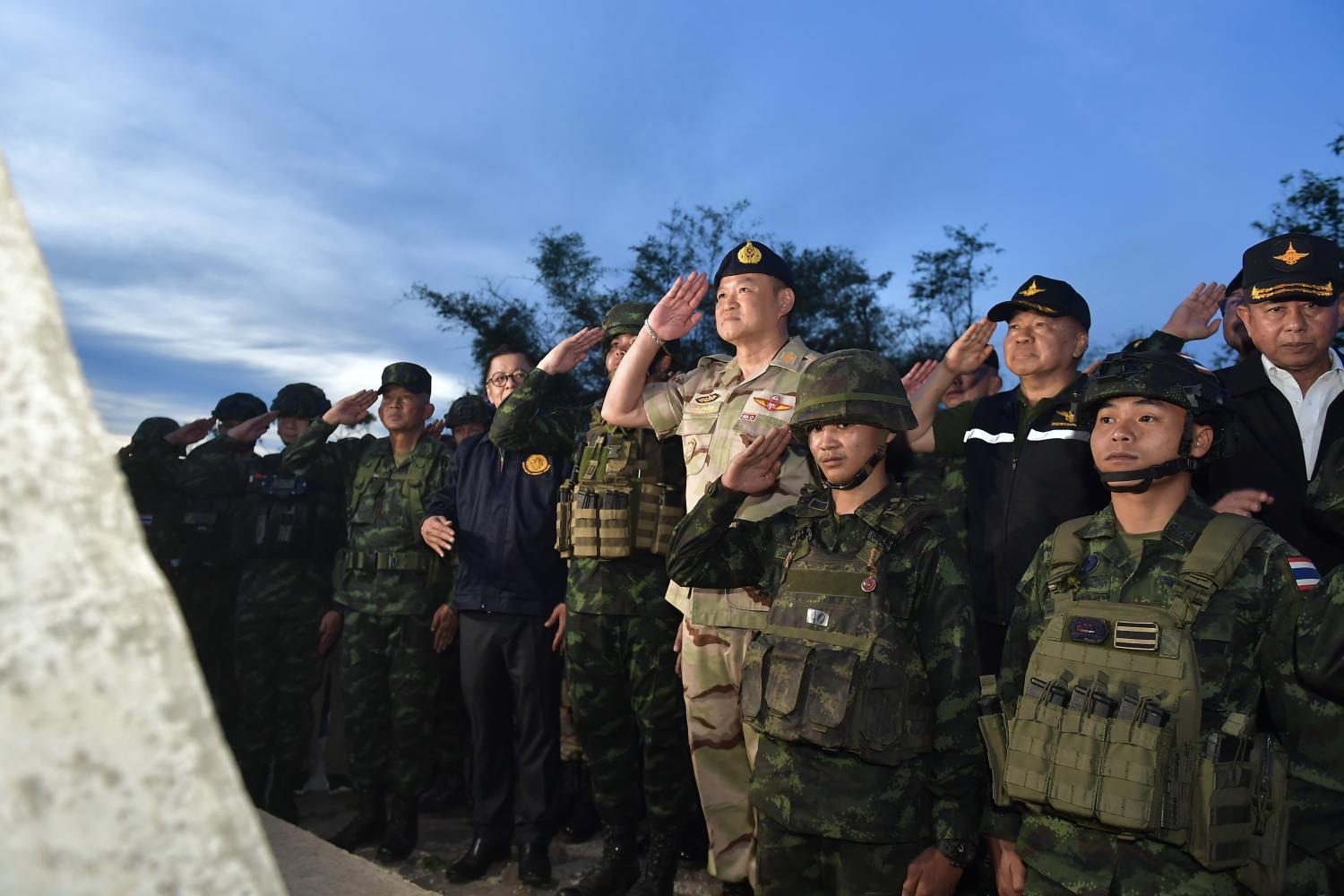
» Amid the drumbeats of military conflict with Cambodia, Thailand's political environment is evidently unruly and unsettled. The minority government of Anutin Charnvirakul, the third prime minister from the third largest-winning party since the latest national election in May 2023, is hard-pressed to stay in office beyond the four-month "Memorandum of Agreement" between his Bhumjaithai Party (BJT) and the People's Party (PP), the largest camp in the national assembly.
Digesting Trump's trip through Asia
Oped, Thitinan Pongsudhirak, Published on 07/11/2025
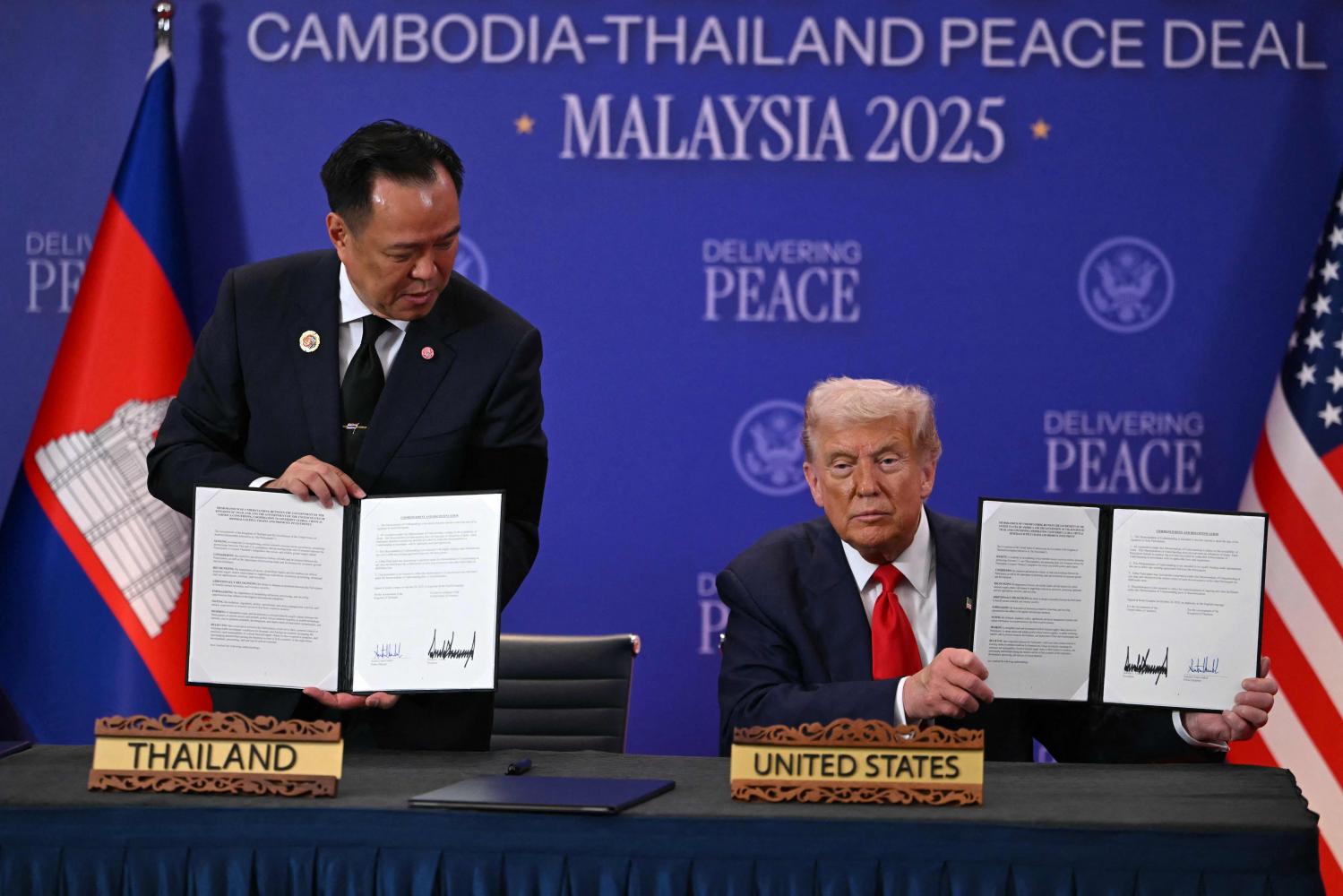
» Storming through Asia last week, US President Donald Trump's first stop in Kuala Lumpur on Oct 26, before moving on to Japan and South Korea over the next four days, capped by his meeting with Chinese President Xi Jinping before returning to Washington, was the most consequential for Southeast Asian economies.
Flawed Asean needs to regain footing
Oped, Thitinan Pongsudhirak, Published on 10/10/2025
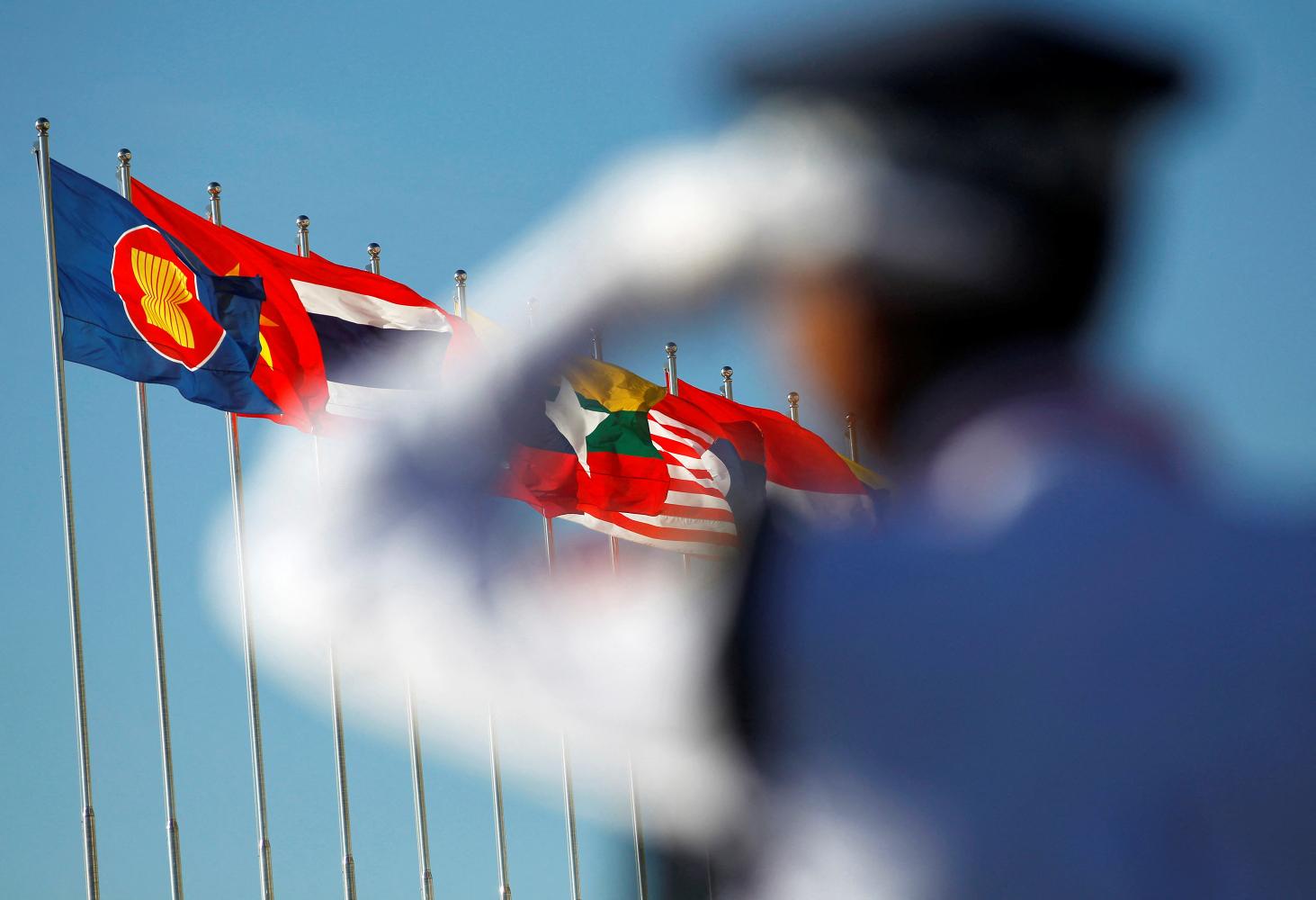
» Nearly six decades after its founding, the Association of Southeast Asian Nations (Asean) finds itself back where it began -- divided, uncertain, and vulnerable to the influence of major powers. Once hailed as a model for regional cooperation in the developing world, Asean now faces a crisis of purpose. Unless it can rediscover the unity and collective way forward that defined its early decades, Southeast Asia's flagship institution risks slipping into irrelevance.
Anutin's new cabinet is a mixed bag
Oped, Thitinan Pongsudhirak, Published on 26/09/2025
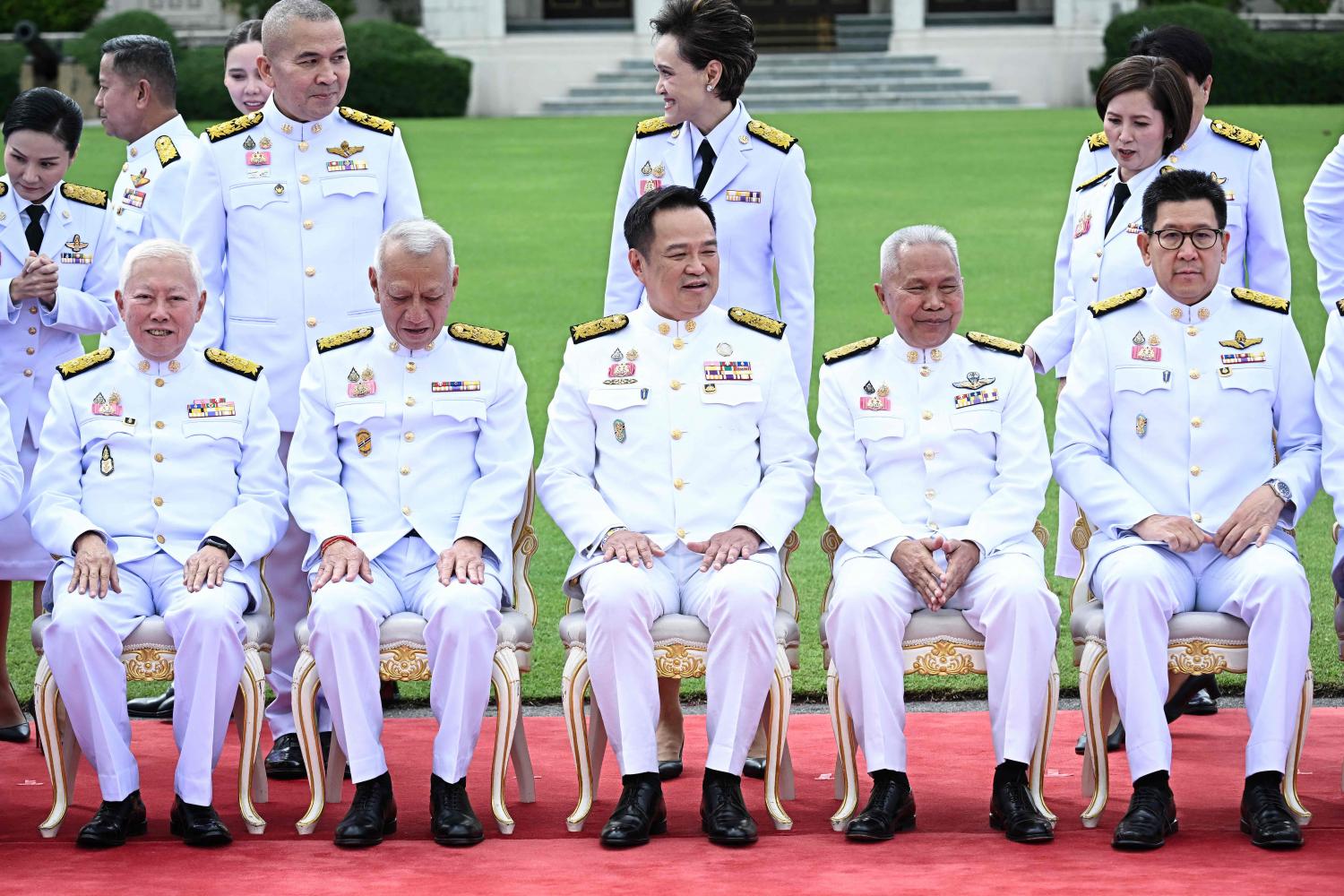
» The composition and size of Prime Minister Anutin Charnvirakul's 36-member cabinet suggest that he intends to stay in office for as long as possible, clinging to the terms of the government-enabling Memorandum of Agreement (MOA) and calling an early election only if circumstances make it unavoidable.
Thai-Cambodian feud is Asean's worst
Oped, Thitinan Pongsudhirak, Published on 15/08/2025
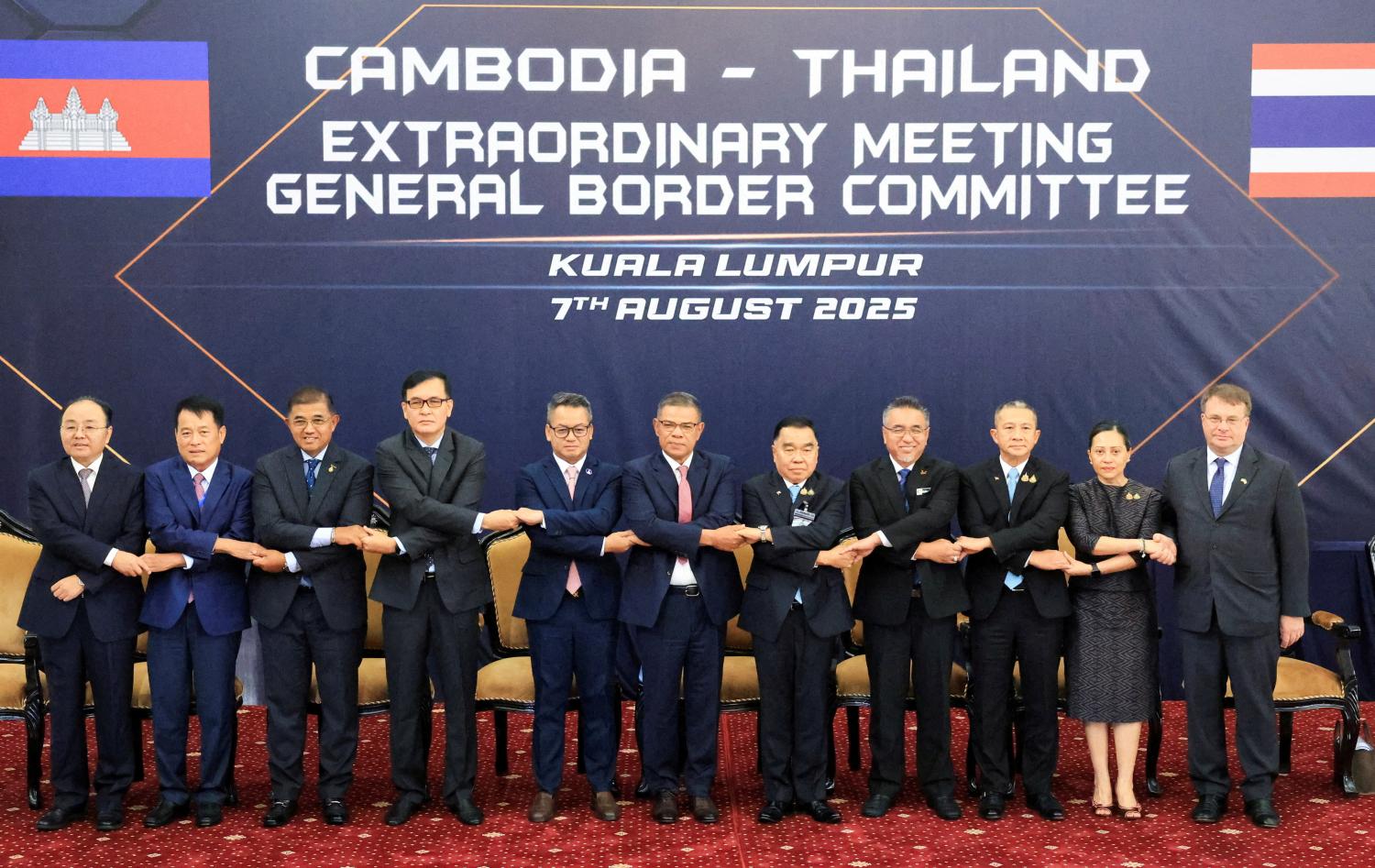
» The border dispute and consequent military conflict between Cambodia and Thailand in recent weeks have become Asean's worst crisis in its 58 years of existence. Ironically, it was an intra-regional war between Indonesia and Malaysia that gave rise to Asean in 1967, but now an intra-Asean military clash is undermining the Southeast Asian organisation's core reason for being and its main claim to credibility and prominence. Unless Asean, under Malaysia as its rotational chair this year, moves fast to contain the bilateral dispute and reinforce a delicate ceasefire agreement, Southeast Asia will be looked upon increasingly as a region and less as an organisation of member states.

Singapore turns 60 with much to show
Oped, Thitinan Pongsudhirak, Published on 08/08/2025
» No country turns 60 like Singapore. In a neighbourhood of political dynasties and varying shades of autocracies and flawed democracies, the little island state of six million got lucky with its strongman rule. When he died in 2015, Singapore's patriarchal founder Lee Kuan Yew left a great country behind. This weekend, Singaporeans can take stock of what's gone by and rightly celebrate its milestone with much to show for.

Signs and symptoms of Thai stagnation
Oped, Thitinan Pongsudhirak, Published on 18/07/2025
» That Thailand is faring poorly in the world is no longer in dispute. Not so long ago, many were in denial and adamant that Thailand could still bring a good game to engage abroad, that "Teflon" Thailand could bounce back. Now, just about all indicators are pointing south. The causes of this country's decline and stagnation are not singular but multifaceted over a two-decade period. As Thailand's situation is likely to worsen before hopes for a better future can arise, it is instructive to start counting the costs.