



Showing 1 - 10 of 14
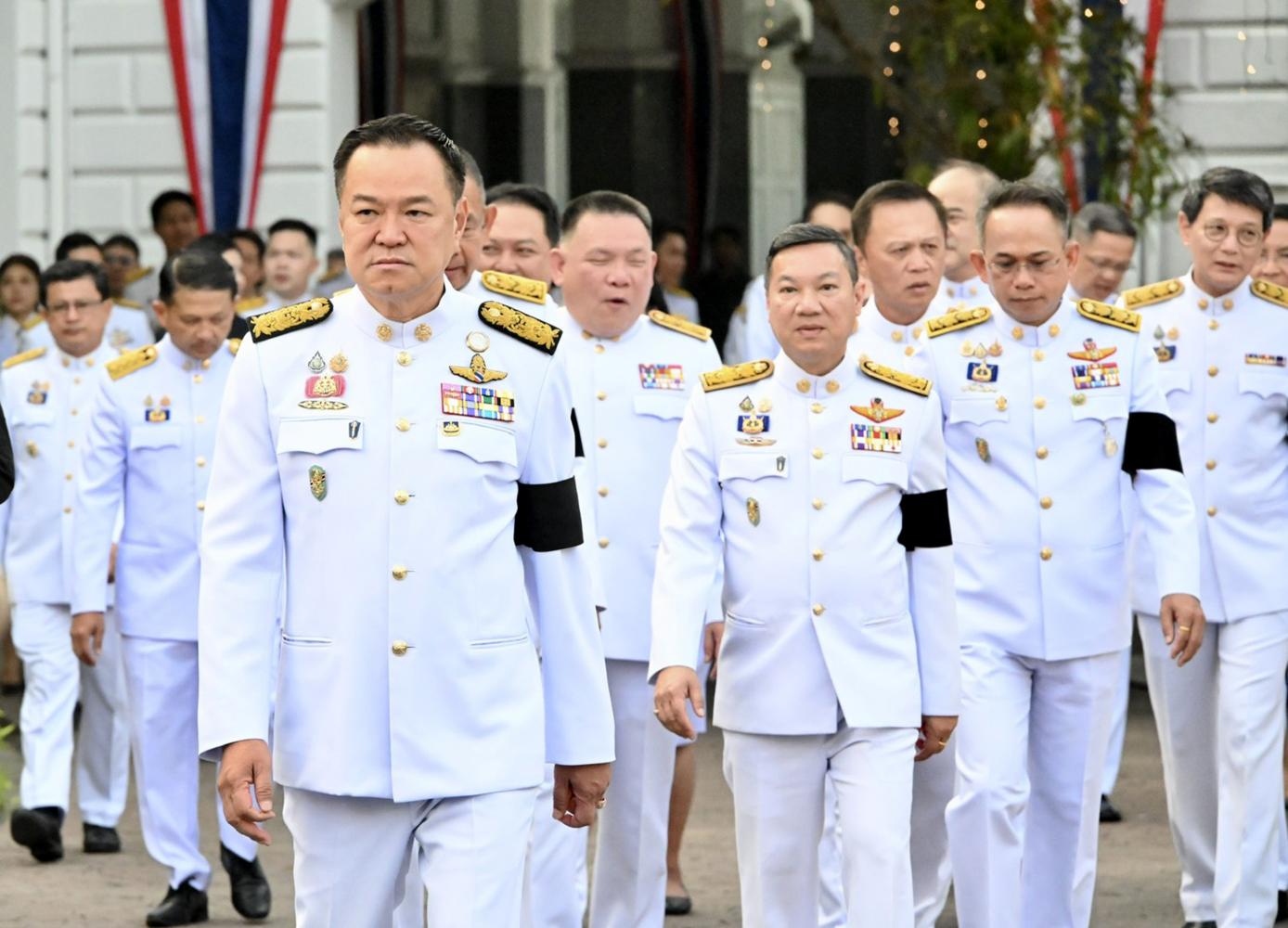
Government stability tests performance
Oped, Thitinan Pongsudhirak, Published on 03/04/2026
» Prime Minister Anutin Charnvirakul has gone from strength to strength, leveraging a stopgap minority government late last year into solid majority rule after the Feb 8 election.
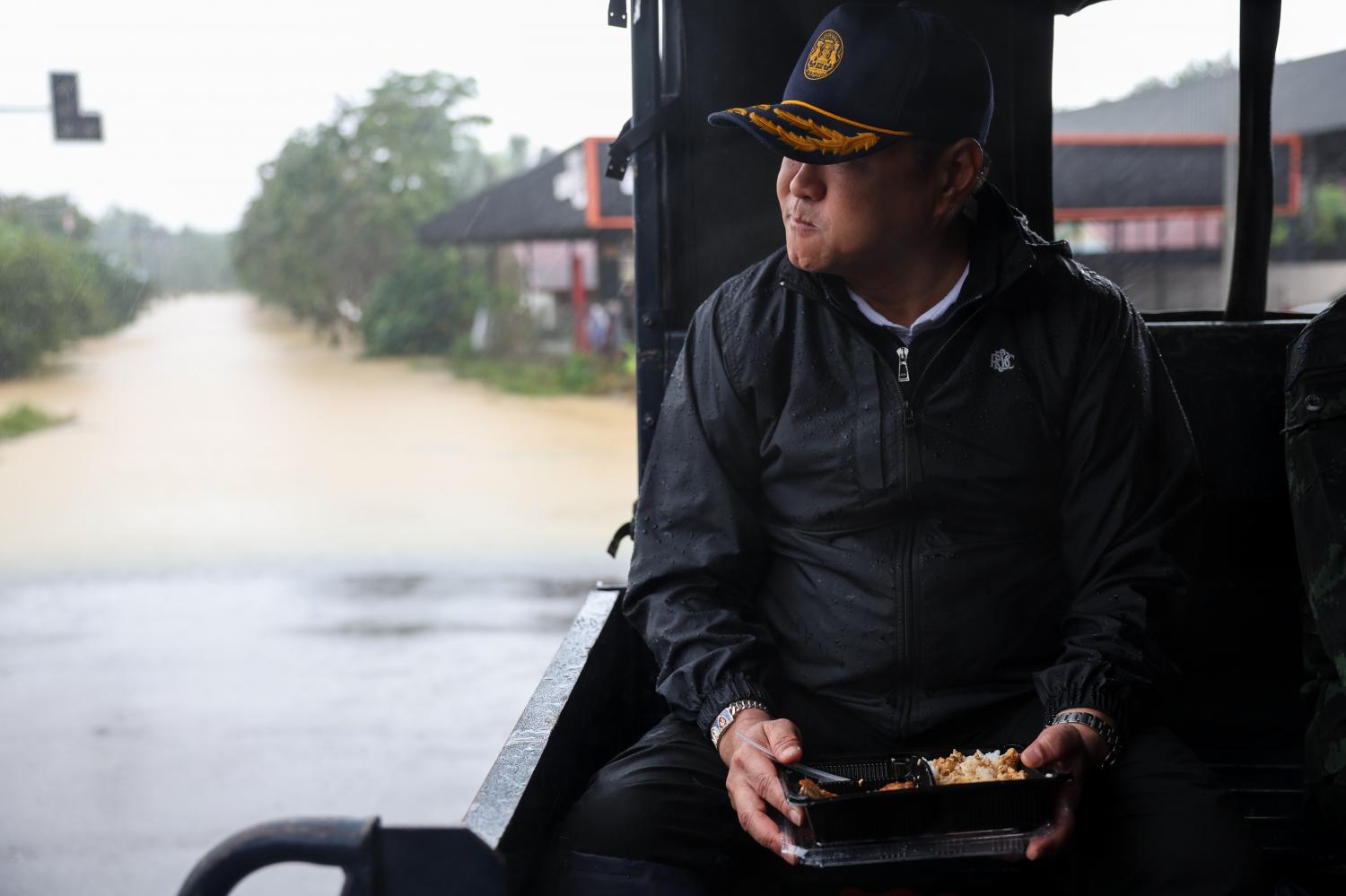
Thailand hit by a confluence of crises
Oped, Thitinan Pongsudhirak, Published on 05/12/2025
» Thailand is currently facing multiple crises of unprecedented proportions in the highest corridors of power that will pose adversity for the economy and political stability next year and beyond.
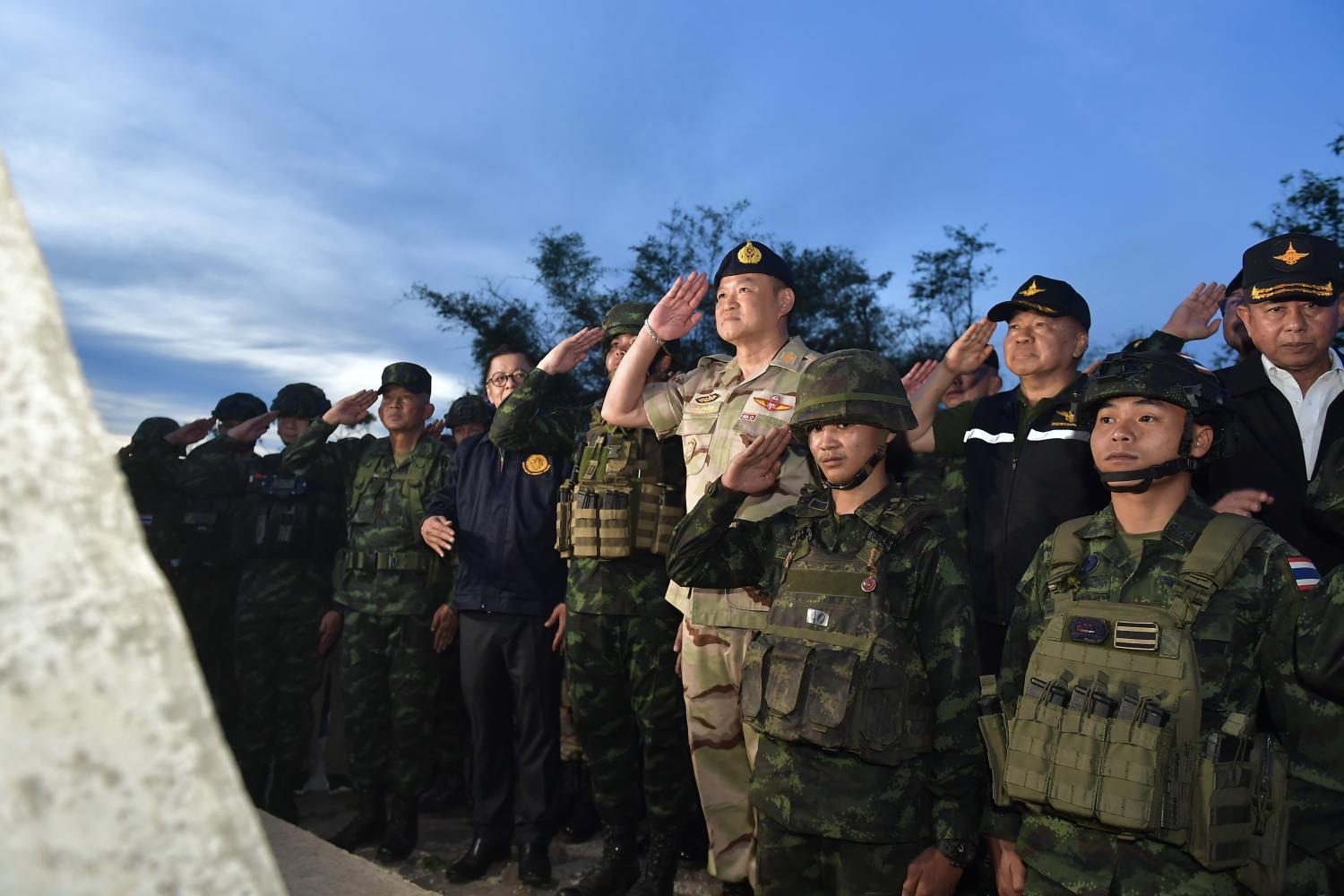
No-confidence and poll date in flux
Oped, Thitinan Pongsudhirak, Published on 14/11/2025
» Amid the drumbeats of military conflict with Cambodia, Thailand's political environment is evidently unruly and unsettled. The minority government of Anutin Charnvirakul, the third prime minister from the third largest-winning party since the latest national election in May 2023, is hard-pressed to stay in office beyond the four-month "Memorandum of Agreement" between his Bhumjaithai Party (BJT) and the People's Party (PP), the largest camp in the national assembly.

Thailand's era of economic stagnation
Oped, Thitinan Pongsudhirak, Published on 05/07/2024
» After two decades of political instability and turmoil, it was a matter of time before the Thai economy would exhibit signs of distress and desperation. For decades, the Thai economy has proved resilient with an uncanny knack for bouncing back. But Teflon Thailand may have become a thing of the past. Headlines on the Thai economy have been heading south precipitously. Unless fundamental political reforms take place, Thailand will likely enter a period of low and plateaued growth with risks of grinding stagnation.

Thailand's judiciary faces challenges
Oped, Thitinan Pongsudhirak, Published on 24/05/2024
» Thailand appears to be a country of 70 million, ultimately ruled by an unelected few. This sobering reality was on display when two connected groups of top generals seized power from democratically elected governments in September 2006 and May 2014. Unlike these blatant military coups over the past two decades, at issue now is the power and role of the judiciary. While Thailand has another democratically elected civilian government under Prime Minister Srettha Thavisin, the question that needs to be asked is whether the country is effectively under judicial rule.

Myanmar's military takeover falters
Oped, Thitinan Pongsudhirak, Published on 03/02/2023
» Global news headlines this month will be focused on the one-year anniversary of Russia's invasion of Ukraine, which falls on Feb 24. This external aggression, where a bigger state unilaterally takes territory from a smaller neighbour by force, can be juxtaposed to an internal subjugation in Myanmar, where a military coup took place two years ago this week. Whether the aggression is externally between states, or internally within a state, the oppressors behave the same way and pursue similar objectives of conquest and dominance. Reversing an internal subjugation is as morally compelling as turning back an external aggression. What Myanmar's civilian-led resistance coalition needs is a fraction of the aid the Ukrainians have been receiving.

Myanmar military fails sovereignty test
Oped, Thitinan Pongsudhirak, Published on 04/02/2022
» After seizing power from an elected civilian government on Feb 1 last year, Myanmar's military junta under the State Administration Council (SAC) has fallen short of the four categories that constitute the definition of a sovereign state.

Correcting the pandemic policy tack
Oped, Thitinan Pongsudhirak, Published on 30/07/2021
» That Thailand's coronavirus pandemic has been grossly mismanaged is self-evident. Infection rates have soared to new highs this month while vaccine availability and access remain shoddy and abysmal. The overstretched healthcare system is creaking under growing demand, while several scenes so far of Covid-afflicted people being left to die on the streets have shaken the country's collective morale and elicited soul-searching questions about how Thailand has managed to reach this dire juncture.

Why Thai student movement can't exist
Oped, Thitinan Pongsudhirak, Published on 28/08/2020
» Thailand's new round of political confrontation in the 21st century -- the first under a new reign -- is showing signs of déjà vu with fundamentally different dynamics. Earlier rounds of the Thai drama from 2005 to 2014 went through three major acts, each beginning with an election, followed by a problematic government and street demonstrations, ending with military or judicial interventions. Even though its electoral allies lost in these three polls, the pro-establishment side won each time it went onto the streets citing the monarchy as legitimacy and moral authority.

Top brass, technocrats, politicos all same
Oped, Thitinan Pongsudhirak, Published on 12/06/2020
» When ostensible technocrats become ambitious politicians, supervised by army generals and beholden to patronage-driven elected politicians, the result is a power struggle, internal party turmoil, and a country being governed to nowhere. This is the current state of Thailand's ruling Palang Pracharath Party (PPRP), the head of a motley and fractious 19-member coalition of minor and micro parties, some represented by one single MP, propping up the government of former coup leader and current Prime Minister Prayut Chan-o-cha. Yet in the face of the opposition bloc that is weak because it has been weakened, after the third-largest winner the Future Forward Party from the last election was dissolved earlier this year, the PPRP is on course to be in office for the foreseeable future, as a new poll is not due for another three years. These dire dynamics suggest Thailand will continue to be rudderless, stuck in a quagmire of its own making, with headwinds that may lead to a reckoning tempest.