



Showing 1 - 5 of 5

Domestic drivers of bilateral conflict
News, Thitinan Pongsudhirak, Published on 19/12/2025
» The latest flare-up and intensification of the armed conflict between Thailand and Cambodia should be understood less as a new crisis and more as a resumption of a bilateral clash that erupted in late July.

Defusing Thai-Cambodian border row
Oped, Thitinan Pongsudhirak, Published on 13/06/2025
» At issue in the ongoing border standoff between the Thai and Cambodian armed forces is timing and circumstance. In less than two weeks, a seemingly minor border skirmish intensified into a full-scale military confrontation. What is being overlooked in the thick of mutual antagonism and ultranationalism on both sides is when and how the current round of confrontation transpired. Getting its origins right is crucial to finding ways and means for conflict resolution.

Endgame dynamics in Russia's war
Oped, Thitinan Pongsudhirak, Published on 01/04/2022
» Five weeks into Russia's invasion of Ukraine, the tables are turning dramatically amidst the fog of war. As the Ukrainians have stood their ground better than anticipated, the Russians have been put on the back foot. The centre of gravity in the war now appears to be shifting eastward away from Kyiv towards Crimea and the Donbas region. As endgame discussions emerge, all major parties in the conflict are behoved to arrive at a viable settlement and common denominator without overplaying their hands.
A trade war that is about more than trade
News, Thitinan Pongsudhirak, Published on 24/08/2018
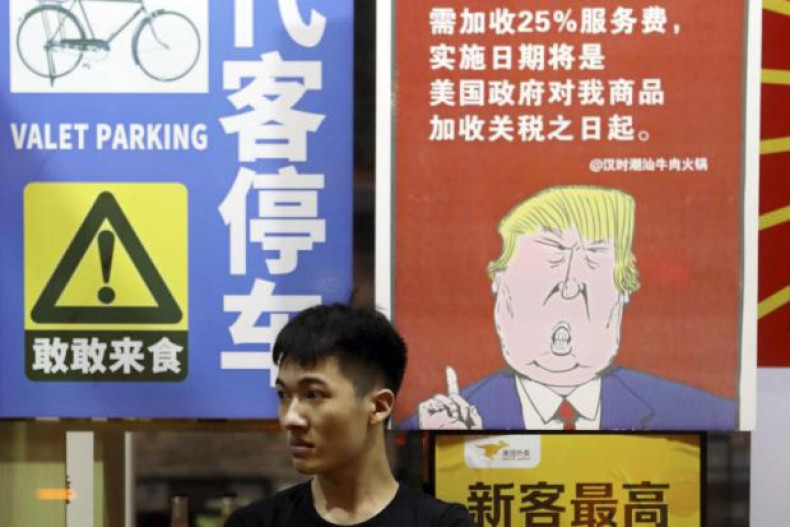
» The most dangerous risk from the ongoing "trade war" between the United States and China is that it is not fundamentally about trade. With each tit-for-tat escalation and retaliation from both sides, what the world is witnessing is a larger struggle between two grand competitors of the 21st century, underpinned by opposing systems of socioeconomic organisation, values and ideas about global order.
The Indo-Pacific and Asean centrality
News, Thitinan Pongsudhirak, Published on 01/06/2018
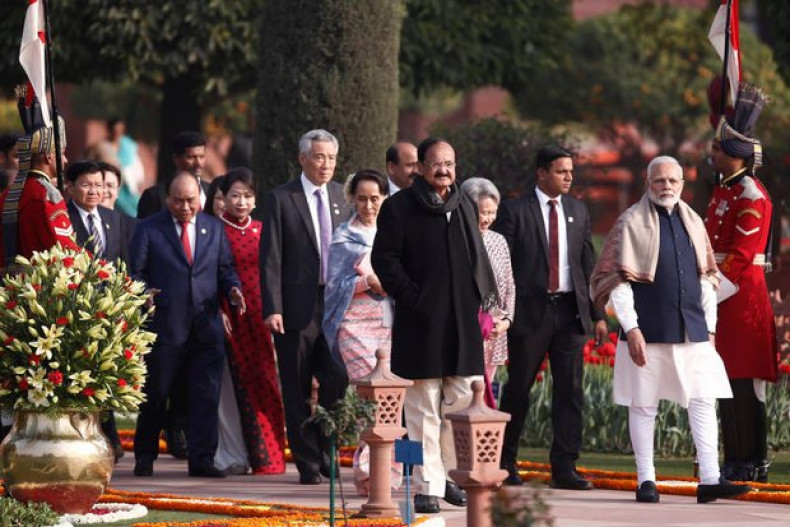
» Even though US President Donald Trump repeatedly alluded to it in his speeches at Asean-led summits in Danang and Manila late last year, and despite its reference in both the United States National Security Strategy and National Defence Strategy, the geographic notion of a "free and open Indo-Pacific" (FOIP) straddling both the vast Pacific and Indian oceans has been given short shrift in many capitals. Chinese Foreign Minister Wang Yi suggested last March that the Indo-Pacific was only an "attention-grabbing idea", akin to "the sea foam in the Pacific and Indian Ocean" that "may get some attention but will soon dissipate". Asean leaders have paid some attention but have not had a collective and cohesive reaction to it. But now everyone in Asian security circles and beyond will take notice.