



Showing 1 - 10 of 15
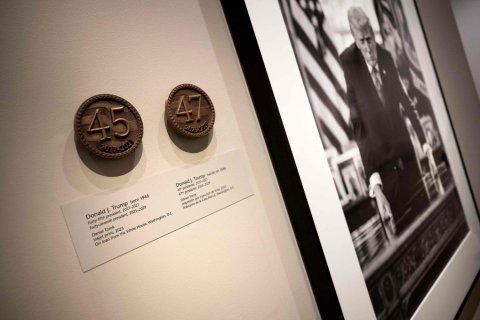
Trump's 'America First' in overdrive
News, Thitinan Pongsudhirak, Published on 23/01/2026
» President Donald Trump's extraterritorial capture of Venezuelan President Nicolas Maduro and his wife on cocaine-trafficking and terrorism-related charges earlier this month and repeated demand to take over Greenland at the World Economic Forum this week are part and parcel of a belligerent and transformative "America First" paradigm that dates back at least four decades.

Thailand's false sense of tariff security
Oped, Thitinan Pongsudhirak, Published on 30/05/2025
» Thailand is in deeper trouble among its peer group in view of United States President Donald Trump's tariff offensive. Yet senior Thai officials appear nonchalant, complacent and smug. They seem to think Thailand will come out of the US tariff war in good shape as the Trump administration will prove unable to go through with its hefty import duties. The domestic political battle between the US executive and judicial branch -- with the Court of International Trade's injunction this week on most of the Trump tariffs -- further adds to the absurd sense of security and false perception of Thailand's importance by Thai officials.

Asian elections, democracy in 2024
Oped, Thitinan Pongsudhirak, Published on 29/12/2023
» Billed as the biggest election year ever as more than half of the global population goes to the polls, 2024 will be critical to the debate about democratisation and autocratisation. Asia will lead the way with elections in India, Bangladesh, Pakistan, and Indonesia, while the most recent polls in Myanmar and Thailand offer long-term lessons about democracy and dictatorship. The salient themes next year will be about the self-perpetuating tendencies of incumbent regimes and the resilience of democratic rule when authoritarianism seemed to have the upper hand.

No exit from our democratic future
Oped, Thitinan Pongsudhirak, Published on 05/05/2023
» As Thailand's much-anticipated poll on May 14 heads into its homestretch, several clear trends and patterns are emerging to suggest that democratisation is making an inexorable comeback in this country, with positive implications for Southeast Asia and beyond. The immediate road ahead in Thai politics will likely still be bumpy, potentially marked by more judicial interventions and electoral manipulation, or even another military takeover, to thwart the people's choices at the poll. But eventually, pro-democracy forces backed by the Thai people's demand for change will come back time and again until there is a rebalanced, representative and reworked constitutional order in place.
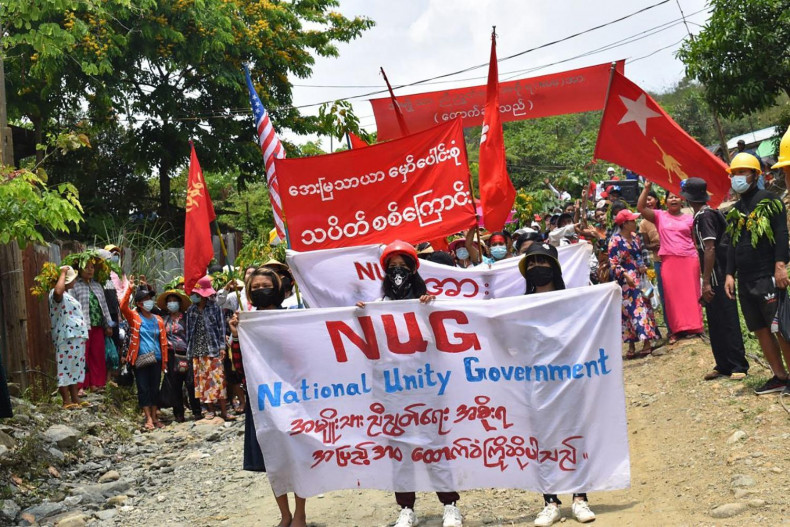
Give Asean seat to Myanmar opposition
Oped, Thitinan Pongsudhirak, Published on 22/10/2021
» Nearly nine months after its forceful takeover of the country from a legitimately elected civilian government, Myanmar's military has shown that it is one thing to seize power but an entirely different reality to consolidate and impose control.
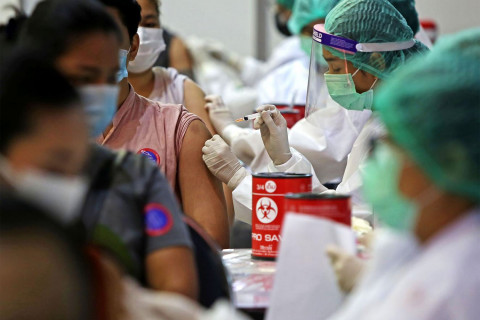
Prayut govt stuck in self-made trap
Oped, Thitinan Pongsudhirak, Published on 02/07/2021
» Thailand's multi-layered crises from persistent virus infections and vaccine shortages to economic damage are building up into a potential political upheaval. The ravaging Covid-19 crisis is worse than the infamous Tom Yum Kung economic crisis in 1997-98. This time, the military-predominant government of Prime Minister Prayut Chan-o-cha is stuck in multiple traps of its own making. Getting out of this predicament means the pandemic situation is likely to get a lot worse before any hope of recovery and way forward can be found.
Prayut government seems bullet-proof
Oped, Thitinan Pongsudhirak, Published on 21/05/2021
» The passage of time shows the government's growing lack of accountability. In fact, the government of Prime Minister Prayut Chan-o-cha appears the most unaccountable on record because it has been the most incompetent. Myriad charges from policy mismanagement and blatant irregularities to outright constitutional violations have been levied against the government but none have stuck. Although some attribute this phenomenon to Gen Prayut's "Teflon" qualities, a more accurate understanding may well be that his cabinet is somehow bullet-proof. Charges can stick but they cannot penetrate.
Youth movement has staying power
Oped, Thitinan Pongsudhirak, Published on 07/08/2020
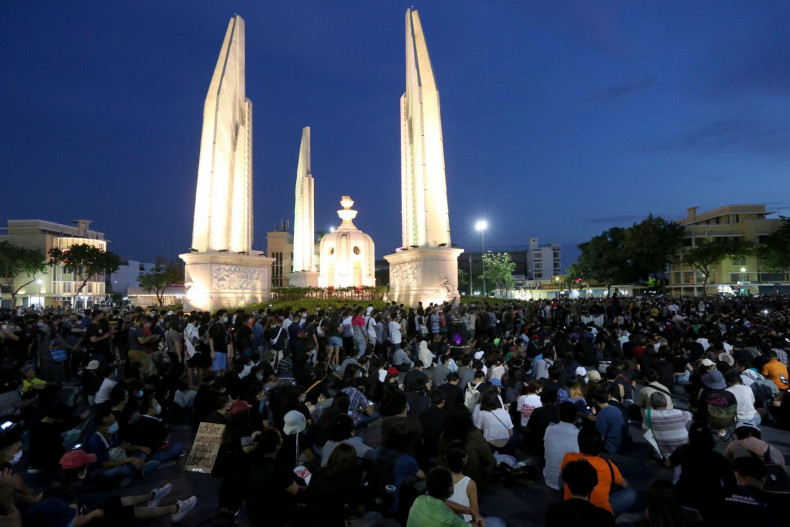
» As Thailand's youth movement for political change gathers momentum, it has already shown unprecedented trends and patterns. Moving forward, the conservative forces who oppose change and reform will likely train their sights on these young demonstrators to deny and derail them through manipulation and coercion. But this youth movement is unlikely to stop without a fight. These young men and women of high school and university age are here to stay for the long haul because their collective future, not just the ideology and ideals they espouse, is at stake.
Virus risks versus economic imperatives
Oped, Thitinan Pongsudhirak, Published on 08/05/2020
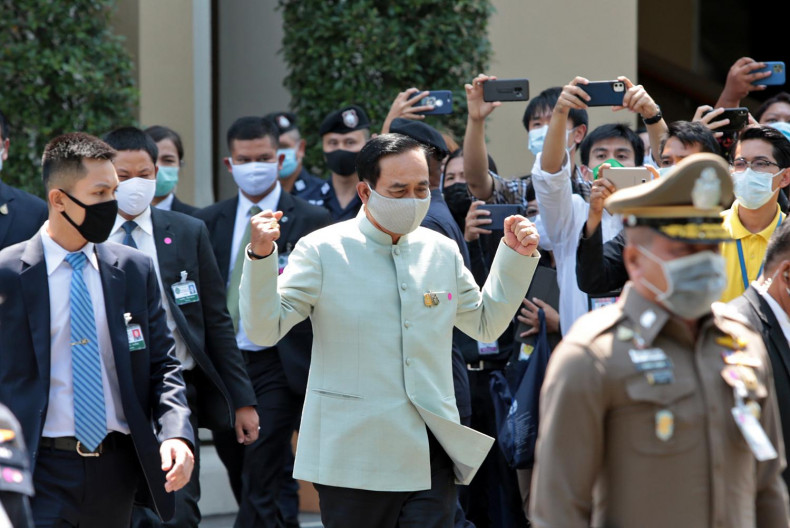
» The coronavirus pandemic requires responding governments to be agile and quick on their feet, learning by doing and constantly reevaluating their policy mix. What was needed a month or two ago may need to be recalibrated this week for the immediate future in a moving balance of risks and objectives. For Thailand, the balance between public health safety and economic reality has been lost. The Centre for Covid-19 Situation Administration (CCSA) risks becoming a victim of its own success. This means the government of Prime Minister Prayut Chan-o-cha should now be listening to economists and social workers a little more than epidemiologists and medical doctors as Thailand's virus-fighting priorities shift with twists and turns.
Brexit follows history's recurrent curve
News, Thitinan Pongsudhirak, Published on 29/11/2019
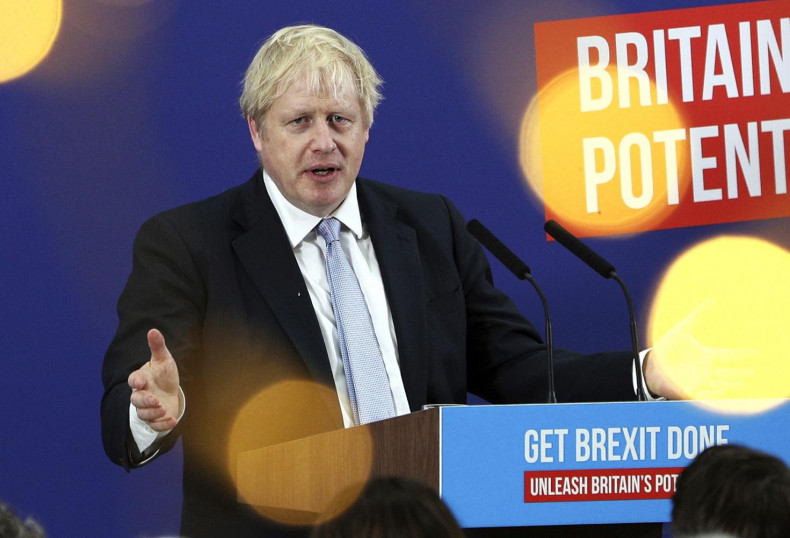
» The longer the time spent together, the more painful any breakup is likely to be. This reality dogs the United Kingdom more than three years after its referendum to exit the European Union, a process commonly known as "Brexit". Notwithstanding opponents who may wish otherwise, Brexit is now seen as irreversible, especially as the Conservative Party under Prime Minister Boris Johnson is polling well ahead of the Labour Party just a fortnight before polls on Dec 12. Brexit is likely to be viewed in hindsight as part of a de-integration process in a recurrent historical pattern increasingly manifesting in trade protectionism, anti-immigration, and curbs on international cooperation.