



Showing 1 - 6 of 6
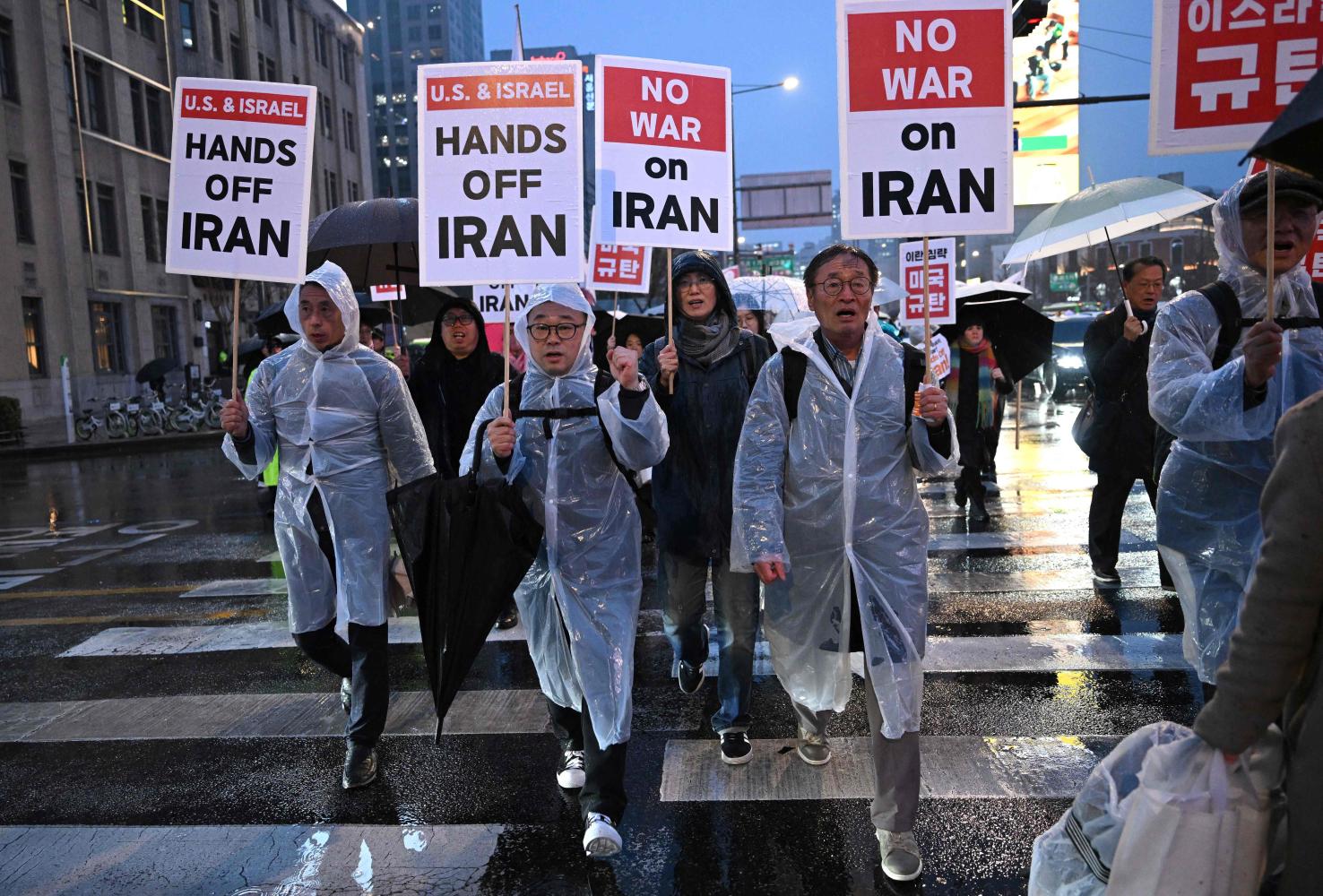
America risks grand folly in Iran war
Oped, Thitinan Pongsudhirak, Published on 06/03/2026
» It is just the first week of the joint attack between the United States and Israel on the Islamic Republic of Iran, but the repercussions from the Middle East for the Indo-Pacific are already discernible.

Singapore turns 60 with much to show
Oped, Thitinan Pongsudhirak, Published on 08/08/2025
» No country turns 60 like Singapore. In a neighbourhood of political dynasties and varying shades of autocracies and flawed democracies, the little island state of six million got lucky with its strongman rule. When he died in 2015, Singapore's patriarchal founder Lee Kuan Yew left a great country behind. This weekend, Singaporeans can take stock of what's gone by and rightly celebrate its milestone with much to show for.

Thailand's Brics move is misguided
Oped, Thitinan Pongsudhirak, Published on 21/06/2024
» There are two main explanations behind Thailand's application to join the Brics group, initially comprising Brazil, Russia, India, China, and South Africa.

The global politics of virus vaccines
Oped, Thitinan Pongsudhirak, Published on 11/09/2020
» It is clear now that Thailand's de facto strategy for handling the coronavirus pandemic is to minimise local infections and wait for a safe and effective vaccine. The recent discovery of just one Thai in a Bangkok suburb who tested positive sent the country into near-panic mode after 100 days of zero local transmissions, similar to the case of an Egyptian military official who visited Rayong province in July and tested positive thereafter.

Seeing Asean straight as Thailand chairs
News, Thitinan Pongsudhirak, Published on 21/06/2019
» When Asean organises big meetings, the tendency for the host is to talk up a brouhaha. So it goes with the 34th Asean summit under Thailand's rotating chairmanship this year. By year's end, several hundred Asean-related meetings will have taken place, highlighted by the final annual summitry in October-November that will include top leaders from China, India, Japan, Russia, the United States, among others.

Maintaining what's left of rules-based order
News, Thitinan Pongsudhirak, Published on 20/07/2018
» For anyone who is alive today, the world as we know it has never been so stirred and shaken. The international order based on a common set of institutions, rules and norms that used to be widely cherished and universally beneficial is unravelling before our collective and helpless eyes. From an emerging United States-China trade war and Beijing's militarised occupation of the South China Sea to Russia's revanchist annexation of Crimea, world order over the past several years has been breaking down. Those who once set the rules, principally the US, are breaking them, while aspiring new rule-setters, mainly China, have not found sufficient international reception. Rule-takers, such as the smaller states in Asean, suffer the most when set rules lose cohesion, lustre and abidance.