



Showing 1 - 10 of 19
Impacts of Iran war on Southeast Asia
Oped, Thitinan Pongsudhirak, Published on 20/03/2026
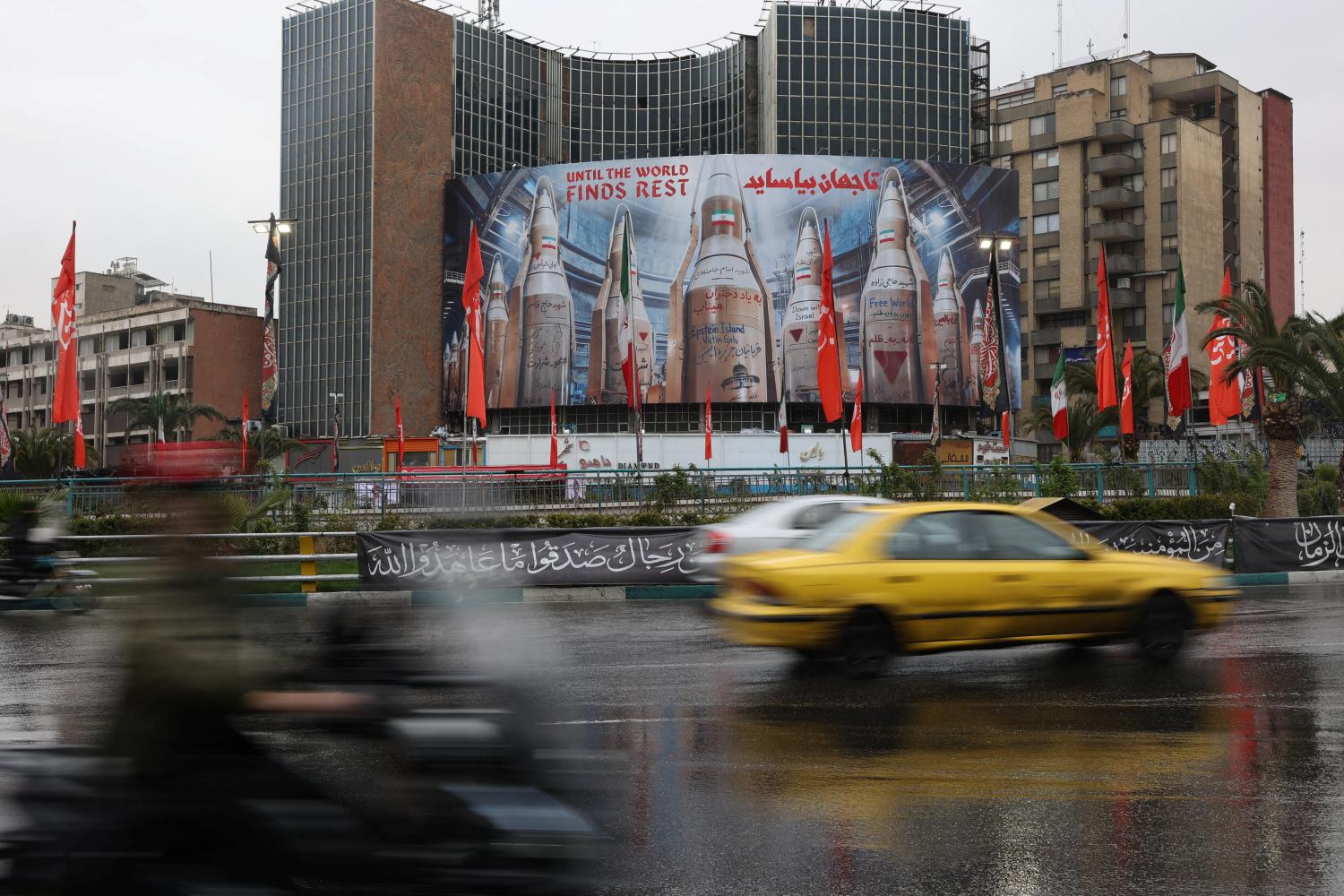
» For the most part, Southeast Asia as a region has taken a neutral stance toward the joint attack between the United States and Israel against the Islamic Republic of Iran. Even the Philippines and Thailand, two formal US treaty allies, have distanced themselves, calling for restraint and de-escalation.
The gist of Thai politics over 20 years
Oped, Thitinan Pongsudhirak, Published on 20/02/2026
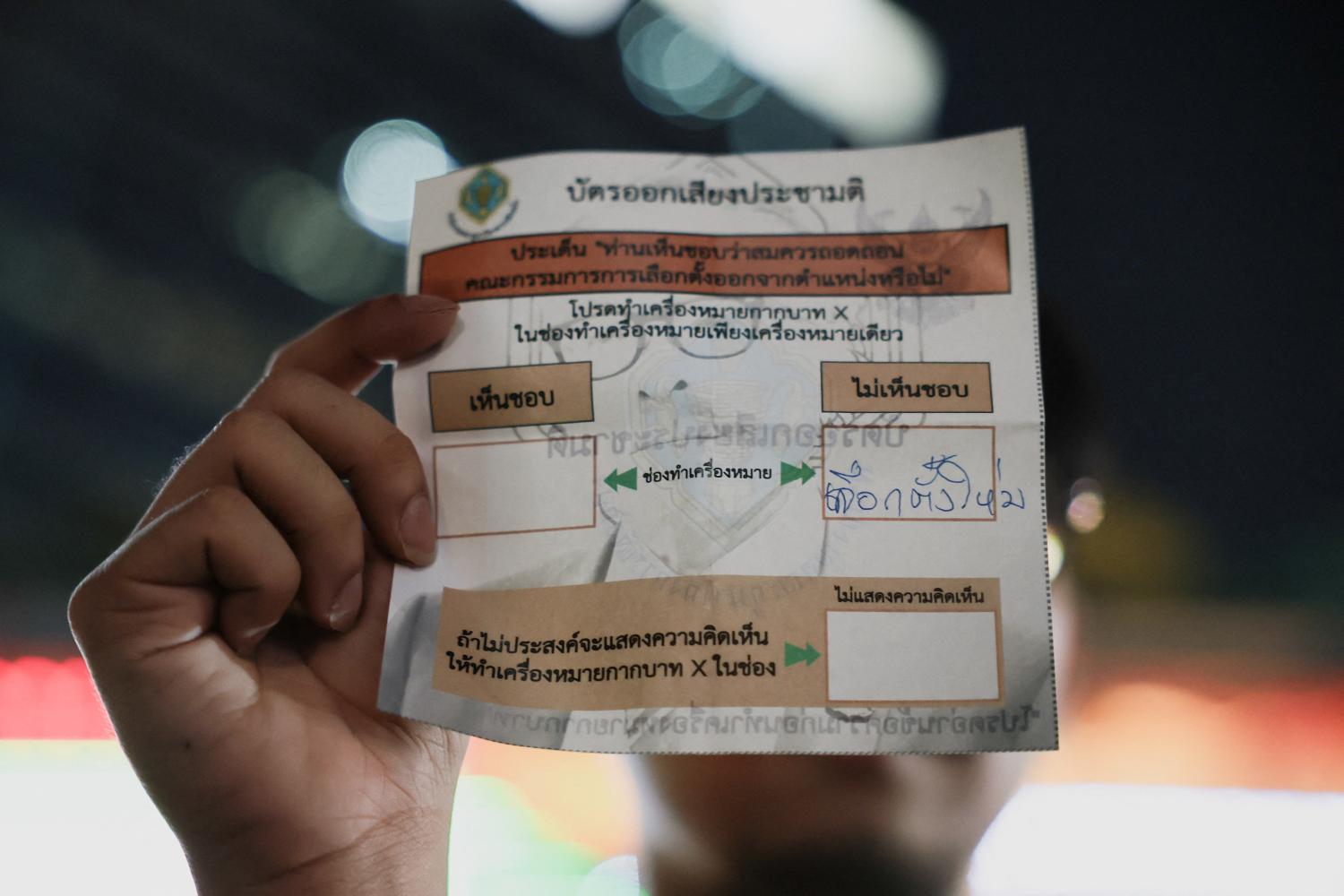
» Thailand's democratic institutions have been repressed and kept weak to the point that confusion still prevails almost two weeks after the Feb 8 election, which purportedly showed a clear victory for the ruling Bhumjaithai (BJT) Party under Prime Minister Anutin Charnvirakul. On the one hand, Mr Anutin and BJT stalwarts are busy forming a coalition government with other parties. On the other hand, fraud allegations from civil society groups and the opposition People's Party have reached a critical mass with the plausibility that the recent vote might be nullified to pave the way for a new poll.
Implications of conservative triumph
Oped, Thitinan Pongsudhirak, Published on 13/02/2026
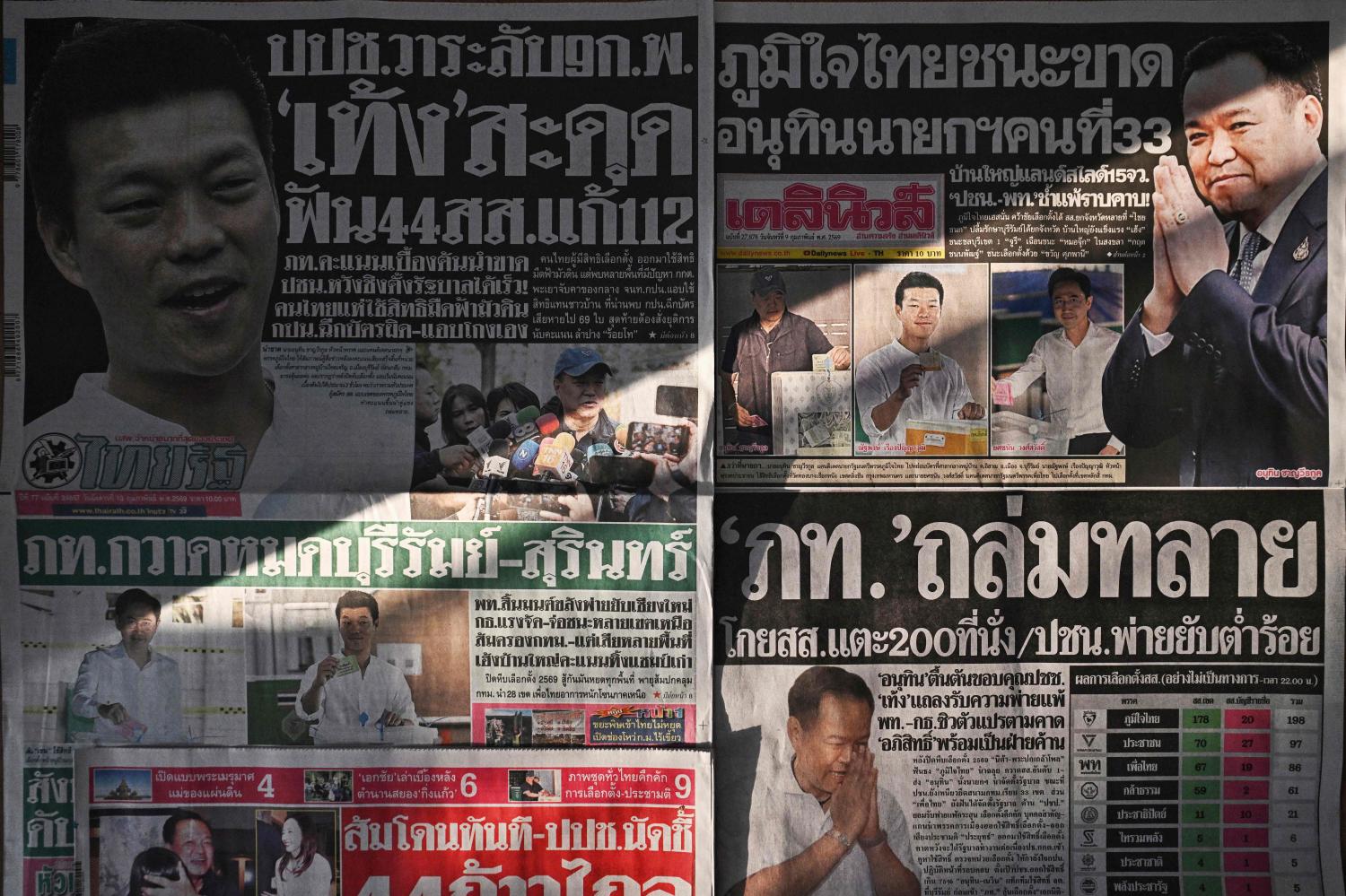
» The incumbent and conservative Bhumjaithai (BJT) Party has surprisingly swept Thailand's Feb 8 election with a commanding win. With the previously poll-leading and progressive People's Party (PP) coming in a distant second, Thailand appears headed for a conservative coalition government revolving around BJT and like-minded junior partners. Known for its conservative stance and being pro-status quo, it would not be surprising if the BJT-led coalition government, led by Prime Minister-elect Anutin Charnvirakul, were not challenged by the Constitutional Court, the Election Commission, and other supervisory agencies, which have derailed and dissolved reform-minded winning parties in the past.
Will poll be breakout or more of same?
Oped, Thitinan Pongsudhirak, Published on 06/02/2026
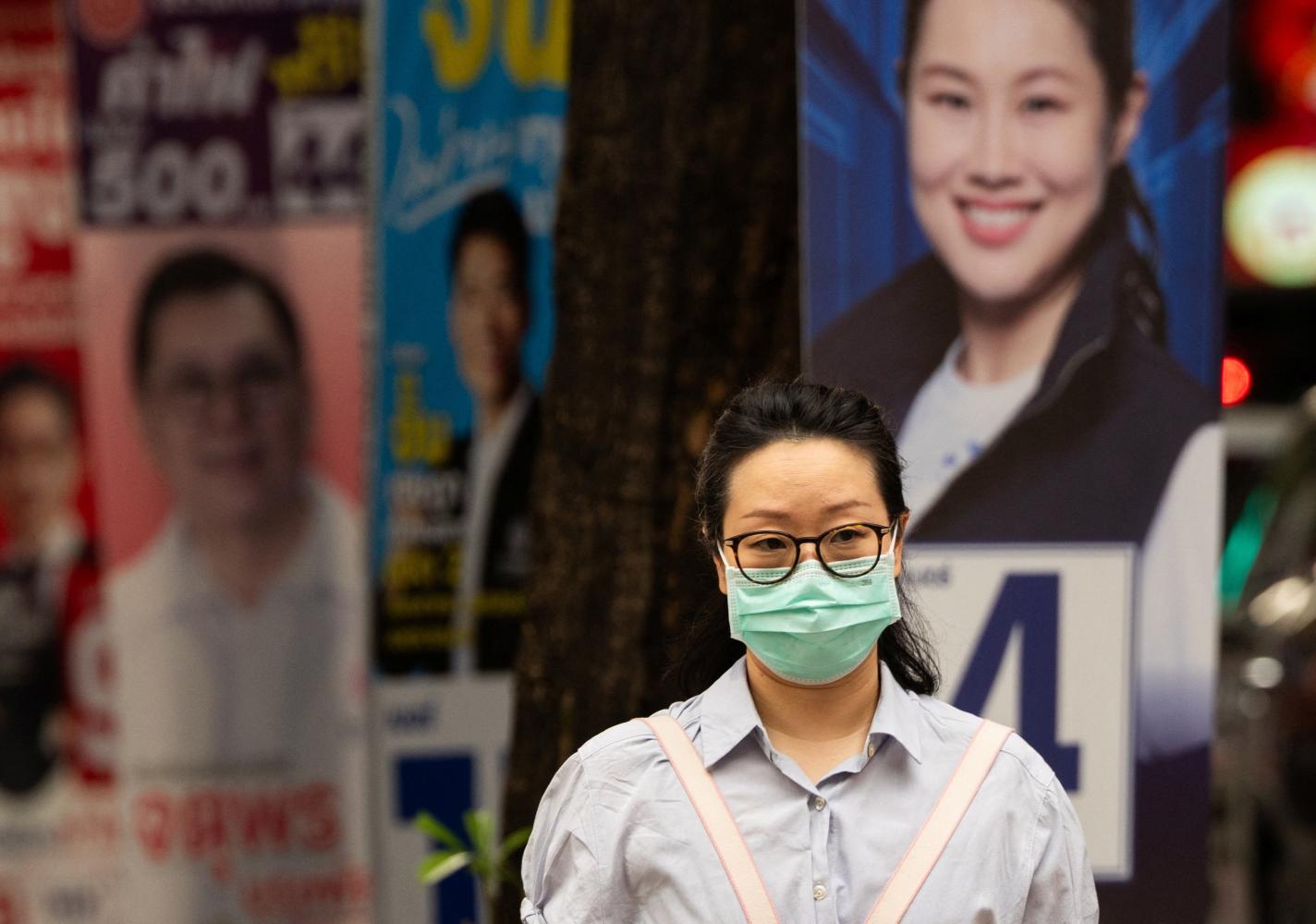
» As Thais go to the polls this Sunday, the most consequential question is whether Thailand will finally break out of its debilitating cycle of political instability and economic underperformance that has marked the past two decades. The signs and signals suggest otherwise -- at least not yet.
No-confidence and poll date in flux
Oped, Thitinan Pongsudhirak, Published on 14/11/2025
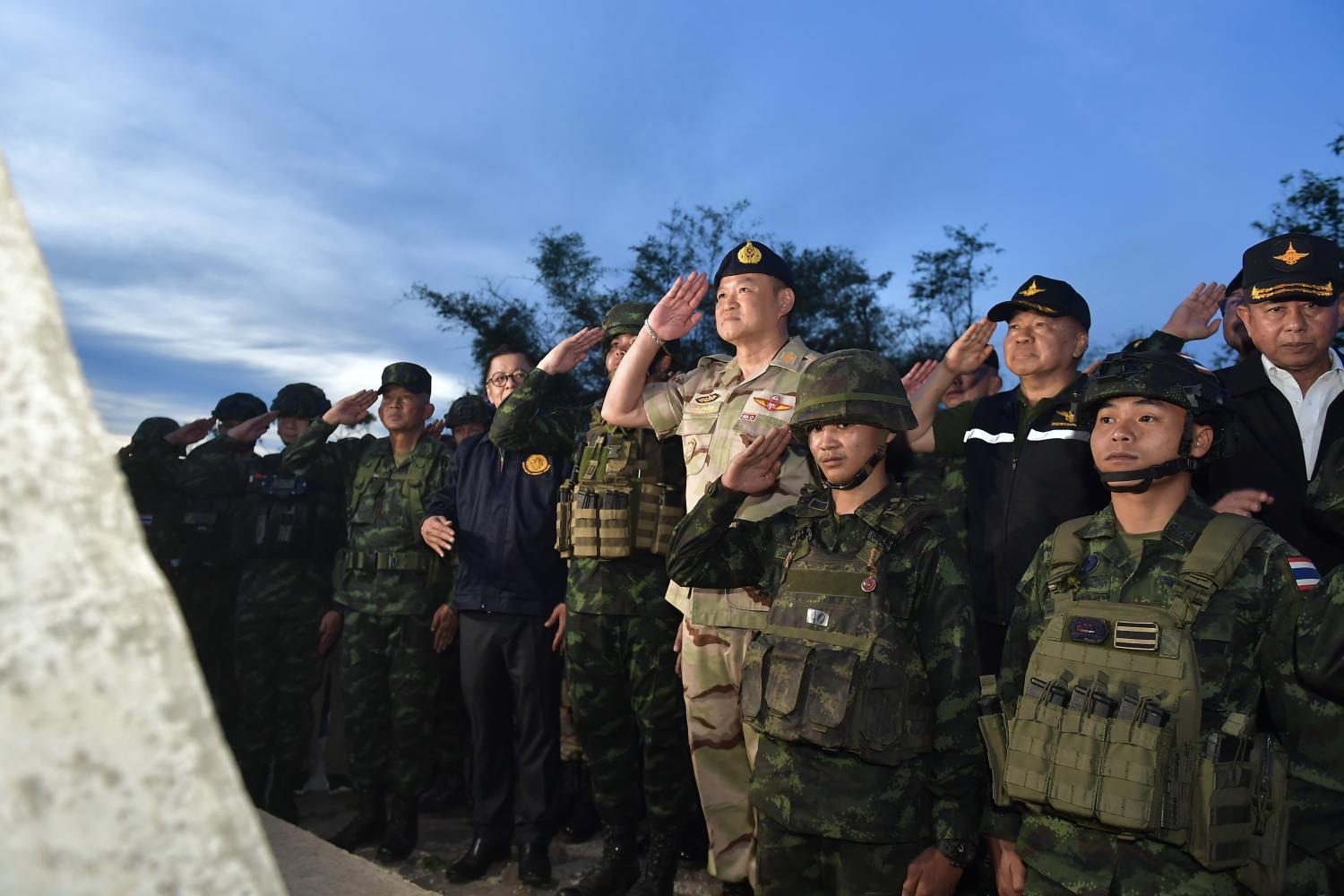
» Amid the drumbeats of military conflict with Cambodia, Thailand's political environment is evidently unruly and unsettled. The minority government of Anutin Charnvirakul, the third prime minister from the third largest-winning party since the latest national election in May 2023, is hard-pressed to stay in office beyond the four-month "Memorandum of Agreement" between his Bhumjaithai Party (BJT) and the People's Party (PP), the largest camp in the national assembly.
Anutin's new cabinet is a mixed bag
Oped, Thitinan Pongsudhirak, Published on 26/09/2025
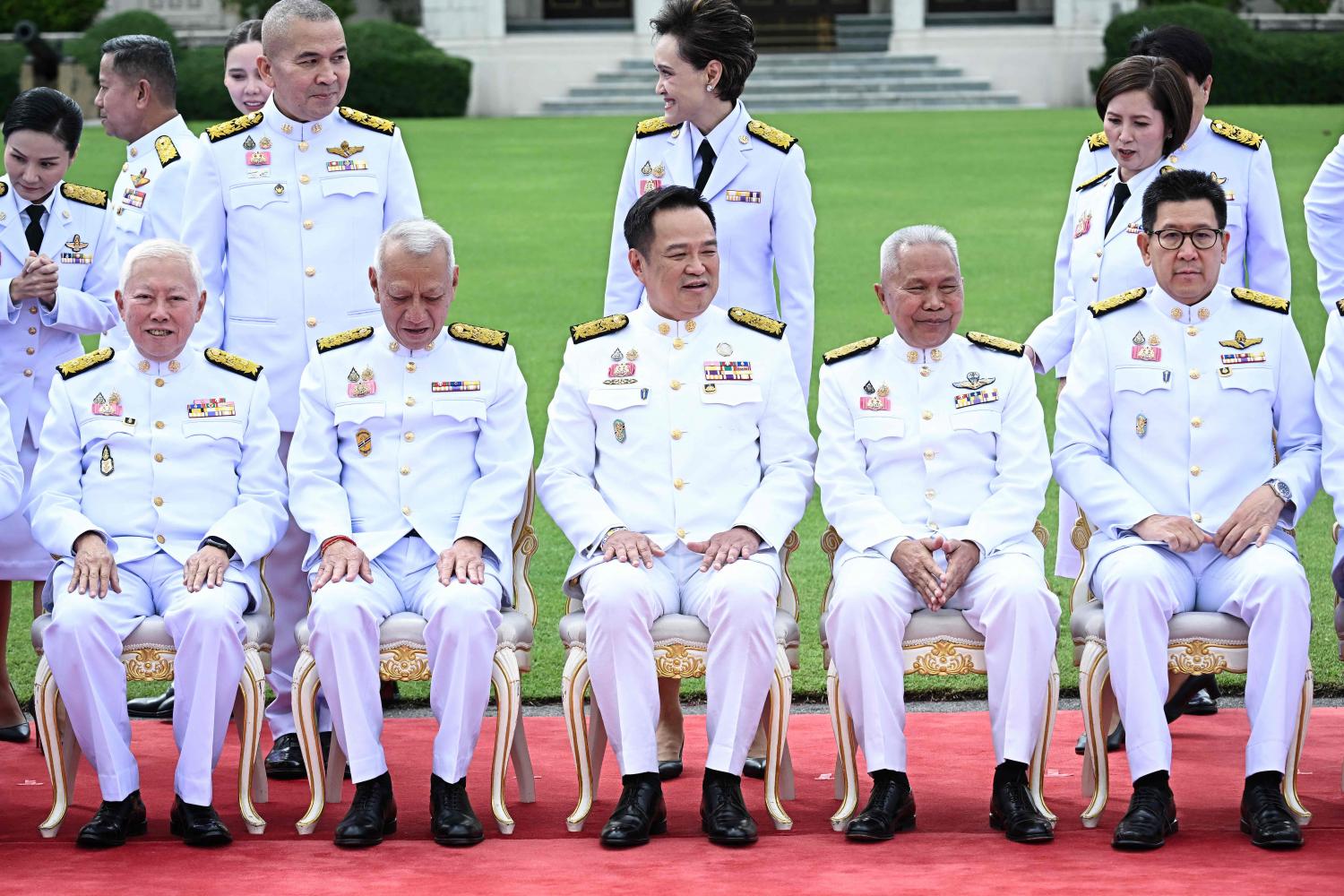
» The composition and size of Prime Minister Anutin Charnvirakul's 36-member cabinet suggest that he intends to stay in office for as long as possible, clinging to the terms of the government-enabling Memorandum of Agreement (MOA) and calling an early election only if circumstances make it unavoidable.

Thailand needs a geostrategic rebalance
Oped, Thitinan Pongsudhirak, Published on 06/06/2025
» With two military coups and multiple judicial interventions that combined to subvert election results and weaken democratic institutions over the past two decades, it is unsurprising that Thailand's geostrategic position has leaned increasingly towards China. Naturally, the more Thailand becomes autocratic, the more it will be estranged from established democracies in Europe and North America, as well as Japan and South Korea, with nowhere to turn but to Beijing. But this China orientation is a geostrategic mistake at this time. Thailand should correct its course until clearer signs emerge as to which side of the superpower struggle will come out on top.

Thailand's false sense of tariff security
Oped, Thitinan Pongsudhirak, Published on 30/05/2025
» Thailand is in deeper trouble among its peer group in view of United States President Donald Trump's tariff offensive. Yet senior Thai officials appear nonchalant, complacent and smug. They seem to think Thailand will come out of the US tariff war in good shape as the Trump administration will prove unable to go through with its hefty import duties. The domestic political battle between the US executive and judicial branch -- with the Court of International Trade's injunction this week on most of the Trump tariffs -- further adds to the absurd sense of security and false perception of Thailand's importance by Thai officials.

Prospects at home and abroad in 2024
Oped, Thitinan Pongsudhirak, Published on 05/01/2024
» Overlooked but deeply consequential, 2024 will be the first time in a decade that Thailand is ruled by a civilian-led government. Whatever frustration and disenchantment that arise this year, memories must not run short. Thailand suffered deeply under the coup-backed regime of Gen Prayut Chan-o-cha. Seeing his back is politically good riddance, and having Srettha Thavisin as a thoroughly civilian and pro-business prime minister bodes well for the country. Yet Mr Srettha has his work cut out to boost the economy, address constitutional reform, restore Thailand's international standing, and stay in office into next year amid the global economic slowdown.

Asian elections, democracy in 2024
Oped, Thitinan Pongsudhirak, Published on 29/12/2023
» Billed as the biggest election year ever as more than half of the global population goes to the polls, 2024 will be critical to the debate about democratisation and autocratisation. Asia will lead the way with elections in India, Bangladesh, Pakistan, and Indonesia, while the most recent polls in Myanmar and Thailand offer long-term lessons about democracy and dictatorship. The salient themes next year will be about the self-perpetuating tendencies of incumbent regimes and the resilience of democratic rule when authoritarianism seemed to have the upper hand.