



Showing 1 - 10 of 10
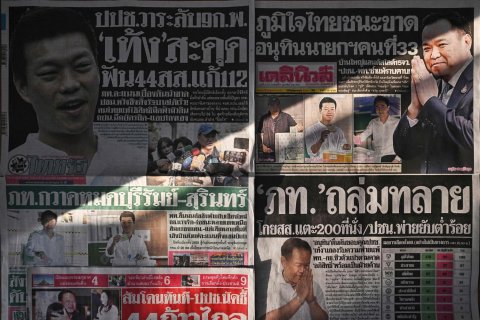
Implications of conservative triumph
Oped, Thitinan Pongsudhirak, Published on 13/02/2026
» The incumbent and conservative Bhumjaithai (BJT) Party has surprisingly swept Thailand's Feb 8 election with a commanding win. With the previously poll-leading and progressive People's Party (PP) coming in a distant second, Thailand appears headed for a conservative coalition government revolving around BJT and like-minded junior partners. Known for its conservative stance and being pro-status quo, it would not be surprising if the BJT-led coalition government, led by Prime Minister-elect Anutin Charnvirakul, were not challenged by the Constitutional Court, the Election Commission, and other supervisory agencies, which have derailed and dissolved reform-minded winning parties in the past.
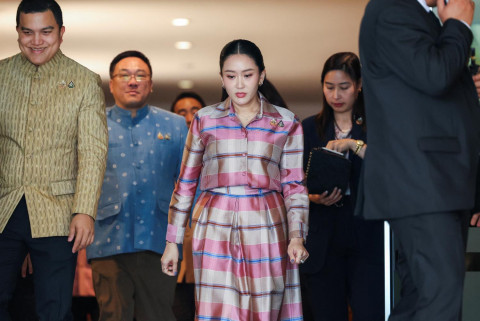
PM's crisis and Thai political directions
Oped, Thitinan Pongsudhirak, Published on 27/06/2025
» What began just a month ago as a minor border dispute with Cambodia has spiralled into an existential political crisis in Thailand. In what she understood to be a private phone conversation with Cambodia's former prime minister and Senate President, Hun Sen, Prime Minister Paetongtarn Shinawatra compromised her premiership and undermined Thai national interests. While she tries to ride out the storm, her tenure appears wobbly and unworkable. What comes next will likely proceed in one of three directions revolving around the Thai parliamentary processes, each with its own scenarios and considerations.
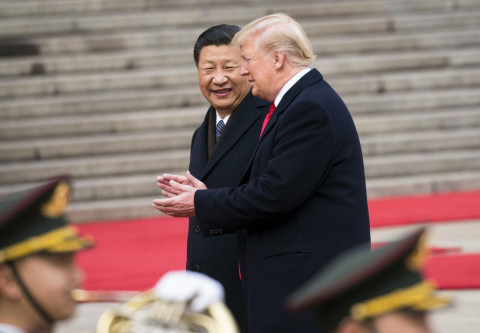
The tyranny of anarchy and what to do
Oped, Thitinan Pongsudhirak, Published on 21/03/2025
» It is both exciting and alarming to be a student of international affairs as the world is being turned upside down. In just two months, the second administration of President Donald J Trump has sent shockwaves rippling through the international system as the United States pulls back from its role as leader, underwriter, and guardian of the nearly 80-year-old international order that it instrumentally constructed after WWII. In view of the US's portentous withdrawal, relative anarchy in the international system is back with a vengeance, leaving Asean members and smaller states elsewhere to fend for themselves in a self-help geostrategic environment.
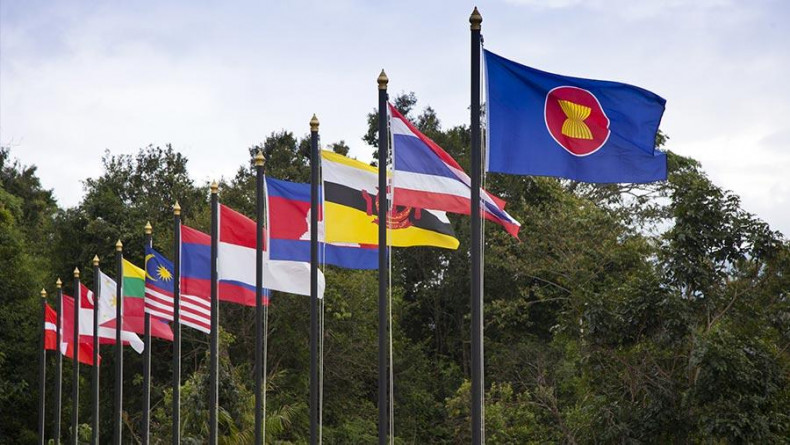
54 years on, Asean needs new modality
Oped, Thitinan Pongsudhirak, Published on 13/08/2021
» After 54 years of being together, Asean is at the end of its tether. It has never been more divided than now, split within member states and across all 10 of them, dominated once again by divisive superpower rivalry and competition. In practice, this means Asean will appear increasingly ineffectual and inert. There will be much bureaucratic motion but few substantive organisational and policy outcomes amid unresolved challenges from within and from outside the region. Asean's best way forward may require unprecedented radical thinking towards a multi-track organisation to ensure relevance and momentum where it can be generated.
HK protests in a regional perspective
News, Thitinan Pongsudhirak, Published on 11/10/2019
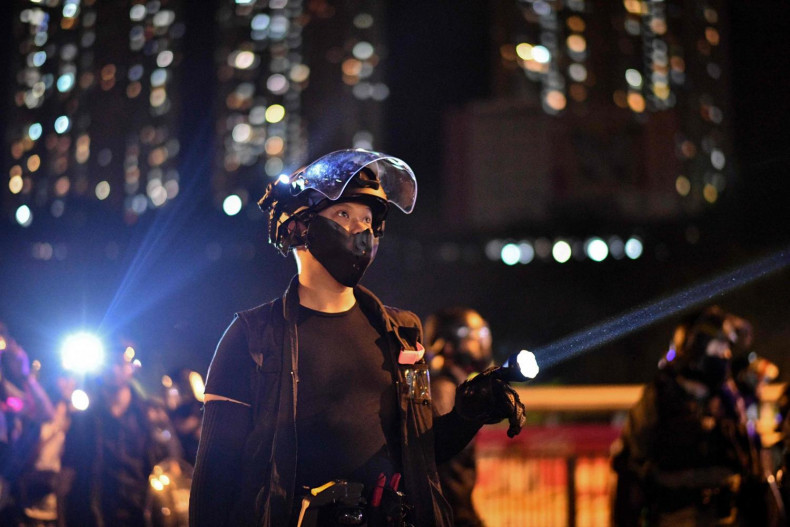
» When Hong Kong's protest movement against the Extradition Law Amendment Bill began on March 30, few could have anticipated that it would become a full-blown popular revolt. The protesters initially opposed the bill because it would allow the Hong Kong government to detain and extradite fugitives to mainland China. Despite the suspension and subsequent withdrawal of the bill by Hong Kong's Chief Executive Carrie Lam, the protest movement has taken on a life of its own. As its end goals of universal suffrage, an independent inquiry into police conduct and Ms Lam's resignation harden, its endgame appears fraught with risks of intensifying confrontation and violence.
Superpower rivalry to put region to test
News, Thitinan Pongsudhirak, Published on 30/08/2019
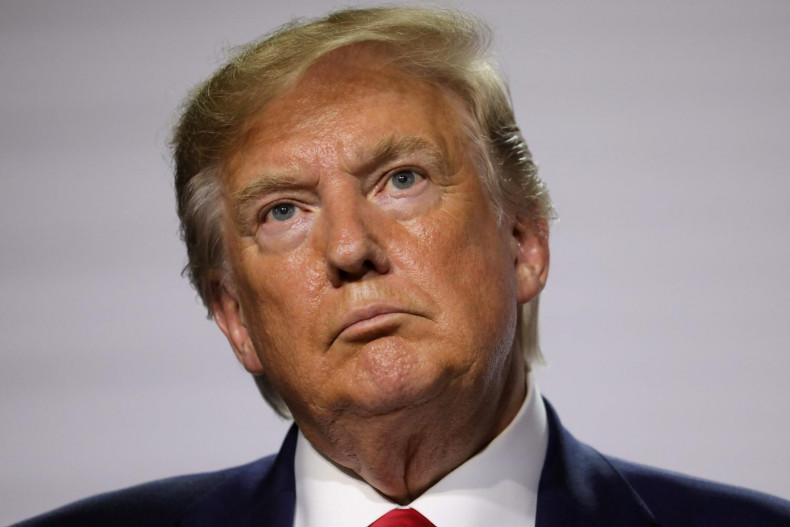
» More than 18 months in, the trade war between the United States and China is not having its intended effects. Despite a flurry of US-led tariff hikes on Chinese products followed by China's retaliatory tax increases on American-made goods since January last year, the government of President Donald Trump is not perceived to be winning the trade conflict. China has proved more resilient and resourceful than many had anticipated. What this means is that the trade war is going to last much longer than many had expected. It is also likely to spread to other areas beyond trade and degenerate into a full-fledged non-military war.
Woeful Senate will worsen political woes
News, Thitinan Pongsudhirak, Published on 10/05/2019
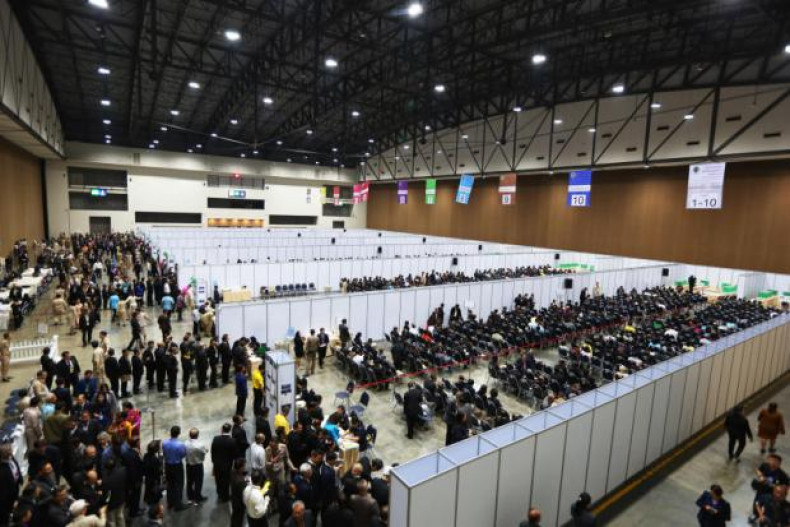
» Since it first took office in 1947, Thailand's Senate has mostly comprised appointees as mandated by more than a dozen constitutions over the past seven decades. Only in the 1997 and 2007 charters was the Senate elected and half elected, respectively. The 2017 constitution has reverted to a wholly appointed upper chamber but this time the 250-member Senate has been given wider authority, particularly the selection of the prime minister.
Election Commission must assert itself
News, Thitinan Pongsudhirak, Published on 25/01/2019
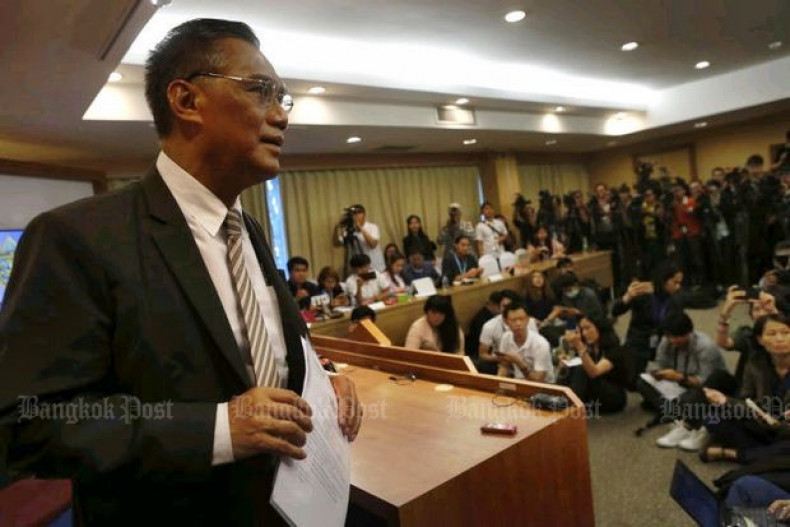
» Thailand is supposed to have an independent Election Commission (EC) that oversees all electoral contests from local polls to national referendums. But as Thailand heads towards a general election on March 24, the seven-member EC has appeared less than eager and enthusiastic and too beholden to government preferences in staging what will be Thailand's first election in nearly nine years.
'Watch scandal' now and amnesty bill then
News, Thitinan Pongsudhirak, Published on 02/02/2018
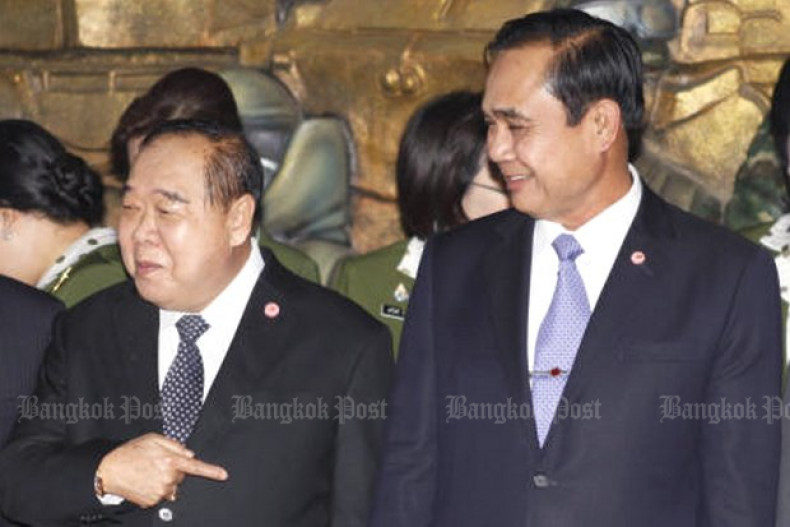
» The gnawing scandal over Deputy Prime Minister and Defence Minister Gen Prawit Wongsuwon's dubious and expensive watches has become tantamount to the amnesty bill that upended the previous elected government of Yingluck Shinawatra, who is now on the run after being overthrown and subsequently convicted over the rice-pledging scheme. These two cases are ostensibly different but in fact they both spell the beginning of an inexorable end.
Is Thailand's civil society waking up again?
News, Thitinan Pongsudhirak, Published on 19/01/2018
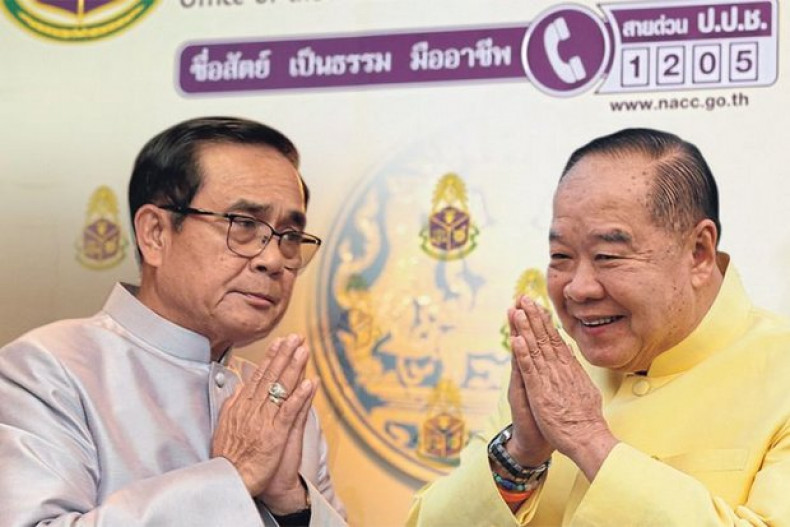
» It is hard to believe how the military-backed government of Prime Minister Prayut Chan-o-cha that appeared so strong not so long ago now looks shaky enough to be untenable.