



Showing 1 - 10 of 10
Implications of conservative triumph
Oped, Thitinan Pongsudhirak, Published on 13/02/2026
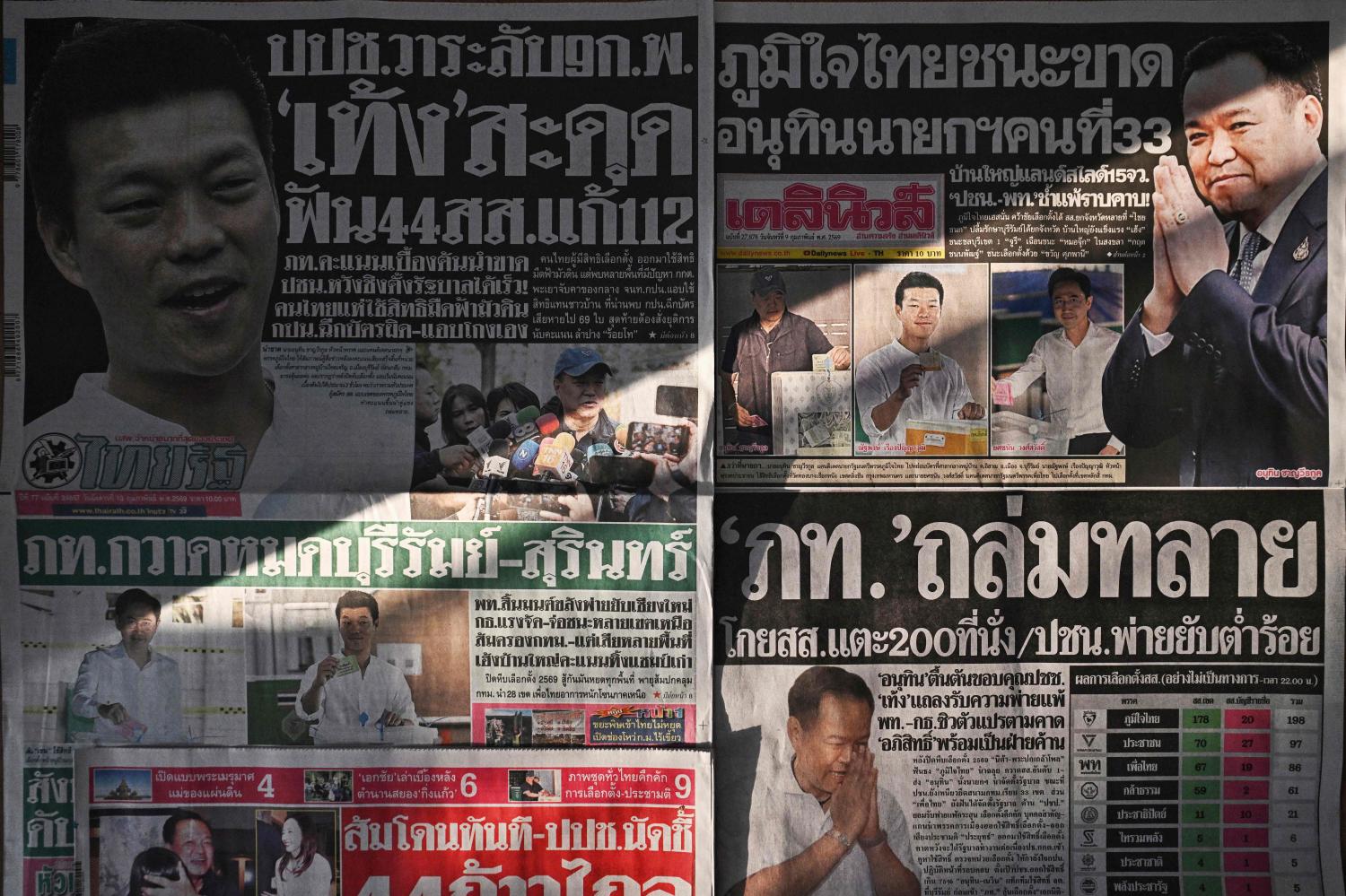
» The incumbent and conservative Bhumjaithai (BJT) Party has surprisingly swept Thailand's Feb 8 election with a commanding win. With the previously poll-leading and progressive People's Party (PP) coming in a distant second, Thailand appears headed for a conservative coalition government revolving around BJT and like-minded junior partners. Known for its conservative stance and being pro-status quo, it would not be surprising if the BJT-led coalition government, led by Prime Minister-elect Anutin Charnvirakul, were not challenged by the Constitutional Court, the Election Commission, and other supervisory agencies, which have derailed and dissolved reform-minded winning parties in the past.
No-confidence and poll date in flux
Oped, Thitinan Pongsudhirak, Published on 14/11/2025
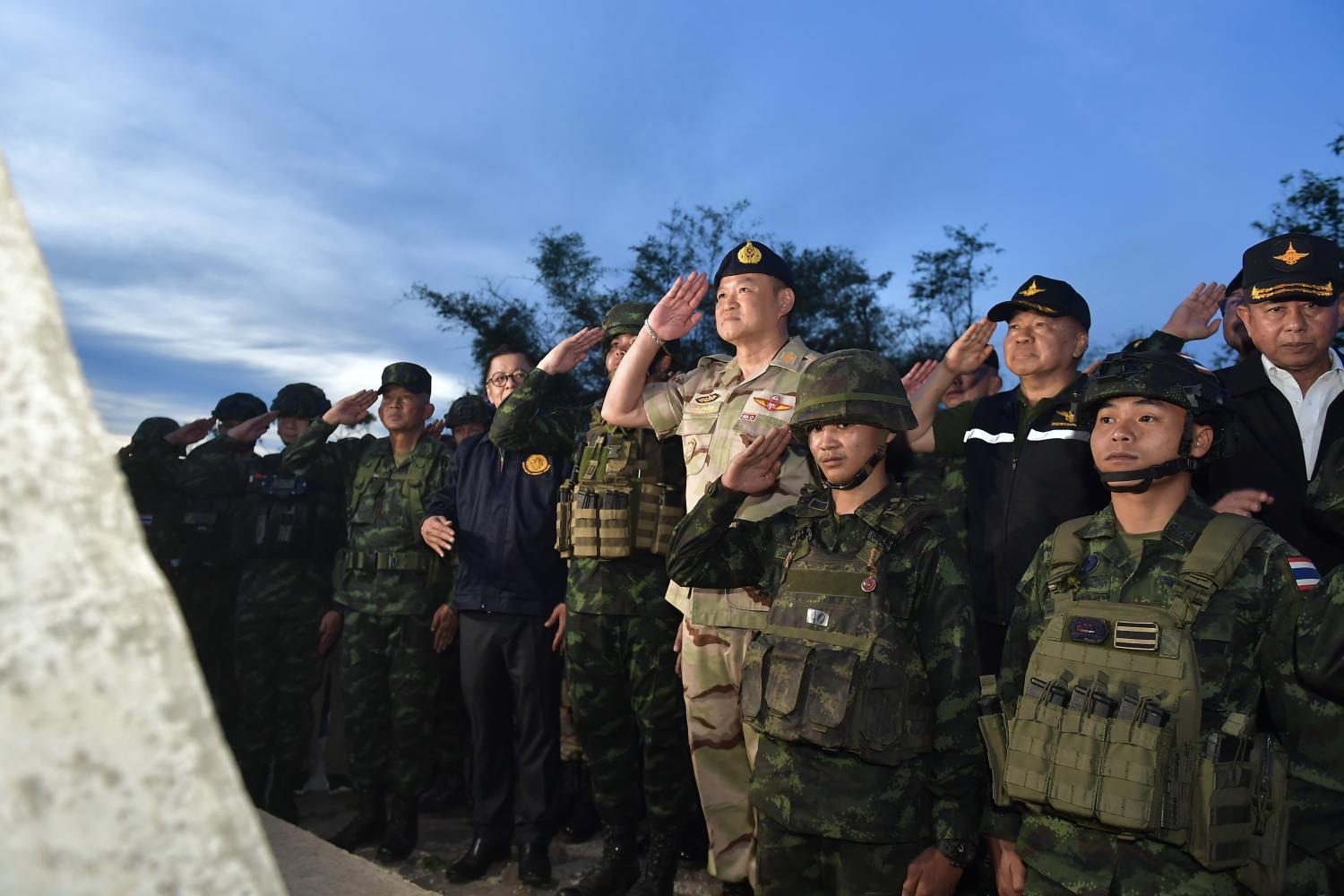
» Amid the drumbeats of military conflict with Cambodia, Thailand's political environment is evidently unruly and unsettled. The minority government of Anutin Charnvirakul, the third prime minister from the third largest-winning party since the latest national election in May 2023, is hard-pressed to stay in office beyond the four-month "Memorandum of Agreement" between his Bhumjaithai Party (BJT) and the People's Party (PP), the largest camp in the national assembly.
New govt may last longer than pledged
Oped, Thitinan Pongsudhirak, Published on 12/09/2025
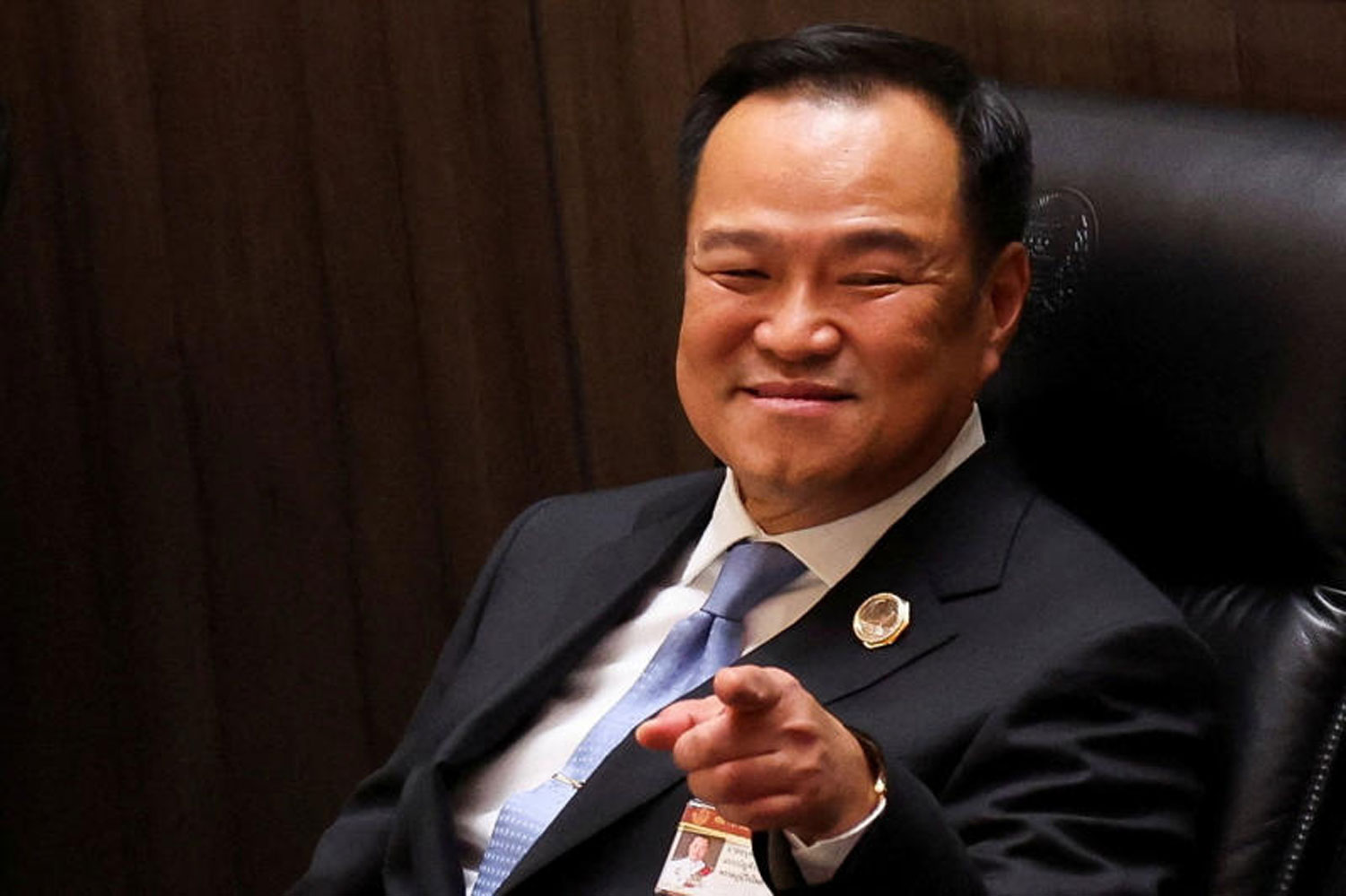
» Thailand's latest round of political tumult reached a culmination when the Constitutional Court removed Paetongtarn Shinawatra of the hitherto ruling Pheu Thai (PT) Party from office on Aug 29, paving the way for Bhumjaithai Party (BJT) leader Anutin Charnvirakul to succeed her as prime minister with the Lower House's majority support a week later.

Srettha confronts myriad of challenges
News, Thitinan Pongsudhirak, Published on 22/09/2023
» As the coalition government of Prime Minister Srettha Thavisin gets going, it faces multiple daunting challenges, from public expectations and policy deliverables to the maintenance of political stability.

Charter a straitjacket on democracy
Oped, Thitinan Pongsudhirak, Published on 19/05/2023
» The military-appointed constitution drafting committee that was set up after the coup in 2014 surely knew what it was doing. It crafted a charter in 2017 that now acts as a straitjacket on Thailand's democratic outcome from the general election last Sunday.

Thai charter changes without reform
Oped, Thitinan Pongsudhirak, Published on 25/06/2021
» In view of the ongoing parliamentary debate about constitutional revisions, it has become the consensus that the 2017 charter is flawed and in need of change. At issue is the nature and extent of charter amendments. What is being proposed can be categorised into three positions -- those favouring amendments without fundamental reforms and others who want reforms with all necessary amendments, with some advocating measures in between. Owing to the powers of incumbency, status quo proponents aligned with the coalition government of Prime Minister Prayut Chan-o-cha are likely to carry the day, thereby stoking political tensions to manifest on the horizon.

The anatomy of waning youth protests
Oped, Thitinan Pongsudhirak, Published on 19/03/2021
» By all accounts, Thailand's youth protest movement over the past year has lost steam. Its key leaders have been charged on anti-monarchy grounds and jailed without bail, while the rank-and-file are demoralised, still on the move but in thin numbers. On the other side, the incumbent centres of power have reasserted control and put down what at its peak was the most vociferous and vigorous anti-establishment movement Thailand had seen in decades.

Thailand's tale told via 'The Nation'
News, Thitinan Pongsudhirak, Published on 28/06/2019
» Nearly five decades ago, The Nation newspaper started out as a pro-democracy, anti-military news organisation. It was fiercely independent and invariably hard-hitting vis-à-vis the powers-that-be. An English-language newspaper owned by Thais from the outset, it prided itself for having neither fear nor favour. Its lamentable expiry as a print newspaper today -- an online version will continue -- provides multiple parallels for Thailand's contemporary political history, ongoing polarisation and the changing nature of the business of journalism worldwide.
5 years backwards under military rule
News, Thitinan Pongsudhirak, Published on 24/05/2019
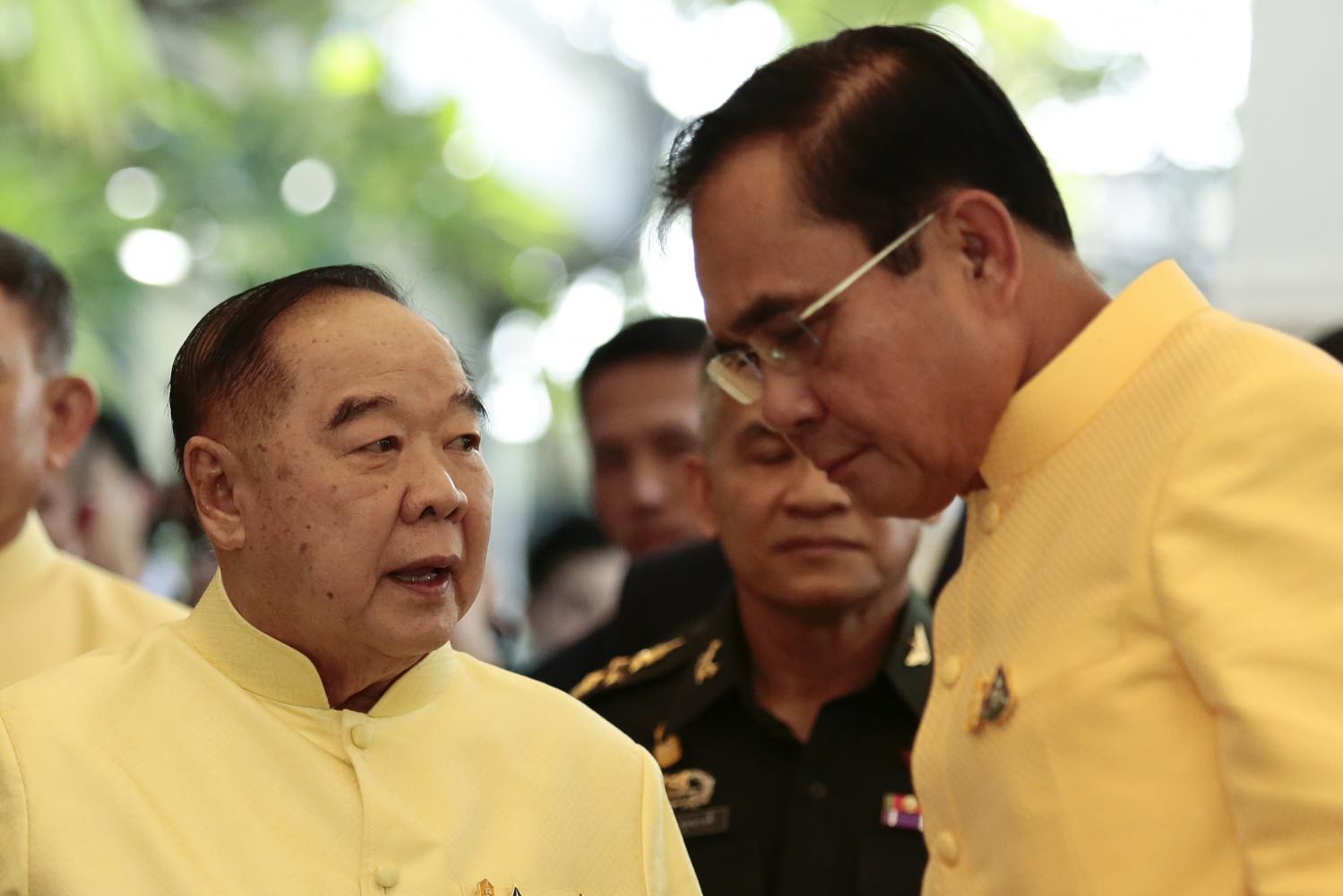
» Now that five years have elapsed since Thailand's last military coup, it is an opportune juncture to take stock of where the country is heading. When it seized power in May 2014, the military junta, known as the National Council for Peace and Order, initially had legitimacy from royal ascent and broad approval from its restoration of stability and order after more than half a year of street protests in Bangkok by the People's Democratic Reform Committee that was intent on overthrowing the Pheu Thai government.

Remembering Chai-anan Samudavanija
News, Thitinan Pongsudhirak, Published on 21/09/2018
» In death, as in life, Chai-anan Samudavanija always outshines. More than two decades after he left an academic career for policy work and a public intellectual role, Chai-anan's scholarly output is still cited more than any other social scientist. His passing, at 74, reflects Thailand's circuitous political trajectory and the shortcomings of the country's higher education. Until Thai academic standards are better incentivised and upgraded, few scholars are likely to scale international heights of scholarship and thought leadership anywhere near Chai-anan's achievements.