



Showing 1 - 5 of 5
Trump's 'America First' in overdrive
News, Thitinan Pongsudhirak, Published on 23/01/2026
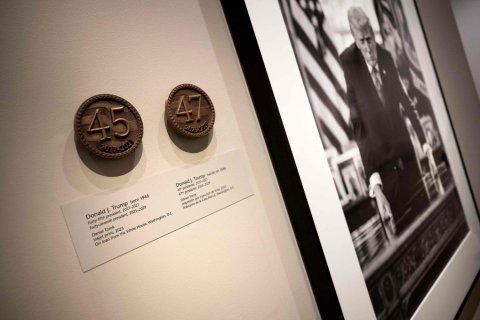
» President Donald Trump's extraterritorial capture of Venezuelan President Nicolas Maduro and his wife on cocaine-trafficking and terrorism-related charges earlier this month and repeated demand to take over Greenland at the World Economic Forum this week are part and parcel of a belligerent and transformative "America First" paradigm that dates back at least four decades.
Southeast Asia amid the US-China rift
Oped, Thitinan Pongsudhirak, Published on 03/10/2025
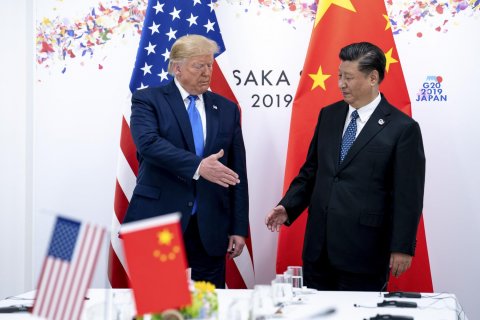
» The rivalry between the United States and China has become the defining contest of the 21st century. Barely two decades ago, Washington and Beijing were partners in prosperity. America's support for China's entry into the World Trade Organization in 2001 epitomised the high-water mark of engagement, reflecting the belief that economic integration would lead to greater political cooperation. Today, that partnership has morphed into suspicion and confrontation. Relations between the United States and China have deteriorated so swiftly that many observers now describe them as locked in a "new Cold War". The more pressing question, however, is not whether this analogy holds, but whether confrontation can be managed short of outright conflict.

A Thai view on the Hamas-Israel war
Oped, Thitinan Pongsudhirak, Published on 20/10/2023
» The Palestinians' longstanding and legitimate grievances have been irrevocably subverted by Hamas' brazen attack against Israel on Oct 7. Unlike previous rounds of conflicts and clashes between Israel and the Palestinians on the one hand and neighbouring Arab states on the other, Thailand has become a direct casualty like never before, as 30 Thai workers have been killed to date, with at least 16 injured and 17 taken hostage. As a militant political movement motivated by Islamic fundamentalism using methods of terrorism to achieve its objectives, Hamas has made a bad name for the Palestinian cause, eliciting condemnation and opposition all the way over here in Thailand.
The misguided US 'democracy summit'
Oped, Thitinan Pongsudhirak, Published on 10/12/2021
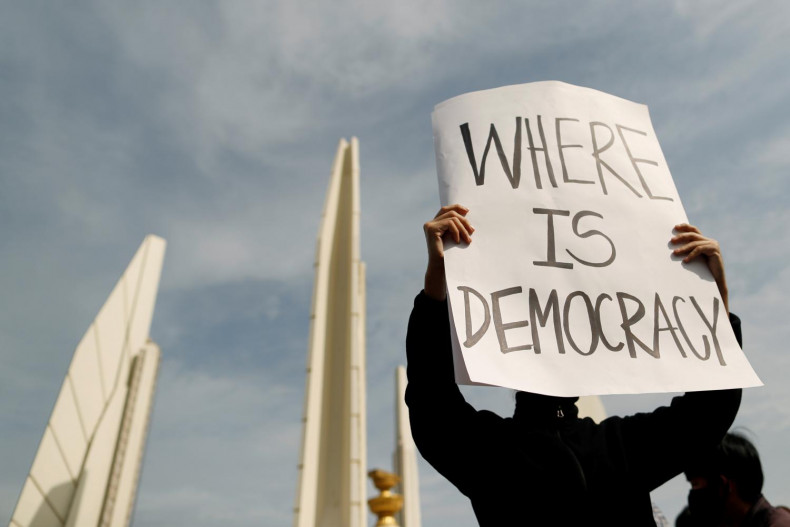
» The United States government under President Joe Biden is putting up the right fight in a counterproductive way in its online organisation of a "summit for democracy" this week. Much touted since he won the election in November last year, President Biden's summit of democracies has proved controversial, with both good intentions and unintended consequences. The real battleground, as clichés about the benefits and drawbacks of democracy go, is to make the case that popular rule where citizens should have rights and freedoms for their own collective self-determination is ultimately preferable and superior than all other forms of government.
Prime Minister Prayut is no President Xi
News, Thitinan Pongsudhirak, Published on 16/03/2018
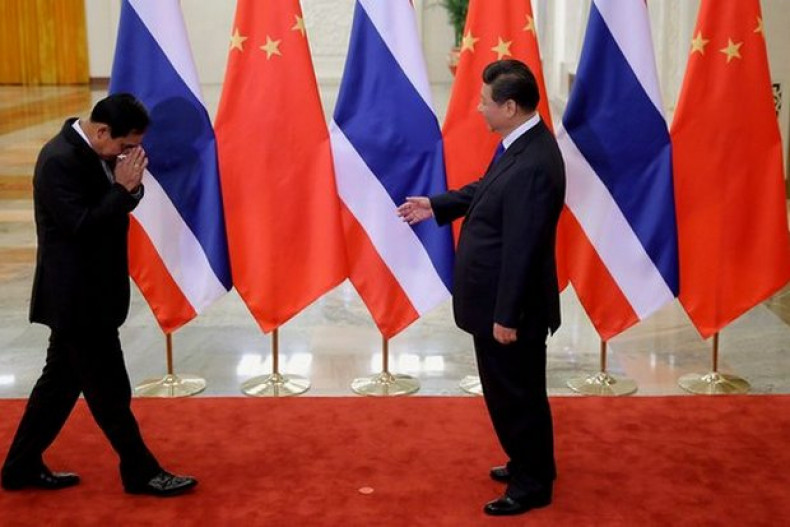
» That the Chinese Communist Party-controlled legislature has removed the term limits of the country's president and vice president has already sent shockwaves worldwide. It means that President Xi Jinping can continue to be China's head of state into a third term beyond 2023. Even though China's presidency is less powerful than the Chinese Communist Party's General Secretary and head of the Central Military Commission, the abolition of presidential term limits sends unmistakable signals that President Xi intends to hold complete and absolute power. He is now seen as more powerful than any contemporary Chinese leader, unrivalled since the time of founding father Mao Zedong.