



Showing 1 - 10 of 13
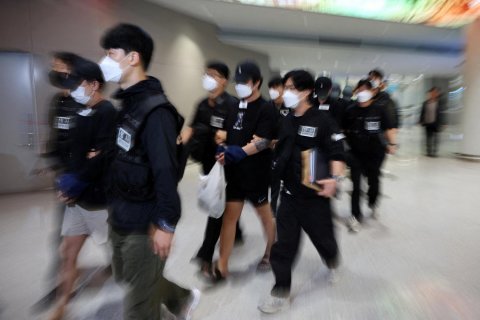
'Scam-gate' deserves full accounting
Oped, Thitinan Pongsudhirak, Published on 24/10/2025
» The explosive revelations and allegations of regional cybercrimes and scam networks have hit Thailand head-on and placed the government of Prime Minister Anutin Charnvirakul in an awkward and defensive position. As more facts surrounding what looks like a labyrinthine cross-border multibillion-dollar transnational criminal ring come to light, more questions have surfaced with no clear answers. The Anutin government needs to come clean and avoid a "scam-gate" of cover-ups and lies at the expense of countless scammed victims across many countries.

A backdrop to Trump's stunning win
Oped, Thitinan Pongsudhirak, Published on 08/11/2024
» Analysts often face the tough task of assessing an outcome the way it is rather than how they would like it to be. Nowhere is this challenge more daunting than analysing the stunning election results in the United States this week. Against the odds, former President Donald J Trump of the Republican Party has resoundingly won a second term over Vice President Kamala D Harris of the Democratic Party both in the popular vote and the Electoral College. The Republican Party also captured the Senate and the House of Representatives. While the implications for Thailand and the rest of Southeast Asia are wide-ranging and far-reaching, it is first and foremost necessary to understand the nature of the Trump victory.
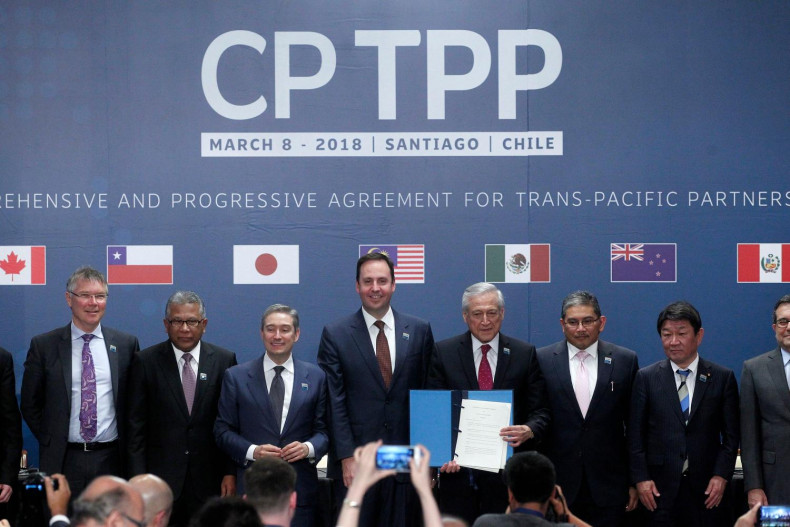
The geopolitics of China's CPTPP move
Oped, Thitinan Pongsudhirak, Published on 03/12/2021
» Nowhere is the intersection between geopolitics and geoeconomics more evident than the accession negotiations under the 11-member Comprehensive and Progressive Agreement for Trans-Pacific Partnership (CPTPP). At issue are three new applications for accession by the United Kingdom, China, and Taiwan. While the UK's candidacy alters the geographic crux of what has been Asia-Pacific trade liberalisation, China's and Taiwan's entry efforts represent a proxy showdown between the United States-led global order and 75-year-old alliance system versus Beijing's geostrategic ambitions and objectives.

The UK moves into a tougher new world
Oped, Thitinan Pongsudhirak, Published on 24/09/2021
» The United Kingdom is on the move. From the "Brexit" referendum result more than five years ago to the recent launch of the Australia-United Kingdom-United States (Aukus) trilateral security partnership, it is unmistakeable that the post-World War II rules-based liberal international order is coming under increasing strain. As the global order unravels, the UK is facing a brave new world that requires calling up its inner strength in ways not seen since its finest battle against tyranny and aggression some 80 years ago. And there are reasons to think the UK will do better than its critics and detractors suggest.
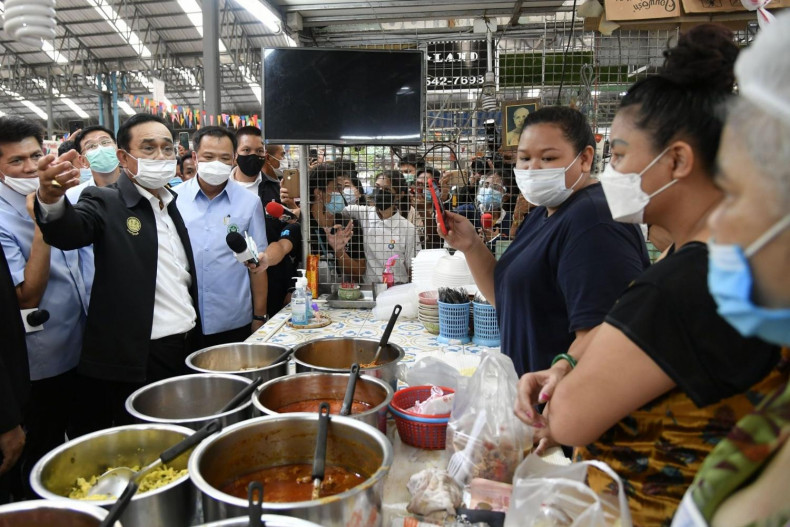
Covid success coming at a heavy price
Oped, Thitinan Pongsudhirak, Published on 17/07/2020
» It was a matter of time before the government of Prime Minister Prayut Chan-o-cha became a victim of its own misguided success in handling the coronavirus pandemic. By presiding over a public mindset of "zero" local virus infections, the government raised unrealistic expectations at a high price. The fiasco that transpired in Rayong last week, when an infected Egyptian air force official was allowed to roam in a shopping mall and thereby fuelled fears of "second wave" infections, should serve as a wake-up call for an overdue change in virus-fighting strategy.

Geoeconomic implications of Covid-19
Oped, Thitinan Pongsudhirak, Published on 26/06/2020
» The longer the coronavirus pandemic wends its way around the world, the more it takes on permanent features. As case infections still persist virulently, especially in the US, Brazil, Russia and India, states, societies and individuals are being forced to make adjustments. There will be winners and losers in the geoeconomic competition for market shares and supply chains. Those with more effective public health systems will stand in good stead with opportunities to re-emerge less scathed and better positioned to carry on, whereas others with less adequate health infrastructure will face more risks and disadvantages. For the first time in generations, health security has become the main determinant in the fate of nations and peoples.
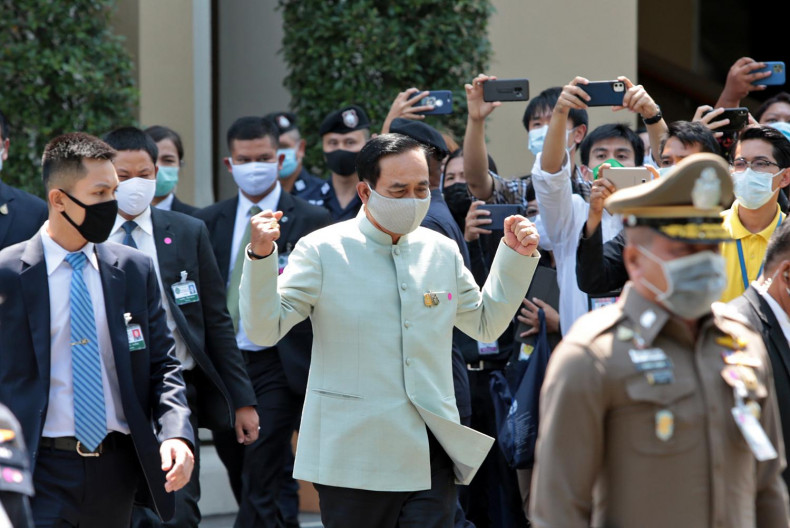
Virus risks versus economic imperatives
Oped, Thitinan Pongsudhirak, Published on 08/05/2020
» The coronavirus pandemic requires responding governments to be agile and quick on their feet, learning by doing and constantly reevaluating their policy mix. What was needed a month or two ago may need to be recalibrated this week for the immediate future in a moving balance of risks and objectives. For Thailand, the balance between public health safety and economic reality has been lost. The Centre for Covid-19 Situation Administration (CCSA) risks becoming a victim of its own success. This means the government of Prime Minister Prayut Chan-o-cha should now be listening to economists and social workers a little more than epidemiologists and medical doctors as Thailand's virus-fighting priorities shift with twists and turns.

Coronavirus blues and clues in Thailand
Oped, Thitinan Pongsudhirak, Published on 17/04/2020
» It is unanimous that the novel coronavirus, also known as Covid-19, is a once-in-a-lifetime experience. A common refrain everywhere in the world is "I have never seen anything like it". Its immediate consequences and longer-term transformational repercussions will be felt for years to come. Covid-19 challenges individuals, societies and state institutions to their very core. For Thailand, re-emerging from this devastating pandemic will be tough and tricky, with trade-offs and hard choices.

Moral dilemmas of handling the virus
Oped, Thitinan Pongsudhirak, Published on 03/04/2020
» It is hard to calibrate a commensurate response to the coronavirus (Covid-19) pandemic. Owing to the lack of accurate and reliable information, a media feeding frenzy and the mass psychology of fear, the choice has become all or nothing, not much in between. Individuals, societies and states worldwide are now incentivised to overdo it and err on the side of caution, being safe rather than sorry. This means that the likelihood of "overshooting" with Covid responses is likely to heighten in the foreseeable future in view of morally unacceptable alternatives.
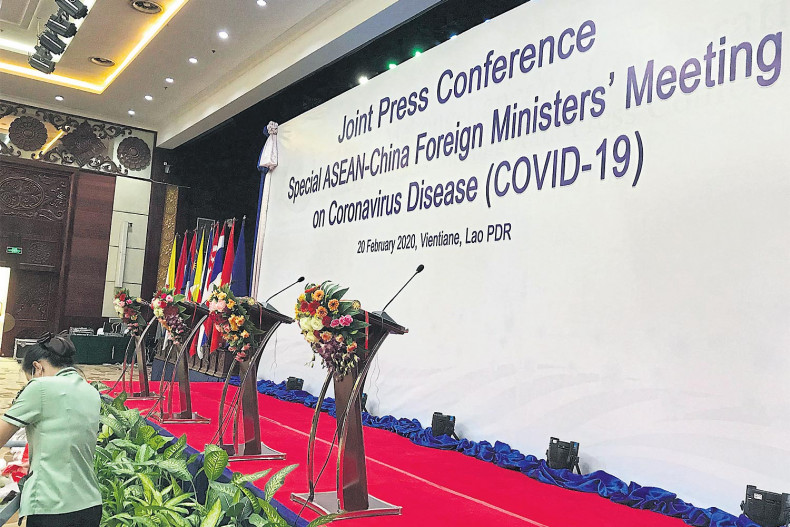
Asean must unite to resolve Covid-19
News, Thitinan Pongsudhirak, Published on 27/03/2020
» As the Covid-19 pandemic runs its course and wreaks havoc worldwide, the numbers look bleak. Nearly 500,000 people have been infected, and more than 21,000 had died as of Thursday. The international system has reverted to every country for itself, as borders have gone up and globalisation has come down. The world as we knew it is unlikely to be the same, but regions as they were remain relevant. Here, Asean, as Southeast Asia's regional bloc, must face up to the crisis together or risk being torn apart by it.