



Showing 1 - 9 of 9
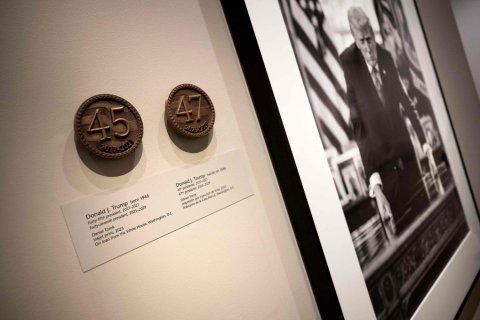
Trump's 'America First' in overdrive
News, Thitinan Pongsudhirak, Published on 23/01/2026
» President Donald Trump's extraterritorial capture of Venezuelan President Nicolas Maduro and his wife on cocaine-trafficking and terrorism-related charges earlier this month and repeated demand to take over Greenland at the World Economic Forum this week are part and parcel of a belligerent and transformative "America First" paradigm that dates back at least four decades.

Uyghurs deportation a strategic risk
Oped, Thitinan Pongsudhirak, Published on 07/03/2025
» Regardless of official spin, the government's decision to deport 40 Uyghurs to China was a strategic mistake on multiple levels.

Myanmar as interim 'non-state' state
Oped, Thitinan Pongsudhirak, Published on 01/03/2024
» Myanmar, also known as Burma, has become a de facto state that is dominated by non-state entities. Contrary to facile claims, Myanmar is not a failed state like some that beset parts of Africa and the Middle East. The ethnically diverse country of 55 million still functions despite widespread violence in an ongoing civil war. Unless and until Myanmar is understood and re-conceptualised as an interim state comprising non-state entities, it will be difficult to move forward to remake and reconstitute a new country after the civil war and the passing of the military junta that seized power on Feb 1, 2021, led by Senior General Min Aung Hlaing.
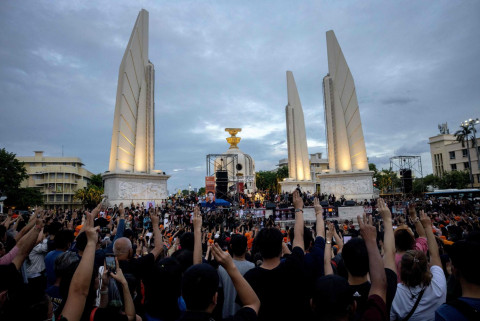
Our custodial democracy on display
Oped, Thitinan Pongsudhirak, Published on 21/07/2023
» After a watershed election and a clear message from voters for change, the integrity of Thailand's democratic system has come into question. It turns out that election results are only necessary but not sufficient to form a government and run this country.
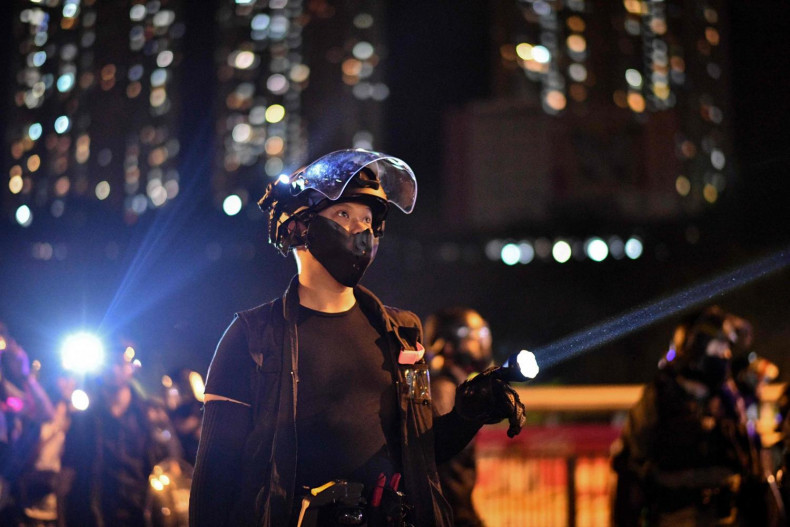
HK protests in a regional perspective
News, Thitinan Pongsudhirak, Published on 11/10/2019
» When Hong Kong's protest movement against the Extradition Law Amendment Bill began on March 30, few could have anticipated that it would become a full-blown popular revolt. The protesters initially opposed the bill because it would allow the Hong Kong government to detain and extradite fugitives to mainland China. Despite the suspension and subsequent withdrawal of the bill by Hong Kong's Chief Executive Carrie Lam, the protest movement has taken on a life of its own. As its end goals of universal suffrage, an independent inquiry into police conduct and Ms Lam's resignation harden, its endgame appears fraught with risks of intensifying confrontation and violence.
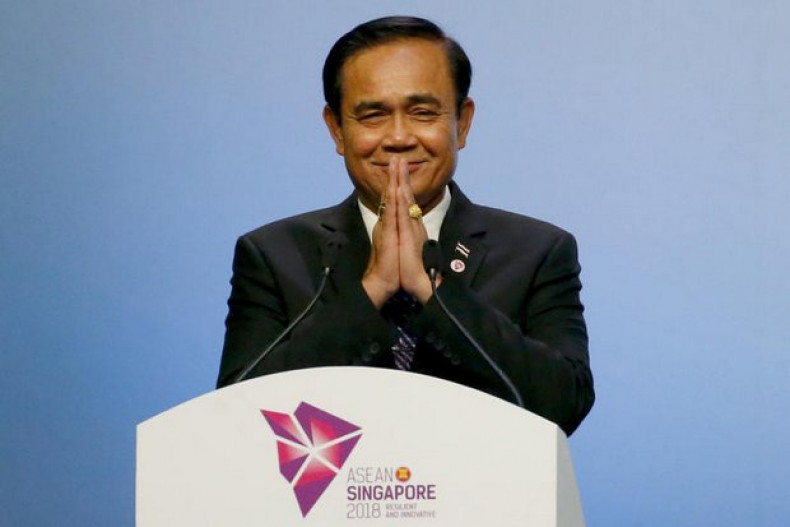
Asean chairmanship has many limitations
News, Thitinan Pongsudhirak, Published on 16/11/2018
» Just as all politics is ultimately local, all regionalism is mostly domestic. Such is the case with Asean. Whichever of the 10 member states chairs Asean, its role and performance tends to be domestically rooted. To envision and drive Asean forward requires deft leadership, bold ideas and smart diplomacy that must extend beyond and transcend parochial domestic concerns. No Asean member has shown this sort of farsighted regionalist ambition in recent years. Thailand appears on course to be no different when it chairs Asia's most durable organisation next year.
Myanmar needs new generation to lead it
News, Thitinan Pongsudhirak, Published on 10/08/2018
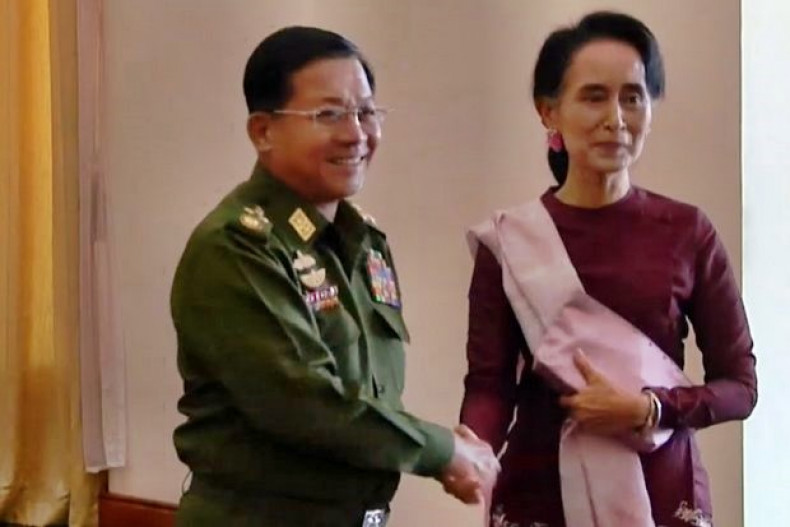
» Southeast Asia suffers from a crisis of leadership whereby the old guard are unwilling to make way for new and younger leaders to emerge through compromise and accommodation to usher in change and reform while maintaining a measure of continuity.
Maintaining what's left of rules-based order
News, Thitinan Pongsudhirak, Published on 20/07/2018
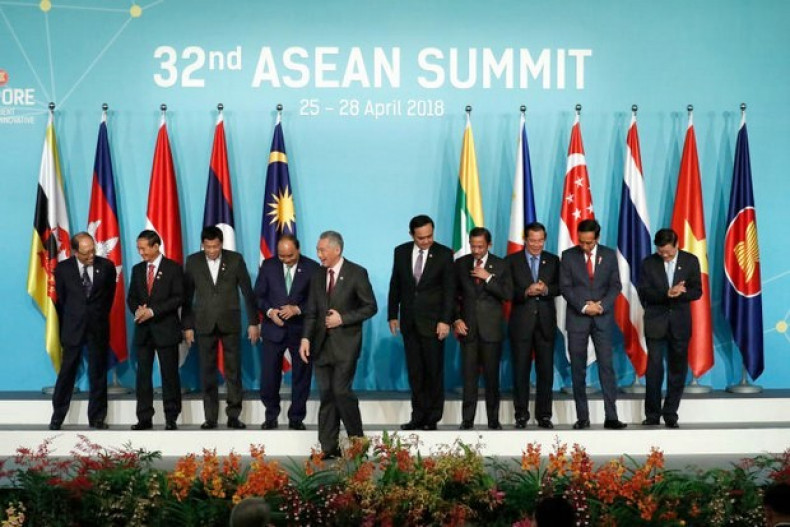
» For anyone who is alive today, the world as we know it has never been so stirred and shaken. The international order based on a common set of institutions, rules and norms that used to be widely cherished and universally beneficial is unravelling before our collective and helpless eyes. From an emerging United States-China trade war and Beijing's militarised occupation of the South China Sea to Russia's revanchist annexation of Crimea, world order over the past several years has been breaking down. Those who once set the rules, principally the US, are breaking them, while aspiring new rule-setters, mainly China, have not found sufficient international reception. Rule-takers, such as the smaller states in Asean, suffer the most when set rules lose cohesion, lustre and abidance.
'Watch scandal' now and amnesty bill then
News, Thitinan Pongsudhirak, Published on 02/02/2018
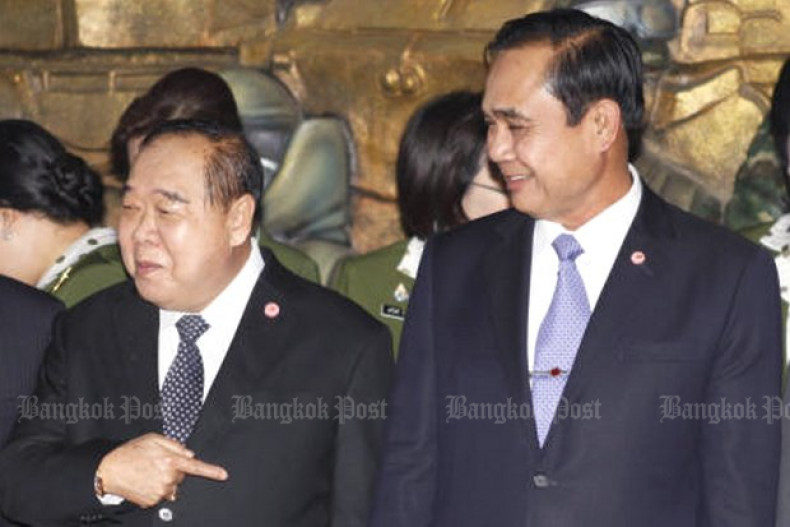
» The gnawing scandal over Deputy Prime Minister and Defence Minister Gen Prawit Wongsuwon's dubious and expensive watches has become tantamount to the amnesty bill that upended the previous elected government of Yingluck Shinawatra, who is now on the run after being overthrown and subsequently convicted over the rice-pledging scheme. These two cases are ostensibly different but in fact they both spell the beginning of an inexorable end.