



Showing 1 - 10 of 17
Implications of conservative triumph
Oped, Thitinan Pongsudhirak, Published on 13/02/2026
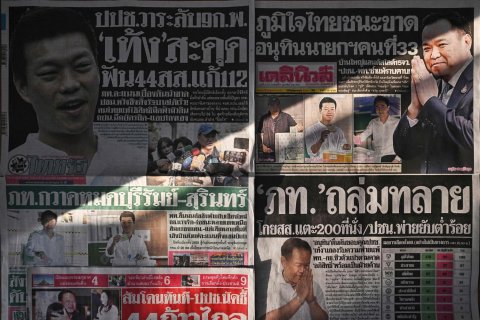
» The incumbent and conservative Bhumjaithai (BJT) Party has surprisingly swept Thailand's Feb 8 election with a commanding win. With the previously poll-leading and progressive People's Party (PP) coming in a distant second, Thailand appears headed for a conservative coalition government revolving around BJT and like-minded junior partners. Known for its conservative stance and being pro-status quo, it would not be surprising if the BJT-led coalition government, led by Prime Minister-elect Anutin Charnvirakul, were not challenged by the Constitutional Court, the Election Commission, and other supervisory agencies, which have derailed and dissolved reform-minded winning parties in the past.

Signs and symptoms of Thai stagnation
Oped, Thitinan Pongsudhirak, Published on 18/07/2025
» That Thailand is faring poorly in the world is no longer in dispute. Not so long ago, many were in denial and adamant that Thailand could still bring a good game to engage abroad, that "Teflon" Thailand could bounce back. Now, just about all indicators are pointing south. The causes of this country's decline and stagnation are not singular but multifaceted over a two-decade period. As Thailand's situation is likely to worsen before hopes for a better future can arise, it is instructive to start counting the costs.

Authentic intelligence rises with AI
Oped, Thitinan Pongsudhirak, Published on 16/05/2025
» As the cognitive power and proliferation of artificial intelligence take the world by storm, the case for authenticity and originality paradoxically becomes more compelling and carries higher premiums. It is now a widely accepted reality that AI is on its way to master human thought processes and proceed beyond them. This means that it will be more difficult for humans to differentiate between what comes from AI and what does not. As such, the time has come after nearly 40 years of being published -- including more than 25 of them with this newspaper -- that this column goes subjective.

What's happened to the Asian Century?
Oped, Thitinan Pongsudhirak, Published on 14/02/2025
» Until recently, the "Asian Century" seemed a compelling narrative but now it is not what it used to be. It was supposed to herald a shift in global economic power from the West to the East, driven by China's rapid rise, India's economic dynamism, and the broader development of Asia. But a quarter of the way into the 21st century, the promise of Asian dominance appears less certain. The enduring technological and economic might of the United States, coupled with its geopolitical backlash against China, has lowered expectations. While Asia remains formidable, the trajectory of global power is open and fluid, with potential dominance shifting not necessarily to any nation or region but perhaps to a non-state entity.
The misguided US 'democracy summit'
Oped, Thitinan Pongsudhirak, Published on 10/12/2021
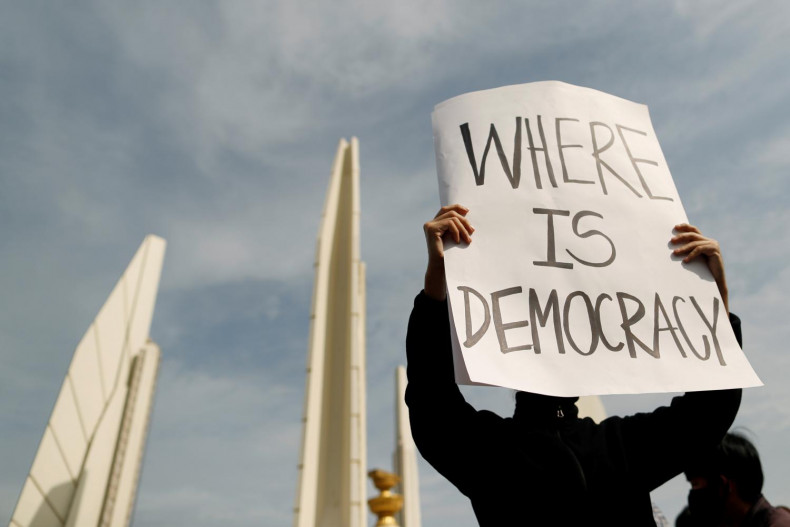
» The United States government under President Joe Biden is putting up the right fight in a counterproductive way in its online organisation of a "summit for democracy" this week. Much touted since he won the election in November last year, President Biden's summit of democracies has proved controversial, with both good intentions and unintended consequences. The real battleground, as clichés about the benefits and drawbacks of democracy go, is to make the case that popular rule where citizens should have rights and freedoms for their own collective self-determination is ultimately preferable and superior than all other forms of government.
Age-old nature of the 'New Cold War'
Oped, Thitinan Pongsudhirak, Published on 19/11/2021
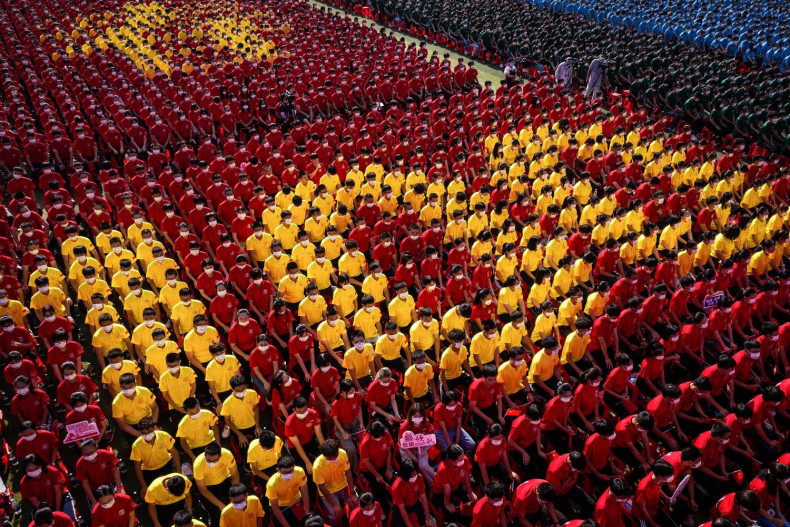
» History is back with a vengeance. Contrary to what proponents of the "end of history" theory said a few decades ago, the ideological struggle of the 20th century between the "free world" versus "the socialist-communist" camp is still ongoing, despite the Cold War ending over three decades ago. The struggle now features the United States-led Western alliance versus the China-centric global network of nations with authoritarian tendencies.

Thailand's irresponsible runaway debt
Oped, Thitinan Pongsudhirak, Published on 11/06/2021
» A major lasting damage Prime Minister Prayut Chan-o-cha will eventually leave behind is his government's co-optation and capture of autonomous agencies that used to safeguard and uphold Thailand's macroeconomic well-being and political level-playing field.
PM shows he has political resilience
Oped, Thitinan Pongsudhirak, Published on 04/06/2021
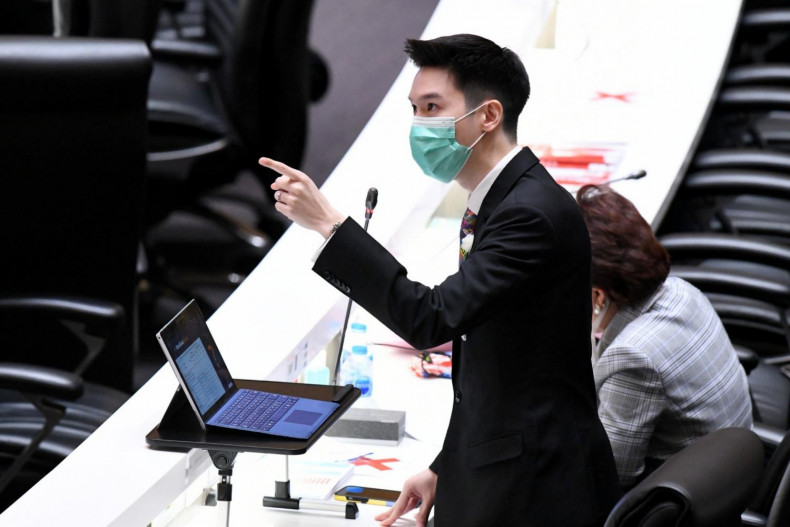
» Half-way through his four-year term, Prime Minister Prayut Chan-o-cha has time and again shown his staying power in the face of popular discontent. Despite a subpar economic performance and persistent controversies from his cabinet's incomplete oath of office and a cabinet minister's past drug conviction and imprisonment in Australia to his own house on army premises after retirement, the former army chief, who led the military coup in May 2014 to take over as prime minister, has proved politically resilient.
Who's culpable for Myanmar's coup?
Oped, Thitinan Pongsudhirak, Published on 12/02/2021
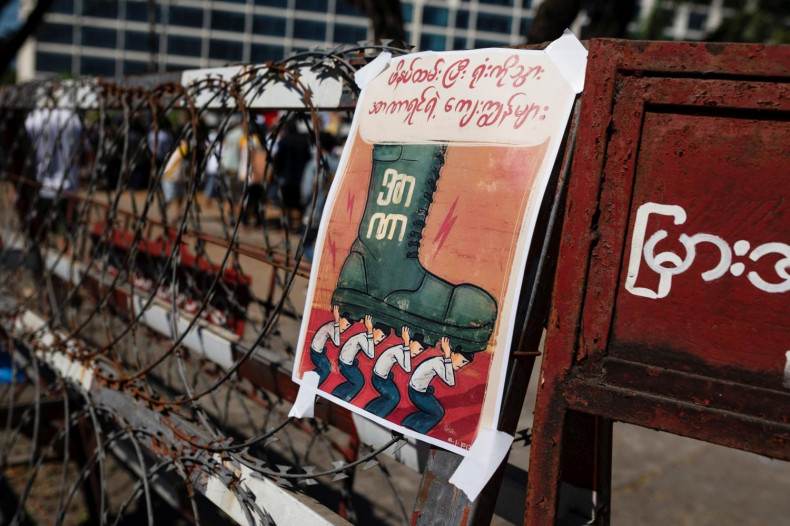
» When Myanmar's armed forces, known as the Tatmadaw, staged a military coup on Feb 1, reactions inside the country and outside were noticeably different. As the coup effectively disenfranchised millions of voters who chose hitherto State Counsellor Aung San Suu Kyi and her National League for Democracy (NLD) party in a landslide victory on Nov 8, public anger inside the country was immediate and conspicuous just as Myanmar's newly elected parliament was about to convene. Many outside observers, however, were more guarded and hedged, portraying the cause of the coup as more qualified and nuanced. How the coup came about has become a bone of contention that will have much to say about the post-coup dynamics and outcomes.
Values agenda back in US foreign policy
Oped, Thitinan Pongsudhirak, Published on 29/01/2021
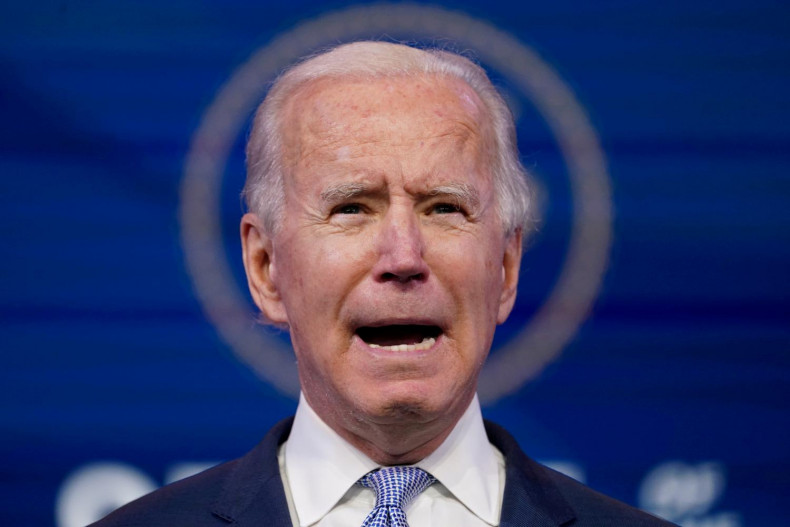
» No presidential transition in the United States is likely to prove more abrupt and dramatic as between former President Donald Trump and newly elected President Joe Biden. Within minutes of formally taking office, Mr Biden signed a slew of executive orders, formalised a policymaking team, and reset the course of domestic and foreign policies. In reversing Mr Trump's nationalist, unilateralist posture and relaunching internationalism and multilateralism, Mr Biden is rebalancing US interests and values. His arrival at the White House is not as much about "America is back" on the global stage but more about "values are back in American foreign policy".