



Showing 1 - 10 of 18

Thailand lags in the global trade war
Oped, Thitinan Pongsudhirak, Published on 11/04/2025
» Thailand is fast isolating itself from the international community and falling behind in the emerging geoeconomic warfare to the detriment of its economy and people. The elected government of Prime Minister Paetongtarn Shinawatra is ironically coming up with outcomes that resemble those of the military administration a decade ago. Thailand must now move quickly to contain policy damage and restore its international standing to navigate and come out of the intensifying geoeconomic war in as decent a shape as possible.

Remembering a journo like no other
Oped, Thitinan Pongsudhirak, Published on 04/04/2025
» Gwen Robinson was a quintessential journalist who probed for the best scoop and pried for the juiciest gossip, an old-style old hand the likes of which we are unlikely to see again. In the new contentious era of geopolitical conflict and geoeconomic tension underpinned by American economic nationalism, Robinson's journalist craft over more than four decades explaining and linking Asia and the West will be sorely missed.

Indonesia leads Asean into Brics+
Oped, Thitinan Pongsudhirak, Published on 17/01/2025
» As the new year gets underway with the looming re-inauguration of United States President Donald J Trump, countries and entire regions are having to manoeuvre and realign in view of an accelerated breakdown of the post-Second World War rules-based liberal international order.
Deja vu as charter court weighs MFP ban
Oped, Thitinan Pongsudhirak, Published on 12/01/2024
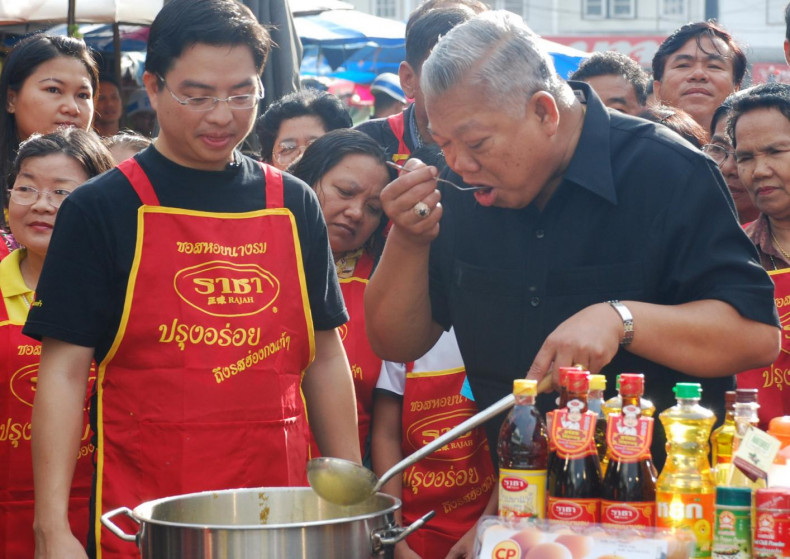
» It is déjà vu in Thai politics this month as Thailand's biggest elected political party and its leader face Constitutional Court verdicts that could lead to a familiar dissolution and ban. At issue is the political future of Pita Limjaroenrat and the fate of the Move Forward Party (MFP), which he led to a stunning victory at the election last May. However the verdicts come out, they might be perceived by pundits as decided by the political winds of the day.

Asian elections, democracy in 2024
Oped, Thitinan Pongsudhirak, Published on 29/12/2023
» Billed as the biggest election year ever as more than half of the global population goes to the polls, 2024 will be critical to the debate about democratisation and autocratisation. Asia will lead the way with elections in India, Bangladesh, Pakistan, and Indonesia, while the most recent polls in Myanmar and Thailand offer long-term lessons about democracy and dictatorship. The salient themes next year will be about the self-perpetuating tendencies of incumbent regimes and the resilience of democratic rule when authoritarianism seemed to have the upper hand.

Only the young can change Thailand
Oped, Thitinan Pongsudhirak, Published on 09/06/2023
» If the past two decades of Thai politics has been about populism and colour-coded conflicts between the yellow-shirted pro-establishment forces against the red shirts aligned with ousted former prime minister Thaksin Shinawatra, the foreseeable future will likely be about structural reforms and a generational clash between the age-old established centres of power against young Thais who are rising up to determine their country's future directions. It is unsurprising that only younger Thais can change Thailand because their old compatriots have too much at stake and too many vested interests in the entrenched and deeply embedded status quo.

No exit from our democratic future
Oped, Thitinan Pongsudhirak, Published on 05/05/2023
» As Thailand's much-anticipated poll on May 14 heads into its homestretch, several clear trends and patterns are emerging to suggest that democratisation is making an inexorable comeback in this country, with positive implications for Southeast Asia and beyond. The immediate road ahead in Thai politics will likely still be bumpy, potentially marked by more judicial interventions and electoral manipulation, or even another military takeover, to thwart the people's choices at the poll. But eventually, pro-democracy forces backed by the Thai people's demand for change will come back time and again until there is a rebalanced, representative and reworked constitutional order in place.
Age-old nature of the 'New Cold War'
Oped, Thitinan Pongsudhirak, Published on 19/11/2021
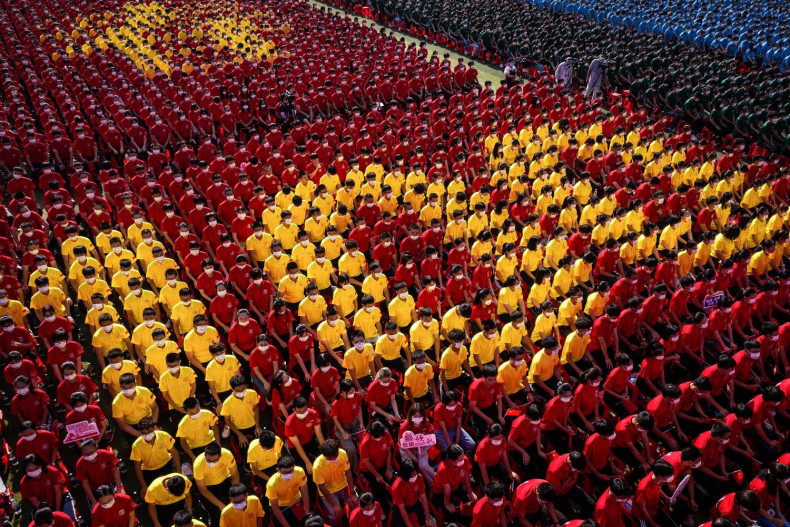
» History is back with a vengeance. Contrary to what proponents of the "end of history" theory said a few decades ago, the ideological struggle of the 20th century between the "free world" versus "the socialist-communist" camp is still ongoing, despite the Cold War ending over three decades ago. The struggle now features the United States-led Western alliance versus the China-centric global network of nations with authoritarian tendencies.
Myanmar coup: Asean's new fault line
Oped, Thitinan Pongsudhirak, Published on 26/02/2021
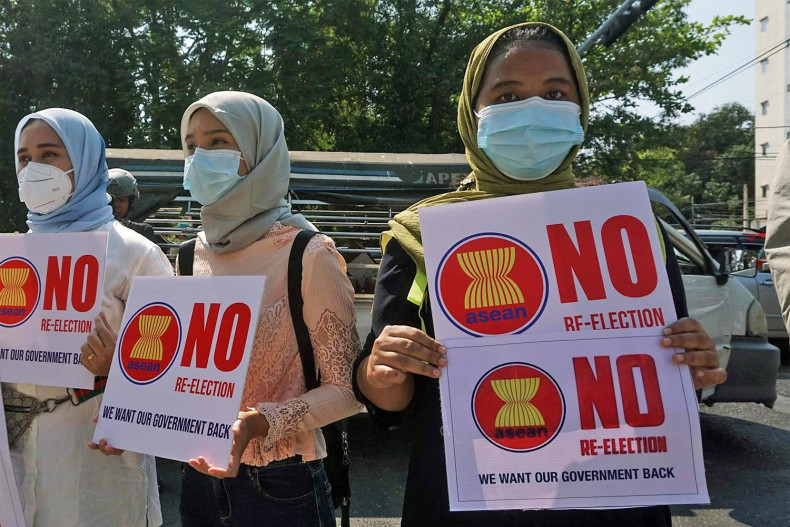
» Already geopolitically divided by China's regional assertiveness, Asean is now facing a new fault line from Myanmar's recent military coup. Just like its divergent views toward China, Asean's mixed preferences toward the Myanmar armed forces' abrupt seizure of power on Feb 1 threaten to further weaken Southeast Asia's 10-member grouping and marginalise its role as the central organising vehicle for regional peace and stability.
Myanmar coup poses many dilemmas
Oped, Thitinan Pongsudhirak, Published on 19/02/2021
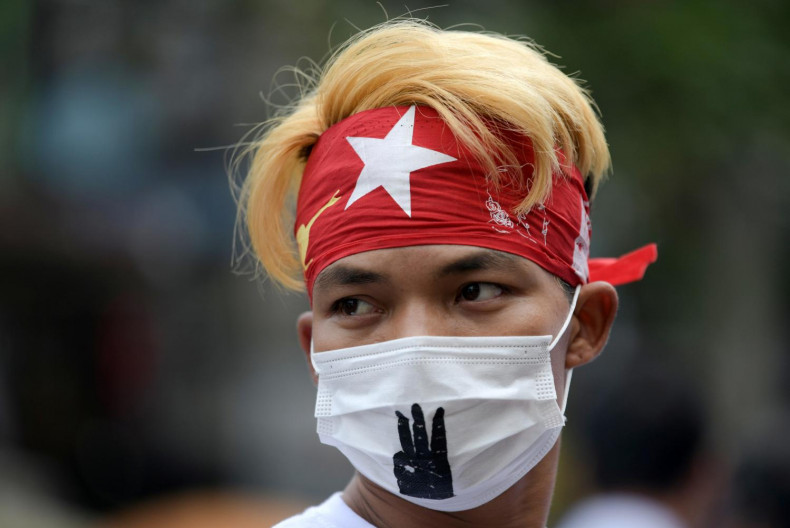
» Myanmar's military coup on Feb 1 and the popular anger and ongoing local protests in reaction to it inside the country pose multiple and multi-layered dilemmas for all parties involved. The Tatmadaw, as Myanmar's armed forces are known, led by junta leader Senior General Min Aung Hlaing, is now mired in repercussions and consequences well beyond its original intent. Whether the Tatmadaw prevails or not, Myanmar is unlikely to regain the traction of reform and progress that has been on track in the past decade.