



Showing 1 - 10 of 11
Asean's regroup requires deep reforms
Oped, Thitinan Pongsudhirak, Published on 17/10/2025
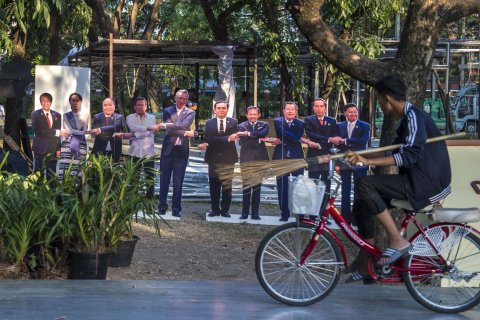
» If Asean's 58 years thus far have been about resilience and playing a central organising role in promoting regional security and stability, its next decade will determine whether the Southeast Asian bloc can adapt and remain relevant. After the crises in Myanmar and along the Thai-Cambodian border, Asean's credibility has never been more in doubt. To regain its effectiveness as Southeast Asia's one and only agency, Asean needs to move away from the ritualistic diplomacy of mundane meetings to far-reaching reforms that chart new ways of making things work.

Thai politics has turned upside down
Oped, Thitinan Pongsudhirak, Published on 23/08/2024
» The rise of Prime Minister Paetongtarn Shinawatra and the return -- and re-entry, of her father, Thaksin Shinawatra, have turned Thai politics upside down. On the surface, Mr Thaksin still dominates Thai politics nearly 20 years after he was deposed by a military coup and exiled for most of that period. This time, his political power and influence are being exercised through his daughter Ms Paetongtarn. As the Shinawatra clan has been coopted by its former establishment adversaries, the past two decades of periodic elections, street protests, two military coups, two constitutions, and multiple judicial bans on political parties and elected politicians have entered a new chapter.
Reversing Myanmar's internal strife
Oped, Thitinan Pongsudhirak, Published on 10/02/2023
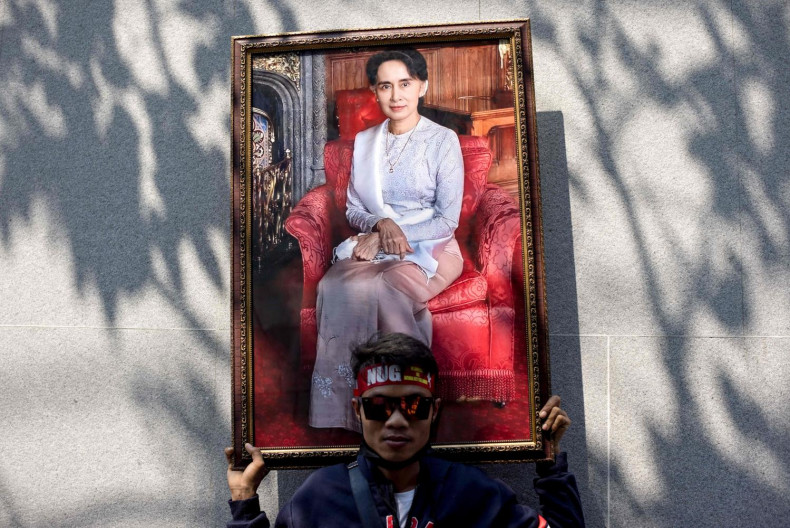
» This month marks two anniversaries of ongoing conflicts in Europe and Southeast Asia, namely 12 months after Russia invaded Ukraine and two years since Myanmar's military seized power by toppling a democratically elected and civilian-led government under Aung San Suu Kyi.
Give Asean seat to Myanmar opposition
Oped, Thitinan Pongsudhirak, Published on 22/10/2021
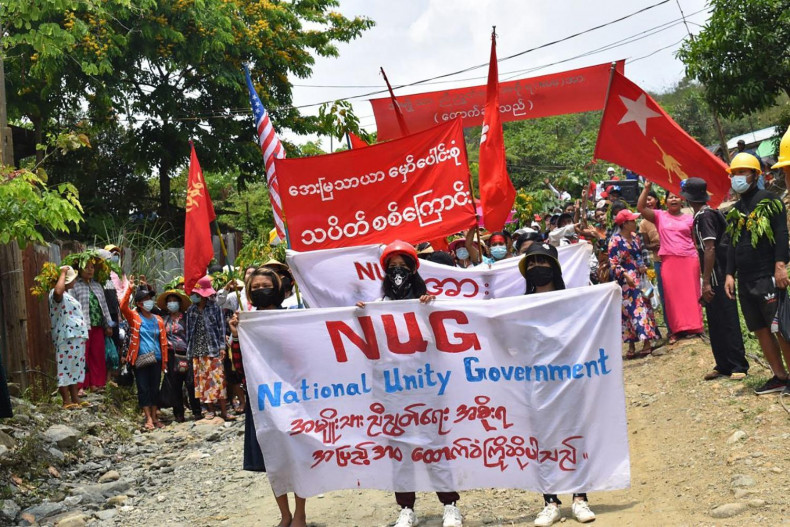
» Nearly nine months after its forceful takeover of the country from a legitimately elected civilian government, Myanmar's military has shown that it is one thing to seize power but an entirely different reality to consolidate and impose control.
Where Northeast, Southeast Asia meet
News, Thitinan Pongsudhirak, Published on 13/12/2019
» That the post-Second World War liberal international order is unravelling is no longer in dispute. While there are ongoing issues and challenges about how and to what extent the incumbent rules-based international order that has been so beneficial to so many nations and peoples in their course of economic development can still be maintained, there is broad agreement that the international system as we know it has run its course.
Thailand's inevitable political endgame
News, Thitinan Pongsudhirak, Published on 22/11/2019
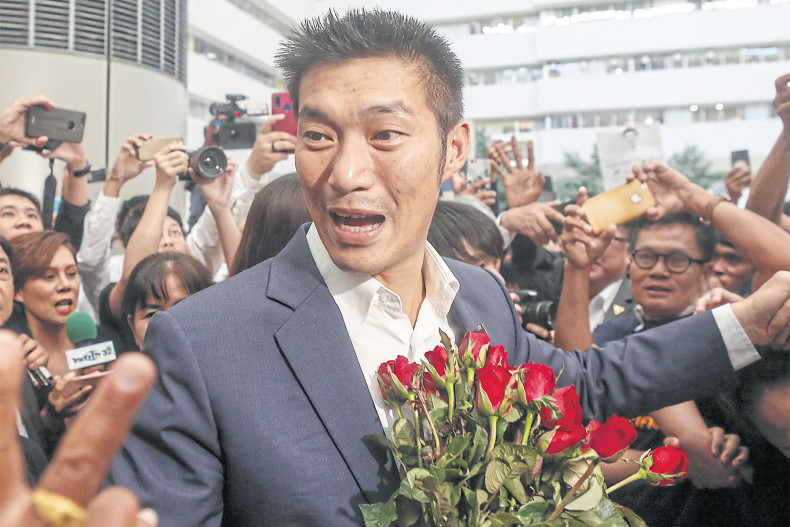
» While the conviction this week of Future Forward Party (FFP) leader Thanathorn Juangroongruangkit seemed to be in the making ever since the Election Commission took up the charge last May, it was still astonishing when it transpired. In an all too familiar scene, the Constitutional Court ruled that a leader of yet another leading political party which has stood against military coups and the generals' role in politics is guilty of violating an election-related law, this one banning MP candidates from owning shares in a media company. As the verdict strips Mr Thanathorn of his MP status, several implications seem clear.
Asean chairmanship has many limitations
News, Thitinan Pongsudhirak, Published on 16/11/2018
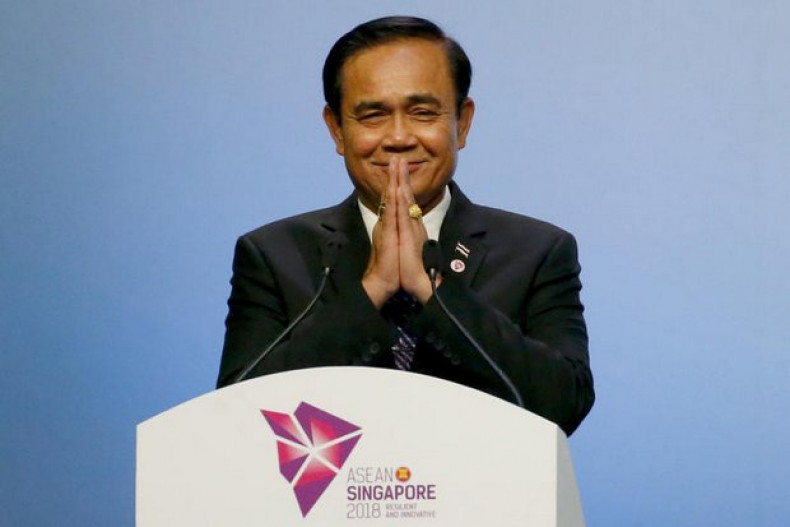
» Just as all politics is ultimately local, all regionalism is mostly domestic. Such is the case with Asean. Whichever of the 10 member states chairs Asean, its role and performance tends to be domestically rooted. To envision and drive Asean forward requires deft leadership, bold ideas and smart diplomacy that must extend beyond and transcend parochial domestic concerns. No Asean member has shown this sort of farsighted regionalist ambition in recent years. Thailand appears on course to be no different when it chairs Asia's most durable organisation next year.
The annals of Thailand's military dictators
News, Thitinan Pongsudhirak, Published on 12/10/2018
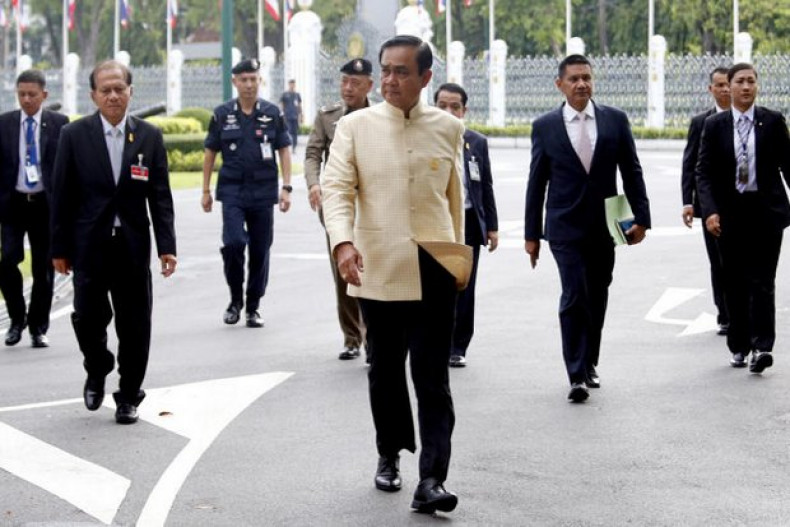
» As Gen Prayut Chan-o-cha eyes longer-term power beyond the next election, his eventual legacy will be compared to other military leaders who have come and gone as heads of past Thai governments. Had he left office or stepped down to run for it earlier, Gen Prayut might be in a better place. As things stand, his tenure and subsequent exit from the political scene does not appear promising for how he will be seen in hindsight.
Taking Cambodia's bogus election to task
News, Thitinan Pongsudhirak, Published on 03/08/2018
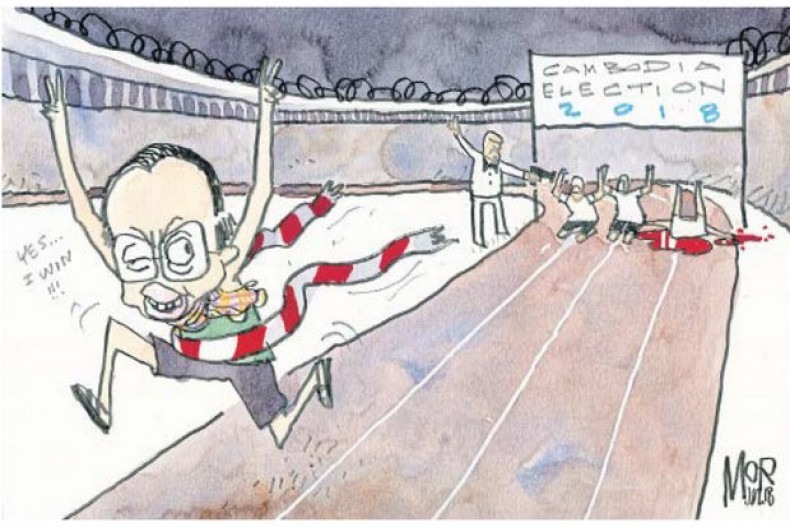
» It was always a foregone conclusion that Cambodia's incumbent government of Prime Minister Hun Sen and his Cambodian People's Party (CPP) were going to win the July 29 election. Yet some observers anticipated a modicum of feigned legitimacy whereby a handful of smaller parties would gain a few seats in the National Assembly. Not bothering with any semblance of legitimacy, the CPP has apparently claimed all 125 parliamentary seats. Cambodia now has an elected dictatorship, naked and bare, in mockery of what passes as a free and fair election anywhere and in defiance of global democratic aspirations.
Prospects after Cambodia's fabricated poll
News, Thitinan Pongsudhirak, Published on 27/07/2018
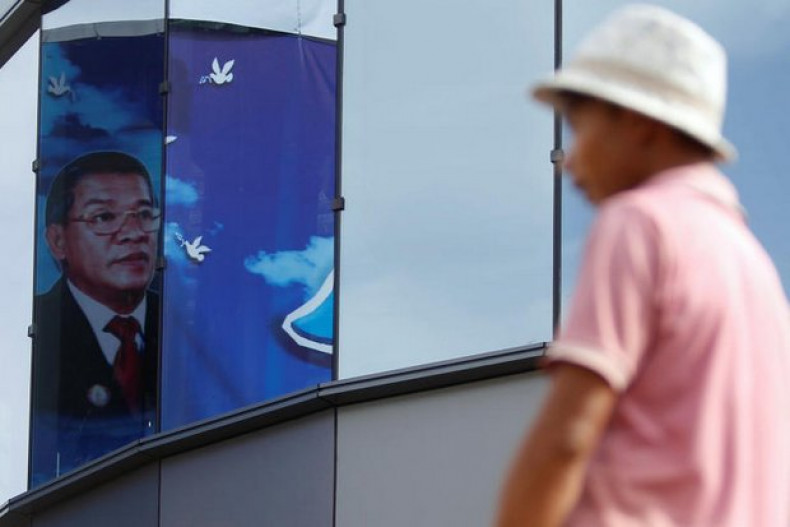
» While Thailand has a seemingly indefinite military government with no clear poll date, Cambodia is holding an election on July 29 with a foregone conclusion. After methodically taken apart oppositional forces, the incumbent government of Prime Minister Hun Sen, under the Cambodian People's Party (CPP), is set to win a landslide. At issue now will be what happens after the election. At least three dynamics are in play. How they intersect and enmesh will determine Cambodia's political future.