



Showing 1 - 5 of 5

Japan's dilemmas need bold answers
Oped, Thitinan Pongsudhirak, Published on 03/11/2023
» Among the big countries vying for power and influence in the fluid and contentious geostrategic arena, Japan faces the most daunting challenges. Most of the recognised major powers in Asia, from China and India to Indonesia and South Korea, are rising and aspiring for bigger roles and grander objectives, while Japan's place in the global pecking order has been in decline. The last time Japan had to confront such an existential threat to its place in the world may have been in the 1860s when the Western powers shook up and threatened to take over the isolated and inward-looking martial society.
Cambodia and Laos in the regional mix
Oped, Thitinan Pongsudhirak, Published on 30/09/2022
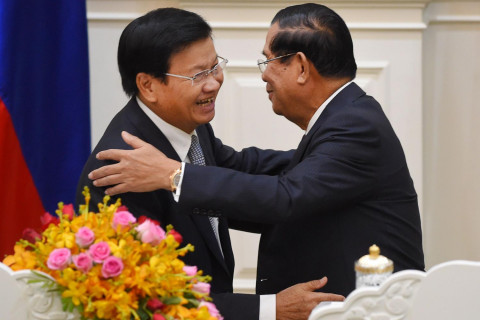
» As geopolitical tensions from Russian aggression in Ukraine and the ongoing United States-China rivalry intensify, Southeast Asia will be hard-pressed to maintain peace and security. Despite their relatively small size, Cambodia and Laos are two countries whose political trajectories will shape regional outcomes. While Cambodia has consolidated domestic political power with dynamic economic expansion, Laos is looking like a regional laggard facing a deep debt crisis. As Cambodia moves forward, Laos is at risk of being left behind.
China-US rivalry on Mekong mainland
Oped, Thitinan Pongsudhirak, Published on 27/11/2020
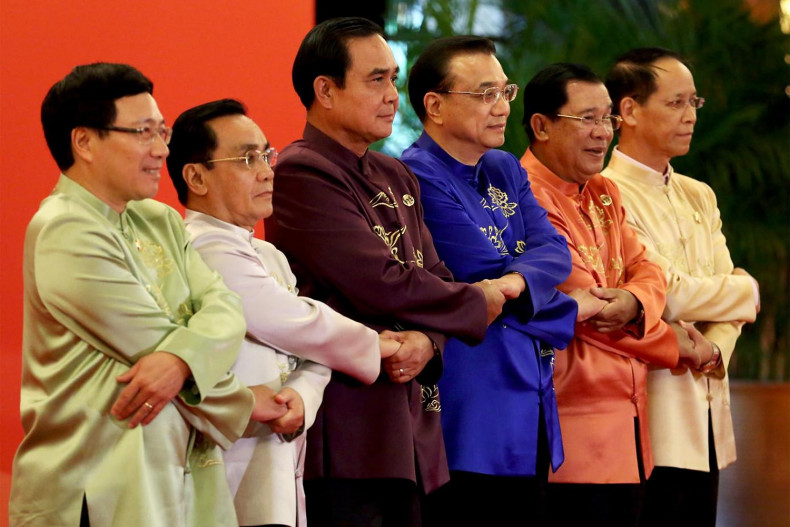
» Unlike other key foreign policy areas where President-elect Joe Biden will likely change the course left behind by outgoing President Donald Trump, the Mekong River region in mainland Southeast Asia represents a low-hanging fruit where continuity from Washington carries consensus. As China has dominated the Mekong space by operating a string of upstream dams and controlling downstream river resources, Cambodia, Laos, Thailand, and Vietnam as adversely affected riparian countries have looked for ways and means to mitigate and counterbalance Beijing's aggressive freshwater offensive. All the incoming Biden administration has to do is to keep its eye on the Mekong and work with like-minded partners to keep mainland Southeast Asian countries from becoming Beijing's uncontested front yard.
Thai chairmanship ends on upbeat note
News, Thitinan Pongsudhirak, Published on 01/11/2019
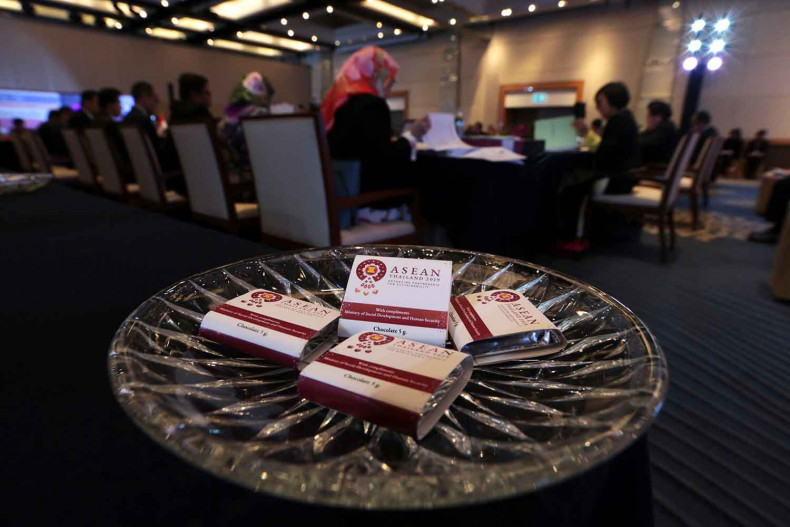
» Just as Thailand's chairmanship of Asean is about to end and a flurry of Asean-related summits are about to transpire, this year has been more eventful for Southeast Asia's 10-member grouping than anticipated. Despite its domestic constraints, Thailand has managed to steer the sometimes unwieldy ship of Asean with limited propulsion and direction. If Vietnam as the next chair can build on momentum from this year, Asean might just be able to regain and reboot its role in the near term as the de facto bridge, broker and buffer for the wider Indo-Pacific region, notwithstanding its usual warts and flaws.
Seeing Asean straight as Thailand chairs
News, Thitinan Pongsudhirak, Published on 21/06/2019
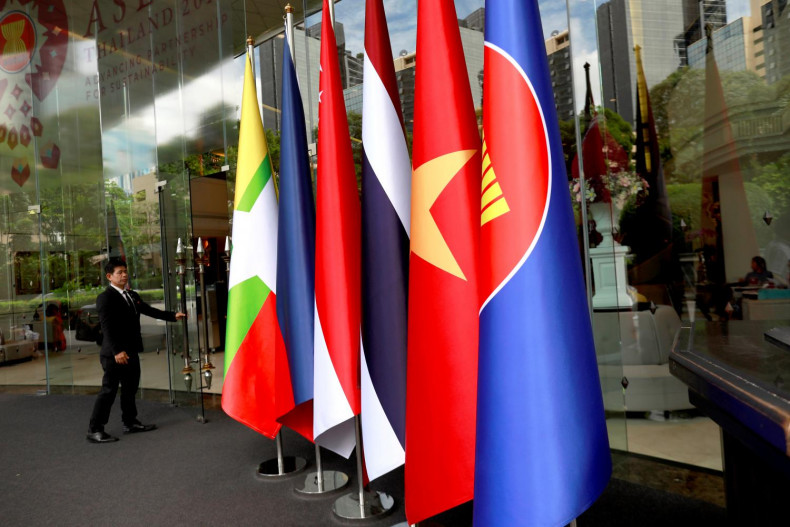
» When Asean organises big meetings, the tendency for the host is to talk up a brouhaha. So it goes with the 34th Asean summit under Thailand's rotating chairmanship this year. By year's end, several hundred Asean-related meetings will have taken place, highlighted by the final annual summitry in October-November that will include top leaders from China, India, Japan, Russia, the United States, among others.