



Showing 1 - 10 of 69
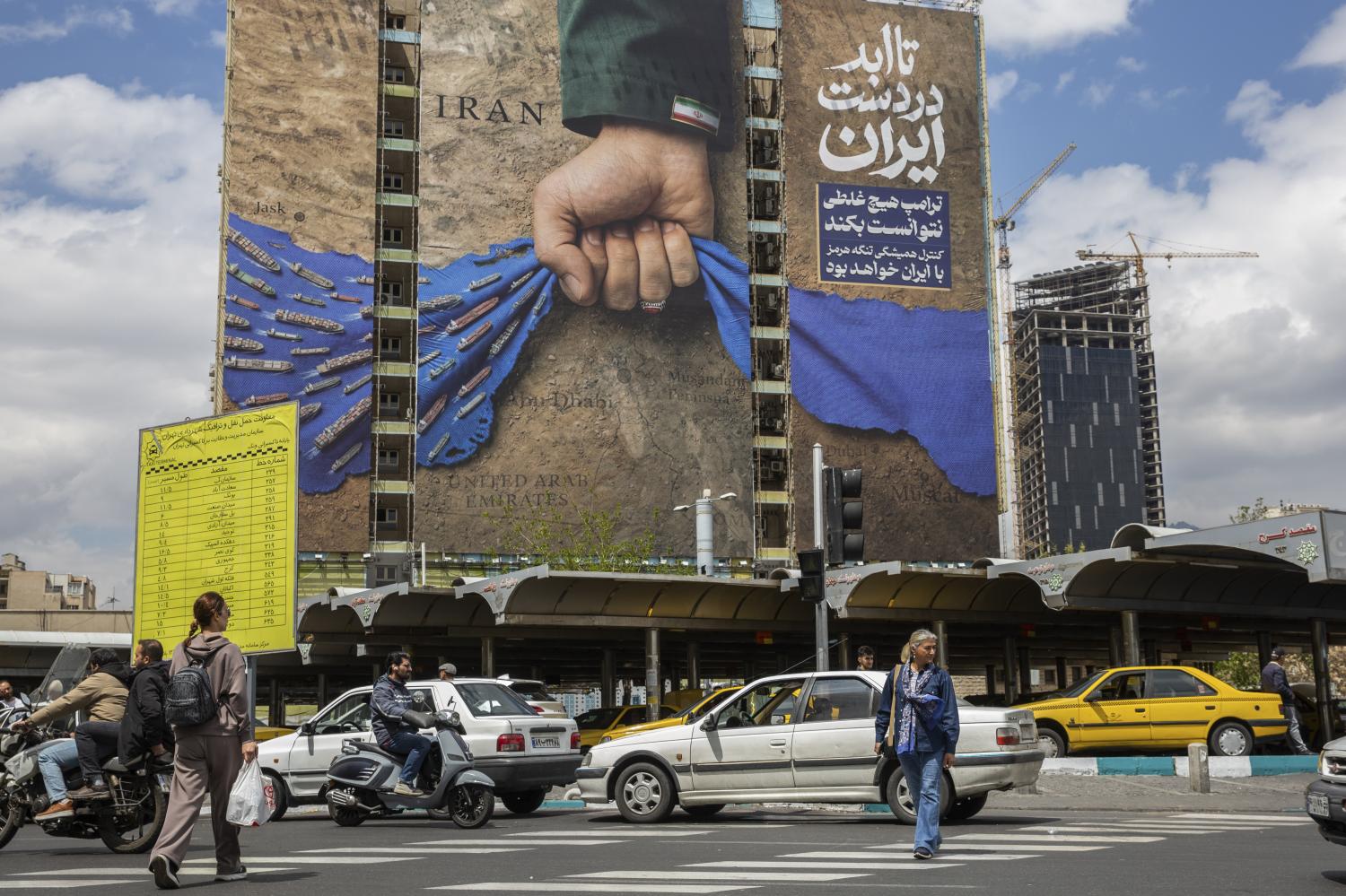
The war and its likely consequences
Oped, Thitinan Pongsudhirak, Published on 17/04/2026
» As the joint attack between the United States and Israel against Iran that resulted in a wider regional conflict in the Middle East approaches its two-month mark, the directions of the war remain precarious while some of the longer-lasting consequences appear evident. Unsurprisingly, the war has been detrimental and damaging for all states and societies concerned, not just within the affected region but the wider world. Already we can start counting some of the long-term costs.
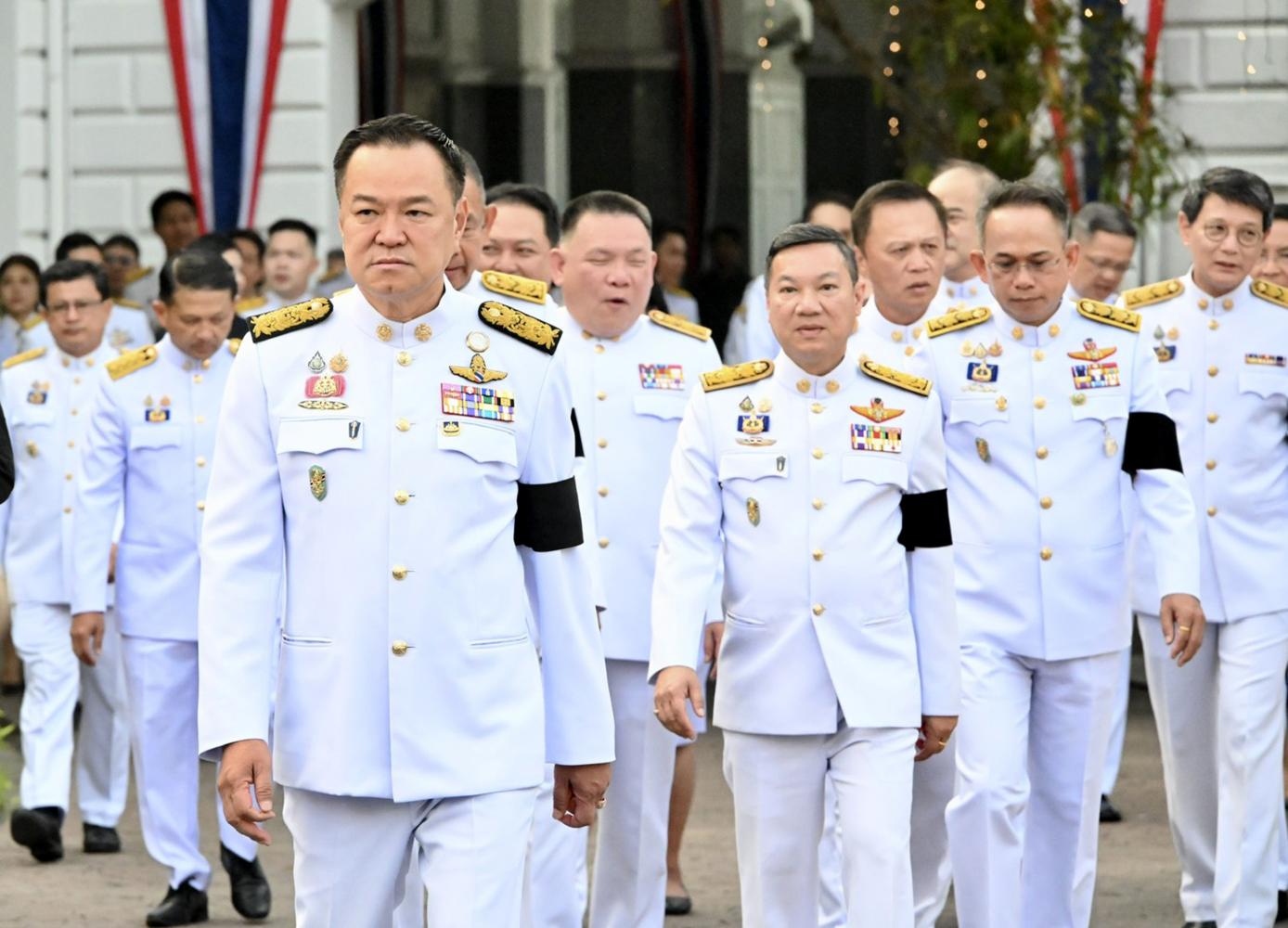
Government stability tests performance
Oped, Thitinan Pongsudhirak, Published on 03/04/2026
» Prime Minister Anutin Charnvirakul has gone from strength to strength, leveraging a stopgap minority government late last year into solid majority rule after the Feb 8 election.
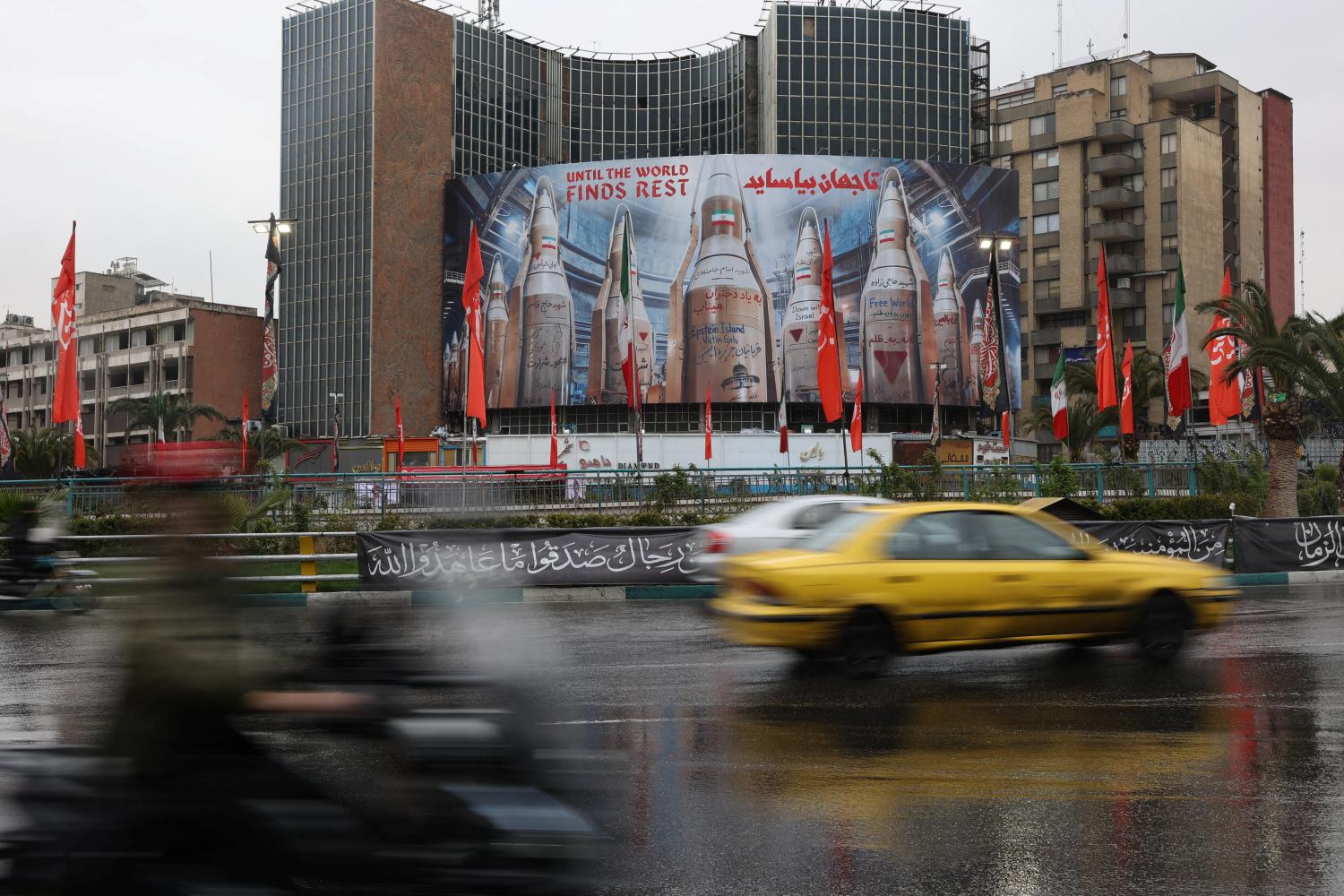
Impacts of Iran war on Southeast Asia
Oped, Thitinan Pongsudhirak, Published on 20/03/2026
» For the most part, Southeast Asia as a region has taken a neutral stance toward the joint attack between the United States and Israel against the Islamic Republic of Iran. Even the Philippines and Thailand, two formal US treaty allies, have distanced themselves, calling for restraint and de-escalation.
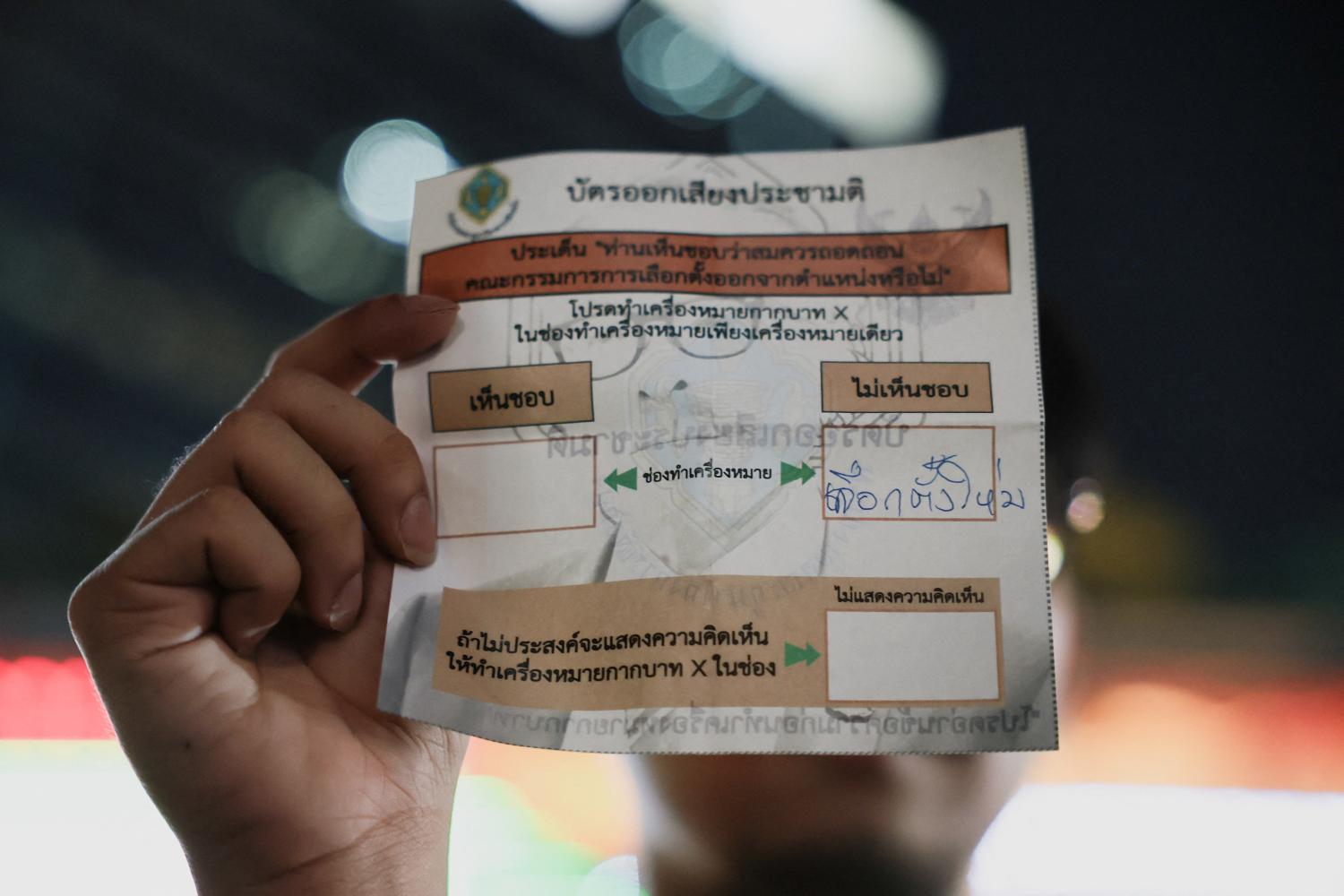
The gist of Thai politics over 20 years
Oped, Thitinan Pongsudhirak, Published on 20/02/2026
» Thailand's democratic institutions have been repressed and kept weak to the point that confusion still prevails almost two weeks after the Feb 8 election, which purportedly showed a clear victory for the ruling Bhumjaithai (BJT) Party under Prime Minister Anutin Charnvirakul. On the one hand, Mr Anutin and BJT stalwarts are busy forming a coalition government with other parties. On the other hand, fraud allegations from civil society groups and the opposition People's Party have reached a critical mass with the plausibility that the recent vote might be nullified to pave the way for a new poll.
Trump's 'America First' in overdrive
News, Thitinan Pongsudhirak, Published on 23/01/2026
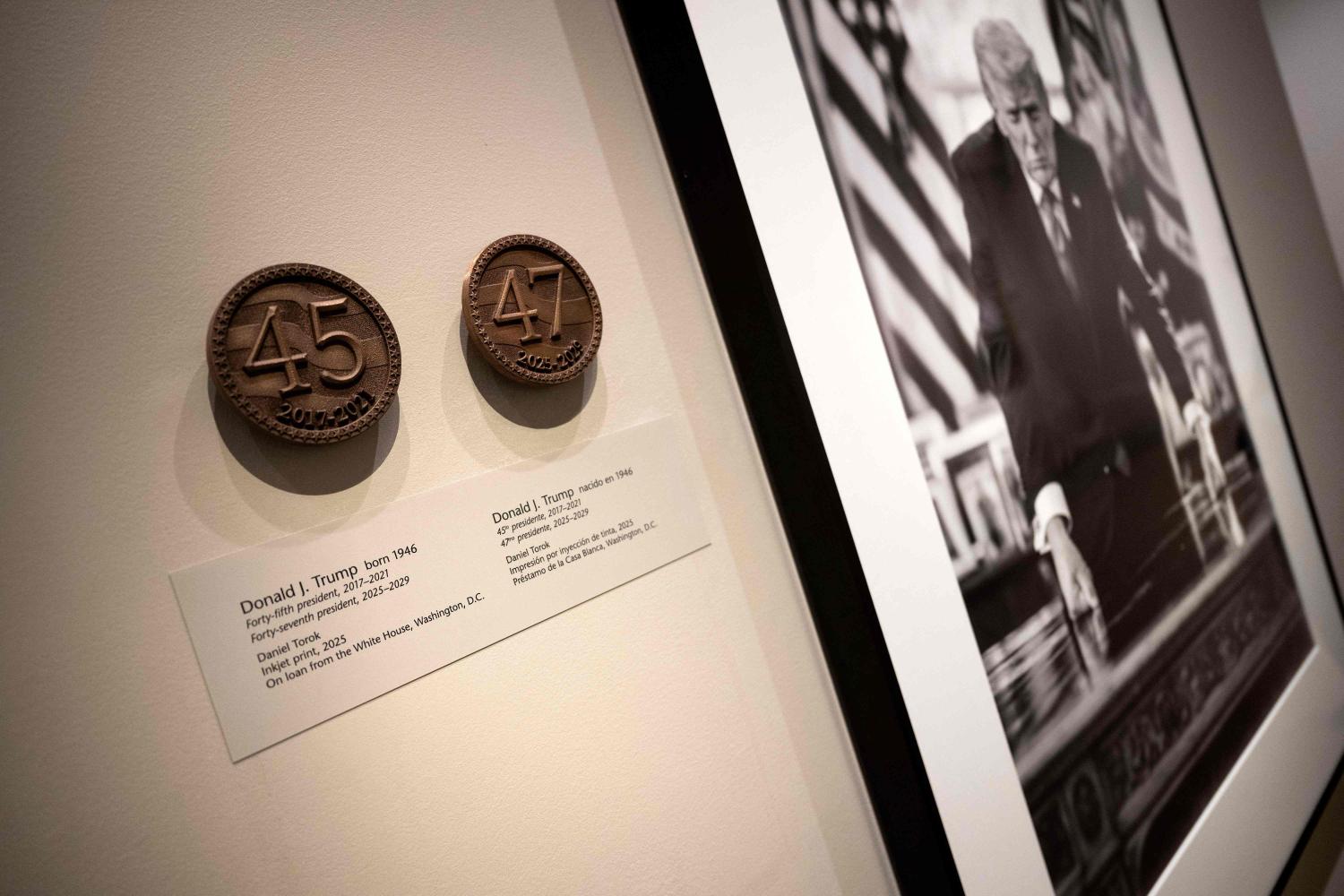
» President Donald Trump's extraterritorial capture of Venezuelan President Nicolas Maduro and his wife on cocaine-trafficking and terrorism-related charges earlier this month and repeated demand to take over Greenland at the World Economic Forum this week are part and parcel of a belligerent and transformative "America First" paradigm that dates back at least four decades.
Thailand hit by a confluence of crises
Oped, Thitinan Pongsudhirak, Published on 05/12/2025
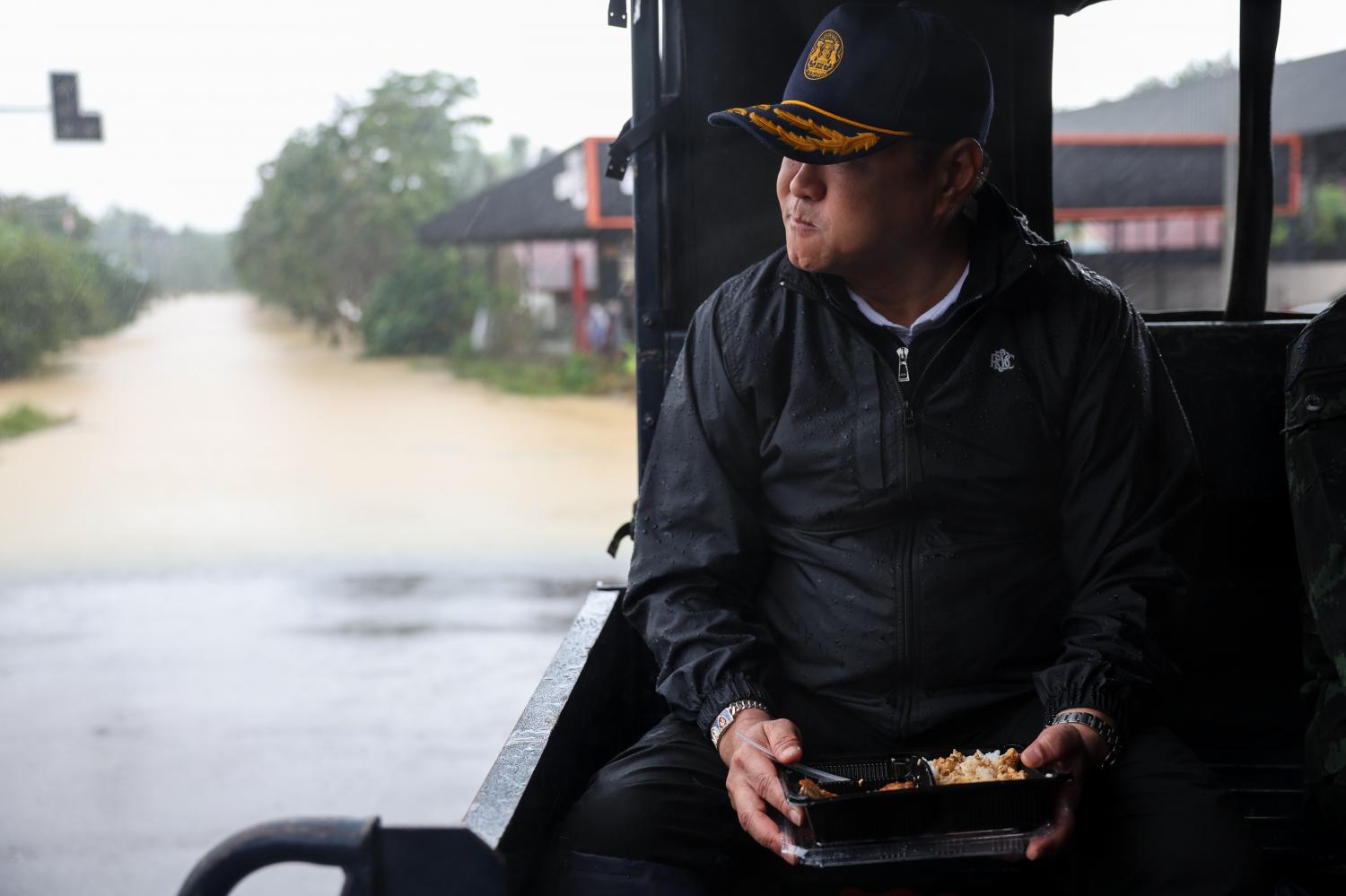
» Thailand is currently facing multiple crises of unprecedented proportions in the highest corridors of power that will pose adversity for the economy and political stability next year and beyond.
Asean's regroup requires deep reforms
Oped, Thitinan Pongsudhirak, Published on 17/10/2025
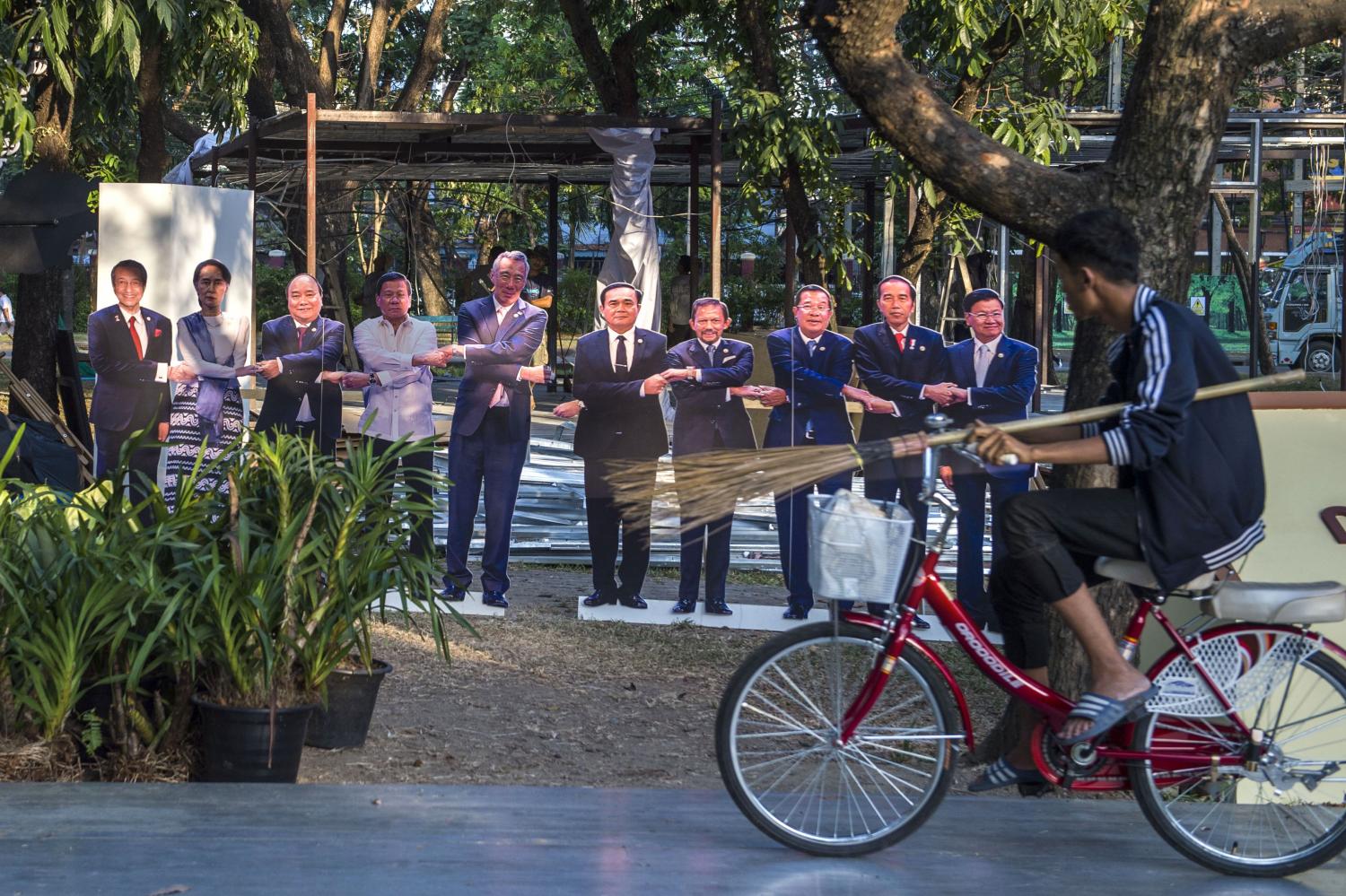
» If Asean's 58 years thus far have been about resilience and playing a central organising role in promoting regional security and stability, its next decade will determine whether the Southeast Asian bloc can adapt and remain relevant. After the crises in Myanmar and along the Thai-Cambodian border, Asean's credibility has never been more in doubt. To regain its effectiveness as Southeast Asia's one and only agency, Asean needs to move away from the ritualistic diplomacy of mundane meetings to far-reaching reforms that chart new ways of making things work.
Southeast Asia amid the US-China rift
Oped, Thitinan Pongsudhirak, Published on 03/10/2025
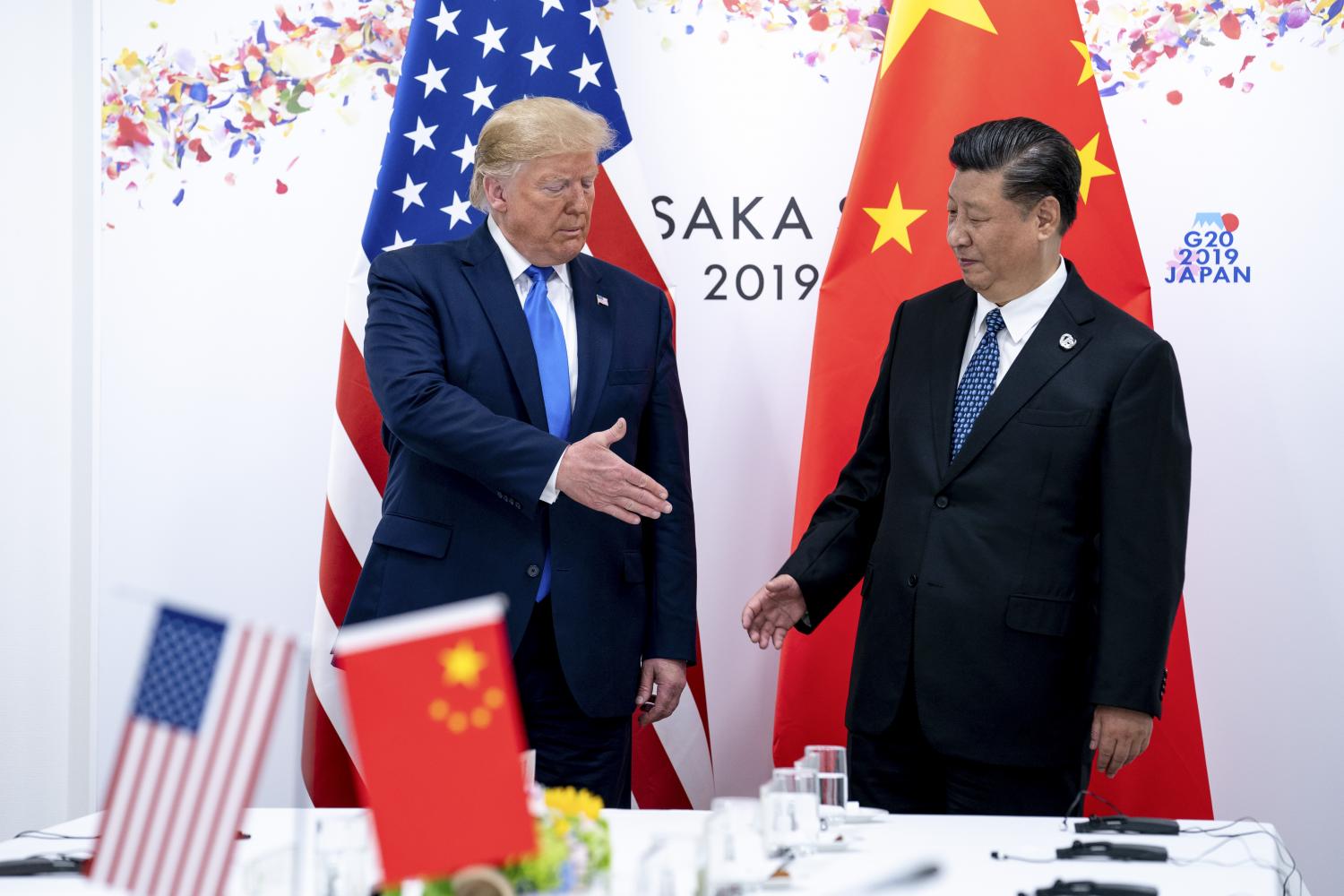
» The rivalry between the United States and China has become the defining contest of the 21st century. Barely two decades ago, Washington and Beijing were partners in prosperity. America's support for China's entry into the World Trade Organization in 2001 epitomised the high-water mark of engagement, reflecting the belief that economic integration would lead to greater political cooperation. Today, that partnership has morphed into suspicion and confrontation. Relations between the United States and China have deteriorated so swiftly that many observers now describe them as locked in a "new Cold War". The more pressing question, however, is not whether this analogy holds, but whether confrontation can be managed short of outright conflict.

Thailand's costly political shenanigans
Oped, Thitinan Pongsudhirak, Published on 22/08/2025
» In a country of 70 million where a handful of men can remove an elected government time and again, there can be no stability and progress, only tension and regression. This is how Thailand can be characterised over the past two decades. It is now going through yet another cycle of heightened political instability with the potential collapse of the government under suspended Prime Minister Paetongtarn Shinawatra in the footsteps of previous leaders who were similarly ousted by the Constitutional Court.

Signs and symptoms of Thai stagnation
Oped, Thitinan Pongsudhirak, Published on 18/07/2025
» That Thailand is faring poorly in the world is no longer in dispute. Not so long ago, many were in denial and adamant that Thailand could still bring a good game to engage abroad, that "Teflon" Thailand could bounce back. Now, just about all indicators are pointing south. The causes of this country's decline and stagnation are not singular but multifaceted over a two-decade period. As Thailand's situation is likely to worsen before hopes for a better future can arise, it is instructive to start counting the costs.