



Showing 1 - 10 of 22
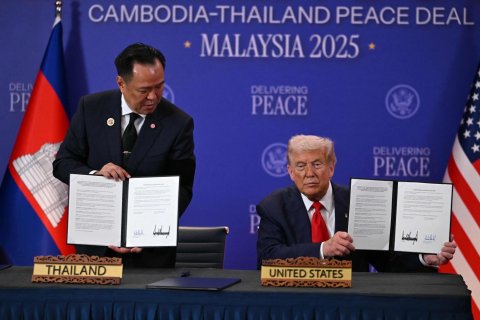
Digesting Trump's trip through Asia
Oped, Thitinan Pongsudhirak, Published on 07/11/2025
» Storming through Asia last week, US President Donald Trump's first stop in Kuala Lumpur on Oct 26, before moving on to Japan and South Korea over the next four days, capped by his meeting with Chinese President Xi Jinping before returning to Washington, was the most consequential for Southeast Asian economies.
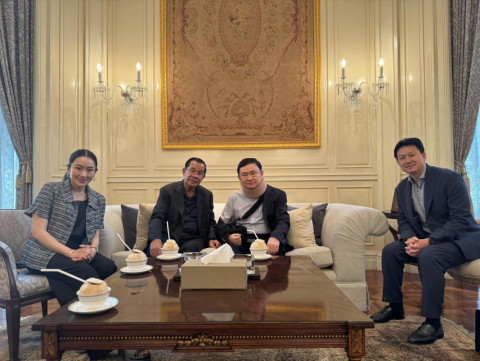
Thai political crisis from border dispute
News, Thitinan Pongsudhirak, Published on 20/06/2025
» The Thai-Cambodian border dispute has turned into a full-blown political crisis in Thailand. Cambodia's former prime minister and Senate President Hun Sen dropped a bombshell in Thai politics by revealing a taped private conversation that is irrevocably compromising to Thai Prime Minister Paetongtarn Shinawatra and her Pheu Thai party-led coalition government and deeply damaging to Thailand's national interest.
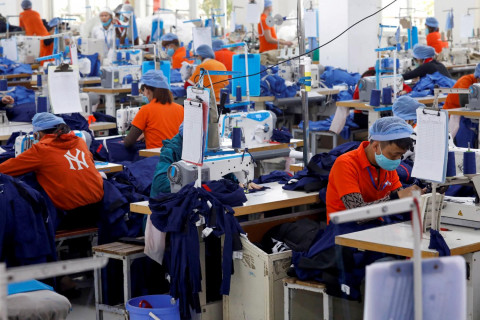
Trump tariffs sow divisions in Asean
Oped, Thitinan Pongsudhirak, Published on 02/05/2025
» President Donald Trump's unilateral imposition of tariffs across the United States' economic chessboard poses a critical test for Asean. As the regional organisation of Southeast Asia, Asean has weathered many geopolitical and geoeconomic storms in its 58-year existence, but no adversity like the Trump tariffs. Unless Asean reorganises and regroups, the ten-member body risks further divisions and increasing irrelevance.

Thailand lags in the global trade war
Oped, Thitinan Pongsudhirak, Published on 11/04/2025
» Thailand is fast isolating itself from the international community and falling behind in the emerging geoeconomic warfare to the detriment of its economy and people. The elected government of Prime Minister Paetongtarn Shinawatra is ironically coming up with outcomes that resemble those of the military administration a decade ago. Thailand must now move quickly to contain policy damage and restore its international standing to navigate and come out of the intensifying geoeconomic war in as decent a shape as possible.

Uyghurs deportation a strategic risk
Oped, Thitinan Pongsudhirak, Published on 07/03/2025
» Regardless of official spin, the government's decision to deport 40 Uyghurs to China was a strategic mistake on multiple levels.

Smart geopolitics starts on home front
Oped, Thitinan Pongsudhirak, Published on 21/02/2025
» According to a longstanding axiom, all politics is local. If so, then smart and crafty geopolitics must start at home with sufficient domestic political stability and consensus about how the country should navigate what is increasingly a turbulent geostrategic chessboard. Put this way, few countries can appreciate the intersection of geopolitics and domestic politics more than Thailand. Its rocky and volatile home front over the past two decades continues to impede and constrain its geostrategic projection.

Endgame dynamics in Russia's war
Oped, Thitinan Pongsudhirak, Published on 01/04/2022
» Five weeks into Russia's invasion of Ukraine, the tables are turning dramatically amidst the fog of war. As the Ukrainians have stood their ground better than anticipated, the Russians have been put on the back foot. The centre of gravity in the war now appears to be shifting eastward away from Kyiv towards Crimea and the Donbas region. As endgame discussions emerge, all major parties in the conflict are behoved to arrive at a viable settlement and common denominator without overplaying their hands.
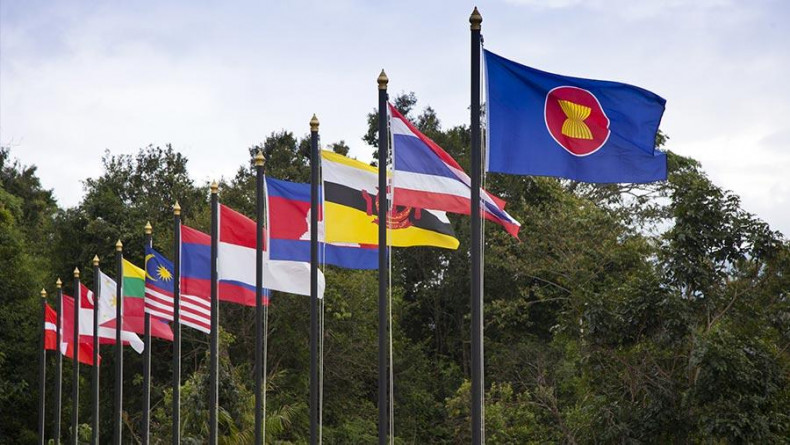
54 years on, Asean needs new modality
Oped, Thitinan Pongsudhirak, Published on 13/08/2021
» After 54 years of being together, Asean is at the end of its tether. It has never been more divided than now, split within member states and across all 10 of them, dominated once again by divisive superpower rivalry and competition. In practice, this means Asean will appear increasingly ineffectual and inert. There will be much bureaucratic motion but few substantive organisational and policy outcomes amid unresolved challenges from within and from outside the region. Asean's best way forward may require unprecedented radical thinking towards a multi-track organisation to ensure relevance and momentum where it can be generated.
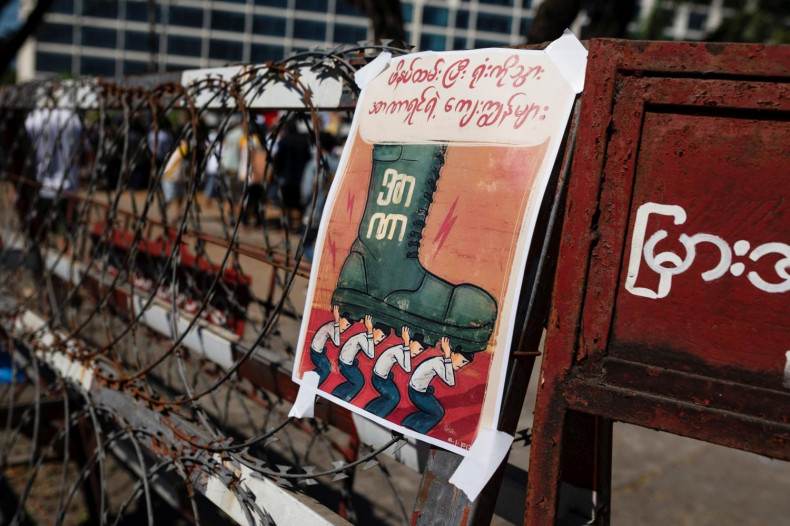
Who's culpable for Myanmar's coup?
Oped, Thitinan Pongsudhirak, Published on 12/02/2021
» When Myanmar's armed forces, known as the Tatmadaw, staged a military coup on Feb 1, reactions inside the country and outside were noticeably different. As the coup effectively disenfranchised millions of voters who chose hitherto State Counsellor Aung San Suu Kyi and her National League for Democracy (NLD) party in a landslide victory on Nov 8, public anger inside the country was immediate and conspicuous just as Myanmar's newly elected parliament was about to convene. Many outside observers, however, were more guarded and hedged, portraying the cause of the coup as more qualified and nuanced. How the coup came about has become a bone of contention that will have much to say about the post-coup dynamics and outcomes.
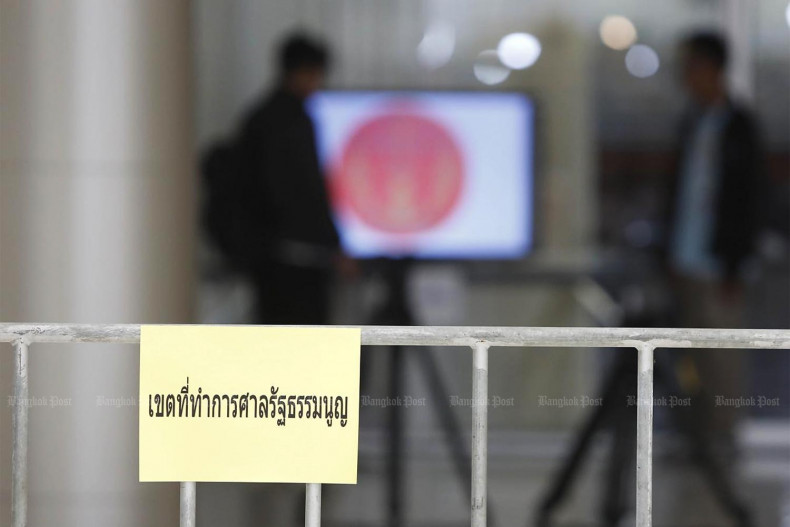
Ruling adds to popular grievances
Oped, Thitinan Pongsudhirak, Published on 04/12/2020
» Anyone who has wondered or insinuated that the student-led protest movement for Thailand's fundamental reforms must somehow be sponsored by some foreign government or politically motivated agents at home need look no further than the Constitutional Court's unanimous decision to clear Prime Minister Prayut Chan-o-cha of violating the 2017 charter by staying in army housing after retirement. In a 9-to-0 verdict, the nine-member bench sided with an army regulation over charter stipulations. The controversial verdict will exacerbate Thailand's political polarisation and add to popular grievances that are backing the student-led reform drive.