



Showing 1 - 10 of 22
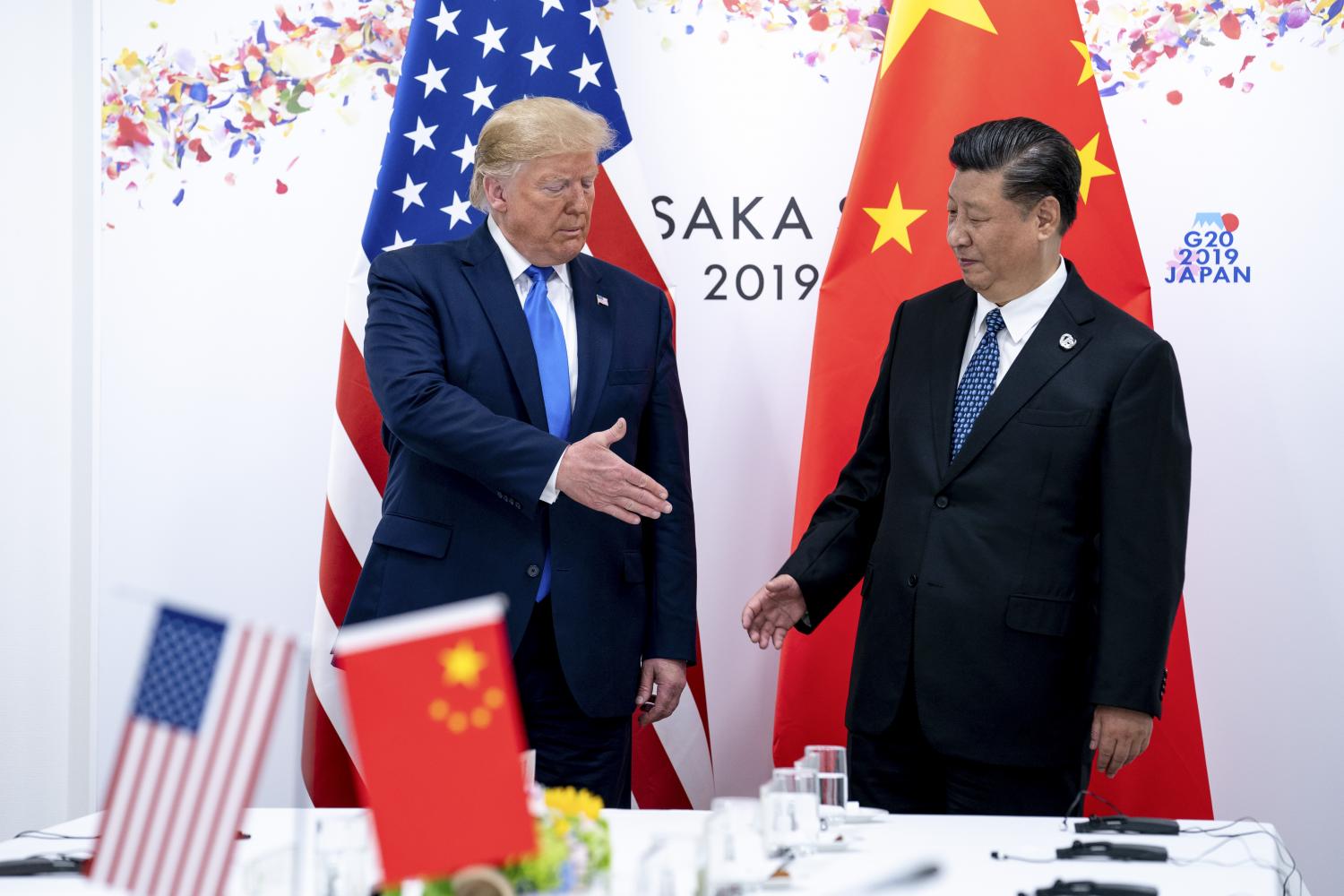
Southeast Asia amid the US-China rift
Oped, Thitinan Pongsudhirak, Published on 03/10/2025
» The rivalry between the United States and China has become the defining contest of the 21st century. Barely two decades ago, Washington and Beijing were partners in prosperity. America's support for China's entry into the World Trade Organization in 2001 epitomised the high-water mark of engagement, reflecting the belief that economic integration would lead to greater political cooperation. Today, that partnership has morphed into suspicion and confrontation. Relations between the United States and China have deteriorated so swiftly that many observers now describe them as locked in a "new Cold War". The more pressing question, however, is not whether this analogy holds, but whether confrontation can be managed short of outright conflict.

Myanmar's civil war after four years
Oped, Thitinan Pongsudhirak, Published on 31/01/2025
» Four years after its military coup and consequent civil war, Myanmar's spotlight in global headlines continues to dim as geostrategic reorientations and realignments among the major powers take centre stage. Dramatic and drastic foreign policy changes are afoot in the United States under the second administration of President Donald J Trump, while the European Union faces an existential threat from Russia's aggression in Ukraine, and Japan is mired in political sclerosis at home. Myanmar's fate and future will thus likely be determined by the course and outcome of its civil war, China's expanding influence in the country and Asean member states' manoeuvres to a lesser extent.

What's next for post-Thaksin Thailand?
Oped, Thitinan Pongsudhirak, Published on 08/09/2023
» The formation of a new coalition government under Prime Minister Srettha Thavisin has closed a two-decade chapter in Thai politics.

Reversing Myanmar's internal strife
Oped, Thitinan Pongsudhirak, Published on 10/02/2023
» This month marks two anniversaries of ongoing conflicts in Europe and Southeast Asia, namely 12 months after Russia invaded Ukraine and two years since Myanmar's military seized power by toppling a democratically elected and civilian-led government under Aung San Suu Kyi.

Global, regional, local trends for 2023
Oped, Thitinan Pongsudhirak, Published on 23/12/2022
» Although economic predictions are usually reserved for the foolhardy, as the future is always difficult to ascertain, there are certain trend lines and probabilities that can be discerned at the global and regional level as well as the local level here in Thailand. As a year-end exercise, we can tease out a few contours with a reasonably high degree of probability.
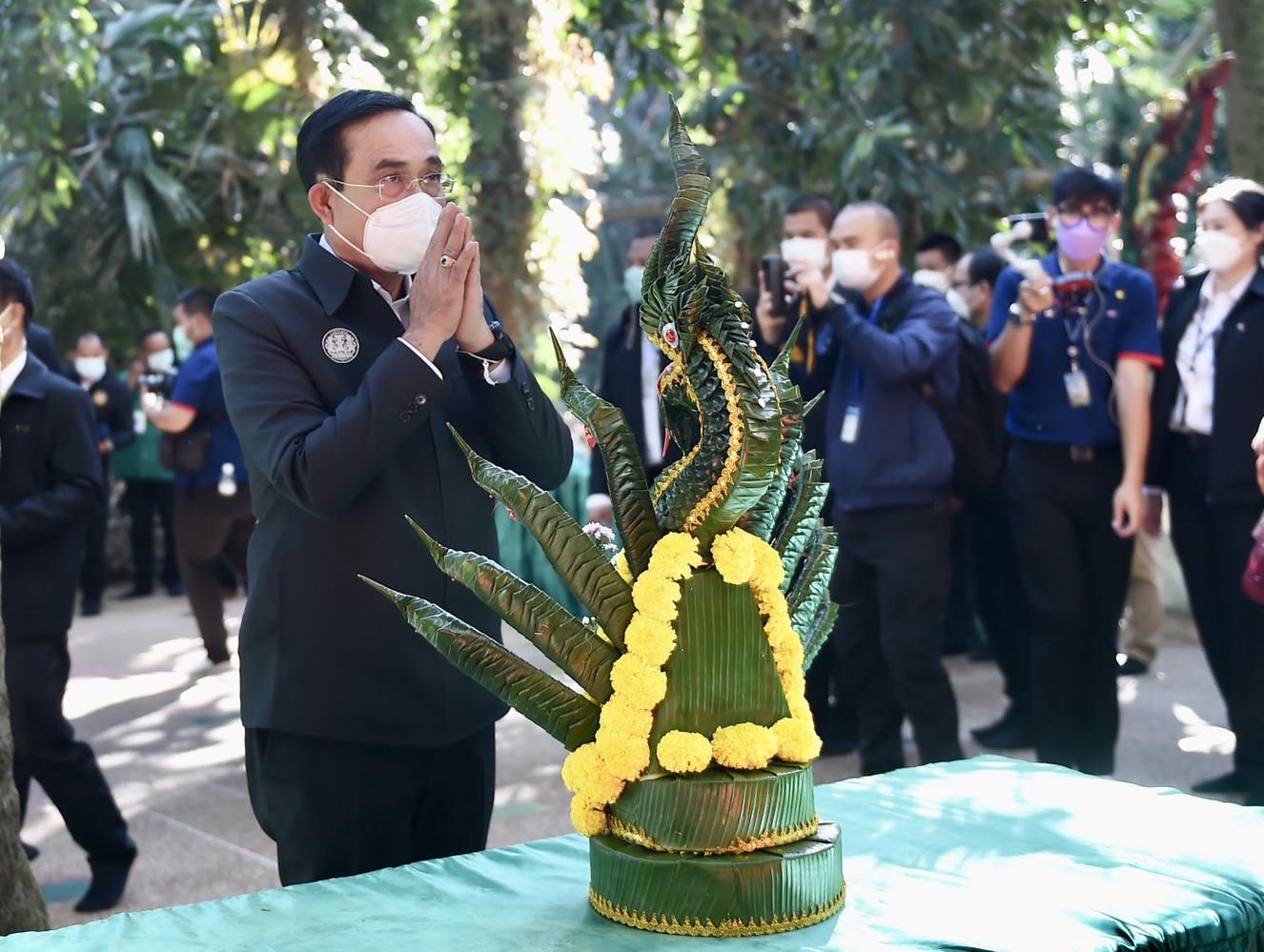
Thai politics' murky tunnel to nowhere
Oped, Thitinan Pongsudhirak, Published on 07/01/2022
» Starting out a new year should engender a sense of hope and optimism that tomorrow can be better than yesterday. But the reality in Thailand suggests otherwise. A sense of prolonged malaise and discontent pervades the scene, where politics will likely prove murky with an economy persistently in the doldrums, underpinned by continuing societal divisions and broad-based unhappiness. Unless drastic changes and reforms take place very soon, this year is likely to further solidify the onset of a decade of decay and stagnation.

What happens if Asean shrinks to 9?
Oped, Thitinan Pongsudhirak, Published on 29/10/2021
» It all came down to a choice between marginalisation and irrelevance on the one hand and pragmatism and resilience on the other. At its 38th and 39th leaders' meetings and related summits with dialogue partners, Asean chose to remain relevant. In an unprecedented move with far-reaching ramifications, Asean reduced itself to nine participating members from the normal 10, excluding Myanmar. While this bold manoeuvre derived from necessity rather than initiative, it provides Southeast Asia's bloc of smaller states a small window of opportunity to regain its footing and revitalise its central role in promoting regional peace and stability in Asia.

Govt ducks Asean Myanmar challenge
Oped, Thitinan Pongsudhirak, Published on 23/04/2021
» Asean's highly anticipated "special" summit tomorrow in Jakarta on Myanmar's crisis can be declared moot on arrival. What goes into it is likely more telling that what will come out of it. Nearly three months and more than 730 civilian deaths after Myanmar's military coup on Feb 1, Asean is still unable to address its rogue member state's atrocities against its own people. The summit attendance foretells trends and dynamics of what might come next in Myanmar's fast-moving and deadly events on the ground and how they will shape regional responses and global concerns.

Who's culpable for Myanmar's coup?
Oped, Thitinan Pongsudhirak, Published on 12/02/2021
» When Myanmar's armed forces, known as the Tatmadaw, staged a military coup on Feb 1, reactions inside the country and outside were noticeably different. As the coup effectively disenfranchised millions of voters who chose hitherto State Counsellor Aung San Suu Kyi and her National League for Democracy (NLD) party in a landslide victory on Nov 8, public anger inside the country was immediate and conspicuous just as Myanmar's newly elected parliament was about to convene. Many outside observers, however, were more guarded and hedged, portraying the cause of the coup as more qualified and nuanced. How the coup came about has become a bone of contention that will have much to say about the post-coup dynamics and outcomes.
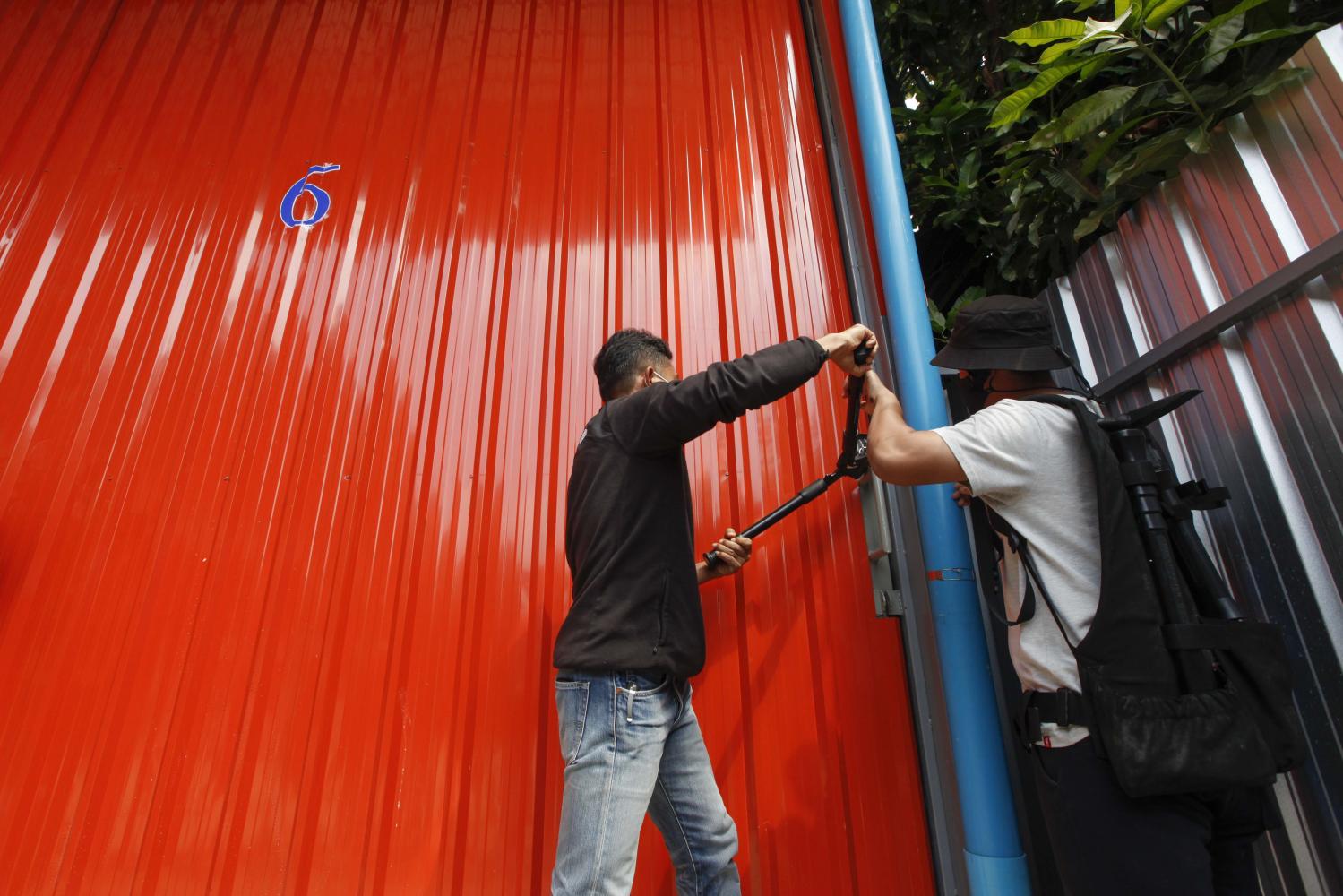
Corruption without a moral backstop
Oped, Thitinan Pongsudhirak, Published on 15/01/2021
» For Thailand, Covid-19 has become an unwitting spotlight that has exposed shadowy closets and drawers where corruption and graft have long festered. In the past, Thailand's dirty deeds and illegal wrongdoings operated within certain parameters set by a semblance of moral authority at the top echelons of Thai society. But in recent years, moral turpitude has set in while the sense of moral backstop has faded. As this trend intensifies, Thailand risks suffering political decay, social decadence and economic stagnation, while impunity and immorality reign without boundaries.