



Showing 1 - 10 of 12
Trump goes off-script, US gone rogue
Oped, Thitinan Pongsudhirak, Published on 27/03/2026
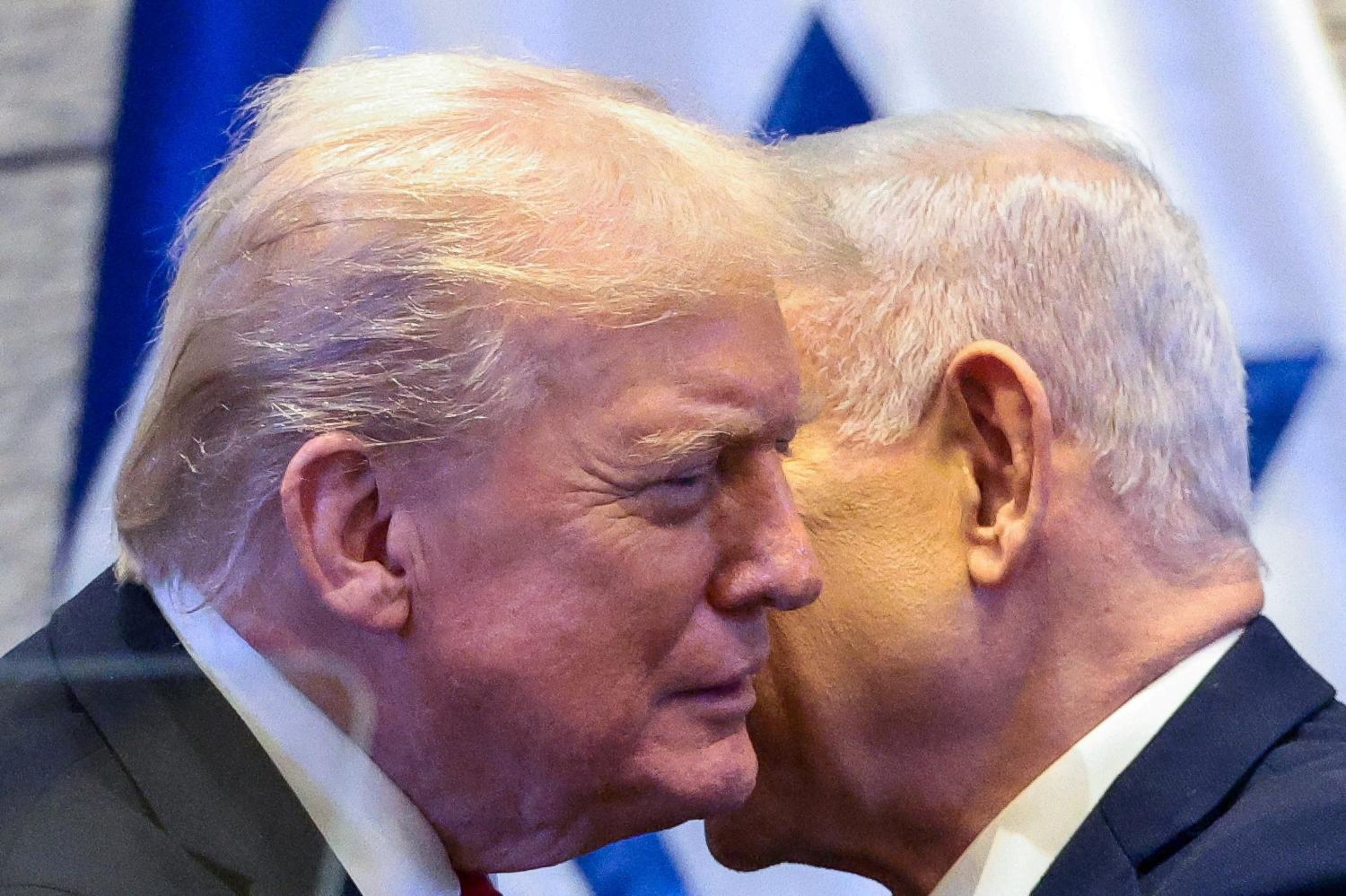
» It was not supposed to work like this. "America First" and "Make America Great Again" (MAGA) were supposed to be about an inward turn to repair, replenish and rebuild an externally overstretched and internally weakened country, weighed down by unnecessary global entanglements, unsustainable national debt, and unimpeded mass migration. It seemed for a time that the MAGA movement to prioritise America above and beyond the international system and its constituent parts had found its final prophet in President Donald J Trump. But now, somehow, President Trump has betrayed the movement that has carried him to office by waging a disastrous war on Iran in cooperation with Israel.

A backdrop to Trump's stunning win
Oped, Thitinan Pongsudhirak, Published on 08/11/2024
» Analysts often face the tough task of assessing an outcome the way it is rather than how they would like it to be. Nowhere is this challenge more daunting than analysing the stunning election results in the United States this week. Against the odds, former President Donald J Trump of the Republican Party has resoundingly won a second term over Vice President Kamala D Harris of the Democratic Party both in the popular vote and the Electoral College. The Republican Party also captured the Senate and the House of Representatives. While the implications for Thailand and the rest of Southeast Asia are wide-ranging and far-reaching, it is first and foremost necessary to understand the nature of the Trump victory.

Myanmar as interim 'non-state' state
Oped, Thitinan Pongsudhirak, Published on 01/03/2024
» Myanmar, also known as Burma, has become a de facto state that is dominated by non-state entities. Contrary to facile claims, Myanmar is not a failed state like some that beset parts of Africa and the Middle East. The ethnically diverse country of 55 million still functions despite widespread violence in an ongoing civil war. Unless and until Myanmar is understood and re-conceptualised as an interim state comprising non-state entities, it will be difficult to move forward to remake and reconstitute a new country after the civil war and the passing of the military junta that seized power on Feb 1, 2021, led by Senior General Min Aung Hlaing.

Thailand's central bank dependence
Oped, Thitinan Pongsudhirak, Published on 23/02/2024
» To proponents of central bank independence, the ongoing friction between Prime Minister and Finance Minister Srettha Thavisin and Bank of Thailand Governor Sethaput Suthiwartnarueput appears straightforward. The prime minister is putting unwarranted and unfair pressure on the central bank governor to spur the economy by loosening monetary policy and cutting interest rates. Yet, on closer scrutiny, the entrenched politicisation of central banking in Thailand may suggest otherwise. There is more than meets the eye in the politics of interest rate cuts.

What's next for post-Thaksin Thailand?
Oped, Thitinan Pongsudhirak, Published on 08/09/2023
» The formation of a new coalition government under Prime Minister Srettha Thavisin has closed a two-decade chapter in Thai politics.

Post-poll lull has a lot to answer for
Oped, Thitinan Pongsudhirak, Published on 26/05/2023
» After a clear election victory, Thailand should already have a new government in office by now with Pita Limjaroenrat as prime minister, as his Move Forward Party (MFP) together with opposition ally Pheu Thai Party won a clear mandate of more than 58% of 500 lower house seats. Yet their coalition government in waiting among eight parties with 313 elected representatives is facing several critical roadblocks, including the military-appointed senate and the Election Commission (EC). Public pressure is now needed to be piled on these powerful but biased bodies that were appointed during the coup-dominated era in 2014–2019 to comply with the people's wishes, as expressed at the polls on May 14.

Thailand's bankrupt Myanmar policy
Oped, Thitinan Pongsudhirak, Published on 17/06/2022
» Few signboards foretell the global issues of our time better than what is addressed at the annual meetings of the Shangri-La Dialogue (SLD) in Singapore. After a pandemic-induced two-year hiatus, the most recent SLD covered the gamut on the main stage, from the United States-China geostrategic competition and military modernisation to security cooperation and climate change. The only anomalous single- and small-country focus in a special session was Myanmar.
The geopolitics of China's CPTPP move
Oped, Thitinan Pongsudhirak, Published on 03/12/2021
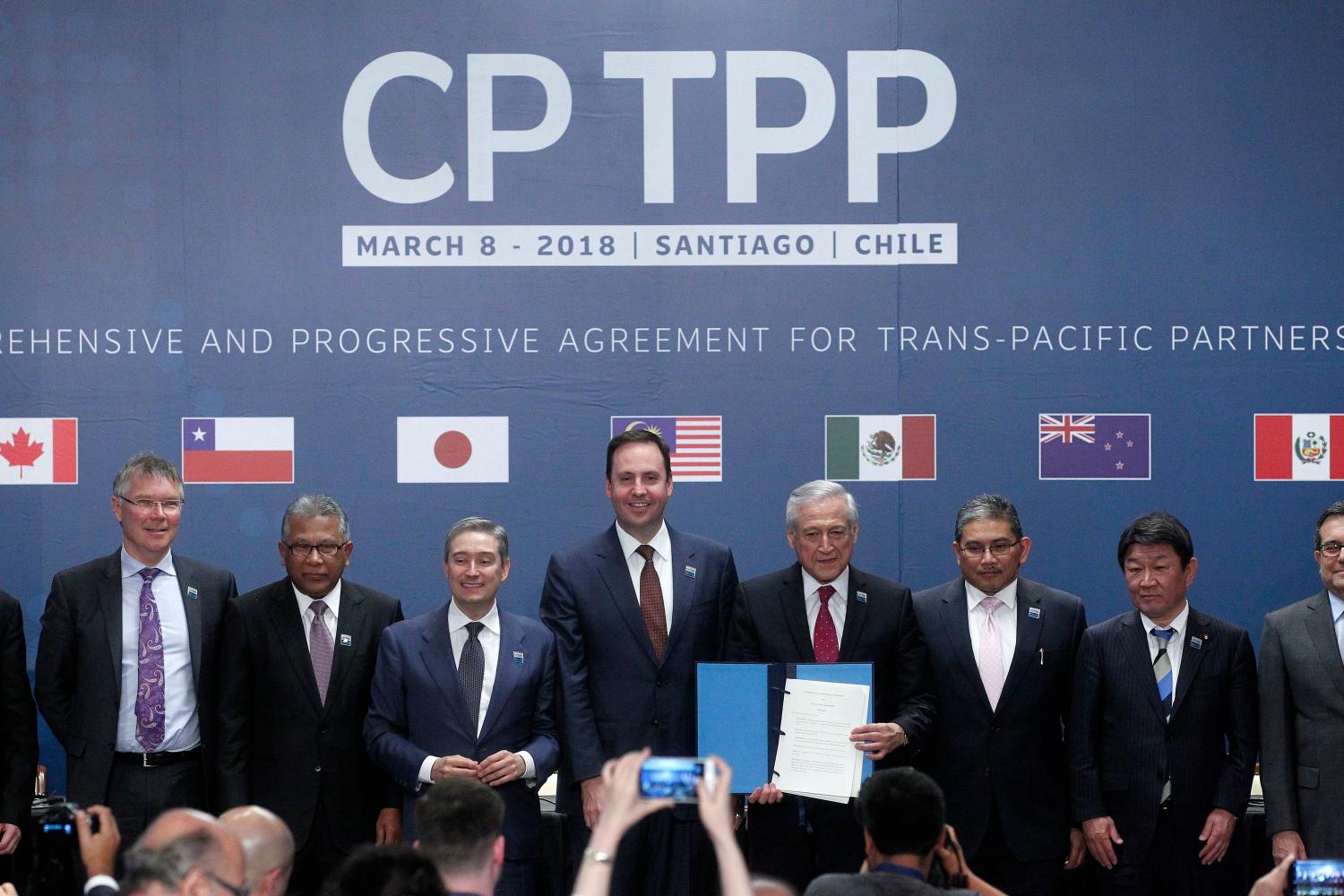
» Nowhere is the intersection between geopolitics and geoeconomics more evident than the accession negotiations under the 11-member Comprehensive and Progressive Agreement for Trans-Pacific Partnership (CPTPP). At issue are three new applications for accession by the United Kingdom, China, and Taiwan. While the UK's candidacy alters the geographic crux of what has been Asia-Pacific trade liberalisation, China's and Taiwan's entry efforts represent a proxy showdown between the United States-led global order and 75-year-old alliance system versus Beijing's geostrategic ambitions and objectives.
How to stifle Thai political party system
News, Thitinan Pongsudhirak, Published on 25/02/2020
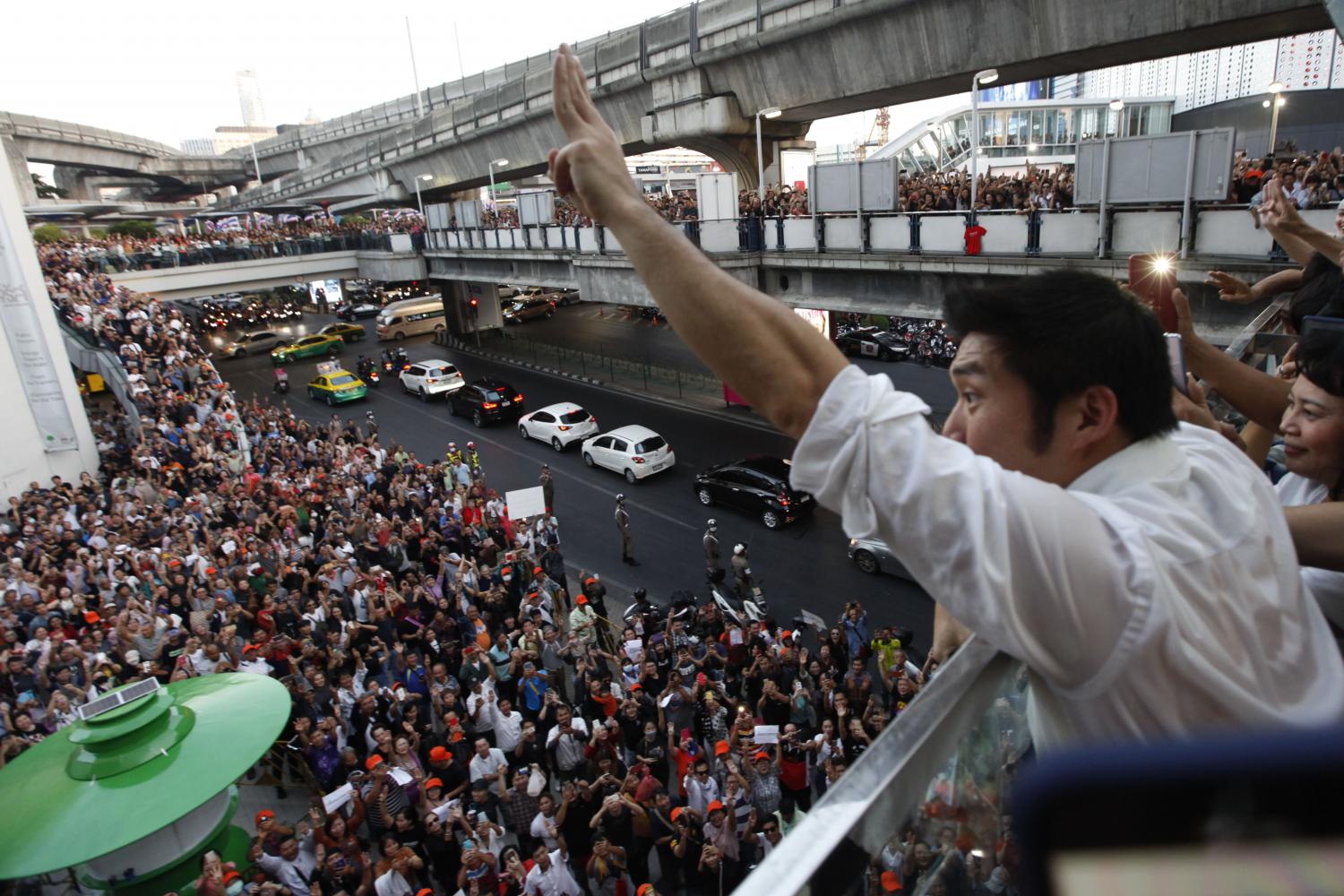
» No compromise is in sight for Thailand's politics where the stakes are at their highest. It is a winner-takes-all reality. The quick demise of the Future Forward Party and the 10-year ban for its key leaders, who phenomenally captured a large swath of the electorate less than a year ago on an aggressive reform agenda, bear myriad and far-reaching implications.

Concentric Mideast wars and prospects
News, Thitinan Pongsudhirak, Published on 10/01/2020
» Nothing captures attention in an age of media saturation like the talk of war. The recent decision by US President Donald Trump to assassinate a top Iranian official, Quds Force Commander Major General Qassem Soleimani, has conjured up the spectre of a wider conflict encompassing not just the Middle East but the broader world, as Iran's top leaders deemed it "an act of war" and vowed "severe revenge". Although Iran's military and its proxy militias and client states in the Middle East and elsewhere are poised to exact retribution for their loss, we are unlikely to see a world war in the immediate aftermath of this killing.