



Showing 1 - 10 of 16
Trump's 'America First' in overdrive
News, Thitinan Pongsudhirak, Published on 23/01/2026
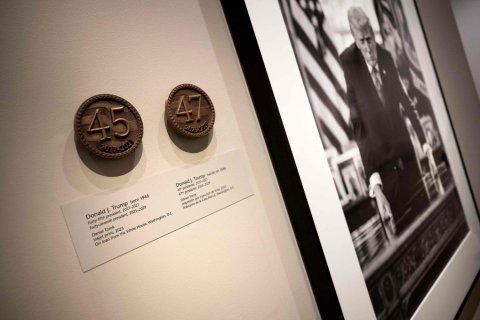
» President Donald Trump's extraterritorial capture of Venezuelan President Nicolas Maduro and his wife on cocaine-trafficking and terrorism-related charges earlier this month and repeated demand to take over Greenland at the World Economic Forum this week are part and parcel of a belligerent and transformative "America First" paradigm that dates back at least four decades.

Domestic drivers of bilateral conflict
News, Thitinan Pongsudhirak, Published on 19/12/2025
» The latest flare-up and intensification of the armed conflict between Thailand and Cambodia should be understood less as a new crisis and more as a resumption of a bilateral clash that erupted in late July.
Digesting Trump's trip through Asia
Oped, Thitinan Pongsudhirak, Published on 07/11/2025
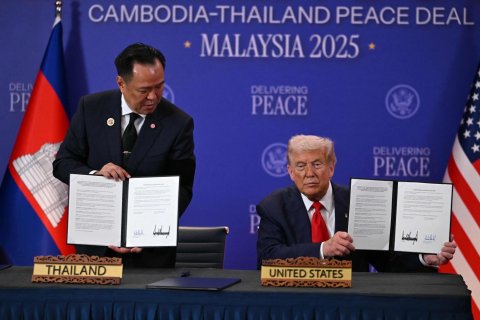
» Storming through Asia last week, US President Donald Trump's first stop in Kuala Lumpur on Oct 26, before moving on to Japan and South Korea over the next four days, capped by his meeting with Chinese President Xi Jinping before returning to Washington, was the most consequential for Southeast Asian economies.
Thailand needs a geostrategic rebalance
Oped, Thitinan Pongsudhirak, Published on 06/06/2025
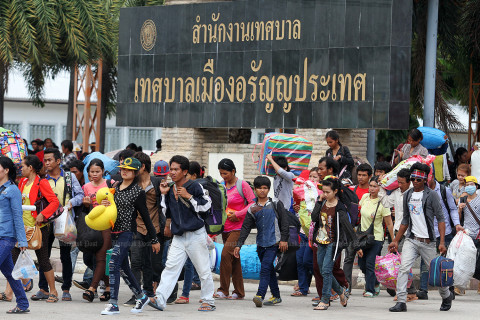
» With two military coups and multiple judicial interventions that combined to subvert election results and weaken democratic institutions over the past two decades, it is unsurprising that Thailand's geostrategic position has leaned increasingly towards China. Naturally, the more Thailand becomes autocratic, the more it will be estranged from established democracies in Europe and North America, as well as Japan and South Korea, with nowhere to turn but to Beijing. But this China orientation is a geostrategic mistake at this time. Thailand should correct its course until clearer signs emerge as to which side of the superpower struggle will come out on top.
Thailand's central bank dependence
Oped, Thitinan Pongsudhirak, Published on 23/02/2024
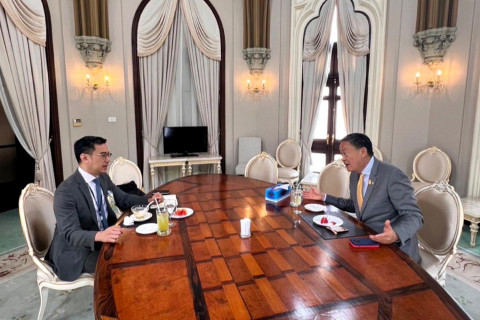
» To proponents of central bank independence, the ongoing friction between Prime Minister and Finance Minister Srettha Thavisin and Bank of Thailand Governor Sethaput Suthiwartnarueput appears straightforward. The prime minister is putting unwarranted and unfair pressure on the central bank governor to spur the economy by loosening monetary policy and cutting interest rates. Yet, on closer scrutiny, the entrenched politicisation of central banking in Thailand may suggest otherwise. There is more than meets the eye in the politics of interest rate cuts.

Prayut running down clock to aid UTN
Oped, Thitinan Pongsudhirak, Published on 03/03/2023
» There is something odd about Thailand's upcoming election. By all indications, it is slated to take place on May 7. Prime Minister Prayut Chan-o-cha has announced that he will soon dissolve the Lower House to set the poll in motion. But no such dissolution has yet been announced, while the end of parliament's four-year term falls on March 23. The ambiguous election-setting scene is portentous and telling for several reasons.
Asean/SE Asia and the cycles of history
Oped, Thitinan Pongsudhirak, Published on 10/06/2022
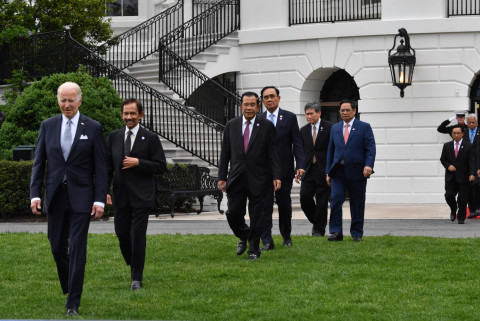
» The simmering geopolitical tensions between the United States and China and Russia's ongoing invasion of Ukraine have turned the tide of history back to its historical norm. It is easy to see the global stage today as full of tension, confrontation, and conflict in a recurrent fashion. But it is worth recalling that merely 30 years ago, the world was in a different phase where a lasting peace seemed viable.
The geopolitics of China's CPTPP move
Oped, Thitinan Pongsudhirak, Published on 03/12/2021
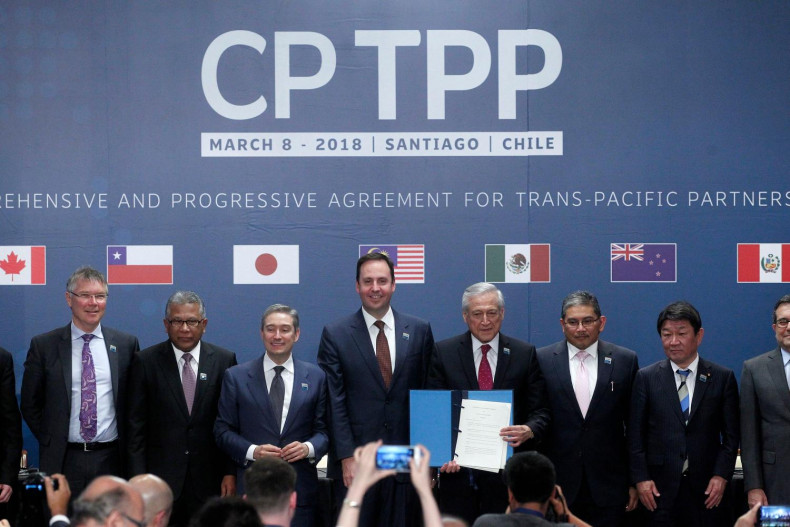
» Nowhere is the intersection between geopolitics and geoeconomics more evident than the accession negotiations under the 11-member Comprehensive and Progressive Agreement for Trans-Pacific Partnership (CPTPP). At issue are three new applications for accession by the United Kingdom, China, and Taiwan. While the UK's candidacy alters the geographic crux of what has been Asia-Pacific trade liberalisation, China's and Taiwan's entry efforts represent a proxy showdown between the United States-led global order and 75-year-old alliance system versus Beijing's geostrategic ambitions and objectives.
Aukus poses challenges to other powers
Oped, Thitinan Pongsudhirak, Published on 15/10/2021
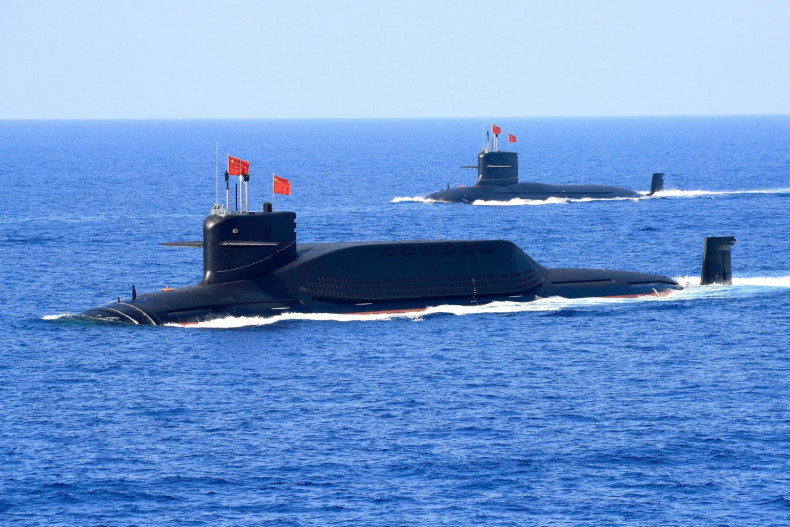
» The Australia-United Kingdom-United States (Aukus) security pact has caused ripple effects across oceans and continents. Not only will the trilateral security partnership provoke China, but it will likely further divide Southeast Asia and overshadow Asean-centred cooperative vehicles, such as the East Asia Summit. Beyond these concerns, the Aukus deal to share Anglo-American nuclear technology to enable Australia's acquisition of eight nuclear-powered submarines over two decades poses challenges to other major powers, particularly the European Union and its key members as well as Japan.
Aukus pact raises geopolitical tensions
Oped, Thitinan Pongsudhirak, Published on 08/10/2021
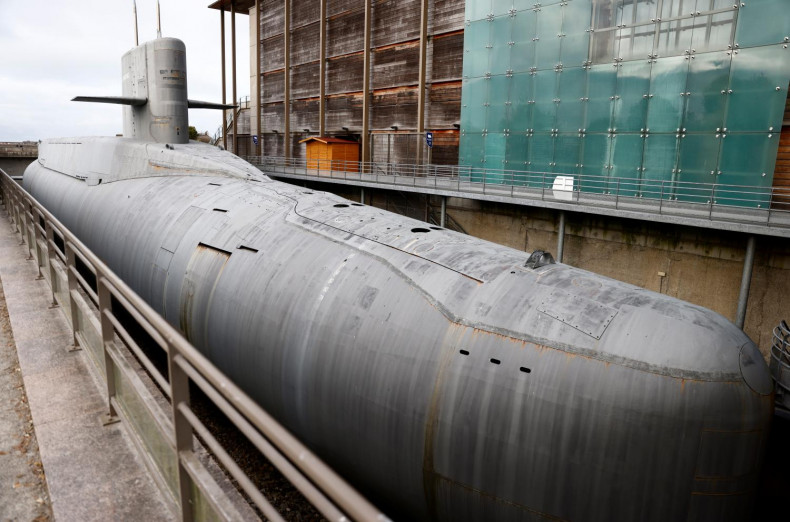
» In less than a month, the trilateral security partnership among Australia, the United States and the United Kingdom (Aukus) has stolen the thunder from other geostrategic schemes that have been around for over a decade.