



Showing 1 - 10 of 14
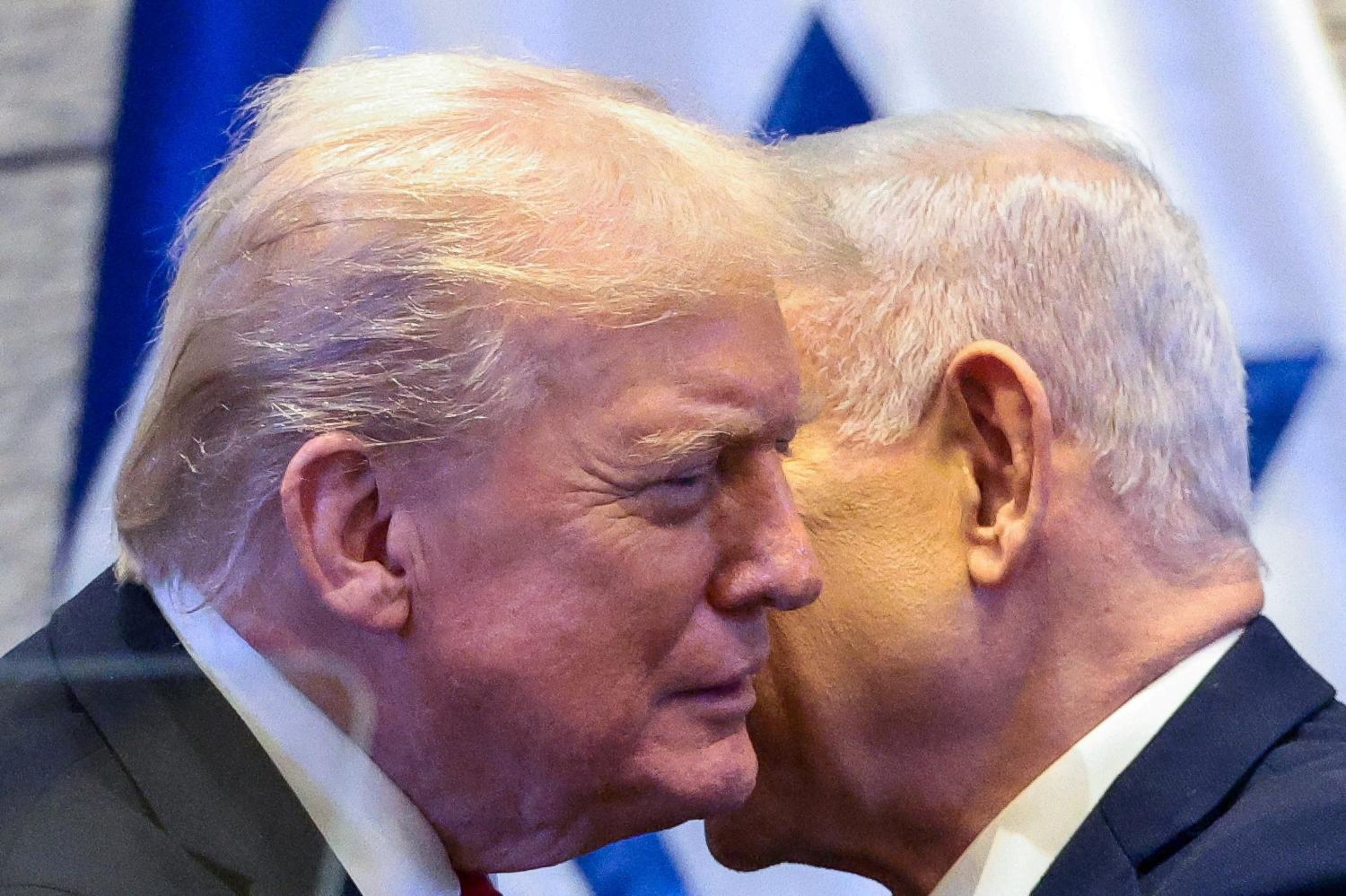
Trump goes off-script, US gone rogue
Oped, Thitinan Pongsudhirak, Published on 27/03/2026
» It was not supposed to work like this. "America First" and "Make America Great Again" (MAGA) were supposed to be about an inward turn to repair, replenish and rebuild an externally overstretched and internally weakened country, weighed down by unnecessary global entanglements, unsustainable national debt, and unimpeded mass migration. It seemed for a time that the MAGA movement to prioritise America above and beyond the international system and its constituent parts had found its final prophet in President Donald J Trump. But now, somehow, President Trump has betrayed the movement that has carried him to office by waging a disastrous war on Iran in cooperation with Israel.
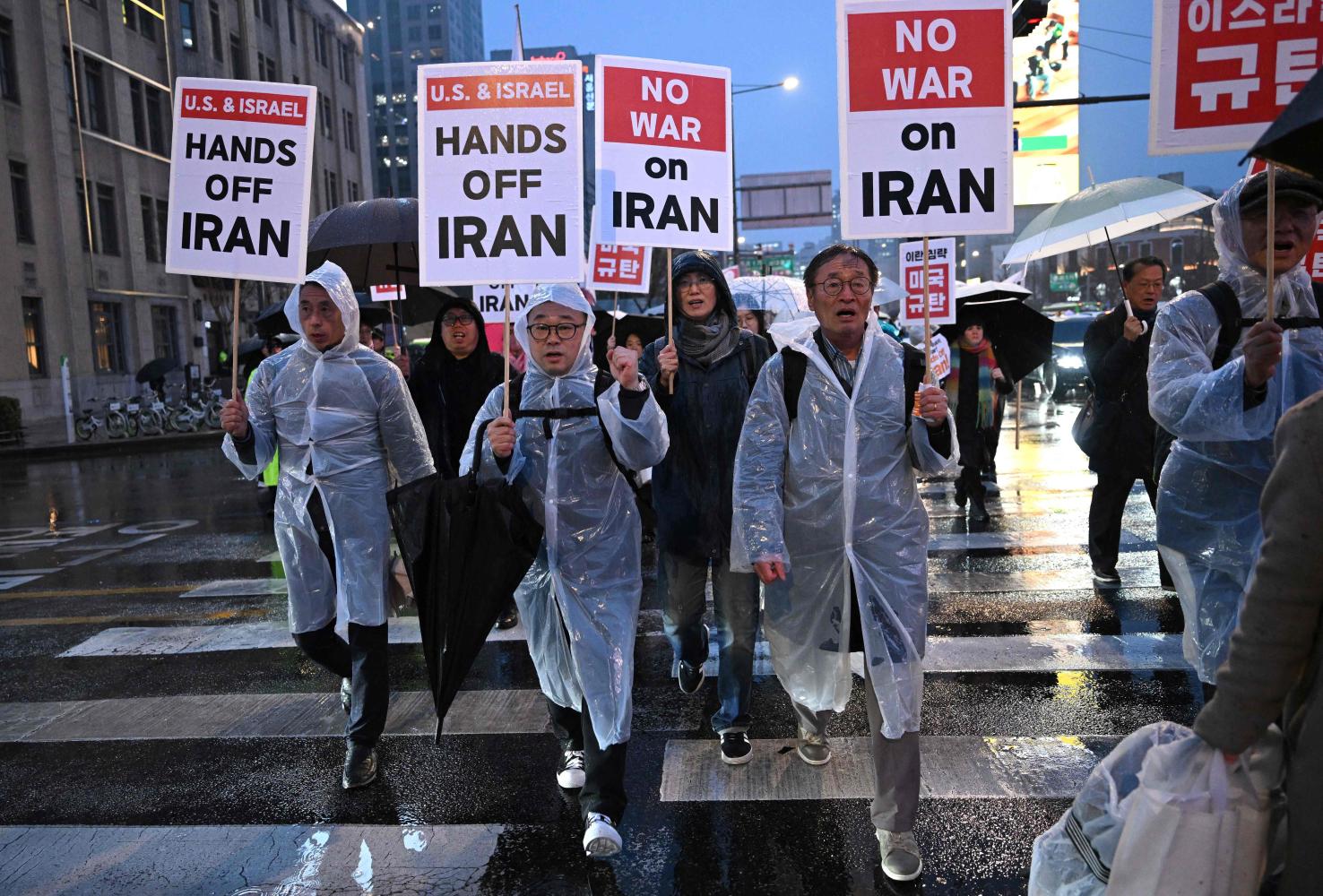
America risks grand folly in Iran war
Oped, Thitinan Pongsudhirak, Published on 06/03/2026
» It is just the first week of the joint attack between the United States and Israel on the Islamic Republic of Iran, but the repercussions from the Middle East for the Indo-Pacific are already discernible.
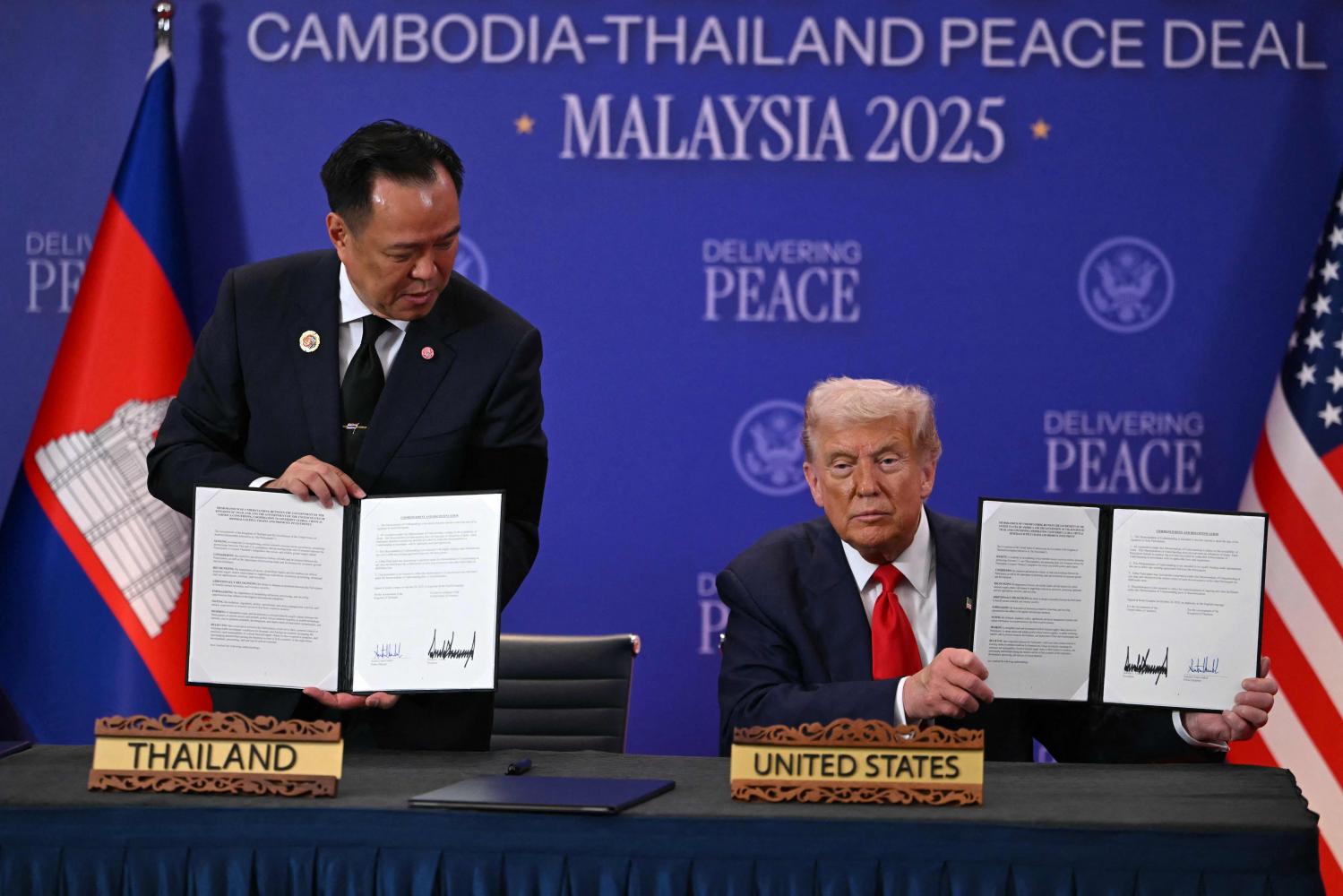
Digesting Trump's trip through Asia
Oped, Thitinan Pongsudhirak, Published on 07/11/2025
» Storming through Asia last week, US President Donald Trump's first stop in Kuala Lumpur on Oct 26, before moving on to Japan and South Korea over the next four days, capped by his meeting with Chinese President Xi Jinping before returning to Washington, was the most consequential for Southeast Asian economies.

Where have the media reformers gone?
Oped, Thitinan Pongsudhirak, Published on 18/02/2022
» After two decades marked by two military coups in 2006 and 2014, Thailand is supposed to be a "reformed" country by now. While all kinds of reforms were promised with each military takeover -- from political parties, parliament and constitution to the bureaucracy, military and police -- none has taken place. In fact, pledged reforms have gone in the opposite direction in the past. Nowhere is this reaction and restoration of old power and interests more evident than in Thailand's media industry.

Aukus poses challenges to other powers
Oped, Thitinan Pongsudhirak, Published on 15/10/2021
» The Australia-United Kingdom-United States (Aukus) security pact has caused ripple effects across oceans and continents. Not only will the trilateral security partnership provoke China, but it will likely further divide Southeast Asia and overshadow Asean-centred cooperative vehicles, such as the East Asia Summit. Beyond these concerns, the Aukus deal to share Anglo-American nuclear technology to enable Australia's acquisition of eight nuclear-powered submarines over two decades poses challenges to other major powers, particularly the European Union and its key members as well as Japan.

Govt must take vaccine responsibility
Oped, Thitinan Pongsudhirak, Published on 23/07/2021
» After more than six months of virus policy bungles, vaccine shortages and repeated denials, senior public health officials at last have admitted their mistakes and apologised to the public. But these apologies came with attachments and excuses that fall short of owning up squarely to the pandemic calamity that is besetting Thailand. Worse, the ultimate decision-makers in charge, from Health Minister Anutin Charnvirakul to Prime Minister Prayut Chan-o-cha, have been nowhere to be seen. The Prayut government has yet to take full responsibility for Thailand’s pandemic mismanagement that is claiming hundreds of lives with many thousands more infected and untold hardship across the country.

Domestic drivers of superpower rivalry
Oped, Thitinan Pongsudhirak, Published on 10/07/2020
» The coronavirus pandemic is fundamentally global but its impact is mainly local because of the international system of state sovereignty, borders and divergent national interests. What is needed to cope with, contain and overcome the pandemic is more international cooperation and coordination. But we are seeing less international efforts to fight the virus together and more self-help where every nation fends for itself. The upshot from this fractured and fragmented international system during Covid-19 is the primacy of domestic determinants of international outcomes. Nowhere is this reality clearer than the competition and confrontation between the United States and China.

Geoeconomic implications of Covid-19
Oped, Thitinan Pongsudhirak, Published on 26/06/2020
» The longer the coronavirus pandemic wends its way around the world, the more it takes on permanent features. As case infections still persist virulently, especially in the US, Brazil, Russia and India, states, societies and individuals are being forced to make adjustments. There will be winners and losers in the geoeconomic competition for market shares and supply chains. Those with more effective public health systems will stand in good stead with opportunities to re-emerge less scathed and better positioned to carry on, whereas others with less adequate health infrastructure will face more risks and disadvantages. For the first time in generations, health security has become the main determinant in the fate of nations and peoples.
Thailand's prospects and risks in 2020s
News, Thitinan Pongsudhirak, Published on 31/01/2020
» Notwithstanding recent worldwide celebrations to mark the arrival of 2020, Thailand should be seen as having entered not just a new year but a new decade. Since World War II, Thailand's journey over the ensuing decades meandered through ebbs and flows, overcoming critical bumps and barriers along the way. When 2030 arrives, this country of 70 million predominantly happy-go-lucky people will have faced a prolonged reckoning. While its near-term prospects are likely to worsen, Thailand's long-term future will be either better compared to the past two decades or bad for the long term.

RCEP without India poses new hurdles
News, Thitinan Pongsudhirak, Published on 08/11/2019
» On the face of it, the Regional Comprehensive Economic Partnership is an Indo-Pacific trade pact that would shore up the stalled world trade liberalisation and stem the rising tide of protectionism in the global economy. India's withdrawal from the RCEP -- whose other 15 members comprise the 10 Asean economies along with China, Japan, South Korea, Australia and New Zealand -- is a major setback, posing new challenges for the Asean-centred trade bloc. Asean should persuade India to return to the RCEP fold, while preparing for a much less promising RCEP15 as second-best outcome.