



Showing 1 - 10 of 13
Implications of conservative triumph
Oped, Thitinan Pongsudhirak, Published on 13/02/2026
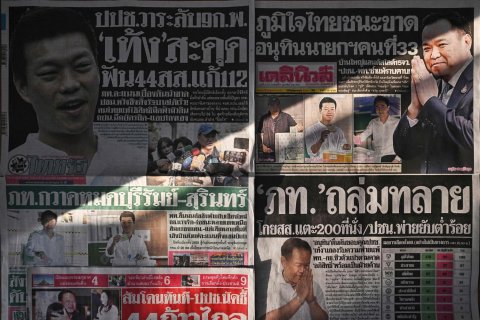
» The incumbent and conservative Bhumjaithai (BJT) Party has surprisingly swept Thailand's Feb 8 election with a commanding win. With the previously poll-leading and progressive People's Party (PP) coming in a distant second, Thailand appears headed for a conservative coalition government revolving around BJT and like-minded junior partners. Known for its conservative stance and being pro-status quo, it would not be surprising if the BJT-led coalition government, led by Prime Minister-elect Anutin Charnvirakul, were not challenged by the Constitutional Court, the Election Commission, and other supervisory agencies, which have derailed and dissolved reform-minded winning parties in the past.
Will poll be breakout or more of same?
Oped, Thitinan Pongsudhirak, Published on 06/02/2026
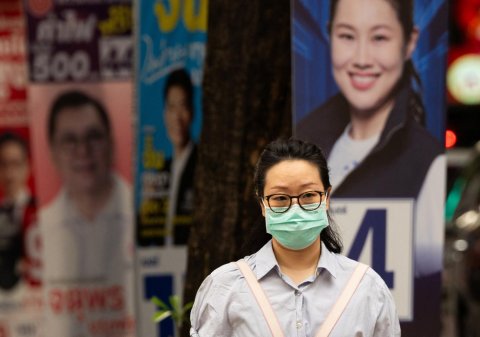
» As Thais go to the polls this Sunday, the most consequential question is whether Thailand will finally break out of its debilitating cycle of political instability and economic underperformance that has marked the past two decades. The signs and signals suggest otherwise -- at least not yet.
Digesting Trump's trip through Asia
Oped, Thitinan Pongsudhirak, Published on 07/11/2025
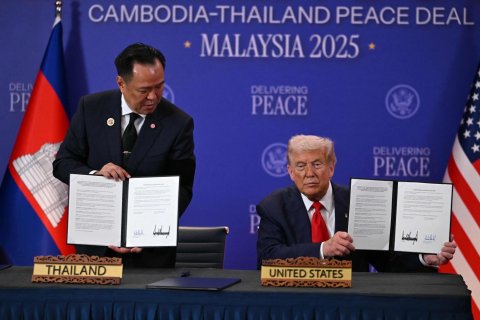
» Storming through Asia last week, US President Donald Trump's first stop in Kuala Lumpur on Oct 26, before moving on to Japan and South Korea over the next four days, capped by his meeting with Chinese President Xi Jinping before returning to Washington, was the most consequential for Southeast Asian economies.

Srettha Thavisin fell to hidden forces
News, Thitinan Pongsudhirak, Published on 30/08/2024
» Hindsight is likely to place Srettha Thavisin in Thai political annals as a prime minister who tried his best but ultimately succumbed to forces way beyond his control. While his nearly 12-month tenure in office came up short on policy deliverables, it nevertheless reset Thailand's foreign policy projection on Myanmar amid more omnidirectional relations with the major powers.

Thailand's spreading rot of irregularity
Oped, Thitinan Pongsudhirak, Published on 19/07/2024
» The rot in Thailand's institutional makeup has become so deep, dense and widespread that it can be found nearly everywhere there is controversy. Newly elected Senator Keskamol Pleansamai is the latest case in point. Just about everything that comes with her meteoric rise to the Senate spurs accusations of irregularity and impropriety.
What happens if Asean shrinks to 9?
Oped, Thitinan Pongsudhirak, Published on 29/10/2021
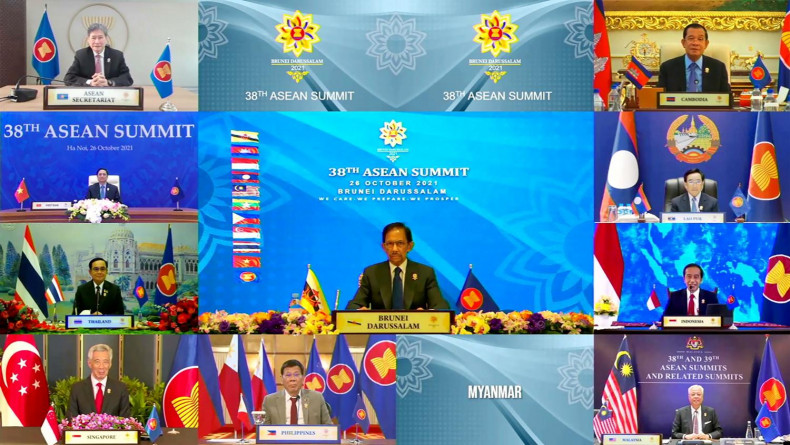
» It all came down to a choice between marginalisation and irrelevance on the one hand and pragmatism and resilience on the other. At its 38th and 39th leaders' meetings and related summits with dialogue partners, Asean chose to remain relevant. In an unprecedented move with far-reaching ramifications, Asean reduced itself to nine participating members from the normal 10, excluding Myanmar. While this bold manoeuvre derived from necessity rather than initiative, it provides Southeast Asia's bloc of smaller states a small window of opportunity to regain its footing and revitalise its central role in promoting regional peace and stability in Asia.
Give Asean seat to Myanmar opposition
Oped, Thitinan Pongsudhirak, Published on 22/10/2021
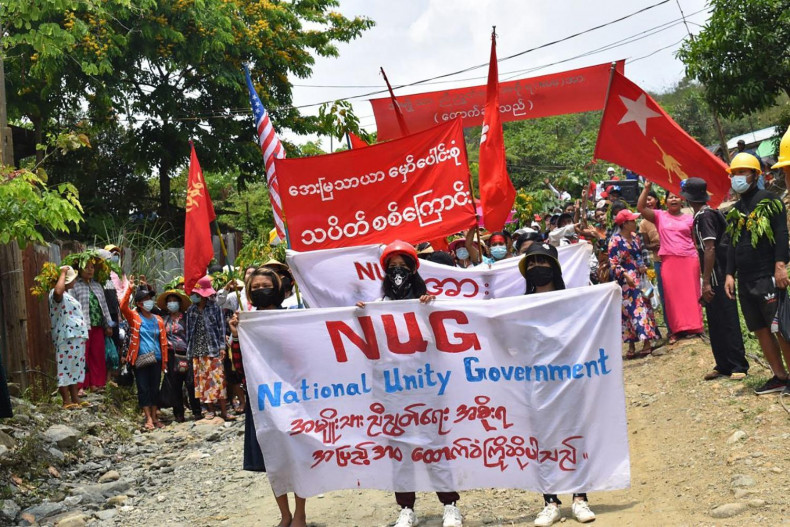
» Nearly nine months after its forceful takeover of the country from a legitimately elected civilian government, Myanmar's military has shown that it is one thing to seize power but an entirely different reality to consolidate and impose control.
Myanmar coup: Asean's new fault line
Oped, Thitinan Pongsudhirak, Published on 26/02/2021
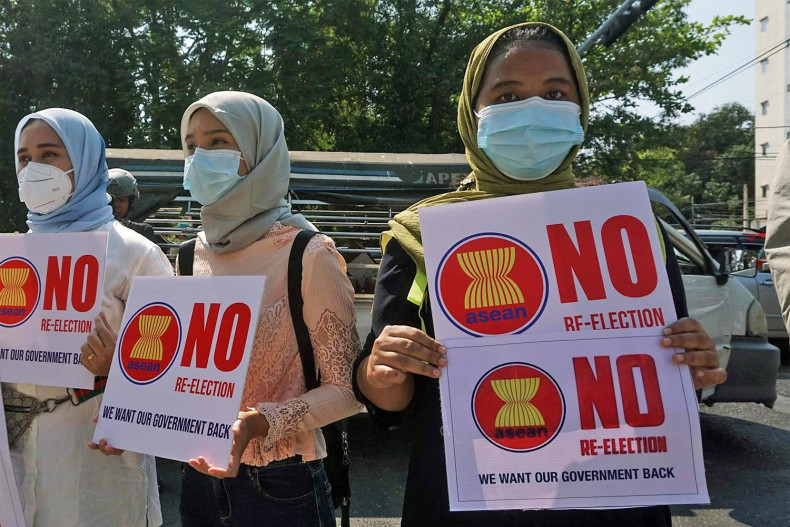
» Already geopolitically divided by China's regional assertiveness, Asean is now facing a new fault line from Myanmar's recent military coup. Just like its divergent views toward China, Asean's mixed preferences toward the Myanmar armed forces' abrupt seizure of power on Feb 1 threaten to further weaken Southeast Asia's 10-member grouping and marginalise its role as the central organising vehicle for regional peace and stability.
Values agenda back in US foreign policy
Oped, Thitinan Pongsudhirak, Published on 29/01/2021
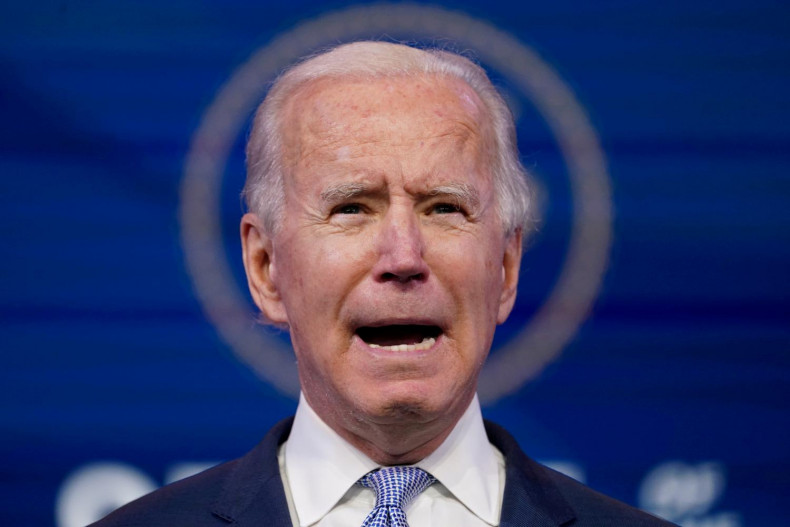
» No presidential transition in the United States is likely to prove more abrupt and dramatic as between former President Donald Trump and newly elected President Joe Biden. Within minutes of formally taking office, Mr Biden signed a slew of executive orders, formalised a policymaking team, and reset the course of domestic and foreign policies. In reversing Mr Trump's nationalist, unilateralist posture and relaunching internationalism and multilateralism, Mr Biden is rebalancing US interests and values. His arrival at the White House is not as much about "America is back" on the global stage but more about "values are back in American foreign policy".
RCEP without India poses new hurdles
News, Thitinan Pongsudhirak, Published on 08/11/2019
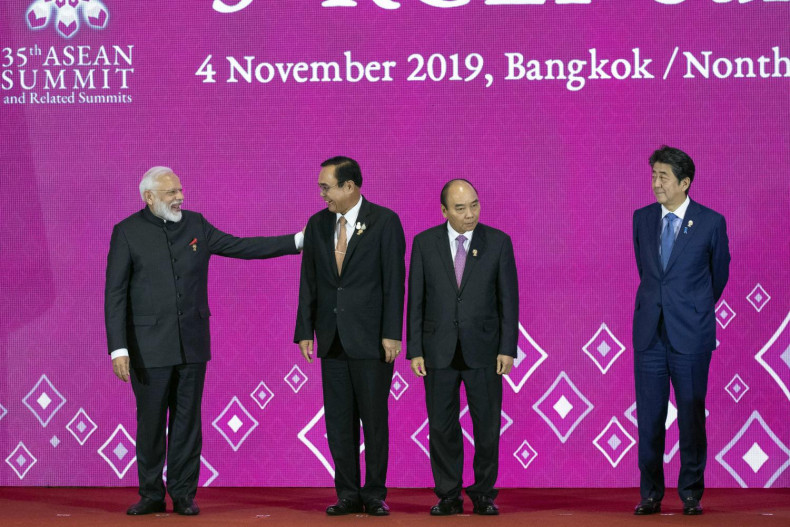
» On the face of it, the Regional Comprehensive Economic Partnership is an Indo-Pacific trade pact that would shore up the stalled world trade liberalisation and stem the rising tide of protectionism in the global economy. India's withdrawal from the RCEP -- whose other 15 members comprise the 10 Asean economies along with China, Japan, South Korea, Australia and New Zealand -- is a major setback, posing new challenges for the Asean-centred trade bloc. Asean should persuade India to return to the RCEP fold, while preparing for a much less promising RCEP15 as second-best outcome.