



Showing 1 - 7 of 7

Domestic drivers of bilateral conflict
News, Thitinan Pongsudhirak, Published on 19/12/2025
» The latest flare-up and intensification of the armed conflict between Thailand and Cambodia should be understood less as a new crisis and more as a resumption of a bilateral clash that erupted in late July.

Thailand's era of economic stagnation
Oped, Thitinan Pongsudhirak, Published on 05/07/2024
» After two decades of political instability and turmoil, it was a matter of time before the Thai economy would exhibit signs of distress and desperation. For decades, the Thai economy has proved resilient with an uncanny knack for bouncing back. But Teflon Thailand may have become a thing of the past. Headlines on the Thai economy have been heading south precipitously. Unless fundamental political reforms take place, Thailand will likely enter a period of low and plateaued growth with risks of grinding stagnation.

Apec's geopolitics and geoeconomics
Oped, Thitinan Pongsudhirak, Published on 11/11/2022
» The upcoming leaders' meeting in Bangkok among the 21 member economies of the Asia-Pacific Economic Cooperation (Apec) should be seen in conjunction with its preceding Asean-related summits in the Cambodian capital of Phnom Penh and the G20 summit in Bali, the Indonesian island resort. This one-two-three combination in three Southeast Asian countries over a ten-day period is supposed to showcase Asean's central role in the promotion of peace, security and prosperity in the region and the wider world. But as Asean's summit season gets underway in Cambodia, excitement and promise have given way to anxieties and apprehensions. While these summit talks are an extraordinary opportunity to tone down geopolitical temperatures and geoeconomic competition, they are likely to yield mixed results.

The local politics of Thai soft power
Oped, Thitinan Pongsudhirak, Published on 29/04/2022
» It was yet another passing storm in Thailand's overflowing teacup. The overnight sensation of 19-year-old rapper Danupha "Milli" Khanatheerakul at the recent Coachella Music Festival in the United States has shaken Thailand to its core foundations and revealed much that is still right and all that is wrong with this country. At issue are the ramifications from her global showcase of Thailand's sticky rice and ripe mango on the Coachella stage in view of her talent and political standing against the local conservative establishment.

What the 'Pimrypie' sensation foretells
Oped, Thitinan Pongsudhirak, Published on 22/01/2021
» While it became a storm in a teacup, the recent phenomenon involving YouTuber and online retailer Pimradaporn "Pimrypie" Benjawattanapat yields longer-term implications and meanings. Pimrypie's charity drive for Children's Day that provided solar panels and electricity to underprivileged kids in a far-flung village of Omkoi district 300 kilometres from Chiang Mai spoke volumes about the structure and shortcomings of Thailand's paternalist state and what needs to be done to tackle it.
Thailand's inevitable political endgame
News, Thitinan Pongsudhirak, Published on 22/11/2019
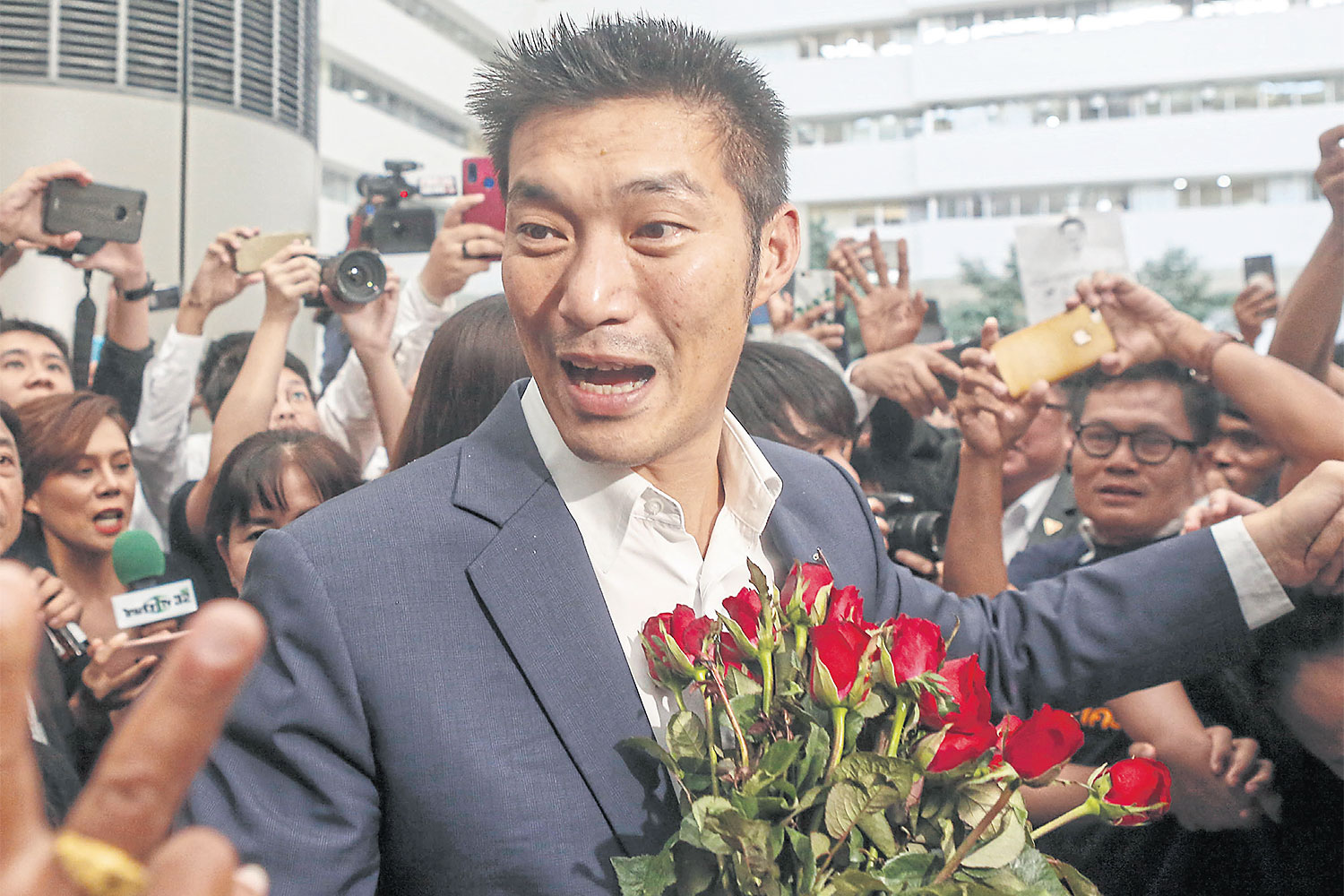
» While the conviction this week of Future Forward Party (FFP) leader Thanathorn Juangroongruangkit seemed to be in the making ever since the Election Commission took up the charge last May, it was still astonishing when it transpired. In an all too familiar scene, the Constitutional Court ruled that a leader of yet another leading political party which has stood against military coups and the generals' role in politics is guilty of violating an election-related law, this one banning MP candidates from owning shares in a media company. As the verdict strips Mr Thanathorn of his MP status, several implications seem clear.
Central bank autonomy must be upheld
News, Thitinan Pongsudhirak, Published on 16/08/2019
» When elected governments make noises about economic growth in countries where macroeconomic management is sound and prudent, central bankers tend to quietly bristle and brush off such interference and infringement of monetary space at their own risk. In so doing, central bankers tend to enjoy the support of domestic and international market participants who value central bank independence more than politicians' vested interests, even if it sometimes undercuts their bottom lines. Accordingly, when central bankers go along with the preferences of elected politicians, the conduct of monetary policy comes into question.