



Showing 1 - 5 of 5
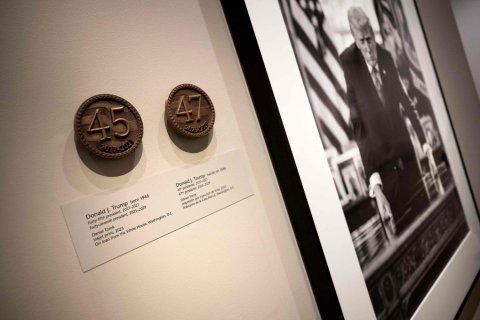
Trump's 'America First' in overdrive
News, Thitinan Pongsudhirak, Published on 23/01/2026
» President Donald Trump's extraterritorial capture of Venezuelan President Nicolas Maduro and his wife on cocaine-trafficking and terrorism-related charges earlier this month and repeated demand to take over Greenland at the World Economic Forum this week are part and parcel of a belligerent and transformative "America First" paradigm that dates back at least four decades.
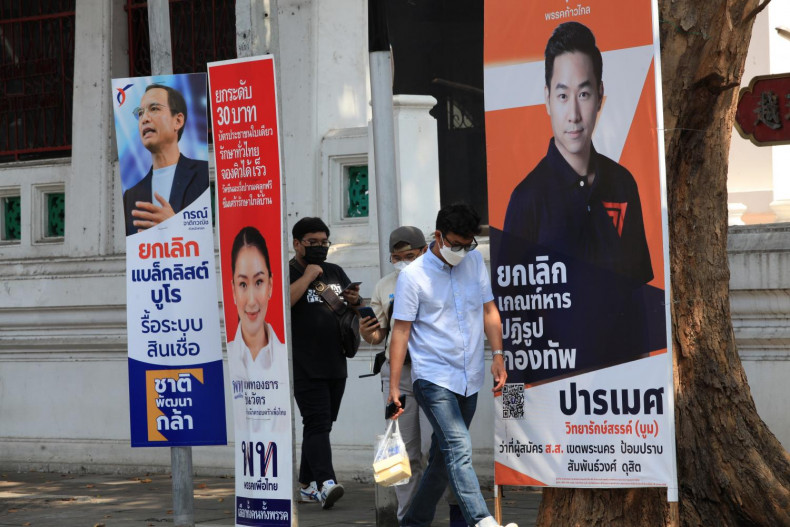
Populism triumphs as election looms
Oped, Thitinan Pongsudhirak, Published on 24/03/2023
» Although the campaign season for Thailand's much-anticipated election has only just begun, populism has already become the runaway winner. All of the contesting parties have come up with a plethora of populist pledges to woo voters. That populism has triumphed in Thai politics bears multiple longer-term implications.

Geopolitical takeaways from SEA meets
Oped, Thitinan Pongsudhirak, Published on 25/11/2022
» Southeast Asia's summit season has come and gone with takeaways that concurrently eased geopolitical tensions and underlined risks that could lead to future global conflict. The three major summits -- the East Asia Summit (EAS) in Phnom Penh, the G20 in Bali, and the Asia-Pacific Economic Cooperation (Apec) in Bangkok -- also demonstrated that the Covid-19 pandemic over 2020-21 has been practically overcome as in-person meetings are back in full force. Overall, the three hosts came away with mixed highlights.
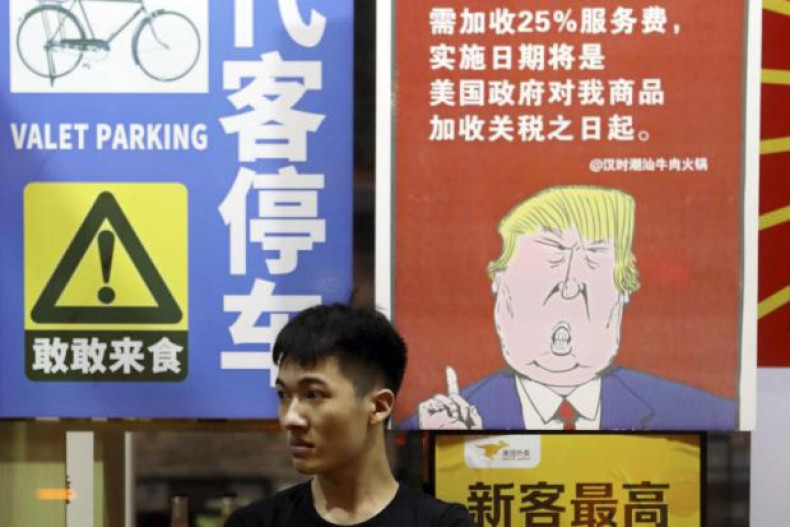
A trade war that is about more than trade
News, Thitinan Pongsudhirak, Published on 24/08/2018
» The most dangerous risk from the ongoing "trade war" between the United States and China is that it is not fundamentally about trade. With each tit-for-tat escalation and retaliation from both sides, what the world is witnessing is a larger struggle between two grand competitors of the 21st century, underpinned by opposing systems of socioeconomic organisation, values and ideas about global order.
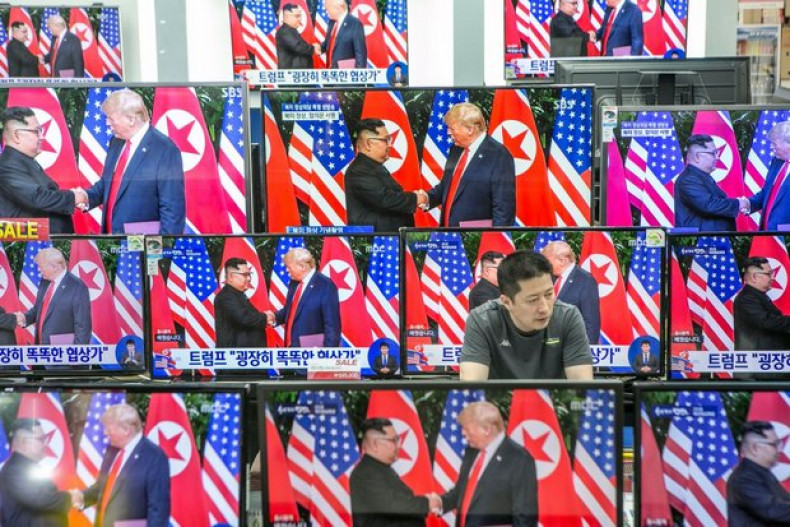
The Trump-Kim summit and its aftermath
News, Thitinan Pongsudhirak, Published on 15/06/2018
» The unprecedented and dramatic summit meeting between President Donald Trump and Chairman Kim Jong-un, the current leaders of the United States and the Democratic People's Republic of Korea (otherwise known as North Korea), will go down in history as another case of "better the devil you know than the devil you don't". Since the Korean War stopped without a permanent truce in 1953, the world has become accustomed to the North Korean regime as a menace to regional peace and stability with ominous global ramifications because of its nuclear weapons.