



Showing 1 - 10 of 52
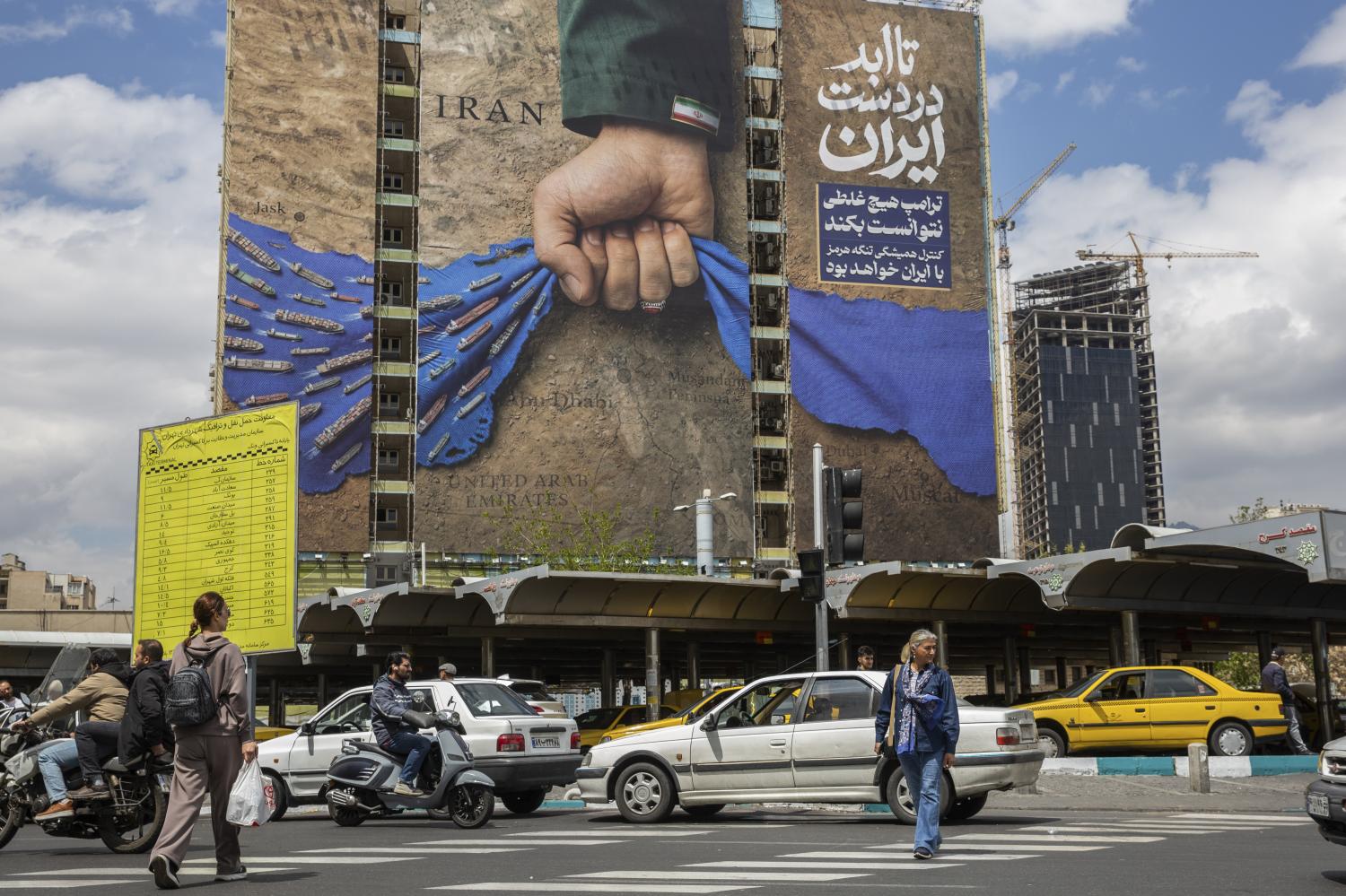
The war and its likely consequences
Oped, Thitinan Pongsudhirak, Published on 17/04/2026
» As the joint attack between the United States and Israel against Iran that resulted in a wider regional conflict in the Middle East approaches its two-month mark, the directions of the war remain precarious while some of the longer-lasting consequences appear evident. Unsurprisingly, the war has been detrimental and damaging for all states and societies concerned, not just within the affected region but the wider world. Already we can start counting some of the long-term costs.
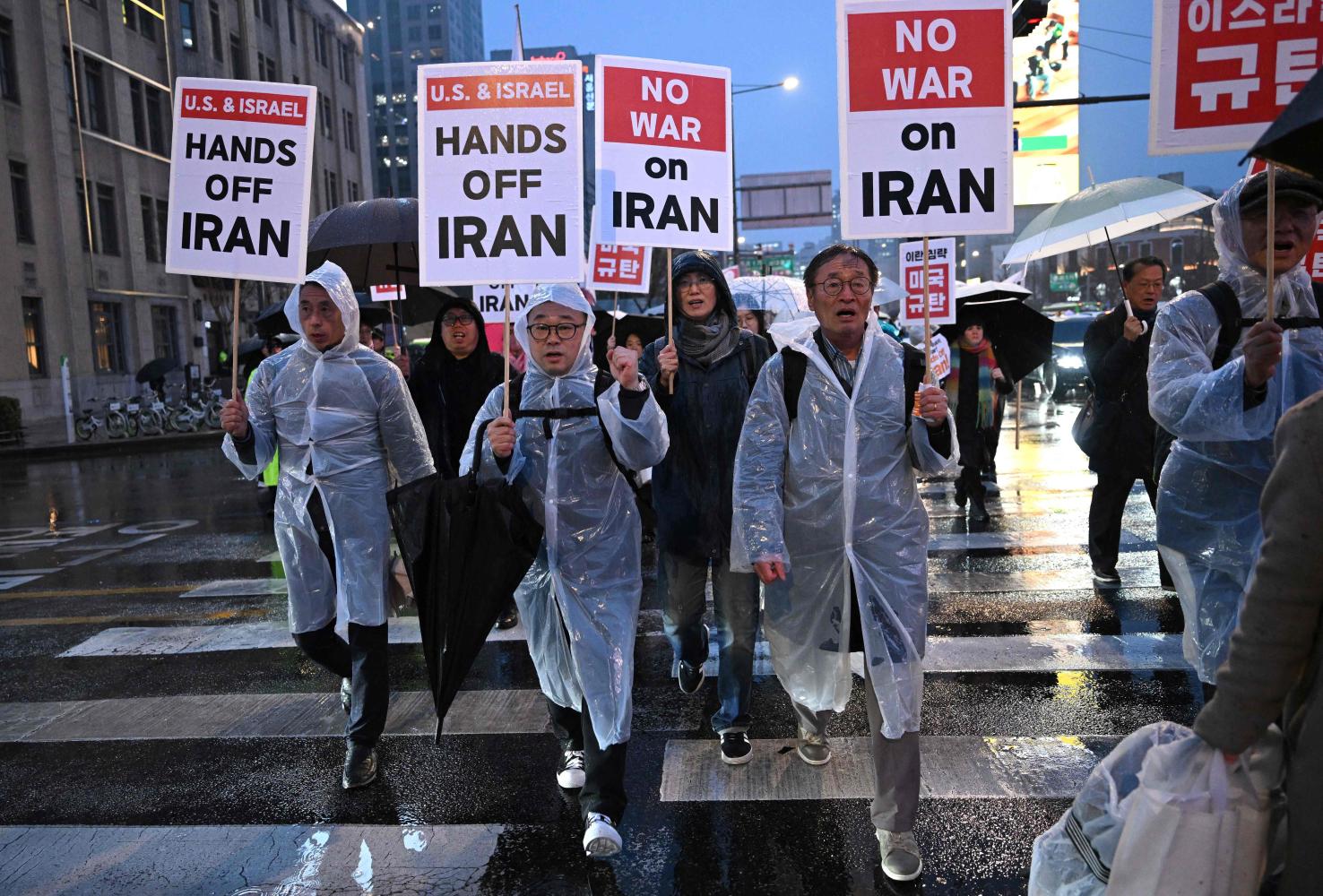
America risks grand folly in Iran war
Oped, Thitinan Pongsudhirak, Published on 06/03/2026
» It is just the first week of the joint attack between the United States and Israel on the Islamic Republic of Iran, but the repercussions from the Middle East for the Indo-Pacific are already discernible.
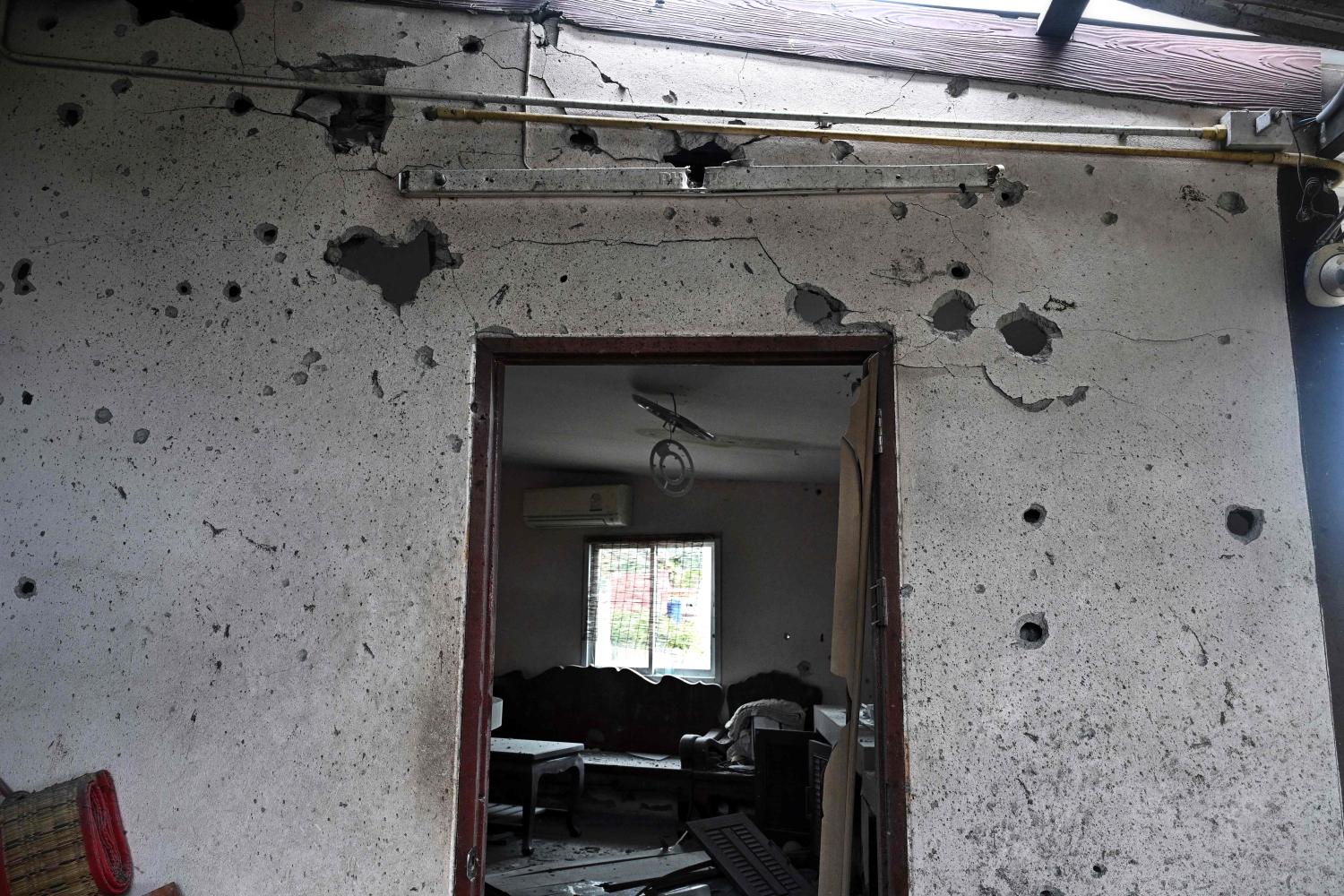
Domestic drivers of bilateral conflict
News, Thitinan Pongsudhirak, Published on 19/12/2025
» The latest flare-up and intensification of the armed conflict between Thailand and Cambodia should be understood less as a new crisis and more as a resumption of a bilateral clash that erupted in late July.
Flawed Asean needs to regain footing
Oped, Thitinan Pongsudhirak, Published on 10/10/2025
» Nearly six decades after its founding, the Association of Southeast Asian Nations (Asean) finds itself back where it began -- divided, uncertain, and vulnerable to the influence of major powers. Once hailed as a model for regional cooperation in the developing world, Asean now faces a crisis of purpose. Unless it can rediscover the unity and collective way forward that defined its early decades, Southeast Asia's flagship institution risks slipping into irrelevance.
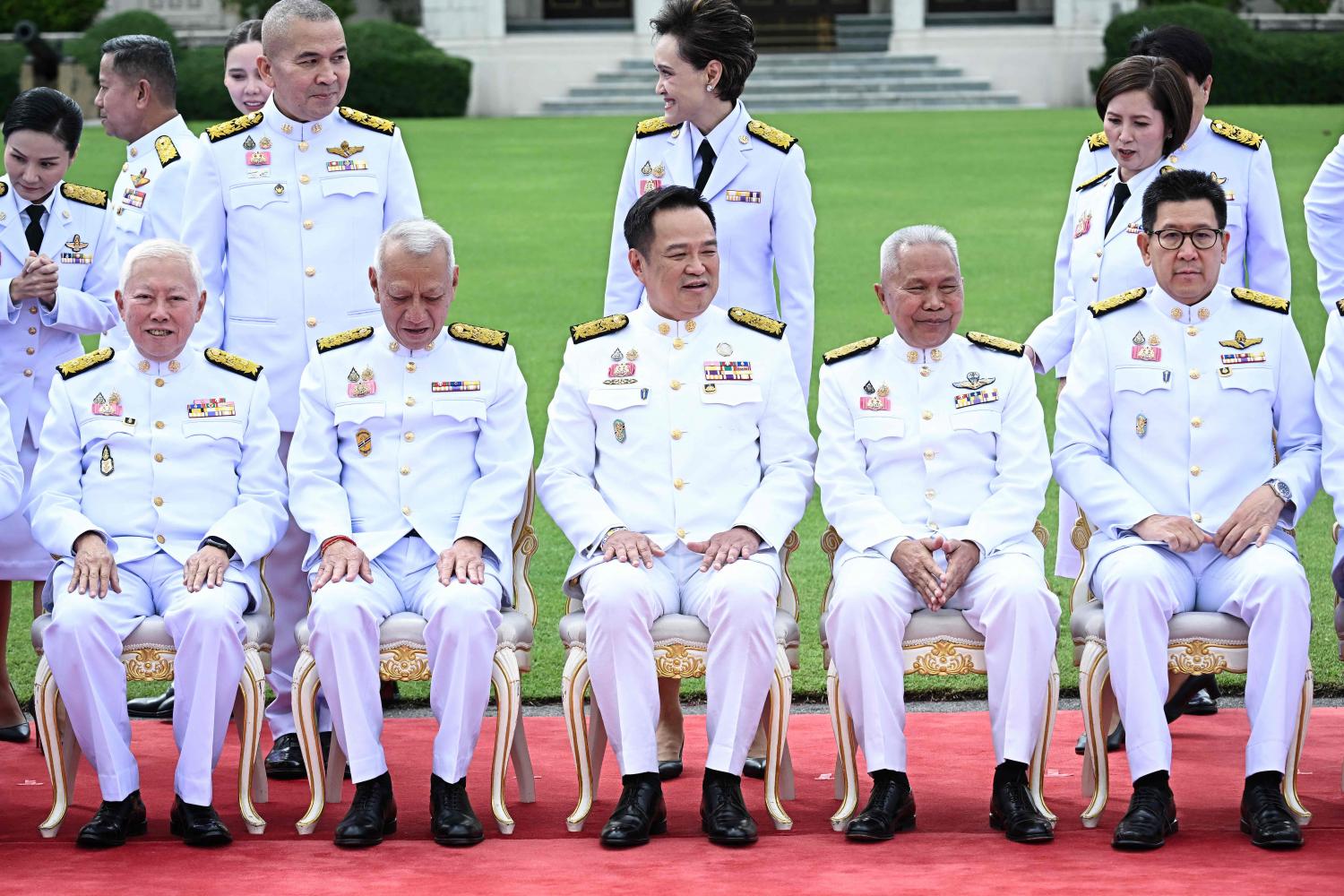
Anutin's new cabinet is a mixed bag
Oped, Thitinan Pongsudhirak, Published on 26/09/2025
» The composition and size of Prime Minister Anutin Charnvirakul's 36-member cabinet suggest that he intends to stay in office for as long as possible, clinging to the terms of the government-enabling Memorandum of Agreement (MOA) and calling an early election only if circumstances make it unavoidable.
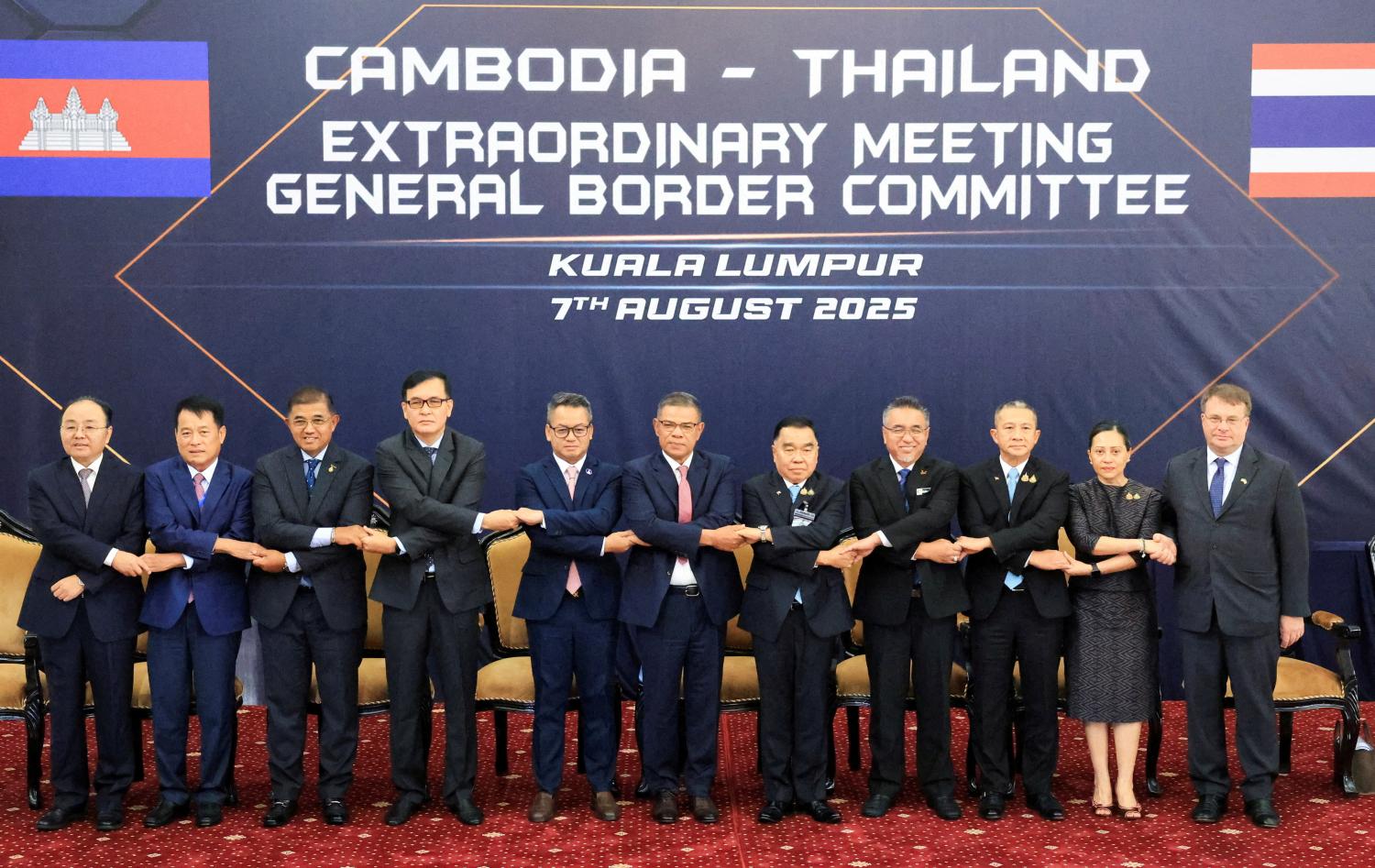
Thai-Cambodian feud is Asean's worst
Oped, Thitinan Pongsudhirak, Published on 15/08/2025
» The border dispute and consequent military conflict between Cambodia and Thailand in recent weeks have become Asean's worst crisis in its 58 years of existence. Ironically, it was an intra-regional war between Indonesia and Malaysia that gave rise to Asean in 1967, but now an intra-Asean military clash is undermining the Southeast Asian organisation's core reason for being and its main claim to credibility and prominence. Unless Asean, under Malaysia as its rotational chair this year, moves fast to contain the bilateral dispute and reinforce a delicate ceasefire agreement, Southeast Asia will be looked upon increasingly as a region and less as an organisation of member states.

Singapore turns 60 with much to show
Oped, Thitinan Pongsudhirak, Published on 08/08/2025
» No country turns 60 like Singapore. In a neighbourhood of political dynasties and varying shades of autocracies and flawed democracies, the little island state of six million got lucky with its strongman rule. When he died in 2015, Singapore's patriarchal founder Lee Kuan Yew left a great country behind. This weekend, Singaporeans can take stock of what's gone by and rightly celebrate its milestone with much to show for.

Thai political crisis from border dispute
News, Thitinan Pongsudhirak, Published on 20/06/2025
» The Thai-Cambodian border dispute has turned into a full-blown political crisis in Thailand. Cambodia's former prime minister and Senate President Hun Sen dropped a bombshell in Thai politics by revealing a taped private conversation that is irrevocably compromising to Thai Prime Minister Paetongtarn Shinawatra and her Pheu Thai party-led coalition government and deeply damaging to Thailand's national interest.

Defusing Thai-Cambodian border row
Oped, Thitinan Pongsudhirak, Published on 13/06/2025
» At issue in the ongoing border standoff between the Thai and Cambodian armed forces is timing and circumstance. In less than two weeks, a seemingly minor border skirmish intensified into a full-scale military confrontation. What is being overlooked in the thick of mutual antagonism and ultranationalism on both sides is when and how the current round of confrontation transpired. Getting its origins right is crucial to finding ways and means for conflict resolution.

Myanmar's civil war after four years
Oped, Thitinan Pongsudhirak, Published on 31/01/2025
» Four years after its military coup and consequent civil war, Myanmar's spotlight in global headlines continues to dim as geostrategic reorientations and realignments among the major powers take centre stage. Dramatic and drastic foreign policy changes are afoot in the United States under the second administration of President Donald J Trump, while the European Union faces an existential threat from Russia's aggression in Ukraine, and Japan is mired in political sclerosis at home. Myanmar's fate and future will thus likely be determined by the course and outcome of its civil war, China's expanding influence in the country and Asean member states' manoeuvres to a lesser extent.