



Showing 1 - 4 of 4
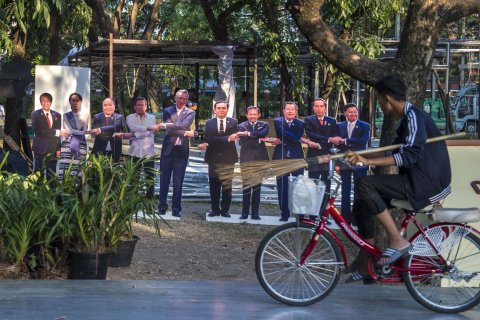
Asean's regroup requires deep reforms
Oped, Thitinan Pongsudhirak, Published on 17/10/2025
» If Asean's 58 years thus far have been about resilience and playing a central organising role in promoting regional security and stability, its next decade will determine whether the Southeast Asian bloc can adapt and remain relevant. After the crises in Myanmar and along the Thai-Cambodian border, Asean's credibility has never been more in doubt. To regain its effectiveness as Southeast Asia's one and only agency, Asean needs to move away from the ritualistic diplomacy of mundane meetings to far-reaching reforms that chart new ways of making things work.
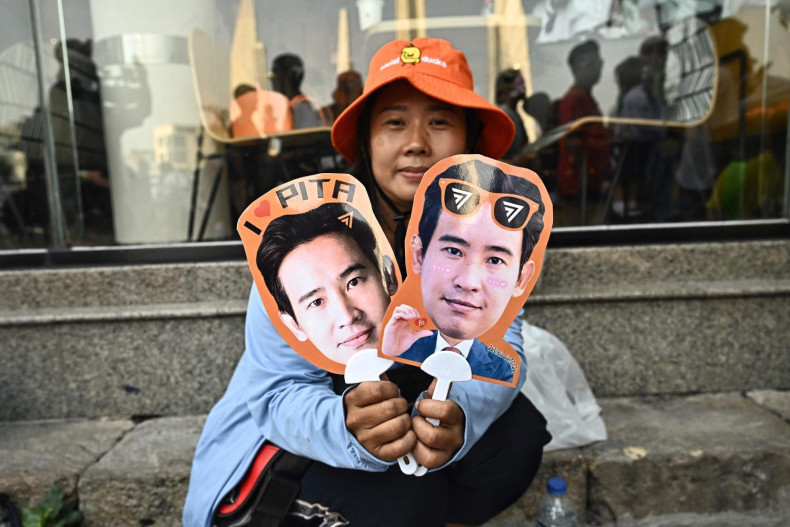
Charter a straitjacket on democracy
Oped, Thitinan Pongsudhirak, Published on 19/05/2023
» The military-appointed constitution drafting committee that was set up after the coup in 2014 surely knew what it was doing. It crafted a charter in 2017 that now acts as a straitjacket on Thailand's democratic outcome from the general election last Sunday.
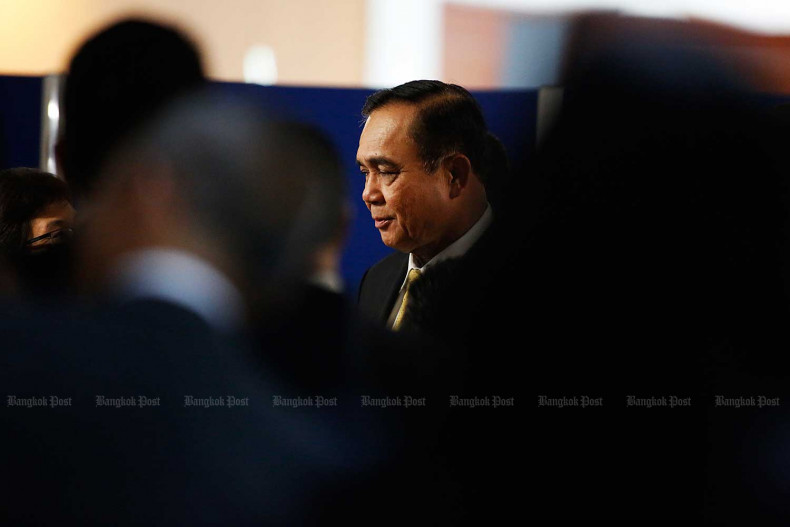
Prime Minister Prayut's huge little gaffe
News, Thitinan Pongsudhirak, Published on 09/08/2019
» While Thailand's flawed 2017 constitution was bound to run into a fundamental dispute at some point, the sudden and brewing charter crisis facing the government of Prime Minister Prayut Chan-o-cha stems from an unlikely source. During the oath-taking ceremony presided over by Their Majesties on July 16, the Gen Prayut-led cabinet somehow omitted one-third of a statement which was mandated to be read aloud before officially taking office. What should have been a routine constitutional ritual has become a procedural gaffe that has captured national attention, putting government stability at risk and the prime minister's political longevity in doubt.
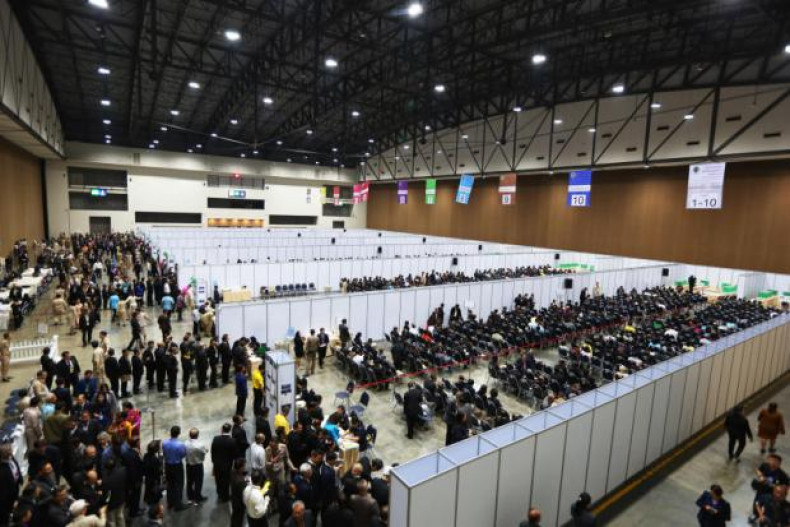
Woeful Senate will worsen political woes
News, Thitinan Pongsudhirak, Published on 10/05/2019
» Since it first took office in 1947, Thailand's Senate has mostly comprised appointees as mandated by more than a dozen constitutions over the past seven decades. Only in the 1997 and 2007 charters was the Senate elected and half elected, respectively. The 2017 constitution has reverted to a wholly appointed upper chamber but this time the 250-member Senate has been given wider authority, particularly the selection of the prime minister.