



Showing 1 - 8 of 8
'Scam-gate' deserves full accounting
Oped, Thitinan Pongsudhirak, Published on 24/10/2025
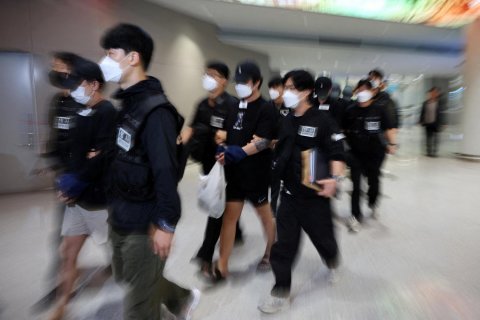
» The explosive revelations and allegations of regional cybercrimes and scam networks have hit Thailand head-on and placed the government of Prime Minister Anutin Charnvirakul in an awkward and defensive position. As more facts surrounding what looks like a labyrinthine cross-border multibillion-dollar transnational criminal ring come to light, more questions have surfaced with no clear answers. The Anutin government needs to come clean and avoid a "scam-gate" of cover-ups and lies at the expense of countless scammed victims across many countries.

Authentic intelligence rises with AI
Oped, Thitinan Pongsudhirak, Published on 16/05/2025
» As the cognitive power and proliferation of artificial intelligence take the world by storm, the case for authenticity and originality paradoxically becomes more compelling and carries higher premiums. It is now a widely accepted reality that AI is on its way to master human thought processes and proceed beyond them. This means that it will be more difficult for humans to differentiate between what comes from AI and what does not. As such, the time has come after nearly 40 years of being published -- including more than 25 of them with this newspaper -- that this column goes subjective.

Thai foreign policy needs new rudder
Oped, Thitinan Pongsudhirak, Published on 27/09/2024
» Thailand's foreign policy posture and projection under Foreign Minister Maris Sangiampongsa and the new government of Prime Minister Paetongtarn Shinawatra is off to a good start under severe structural constraints. Given the widespread consensus both at home and abroad that Thailand has fallen behind its peers over the past two decades, the imperative of regaining its international standing is undisputed. But doing so under what the foreign minister has outlined as a "neutral stance" under "non-alignment" among the great powers is moot and misguided. What Thai foreign policy needs is multi-alignments and omni-directionality under a new rudder.

Asian elections, democracy in 2024
Oped, Thitinan Pongsudhirak, Published on 29/12/2023
» Billed as the biggest election year ever as more than half of the global population goes to the polls, 2024 will be critical to the debate about democratisation and autocratisation. Asia will lead the way with elections in India, Bangladesh, Pakistan, and Indonesia, while the most recent polls in Myanmar and Thailand offer long-term lessons about democracy and dictatorship. The salient themes next year will be about the self-perpetuating tendencies of incumbent regimes and the resilience of democratic rule when authoritarianism seemed to have the upper hand.

Only the young can change Thailand
Oped, Thitinan Pongsudhirak, Published on 09/06/2023
» If the past two decades of Thai politics has been about populism and colour-coded conflicts between the yellow-shirted pro-establishment forces against the red shirts aligned with ousted former prime minister Thaksin Shinawatra, the foreseeable future will likely be about structural reforms and a generational clash between the age-old established centres of power against young Thais who are rising up to determine their country's future directions. It is unsurprising that only younger Thais can change Thailand because their old compatriots have too much at stake and too many vested interests in the entrenched and deeply embedded status quo.
The misguided US 'democracy summit'
Oped, Thitinan Pongsudhirak, Published on 10/12/2021
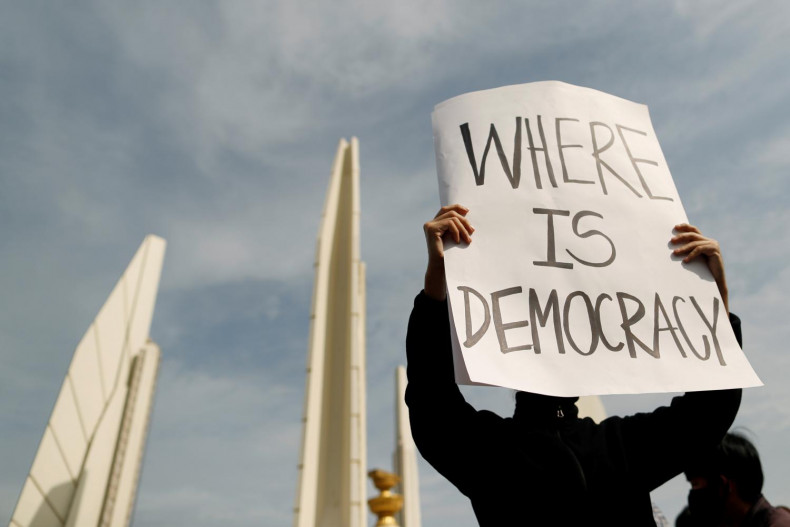
» The United States government under President Joe Biden is putting up the right fight in a counterproductive way in its online organisation of a "summit for democracy" this week. Much touted since he won the election in November last year, President Biden's summit of democracies has proved controversial, with both good intentions and unintended consequences. The real battleground, as clichés about the benefits and drawbacks of democracy go, is to make the case that popular rule where citizens should have rights and freedoms for their own collective self-determination is ultimately preferable and superior than all other forms of government.
Thailand's irresponsible runaway debt
Oped, Thitinan Pongsudhirak, Published on 11/06/2021
» A major lasting damage Prime Minister Prayut Chan-o-cha will eventually leave behind is his government's co-optation and capture of autonomous agencies that used to safeguard and uphold Thailand's macroeconomic well-being and political level-playing field.
Ruling adds to popular grievances
Oped, Thitinan Pongsudhirak, Published on 04/12/2020
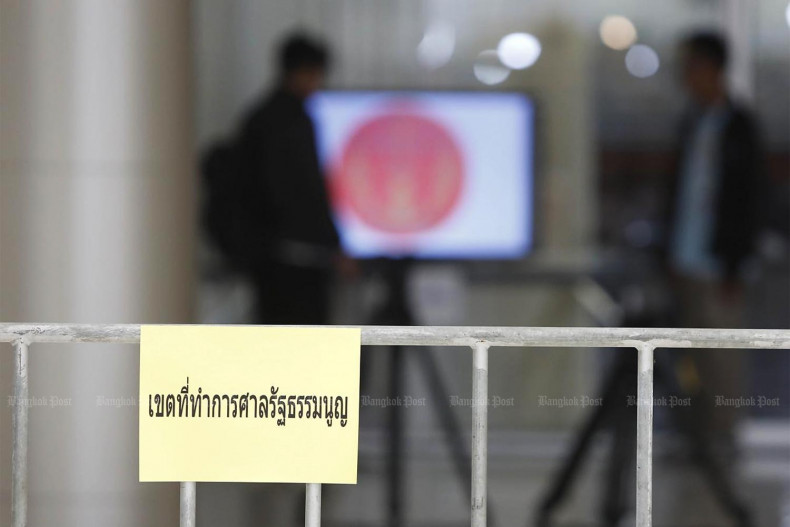
» Anyone who has wondered or insinuated that the student-led protest movement for Thailand's fundamental reforms must somehow be sponsored by some foreign government or politically motivated agents at home need look no further than the Constitutional Court's unanimous decision to clear Prime Minister Prayut Chan-o-cha of violating the 2017 charter by staying in army housing after retirement. In a 9-to-0 verdict, the nine-member bench sided with an army regulation over charter stipulations. The controversial verdict will exacerbate Thailand's political polarisation and add to popular grievances that are backing the student-led reform drive.