



Showing 1 - 10 of 17
Trump goes off-script, US gone rogue
Oped, Thitinan Pongsudhirak, Published on 27/03/2026
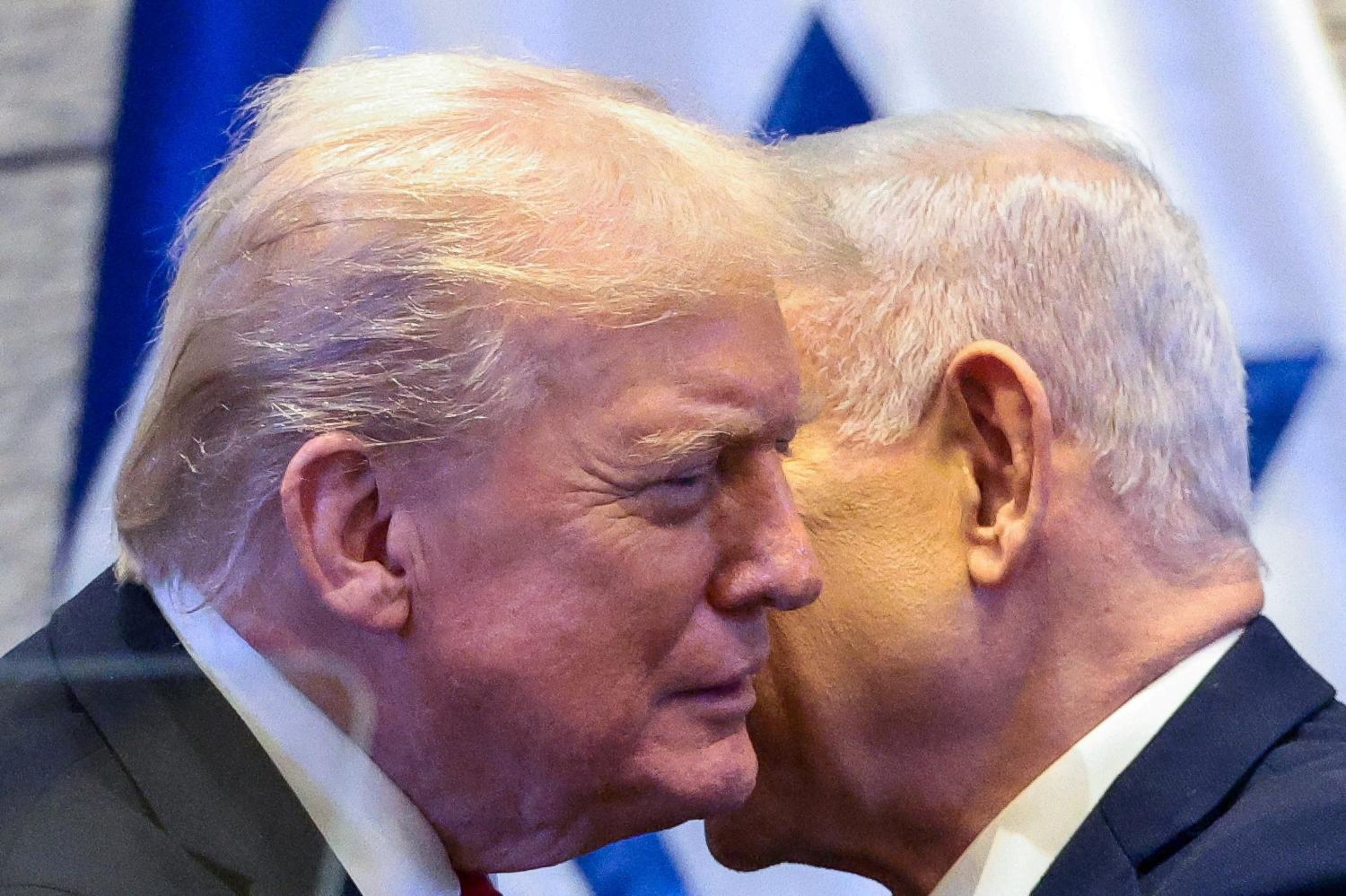
» It was not supposed to work like this. "America First" and "Make America Great Again" (MAGA) were supposed to be about an inward turn to repair, replenish and rebuild an externally overstretched and internally weakened country, weighed down by unnecessary global entanglements, unsustainable national debt, and unimpeded mass migration. It seemed for a time that the MAGA movement to prioritise America above and beyond the international system and its constituent parts had found its final prophet in President Donald J Trump. But now, somehow, President Trump has betrayed the movement that has carried him to office by waging a disastrous war on Iran in cooperation with Israel.

Indonesia leads Asean into Brics+
Oped, Thitinan Pongsudhirak, Published on 17/01/2025
» As the new year gets underway with the looming re-inauguration of United States President Donald J Trump, countries and entire regions are having to manoeuvre and realign in view of an accelerated breakdown of the post-Second World War rules-based liberal international order.

Trump's tariff blackmail boosts Brics
Oped, Thitinan Pongsudhirak, Published on 06/12/2024
» Even before officially taking office, United States President-elect Donald J Trump is shaking up the international system with drama and fanfare unlike any other major leader in recent memory. His most recent outburst to slap 100% tariffs on the "Brics" countries -- Brazil, Russia, India, China, and South Africa, as well as Egypt, Ethiopia, Iran and the United Arab Emirates -- is a case in point. While it will coerce developing economies to think twice about the cost of going their own way, this tariff blackmail and others like it also risk pushing smaller countries away from the US to other rival big powers, particularly China.

Thailand needs middle power ambition
Oped, Thitinan Pongsudhirak, Published on 18/10/2024
» Having participated in the recent Asean-related summit meetings in Vientiane, Prime Minister Paetongtarn Shinawatra and her team must now work out Thailand's foreign policy priorities and posture. Foreign policy projection peaked around 20 years ago when Thailand was recognised as an emerging regional leader with the potential of a middle power. Since then, foreign policy has been patchy and hostage to polarisation and domestic political volatility. It is time to chart a way forward for Thailand's international standing and role despite ongoing political conflict at home.

Thailand's Brics move is misguided
Oped, Thitinan Pongsudhirak, Published on 21/06/2024
» There are two main explanations behind Thailand's application to join the Brics group, initially comprising Brazil, Russia, India, China, and South Africa.

Myanmar as interim 'non-state' state
Oped, Thitinan Pongsudhirak, Published on 01/03/2024
» Myanmar, also known as Burma, has become a de facto state that is dominated by non-state entities. Contrary to facile claims, Myanmar is not a failed state like some that beset parts of Africa and the Middle East. The ethnically diverse country of 55 million still functions despite widespread violence in an ongoing civil war. Unless and until Myanmar is understood and re-conceptualised as an interim state comprising non-state entities, it will be difficult to move forward to remake and reconstitute a new country after the civil war and the passing of the military junta that seized power on Feb 1, 2021, led by Senior General Min Aung Hlaing.

The global leadership India needs
Oped, Thitinan Pongsudhirak, Published on 21/10/2022
» India, like China, takes enormous pride in its civilisation's scale and antiquity -- and rightly so. But such pride can also lead to a complacent and sometimes dangerous insularity. Since gaining independence from the British Empire 75 years ago, India has mostly looked inward, focusing on improving the welfare of its population by building a strong democracy and a healthy economy.

The global politics of virus vaccines
Oped, Thitinan Pongsudhirak, Published on 11/09/2020
» It is clear now that Thailand's de facto strategy for handling the coronavirus pandemic is to minimise local infections and wait for a safe and effective vaccine. The recent discovery of just one Thai in a Bangkok suburb who tested positive sent the country into near-panic mode after 100 days of zero local transmissions, similar to the case of an Egyptian military official who visited Rayong province in July and tested positive thereafter.

Geopolitical outcomes beyond Covid-19
Oped, Thitinan Pongsudhirak, Published on 15/05/2020
» The coronavirus crisis is on course to significantly reshape and realign the pecking order among nations in geopolitics. Rather than a fundamental shift in patterns and contours, the likely geopolitical outcomes beyond Covid-19 appear to reinforce pre-existing trends and dynamics. As the two competing superpowers, neither the United States nor China will come out of the pandemic period with flying colours.
Asean militaries between US, China
News, Thitinan Pongsudhirak, Published on 06/09/2019
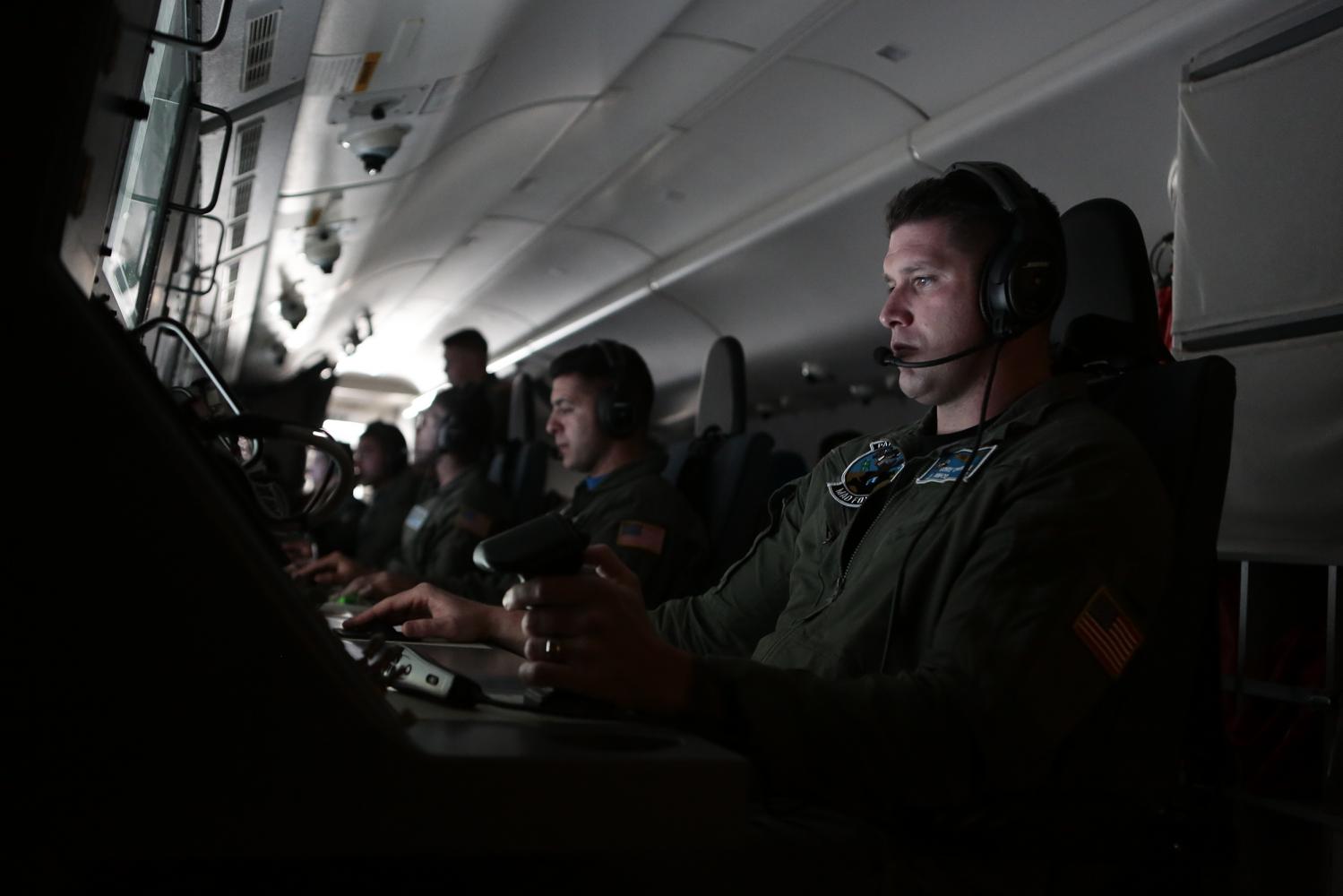
» The inaugural Asean-United States Maritime Exercise (AUMX) this week has sent ripples far and wide to the shores of regional states from Beijing and Tokyo to New Delhi. Hosted by Thailand at its Sattahip naval base in Chon Buri province, the first AUMX comes nearly a year after Asean held a similar maritime drill with China off the coast of Guangdong province. At issue is the intensifying rivalry between the US and China on the one hand and Asean's centrality and geopolitical balance between the two superpowers on the other. Several implications are discernible.