



Showing 1 - 6 of 6
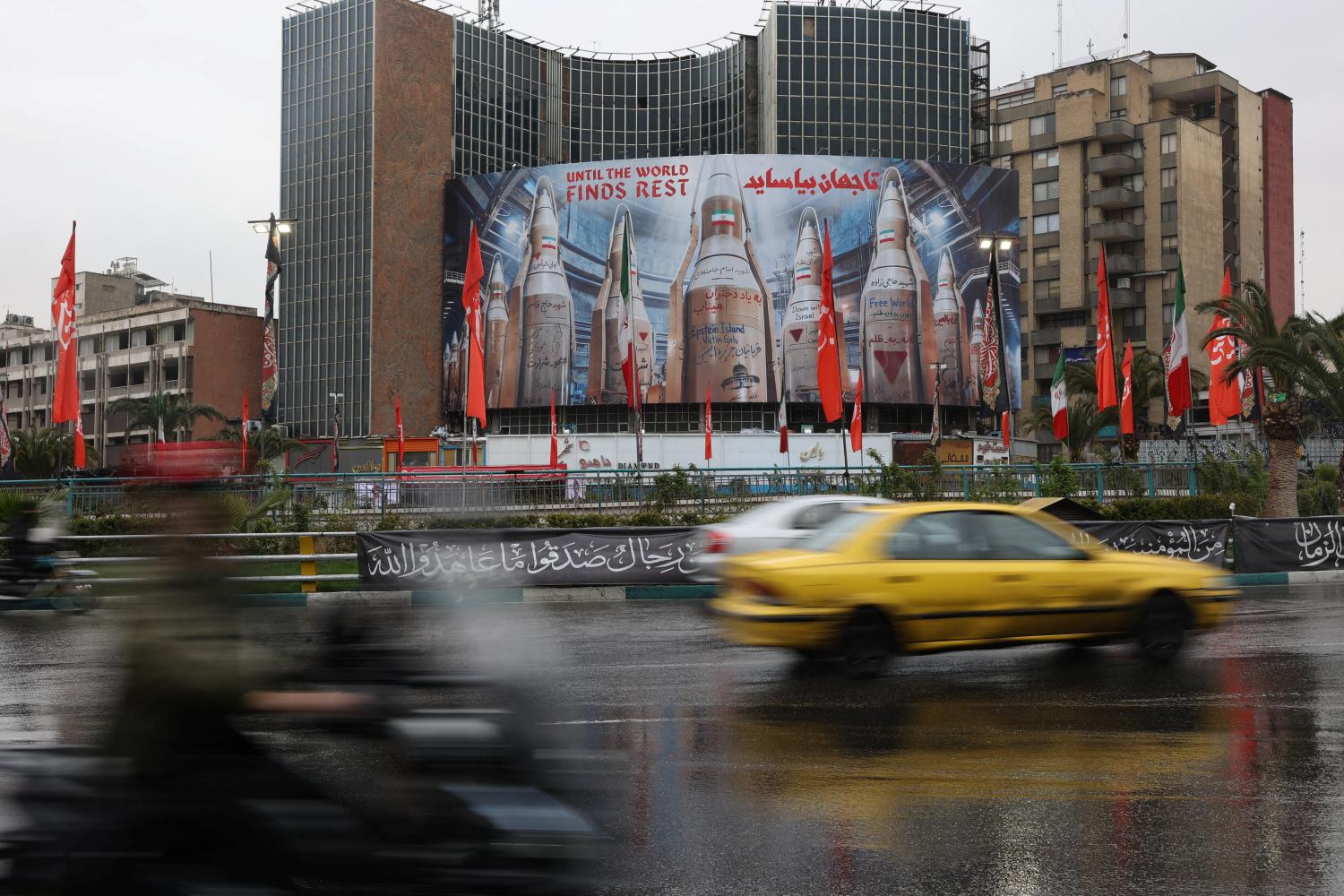
Impacts of Iran war on Southeast Asia
Oped, Thitinan Pongsudhirak, Published on 20/03/2026
» For the most part, Southeast Asia as a region has taken a neutral stance toward the joint attack between the United States and Israel against the Islamic Republic of Iran. Even the Philippines and Thailand, two formal US treaty allies, have distanced themselves, calling for restraint and de-escalation.

The fault line that polarises Thai politics
Oped, Thitinan Pongsudhirak, Published on 07/04/2023
» With all of Thailand's contesting political parties lined up behind populist policy platforms ahead of the general election on May 14, it is not readily obvious what sets them apart.

Post-Covid headwinds hit the region
Oped, Thitinan Pongsudhirak, Published on 14/10/2022
» As the five economies in mainland Southeast Asia re-emerge from the Covid-19 pandemic, their prospects for recovery and return to growth and development appear challenged, characterised by deteriorating balance of payments, fiscal weaknesses, currency depreciations, and rising inflation amidst global monetary tightening and recession risks.

Thailand's irresponsible runaway debt
Oped, Thitinan Pongsudhirak, Published on 11/06/2021
» A major lasting damage Prime Minister Prayut Chan-o-cha will eventually leave behind is his government's co-optation and capture of autonomous agencies that used to safeguard and uphold Thailand's macroeconomic well-being and political level-playing field.

What the 'Pimrypie' sensation foretells
Oped, Thitinan Pongsudhirak, Published on 22/01/2021
» While it became a storm in a teacup, the recent phenomenon involving YouTuber and online retailer Pimradaporn "Pimrypie" Benjawattanapat yields longer-term implications and meanings. Pimrypie's charity drive for Children's Day that provided solar panels and electricity to underprivileged kids in a far-flung village of Omkoi district 300 kilometres from Chiang Mai spoke volumes about the structure and shortcomings of Thailand's paternalist state and what needs to be done to tackle it.
Central bank autonomy must be upheld
News, Thitinan Pongsudhirak, Published on 16/08/2019
» When elected governments make noises about economic growth in countries where macroeconomic management is sound and prudent, central bankers tend to quietly bristle and brush off such interference and infringement of monetary space at their own risk. In so doing, central bankers tend to enjoy the support of domestic and international market participants who value central bank independence more than politicians' vested interests, even if it sometimes undercuts their bottom lines. Accordingly, when central bankers go along with the preferences of elected politicians, the conduct of monetary policy comes into question.