



Showing 1 - 10 of 14
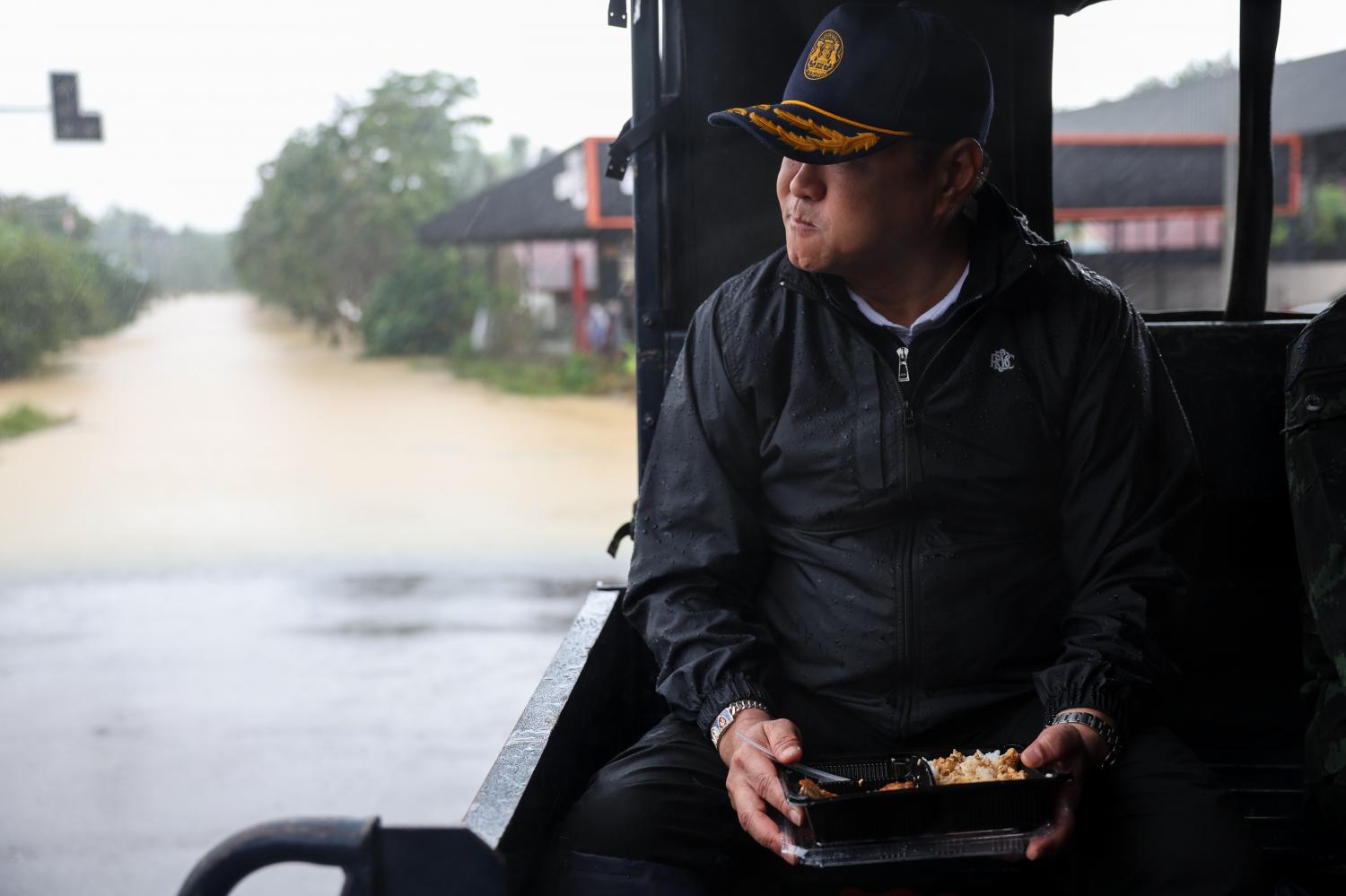
Thailand hit by a confluence of crises
Oped, Thitinan Pongsudhirak, Published on 05/12/2025
» Thailand is currently facing multiple crises of unprecedented proportions in the highest corridors of power that will pose adversity for the economy and political stability next year and beyond.

Indonesia leads Asean into Brics+
Oped, Thitinan Pongsudhirak, Published on 17/01/2025
» As the new year gets underway with the looming re-inauguration of United States President Donald J Trump, countries and entire regions are having to manoeuvre and realign in view of an accelerated breakdown of the post-Second World War rules-based liberal international order.

Reversing Myanmar's internal strife
Oped, Thitinan Pongsudhirak, Published on 10/02/2023
» This month marks two anniversaries of ongoing conflicts in Europe and Southeast Asia, namely 12 months after Russia invaded Ukraine and two years since Myanmar's military seized power by toppling a democratically elected and civilian-led government under Aung San Suu Kyi.
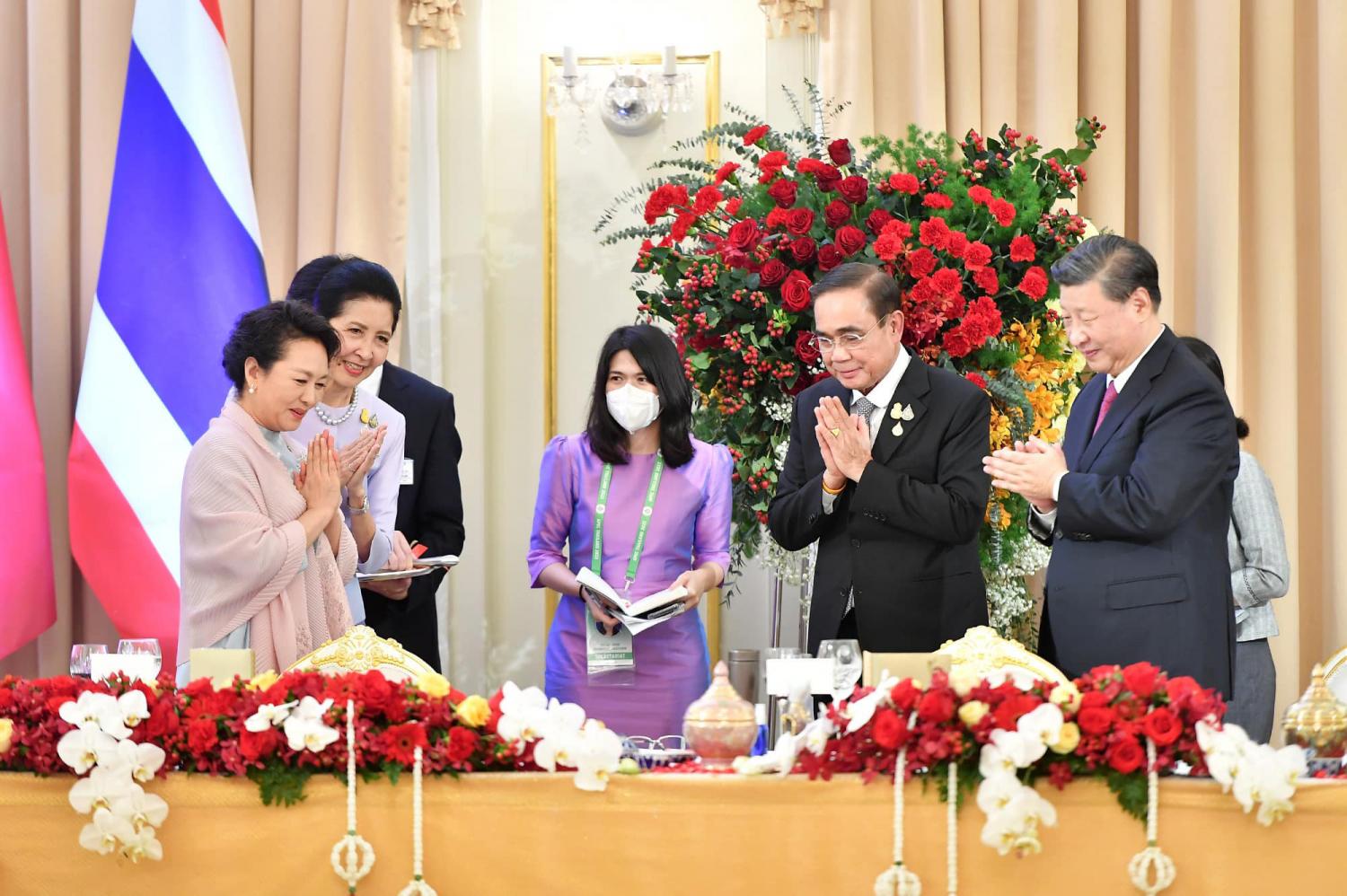
Geopolitical takeaways from SEA meets
Oped, Thitinan Pongsudhirak, Published on 25/11/2022
» Southeast Asia's summit season has come and gone with takeaways that concurrently eased geopolitical tensions and underlined risks that could lead to future global conflict. The three major summits -- the East Asia Summit (EAS) in Phnom Penh, the G20 in Bali, and the Asia-Pacific Economic Cooperation (Apec) in Bangkok -- also demonstrated that the Covid-19 pandemic over 2020-21 has been practically overcome as in-person meetings are back in full force. Overall, the three hosts came away with mixed highlights.

The anatomy of waning youth protests
Oped, Thitinan Pongsudhirak, Published on 19/03/2021
» By all accounts, Thailand's youth protest movement over the past year has lost steam. Its key leaders have been charged on anti-monarchy grounds and jailed without bail, while the rank-and-file are demoralised, still on the move but in thin numbers. On the other side, the incumbent centres of power have reasserted control and put down what at its peak was the most vociferous and vigorous anti-establishment movement Thailand had seen in decades.
Corruption without a moral backstop
Oped, Thitinan Pongsudhirak, Published on 15/01/2021
» For Thailand, Covid-19 has become an unwitting spotlight that has exposed shadowy closets and drawers where corruption and graft have long festered. In the past, Thailand's dirty deeds and illegal wrongdoings operated within certain parameters set by a semblance of moral authority at the top echelons of Thai society. But in recent years, moral turpitude has set in while the sense of moral backstop has faded. As this trend intensifies, Thailand risks suffering political decay, social decadence and economic stagnation, while impunity and immorality reign without boundaries.

US ties with Asia, SE Asia, Thailand
Oped, Thitinan Pongsudhirak, Published on 13/11/2020
» Under the leadership of President-elect Joe Biden, the United States' relations with Asia broadly and with Southeast Asia and Thailand in particular are set to undergo a qualitative shift in tone and direction. At issue are to what extent Mr Biden will adopt the foreign policy outlook and orientation of former president Barack Obama in 2008-16 and whether he will retain some or reject most of the Asia policy legacy under the outgoing government of President Donald Trump.

Domestic drivers of superpower rivalry
Oped, Thitinan Pongsudhirak, Published on 10/07/2020
» The coronavirus pandemic is fundamentally global but its impact is mainly local because of the international system of state sovereignty, borders and divergent national interests. What is needed to cope with, contain and overcome the pandemic is more international cooperation and coordination. But we are seeing less international efforts to fight the virus together and more self-help where every nation fends for itself. The upshot from this fractured and fragmented international system during Covid-19 is the primacy of domestic determinants of international outcomes. Nowhere is this reality clearer than the competition and confrontation between the United States and China.

Geoeconomic implications of Covid-19
Oped, Thitinan Pongsudhirak, Published on 26/06/2020
» The longer the coronavirus pandemic wends its way around the world, the more it takes on permanent features. As case infections still persist virulently, especially in the US, Brazil, Russia and India, states, societies and individuals are being forced to make adjustments. There will be winners and losers in the geoeconomic competition for market shares and supply chains. Those with more effective public health systems will stand in good stead with opportunities to re-emerge less scathed and better positioned to carry on, whereas others with less adequate health infrastructure will face more risks and disadvantages. For the first time in generations, health security has become the main determinant in the fate of nations and peoples.

Thailand's strategic path is rudderless
News, Thitinan Pongsudhirak, Published on 19/06/2020
» As the coronavirus pandemic continues to wreak havoc worldwide, domestic tension and pressure will compel three broad responses from the various afflicted countries. First, these countries may react to virus-induced domestic challenges by blaming and taking it out on outsiders. Alternatively, they may be so preoccupied at home that they become marginalised abroad. In other instances, countries that have coped effectively with Covid-19 will be able to regain their footing faster and move on sooner as the rest of the pack remains bogged down in acrimony and discord.