



Showing 1 - 10 of 50
The gist of Thai politics over 20 years
Oped, Thitinan Pongsudhirak, Published on 20/02/2026
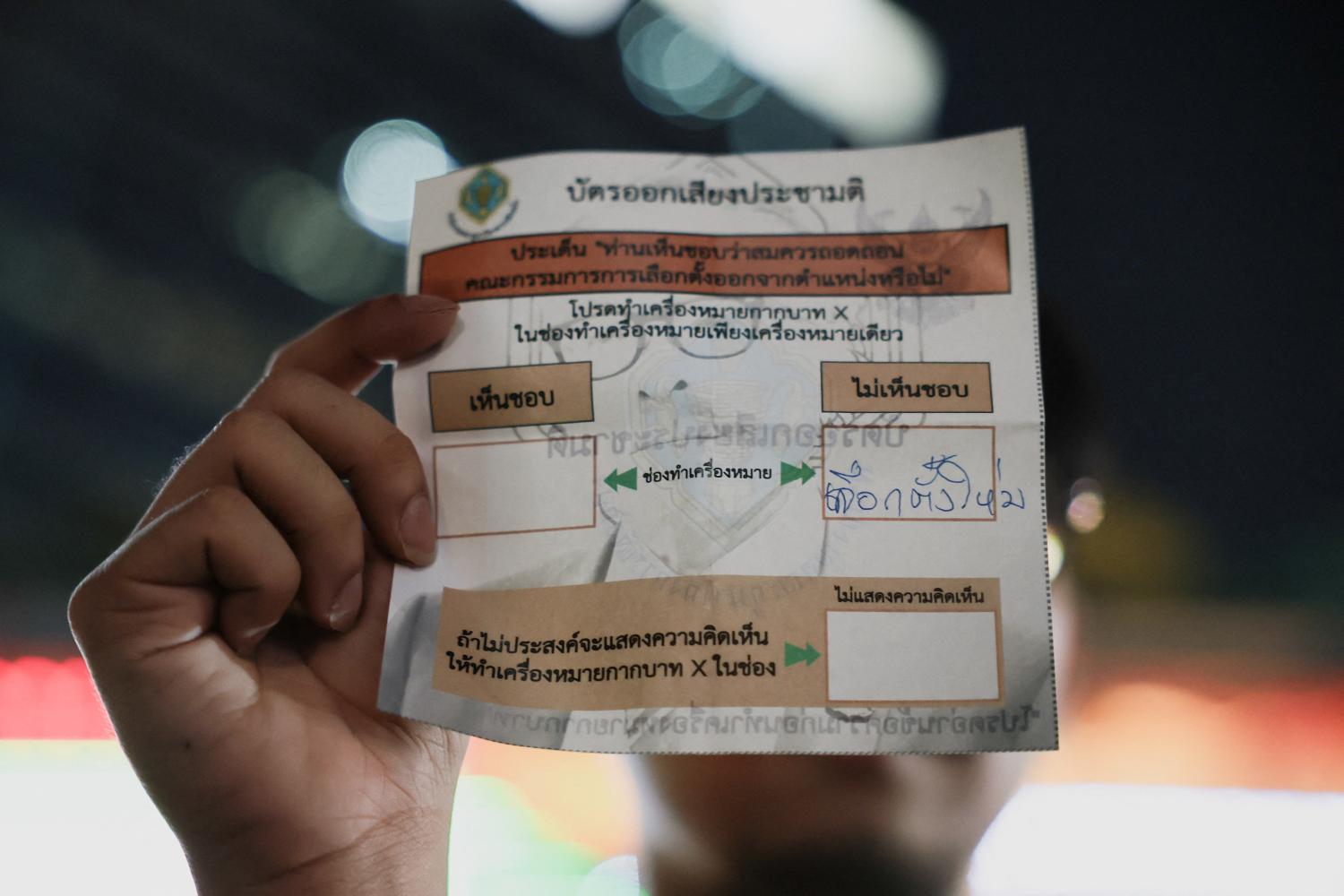
» Thailand's democratic institutions have been repressed and kept weak to the point that confusion still prevails almost two weeks after the Feb 8 election, which purportedly showed a clear victory for the ruling Bhumjaithai (BJT) Party under Prime Minister Anutin Charnvirakul. On the one hand, Mr Anutin and BJT stalwarts are busy forming a coalition government with other parties. On the other hand, fraud allegations from civil society groups and the opposition People's Party have reached a critical mass with the plausibility that the recent vote might be nullified to pave the way for a new poll.
Asean's regroup requires deep reforms
Oped, Thitinan Pongsudhirak, Published on 17/10/2025
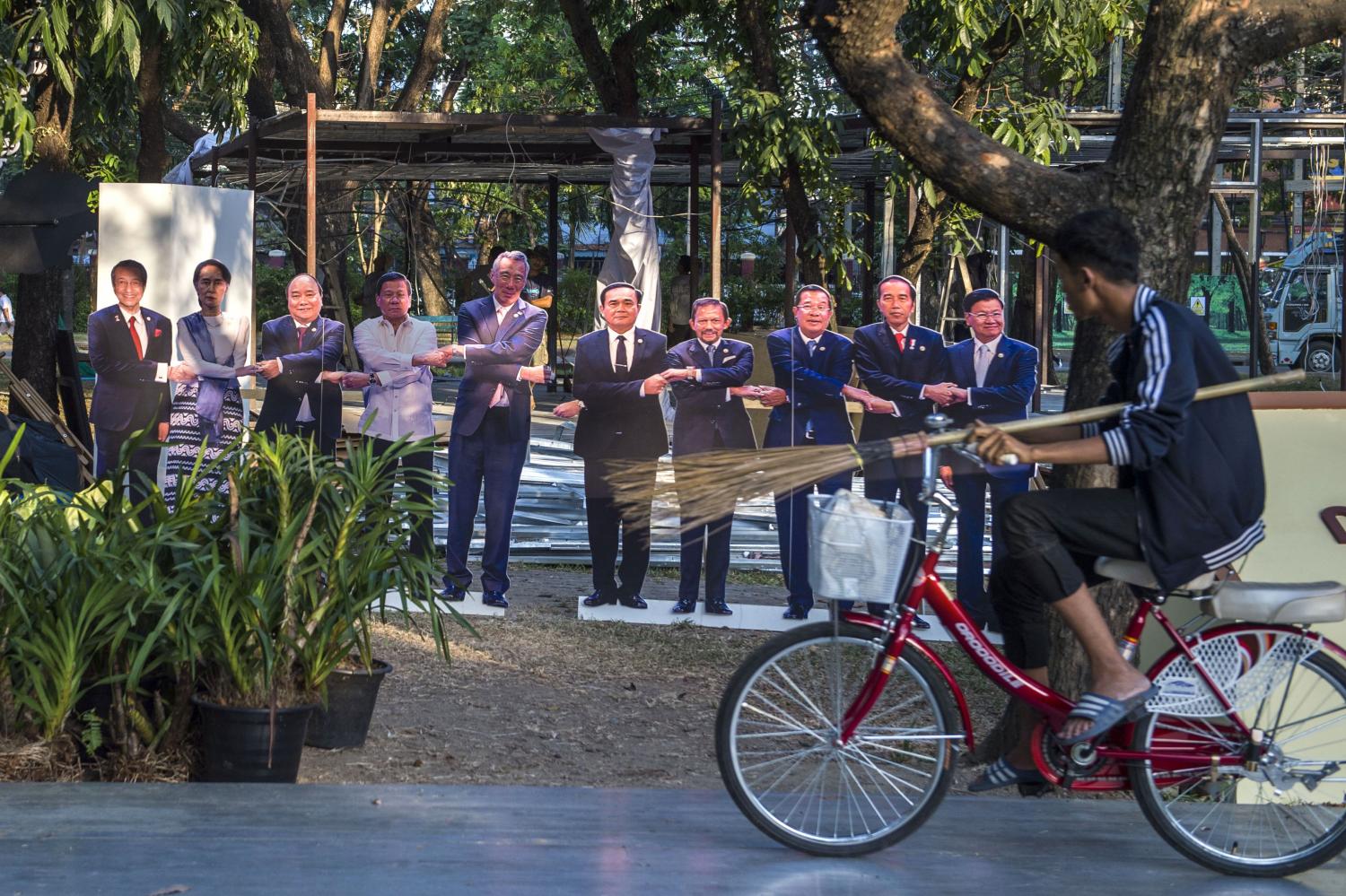
» If Asean's 58 years thus far have been about resilience and playing a central organising role in promoting regional security and stability, its next decade will determine whether the Southeast Asian bloc can adapt and remain relevant. After the crises in Myanmar and along the Thai-Cambodian border, Asean's credibility has never been more in doubt. To regain its effectiveness as Southeast Asia's one and only agency, Asean needs to move away from the ritualistic diplomacy of mundane meetings to far-reaching reforms that chart new ways of making things work.

Singapore turns 60 with much to show
Oped, Thitinan Pongsudhirak, Published on 08/08/2025
» No country turns 60 like Singapore. In a neighbourhood of political dynasties and varying shades of autocracies and flawed democracies, the little island state of six million got lucky with its strongman rule. When he died in 2015, Singapore's patriarchal founder Lee Kuan Yew left a great country behind. This weekend, Singaporeans can take stock of what's gone by and rightly celebrate its milestone with much to show for.

Signs and symptoms of Thai stagnation
Oped, Thitinan Pongsudhirak, Published on 18/07/2025
» That Thailand is faring poorly in the world is no longer in dispute. Not so long ago, many were in denial and adamant that Thailand could still bring a good game to engage abroad, that "Teflon" Thailand could bounce back. Now, just about all indicators are pointing south. The causes of this country's decline and stagnation are not singular but multifaceted over a two-decade period. As Thailand's situation is likely to worsen before hopes for a better future can arise, it is instructive to start counting the costs.

Thai politics back at the brink (again)
Oped, Thitinan Pongsudhirak, Published on 04/07/2025
» The Constitutional Court's suspension of Paetongtarn Shinawatra from the premiership is déjà vu, exposing a pattern of systematic manipulation and concoction of political outcomes. After so many dissolutions of leading political parties and repeated bans of elected representatives over two decades, it is time to call a spade a spade. Thailand is a faux democracy. Its core foundations constitute an autocratic regime that does not really care about the country's future and the collective will of its people.

Thailand needs a geostrategic rebalance
Oped, Thitinan Pongsudhirak, Published on 06/06/2025
» With two military coups and multiple judicial interventions that combined to subvert election results and weaken democratic institutions over the past two decades, it is unsurprising that Thailand's geostrategic position has leaned increasingly towards China. Naturally, the more Thailand becomes autocratic, the more it will be estranged from established democracies in Europe and North America, as well as Japan and South Korea, with nowhere to turn but to Beijing. But this China orientation is a geostrategic mistake at this time. Thailand should correct its course until clearer signs emerge as to which side of the superpower struggle will come out on top.

Myanmar's civil war after four years
Oped, Thitinan Pongsudhirak, Published on 31/01/2025
» Four years after its military coup and consequent civil war, Myanmar's spotlight in global headlines continues to dim as geostrategic reorientations and realignments among the major powers take centre stage. Dramatic and drastic foreign policy changes are afoot in the United States under the second administration of President Donald J Trump, while the European Union faces an existential threat from Russia's aggression in Ukraine, and Japan is mired in political sclerosis at home. Myanmar's fate and future will thus likely be determined by the course and outcome of its civil war, China's expanding influence in the country and Asean member states' manoeuvres to a lesser extent.

Thaksin's return and 2025 prospects
Oped, Thitinan Pongsudhirak, Published on 03/01/2025
» Thailand's political environment last year was marked by machinations to keep the biggest election winner, the Move Forward Party, from power and to ensure the runner-up, the Pheu Thai Party, leads a coalition government the old guard can put up with. These manoeuvres after the May 2023 poll, initially forced Move Forward into the opposition and ultimately dissolved the party while bringing Thaksin Shinawatra back from self-exile in August 2023 for a perfunctory jail sentence and installing Srettha Thavisin as prime minister over the same period.

New government is new wine in old bottle
Oped, Thitinan Pongsudhirak, Published on 13/09/2024
» On the face of it, the new government under Prime Minister Paetongtarn Shinawatra appears to be a generational shift and gender breakthrough. Ms Paetongtarn is the youngest prime minister ever at 38 and only the second female government leader after her aunt Yingluck Shinawatra in 2011-14. The Paetongtarn cabinet features a record eight women among 36 with more ministers in their 30s-50s and fewer above 60. Yet on closer scrutiny, the new and younger faces are largely family legacies and proxies, surrounded by old-style politicians, while the new government's policy directions sound dated not well-suited for the times ahead.

Thailand's judiciary faces challenges
Oped, Thitinan Pongsudhirak, Published on 24/05/2024
» Thailand appears to be a country of 70 million, ultimately ruled by an unelected few. This sobering reality was on display when two connected groups of top generals seized power from democratically elected governments in September 2006 and May 2014. Unlike these blatant military coups over the past two decades, at issue now is the power and role of the judiciary. While Thailand has another democratically elected civilian government under Prime Minister Srettha Thavisin, the question that needs to be asked is whether the country is effectively under judicial rule.