



Showing 1 - 10 of 27
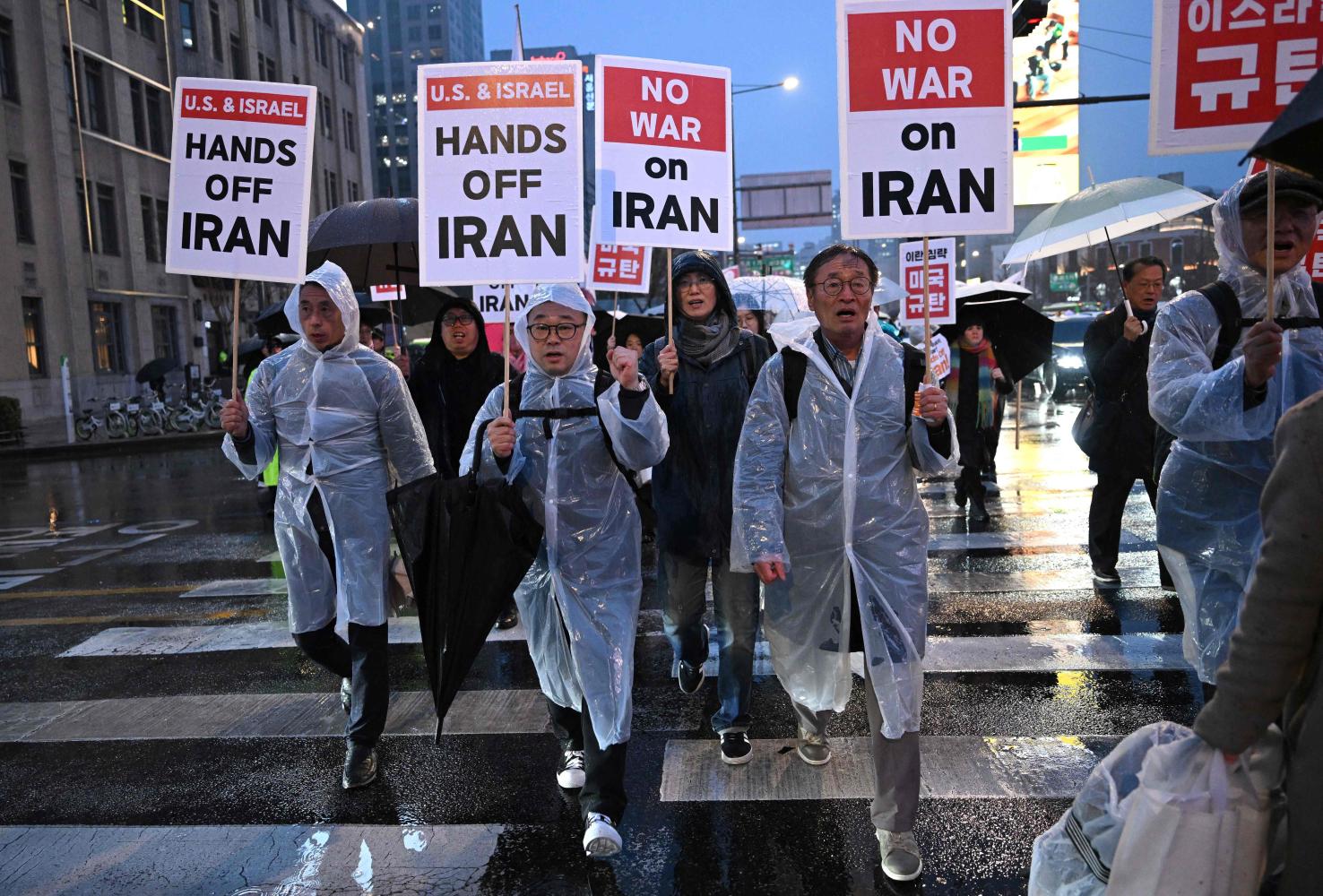
America risks grand folly in Iran war
Oped, Thitinan Pongsudhirak, Published on 06/03/2026
» It is just the first week of the joint attack between the United States and Israel on the Islamic Republic of Iran, but the repercussions from the Middle East for the Indo-Pacific are already discernible.
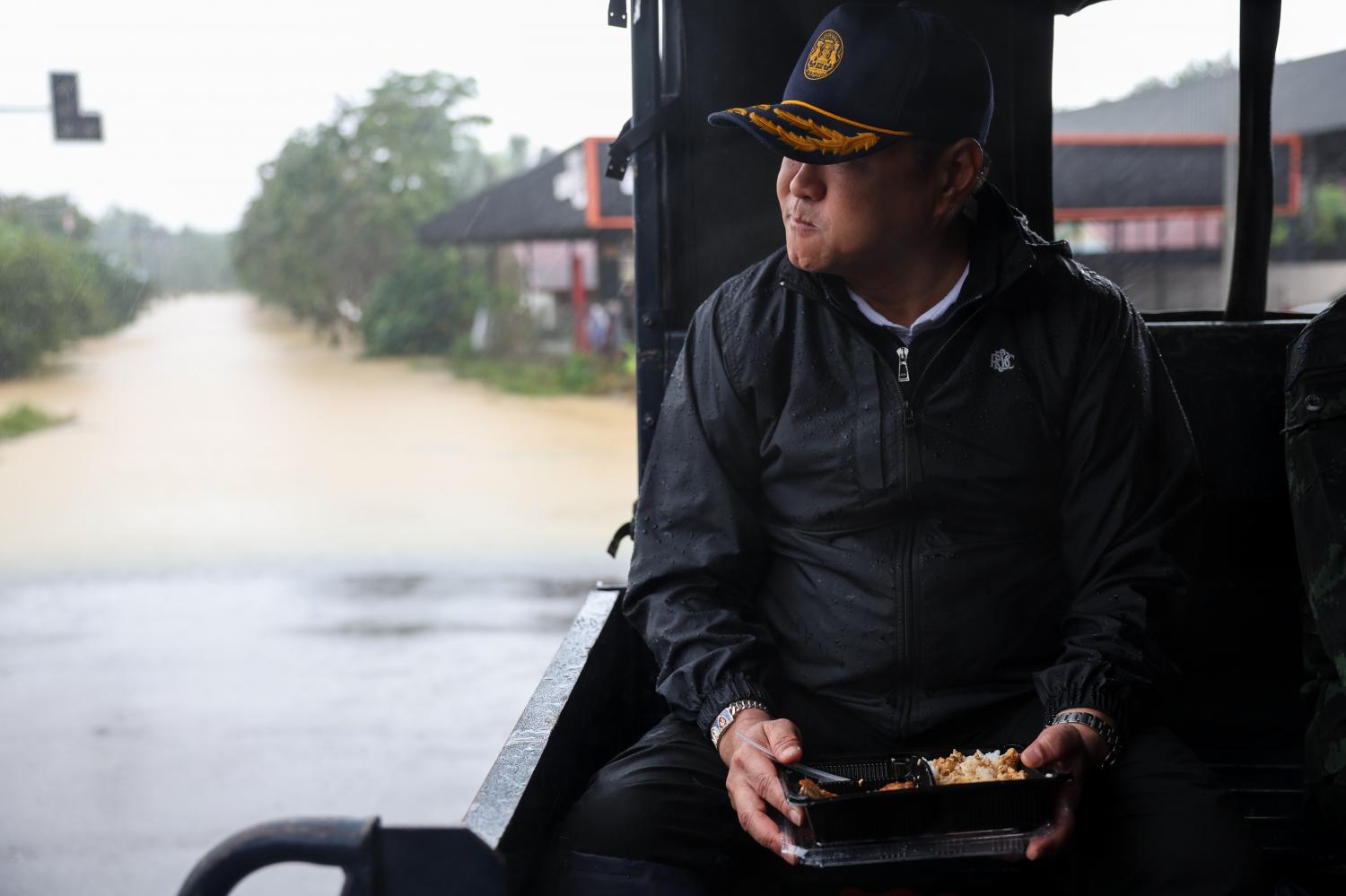
Thailand hit by a confluence of crises
Oped, Thitinan Pongsudhirak, Published on 05/12/2025
» Thailand is currently facing multiple crises of unprecedented proportions in the highest corridors of power that will pose adversity for the economy and political stability next year and beyond.
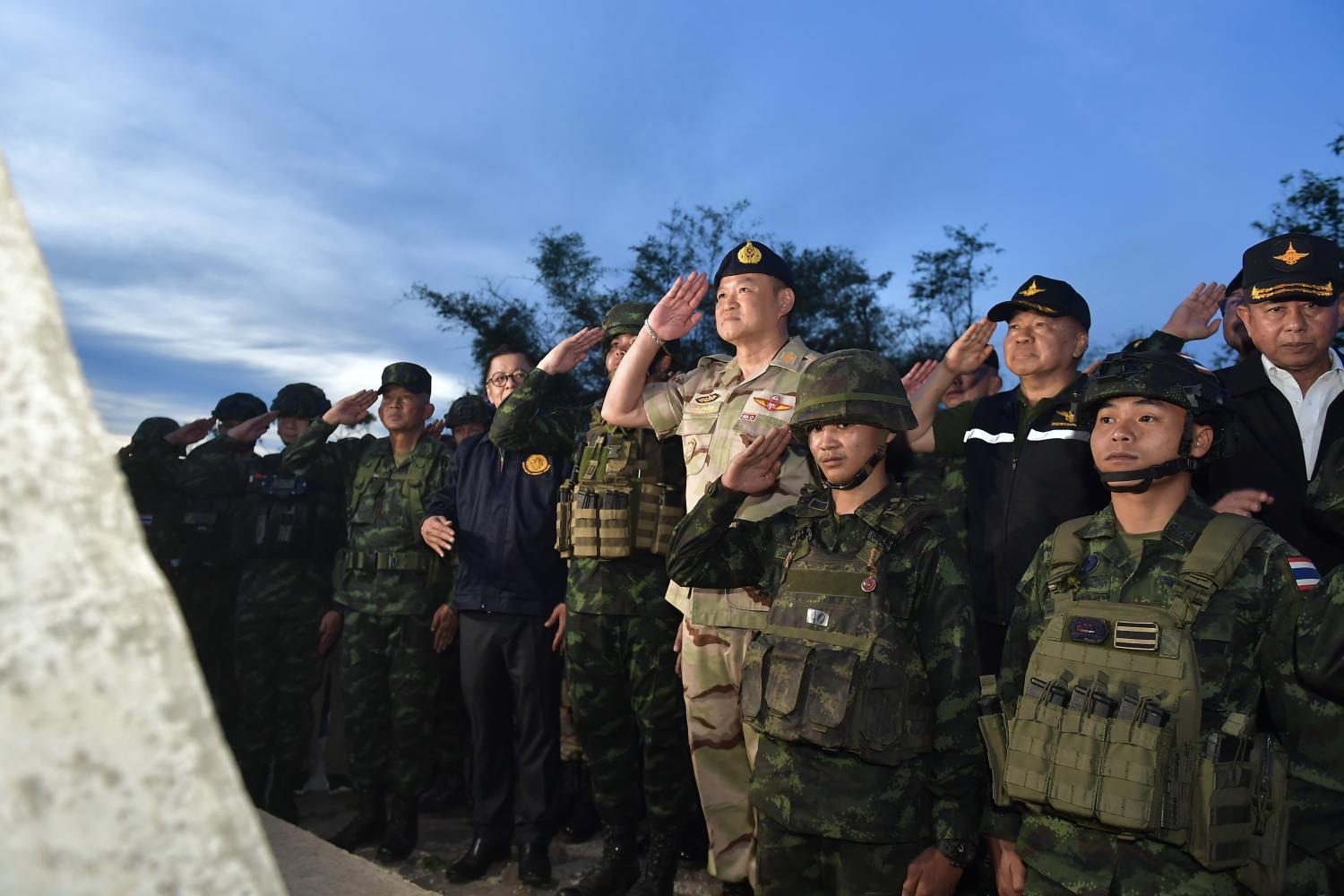
No-confidence and poll date in flux
Oped, Thitinan Pongsudhirak, Published on 14/11/2025
» Amid the drumbeats of military conflict with Cambodia, Thailand's political environment is evidently unruly and unsettled. The minority government of Anutin Charnvirakul, the third prime minister from the third largest-winning party since the latest national election in May 2023, is hard-pressed to stay in office beyond the four-month "Memorandum of Agreement" between his Bhumjaithai Party (BJT) and the People's Party (PP), the largest camp in the national assembly.
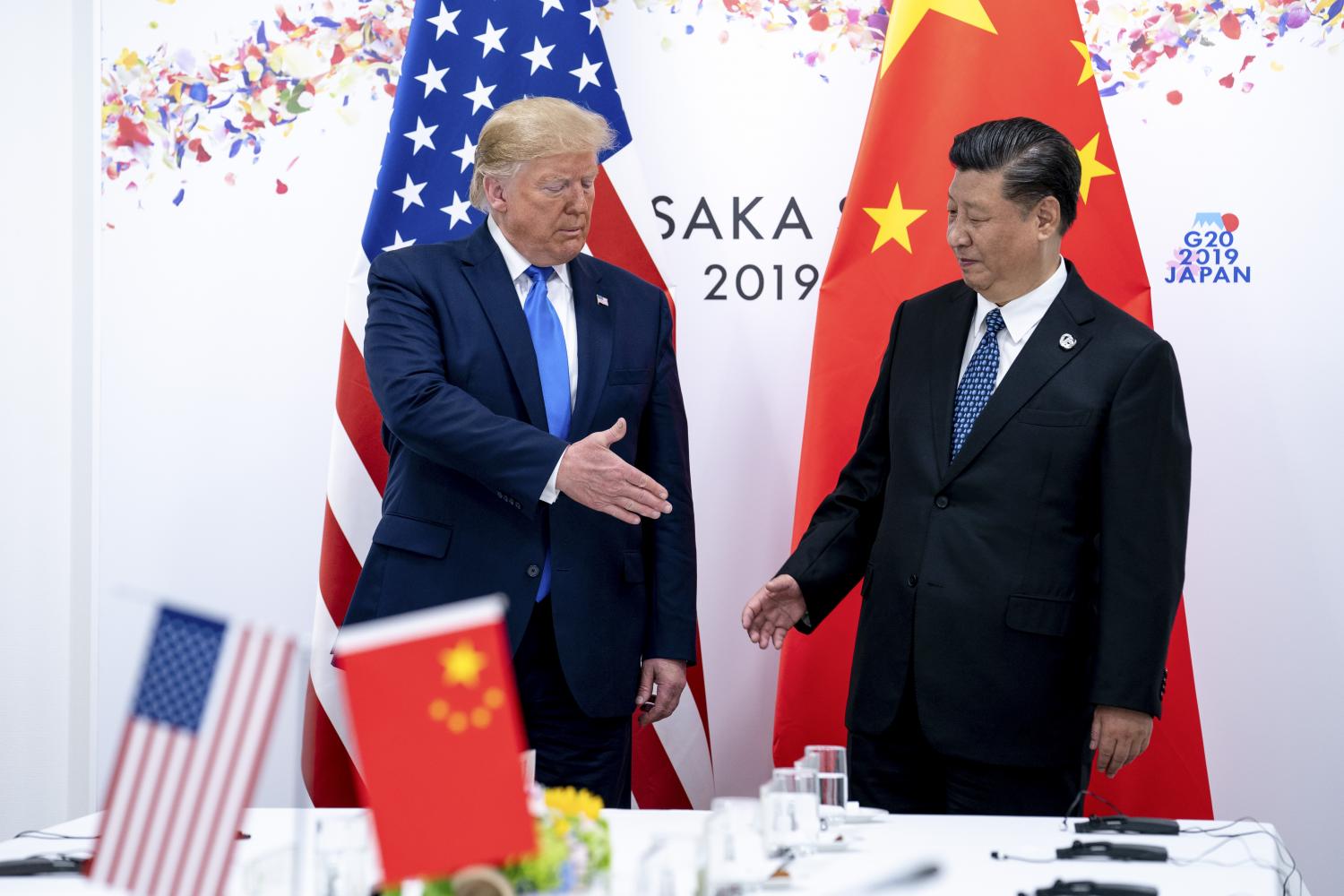
Southeast Asia amid the US-China rift
Oped, Thitinan Pongsudhirak, Published on 03/10/2025
» The rivalry between the United States and China has become the defining contest of the 21st century. Barely two decades ago, Washington and Beijing were partners in prosperity. America's support for China's entry into the World Trade Organization in 2001 epitomised the high-water mark of engagement, reflecting the belief that economic integration would lead to greater political cooperation. Today, that partnership has morphed into suspicion and confrontation. Relations between the United States and China have deteriorated so swiftly that many observers now describe them as locked in a "new Cold War". The more pressing question, however, is not whether this analogy holds, but whether confrontation can be managed short of outright conflict.

No losers, two winners in Taiwan poll
Oped, Thitinan Pongsudhirak, Published on 26/01/2024
» Among elections in Asia this year, Taiwan's is no less consequential, not just for the island country's political future but also for the United States-China rivalry and broader geopolitics. In the event, the results from the Jan 13 general election in Taiwan ended up with no major losers among the main contenders and two big wins for democracy in Asia and the geopolitical status quo.

Asean role stuck on Myanmar coup
Oped, Thitinan Pongsudhirak, Published on 25/08/2023
» President Joe Biden's decision to skip Asean-related summits in the Indonesian capital Jakarta on Sept 5-7 in favour of the G-20 leaders' meeting in India just two days later has been greeted with howls of disappointment and criticism around Southeast Asian capitals and elsewhere that are concerned about America's role in the region.

Thai global standing at all-time low
Oped, Thitinan Pongsudhirak, Published on 17/02/2023
» Although it will not lead to a no-confidence vote, the general debate in Thailand's parliament this week has further weakened the coalition government of Prime Minister Prayut Chan-o-cha, undermining its chances of re-election as the next general election looms. Among the many bombshell allegations of corruption, cronyism and sheer incompetence tabled by opposition parties, Thailand's international credibility and reputation have come into focus. Compared to its past role and performance, it appears that Thailand's global standing is at an all-time low.

Apec's geopolitics and geoeconomics
Oped, Thitinan Pongsudhirak, Published on 11/11/2022
» The upcoming leaders' meeting in Bangkok among the 21 member economies of the Asia-Pacific Economic Cooperation (Apec) should be seen in conjunction with its preceding Asean-related summits in the Cambodian capital of Phnom Penh and the G20 summit in Bali, the Indonesian island resort. This one-two-three combination in three Southeast Asian countries over a ten-day period is supposed to showcase Asean's central role in the promotion of peace, security and prosperity in the region and the wider world. But as Asean's summit season gets underway in Cambodia, excitement and promise have given way to anxieties and apprehensions. While these summit talks are an extraordinary opportunity to tone down geopolitical temperatures and geoeconomic competition, they are likely to yield mixed results.

Geoeconomics of the US-China tech war
Oped, Thitinan Pongsudhirak, Published on 16/09/2022
» Chinese President Xi Jinping's arrival in Central Asia this week in his first overseas travel in nearly three years is perhaps the most consequential irony of the coronavirus pandemic. As the place where the deadly pandemic began in early 2020, China was the first to swiftly and successfully suppress and contain Covid-19 within weeks, while its counterparts in North America and Europe languished for months under mounting death tolls and hospitalisations.

Global politics in dangerous territory
Oped, Thitinan Pongsudhirak, Published on 02/09/2022
» While Russia's profound and transformational invasion of Ukraine on Feb 24 has fundamentally reshaped and reinforced contentious trends and contours in the geopolitics and geoeconomics of Asia, it did not set out a new direction in world politics. The international system had already been unravelling over the past decade, underpinned by the United States-China geostrategic rivalry and competition. Given deteriorating patterns and trends, the international environment is entering dangerous territory where what seemed unthinkable not long ago may soon appear to be very conceivable indeed.